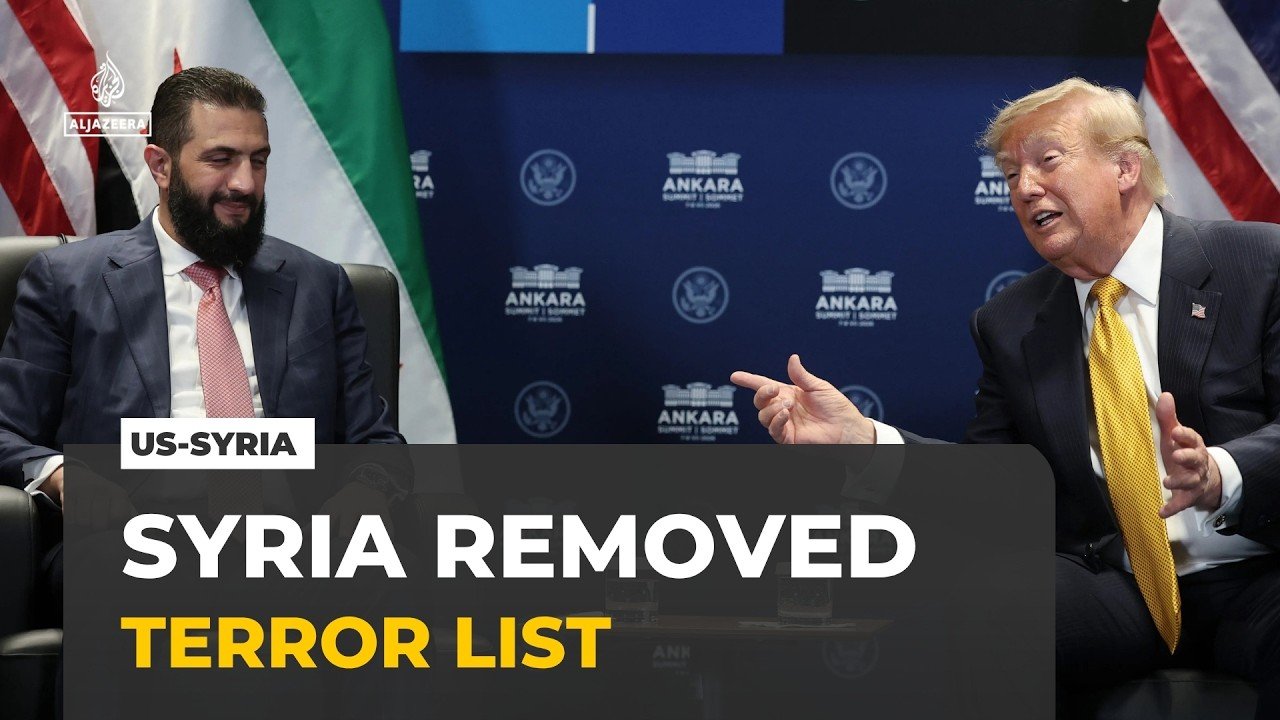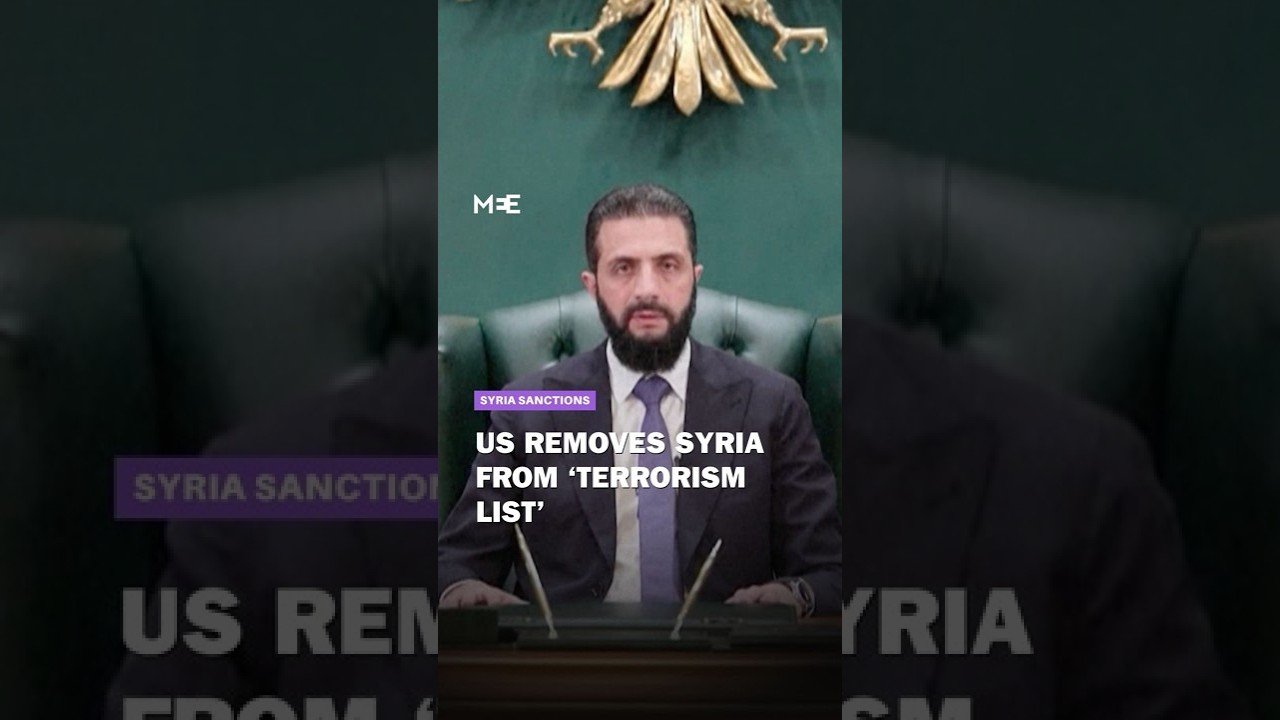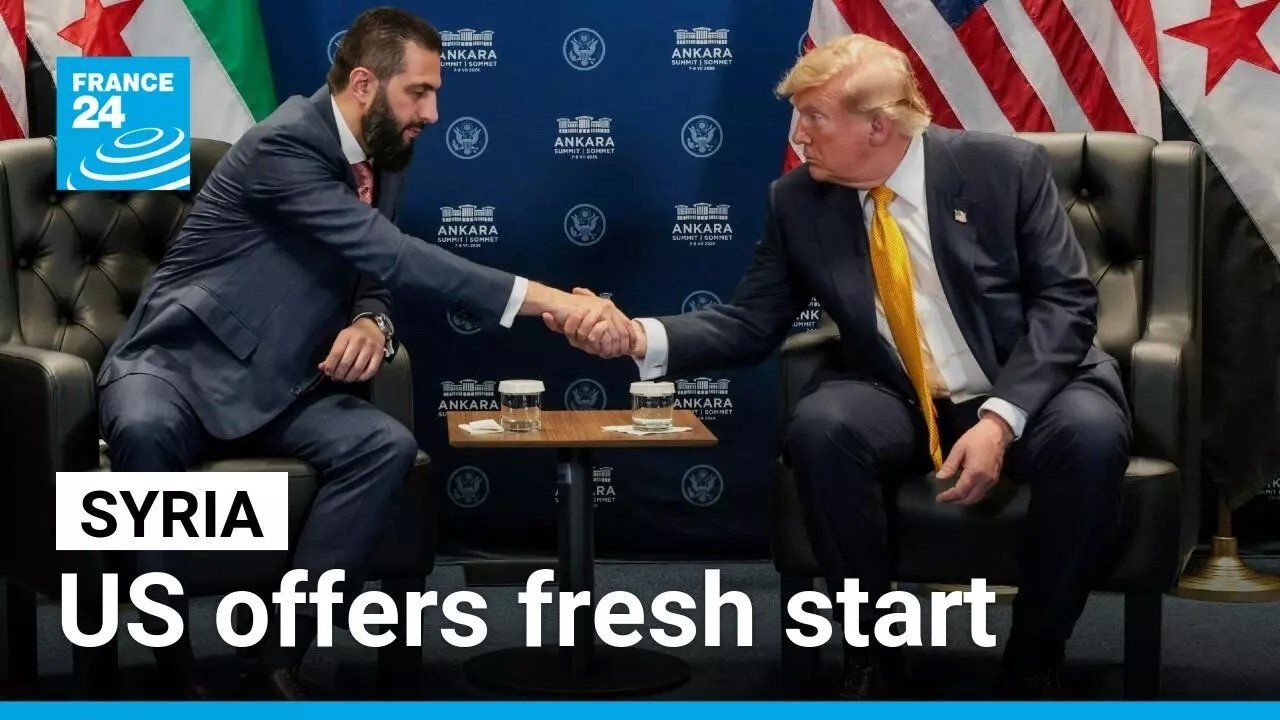




The United States has formally removed Syria from its list of State Sponsors of Terrorism, completing a phased dismantling of the broad sanctions regime that constrained the country’s access to international finance, trade and investment for decades.
Secretary of State Marco Rubio authorized the rescission on August 24, 2026, after the expiration of a mandatory 45-day congressional notification period. The State Department also removed Hay’at Tahrir al-Sham (HTS), the former Islamist organization led by Syrian President Ahmad al-Sharaa, from its designation as a Specially Designated Global Terrorist organization. The Treasury Department subsequently removed HTS from its Specially Designated Nationals and Blocked Persons list.
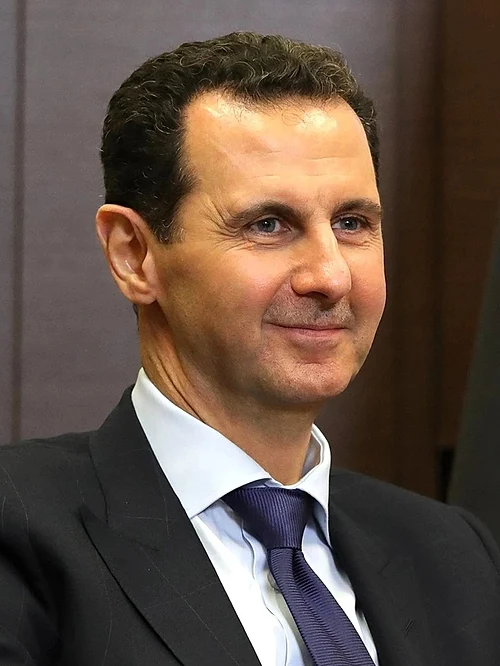
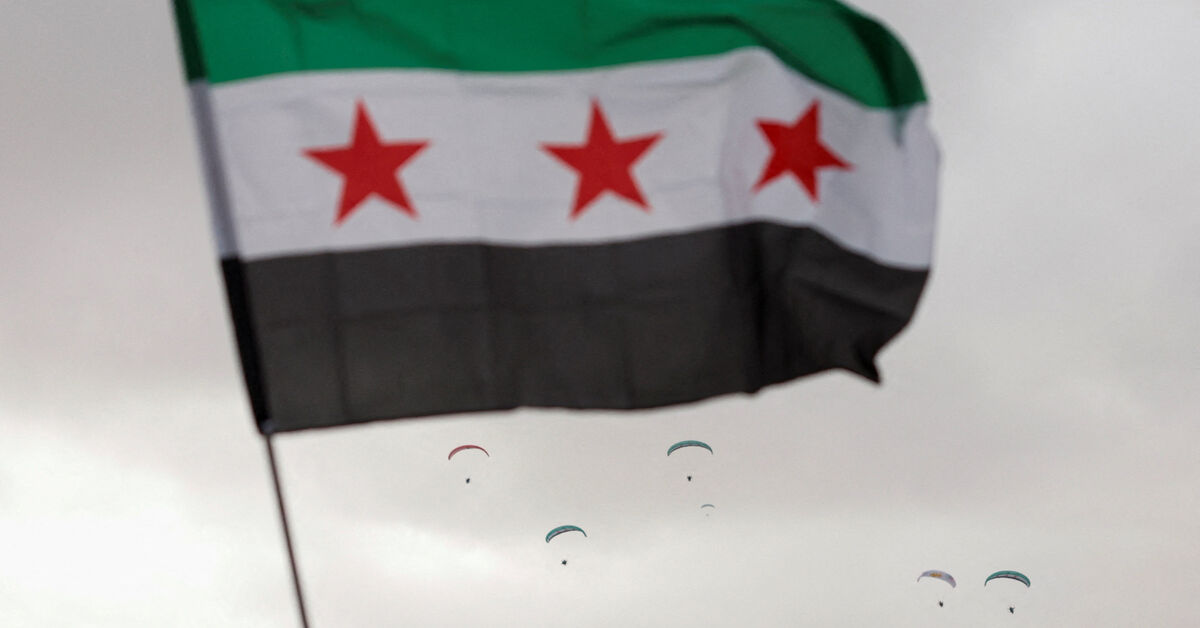
The decision marks a significant shift in Washington’s policy toward Syria following the collapse of Bashar al-Assad’s government in December 2024. Assad fled to Russia after opposition forces led by al-Sharaa’s HTS swept into Damascus, ending more than five decades of Assad family rule.
US officials said the move reflects actions and commitments by Syria’s new government to distance itself from international terrorism and cooperate against extremist networks. The State Department said the Syrian authorities had joined the Global Coalition to Defeat ISIS and taken action against ISIS, al-Qaeda, Hezbollah and pro-Iranian militant networks.
A phased dismantling
The August decision was the final step in a broader process that began more than a year ago.
On June 30, 2025, President Donald Trump issued Executive Order 14312, terminating the national emergency that had underpinned the main US Syria sanctions program. The order took effect on July 1, 2025, and revoked the principal executive authorities used to block property and prohibit a wide range of transactions involving Syria.
The move ended comprehensive US sanctions on the Syrian government and Syrian institutions. The Office of Foreign Assets Control (OFAC) later removed the Syrian Sanctions Regulations from the Code of Federal Regulations. OFAC has said that the United States no longer maintains comprehensive sanctions on Syria or blocking sanctions against the Syrian government.
However, the presidential order did not by itself eliminate every legal restriction. Some sanctions were required by statute, including measures imposed under the Caesar Syria Civilian Protection Act of 2019.
Congress repealed the Caesar Act on December 18, 2025, through Section 8369 of the National Defense Authorization Act for Fiscal Year 2026. The law removed the framework for mandatory secondary sanctions targeting people and companies that provided specified forms of support to the Syrian government.
The legislation also preserved the possibility of imposing targeted sanctions in response to future conduct. It required the administration to monitor issues including counterterrorism cooperation, the treatment of religious and ethnic minorities and Syria’s military conduct toward neighboring countries.
The final legal barrier was the State Sponsor of Terrorism designation. Syria had remained subject to the designation’s consequences even after the broad Syria sanctions program was dismantled.
What the delisting changes
Removing Syria from the State Sponsor of Terrorism list eliminates prohibitions under the Terrorism List Governments Sanctions Regulations and related US law. It also removes restrictions that had affected financial dealings, exports, foreign assistance and other forms of government-to-government and commercial engagement.
The State Department and Treasury have described the decision as removing the last major obstacle to private-sector investment and Syria’s reintegration into the global economy.
The practical effects include:
- International banks face fewer US sanctions-related barriers when assessing transactions involving Syria.
- Companies can more easily evaluate infrastructure, energy, telecommunications, transport and reconstruction projects.
- Restrictions linked specifically to Syria’s state-sponsor designation no longer apply.
- The United States has waived remaining chemical-weapons-related restrictions affecting certain exports, foreign assistance and financial support.
- Restrictions on US sales of defense equipment and services, foreign military financing and Syrian-owned or Syrian-controlled air transportation have also been waived, subject to applicable rules and licensing requirements.
The removal of HTS from the SDN list also means that General License 25, which had authorized certain transactions involving the Syrian government despite HTS’s listed status, is no longer necessary. OFAC has revoked that license following HTS’s delisting.
The changes could make it easier for international companies, aid organizations and financial institutions to work with Syrian ministries and state-linked entities. They do not, however, guarantee that banks or investors will immediately return. Concerns over political stability, compliance risks, corruption, physical security, infrastructure damage and the future conduct of Syria’s new government are likely to continue influencing commercial decisions.
A dramatic political reversal
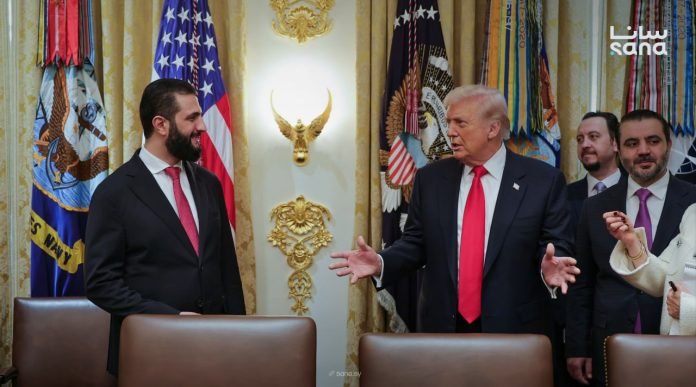
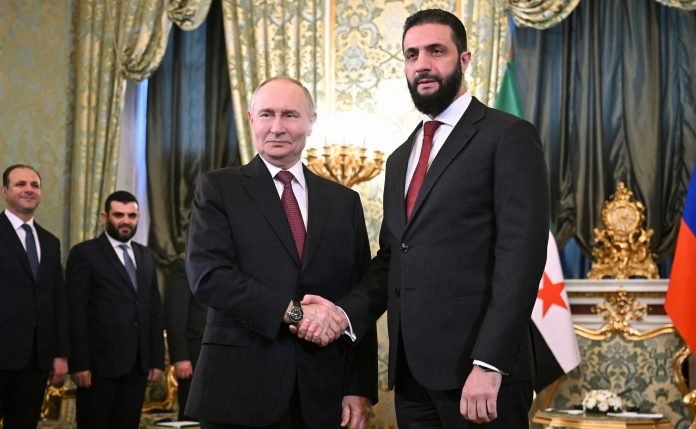
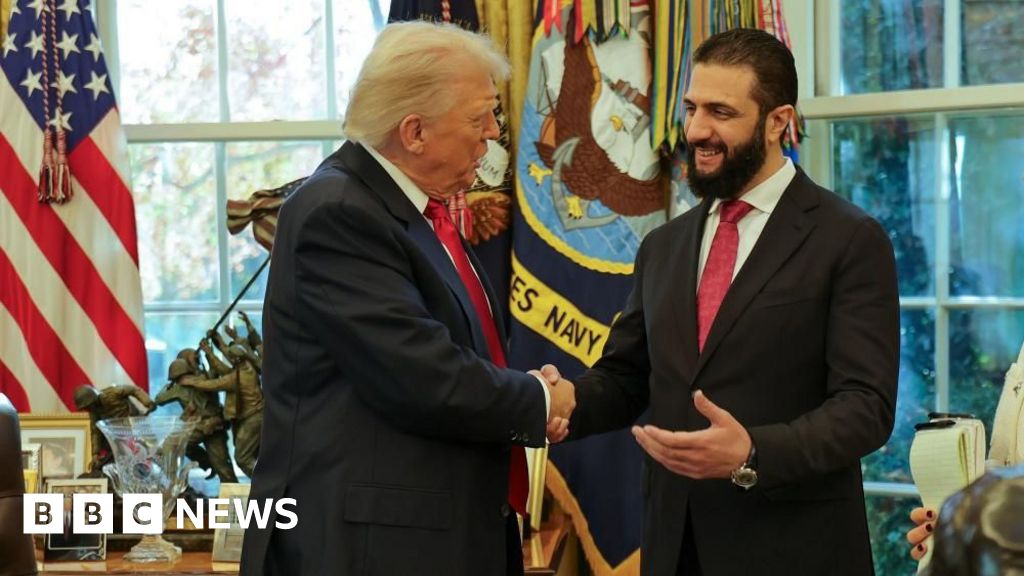
The policy shift represents a remarkable reversal in the relationship between Washington and al-Sharaa.
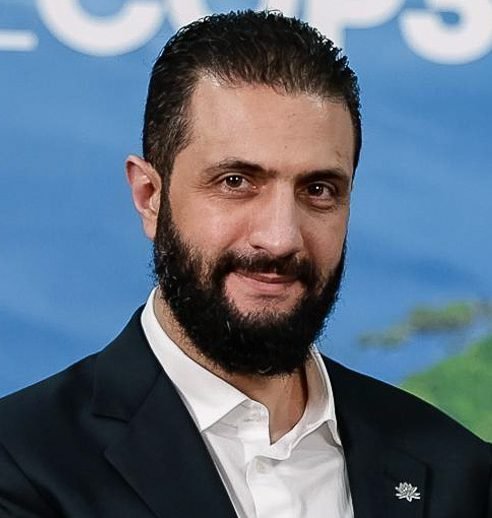
HTS was formerly known as the al-Nusrah Front, al-Qaeda’s official affiliate in Syria. Under al-Sharaa, the organization broke publicly with al-Qaeda and later became the leading force in the offensive that overthrew Assad. His transformation from leader of an internationally designated armed faction to Syria’s president has remained central to the debate over whether engagement with Damascus can produce stability or instead legitimize a new authoritarian order.
The United States has presented the sanctions rollback as an effort to give Syrians a chance to rebuild after years of civil war and economic collapse. Syrian officials have welcomed the decision as historic, arguing that it will help restore trade, attract capital and support reconstruction.
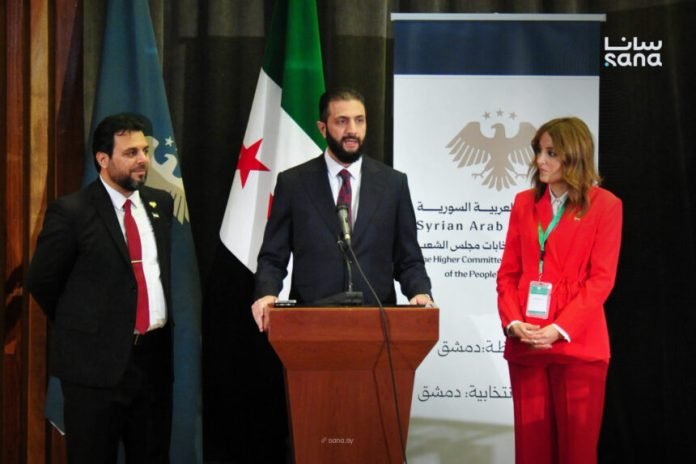
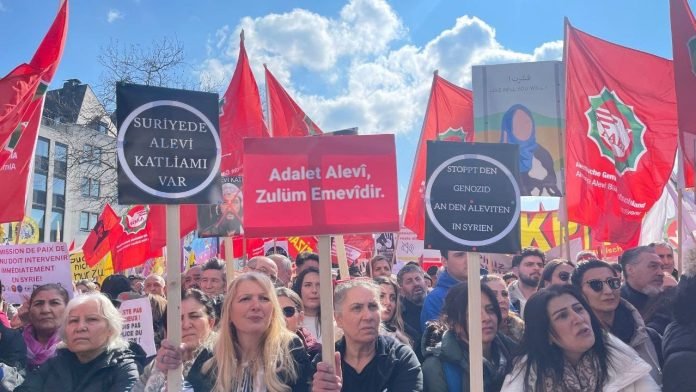
Yet the political transition remains unfinished. Syria’s new authorities must still demonstrate that they can govern a highly fragmented country, protect minority communities and prevent armed factions from operating outside state control. The government’s ability to meet those expectations will determine whether the new economic access produces sustainable recovery.
What remains sanctioned
The end of comprehensive sanctions does not mean that every Syria-related restriction has disappeared.
The United States continues to maintain targeted sanctions against Assad, members of his former government, associates, human-rights abusers, individuals linked to forced disappearances and war crimes, captagon traffickers, and other actors considered destabilizing to the region.
OFAC has also warned that the rollback does not erase potential liability for past violations. Investigations and enforcement actions involving conduct that occurred before July 1, 2025, under the former Syria Sanctions Regulations, or before August 24, 2026, under the terrorism-list regulations, may continue.
Companies will therefore still need to screen business partners, shareholders, banks, contractors and shipments against US sanctions lists. Transactions involving sanctioned individuals or entities may remain prohibited even when the broader Syrian economy is no longer subject to comprehensive US restrictions.
Other countries may also retain their own Syria-related sanctions, export controls or restrictions. European, British and regional policies will not automatically change merely because Washington has revised its framework.
The reconstruction test
The sanctions rollback gives Syria greater legal access to international commerce, but it does not resolve the country’s underlying economic crisis.
Years of war damaged housing, electricity networks, transport infrastructure, hospitals, schools and industrial capacity. Syria also faces a weak currency, unemployment, displacement and large-scale humanitarian needs. Removing US sanctions can reduce legal uncertainty, but rebuilding the economy will require functioning institutions, reliable payments systems, security and substantial external financing.
For international businesses, the next phase will likely involve cautious, highly structured engagement rather than an immediate rush of investment. Banks may require enhanced due diligence, while large infrastructure projects may depend on political-risk insurance and guarantees from governments or multilateral institutions.
The decision nevertheless changes the framework in which those calculations are made. For the first time in decades, Syria’s government and private sector can seek international commercial relationships without the country’s State Sponsor of Terrorism designation serving as a central legal barrier.
The outcome will depend on whether al-Sharaa’s government can convert diplomatic recognition and sanctions relief into accountable governance, security and economic opportunity. The United States has opened the door to Syria’s reintegration. Damascus must now persuade the world that it can walk through it.