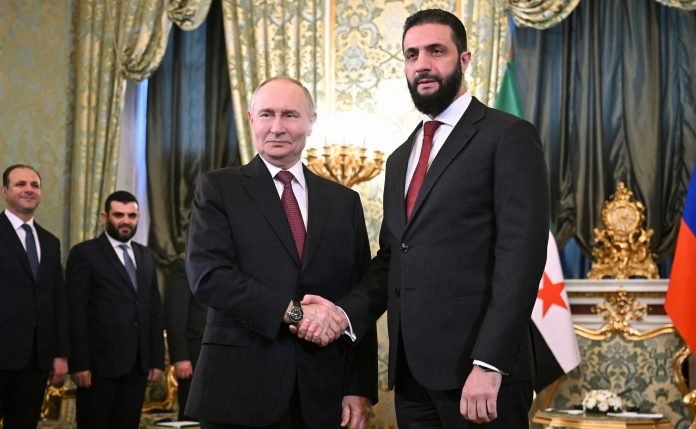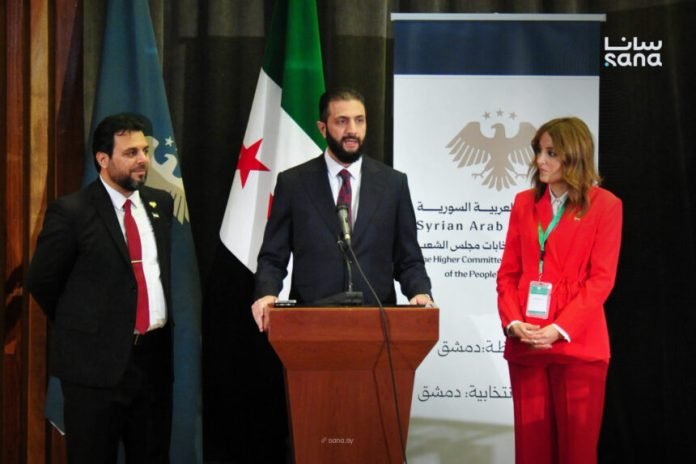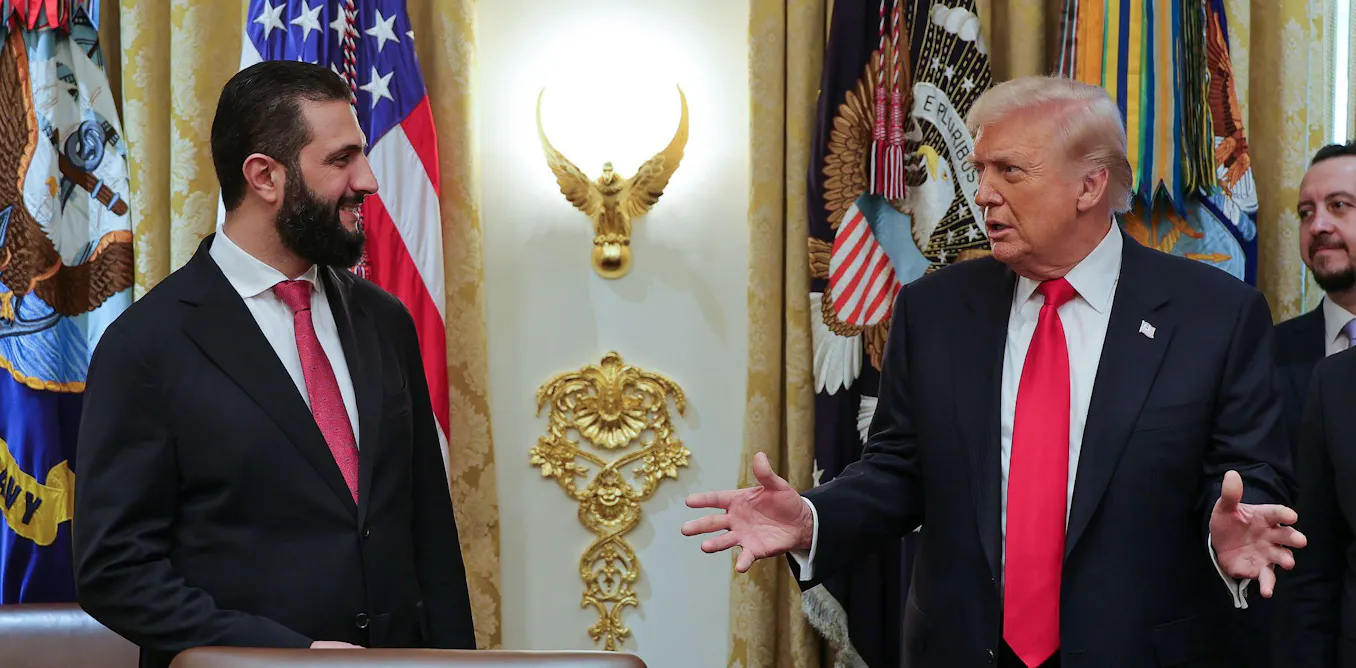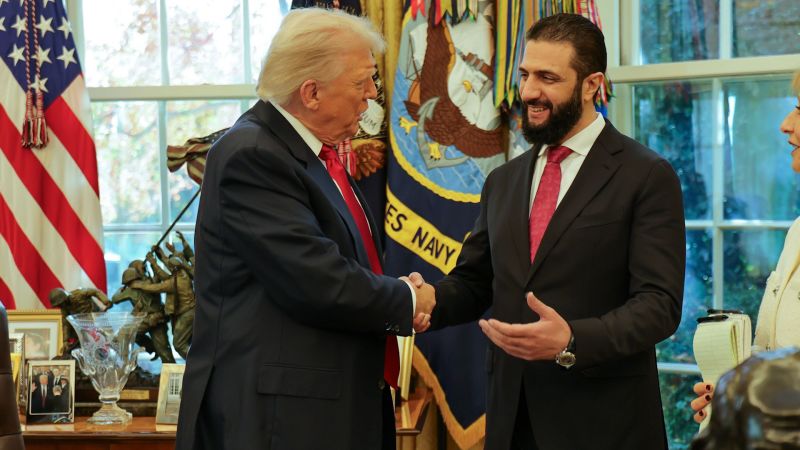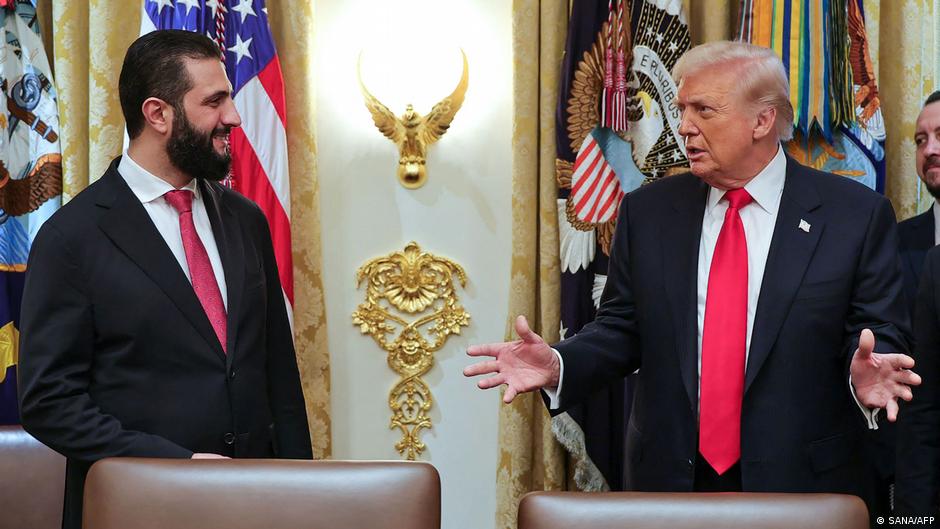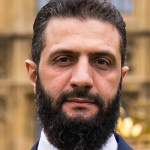
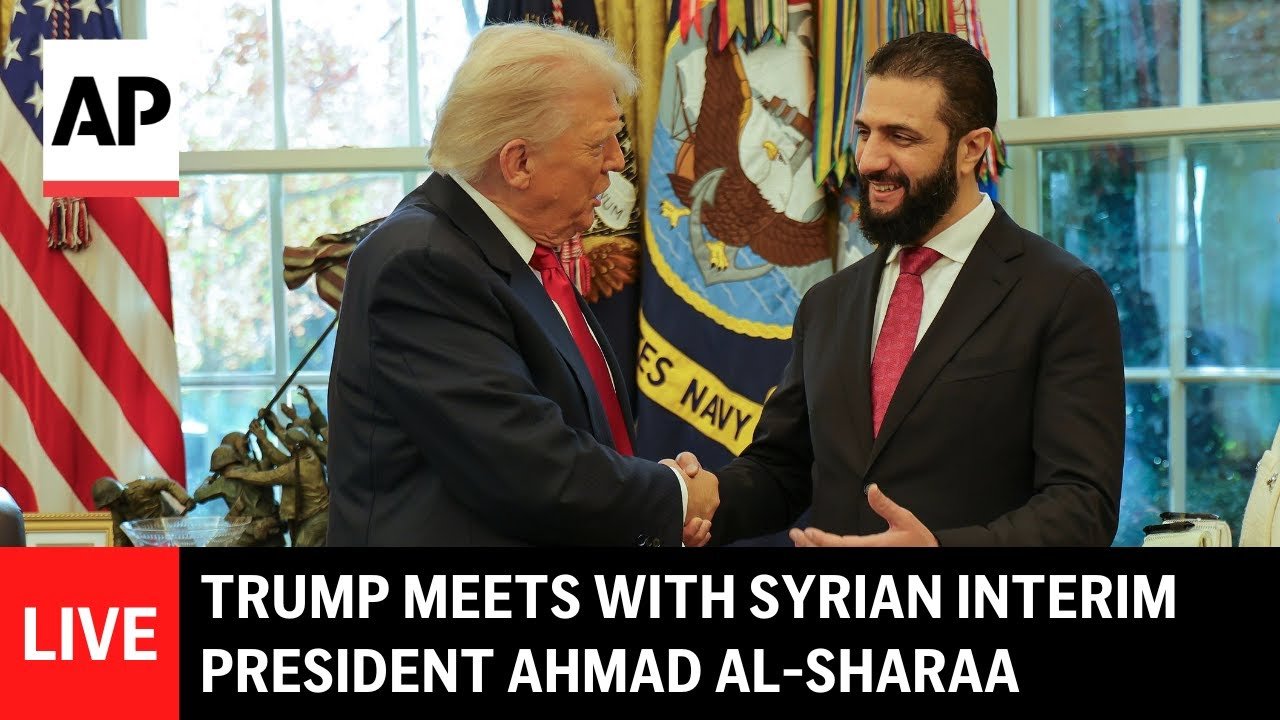
Syrian President Ahmed al-Sharaa’s visit to the White House on November 10, 2025, marked a historic turning point in US-Syria relations. It was the first visit by a Syrian head of state to the White House since Syria’s independence in 1946, signaling a major reset in ties between Washington and Damascus.
The meeting was unprecedented given al-Sharaa’s past as an insurgent with ties to al-Qaeda and the former US bounty on his head. The US had removed his terror designation just days before the visit, underscoring how quickly the diplomatic landscape had shifted.
After the talks, Syria agreed to join the Global Coalition Against Daesh, strengthening cooperation on counterterrorism. The U.S. also extended a 180-day suspension of most sanctions, while a full repeal of the Caesar Act still depended on Congress.
“Rough pasts”
Trump praised al-Sharaa as a “tough guy” and “strong leader,” saying the US would do everything it could to help Syria succeed. He also framed the moment as part of a broader hope for peace in the Middle East, while noting that both leaders had “rough pasts.”
The meeting was still carefully managed. Al-Sharaa entered through a side door, and there was no joint press conference or formal photo opportunity, which suggested caution even amid the warmer tone.
We’ll do everything we can to make Syria successful, because that’s part of the Middle East. We have peace now in the Middle East – the first time that anyone can remember that ever happening.
US President Donald Trump on Syrian President Ahmed al-Sharaa
And people said he’s had a rough past. We’ve all had rough pasts.
Wider impact
The talks opened the door for Syria to resume operations at its embassy in Washington after an 11-year closure. They also put security coordination, reconstruction, and potential regional normalization at the center of the new relationship.
Discussions extended to a possible Syria-Israel security agreement as well. Al-Sharaa said his past links to al-Qaeda were not discussed, and both sides focused instead on Syria’s future as a political and economic partner.
Reactions
Internationally, the visit boosted al-Sharaa’s legitimacy and was widely seen as US recognition of a new regional order. Saudi Arabia and Qatar had already moved toward engagement, while the visit was read as a setback for Iran’s influence in Syria.
Israel reportedly remained wary, with Netanyahu said to have urged Trump not to ease sanctions. In Europe, governments and institutions began re-engaging more openly, viewing the White House visit as a door-opener for reconstruction and normalization.
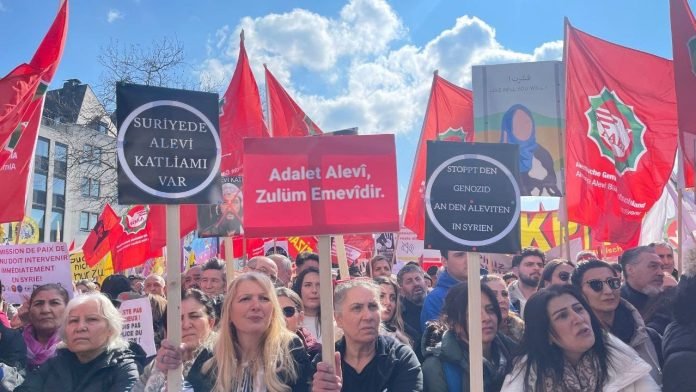
Inside Syria, supporters saw the trip as a major win for the new government’s standing abroad. At the same time, Kurdish-led forces and some Alawite communities remained uneasy about whether the new leadership would truly protect minorities and avoid sectarian reprisals.
Read also: Ex-jihadist leader Ahmed al-Sharaa becomes Syria’s president