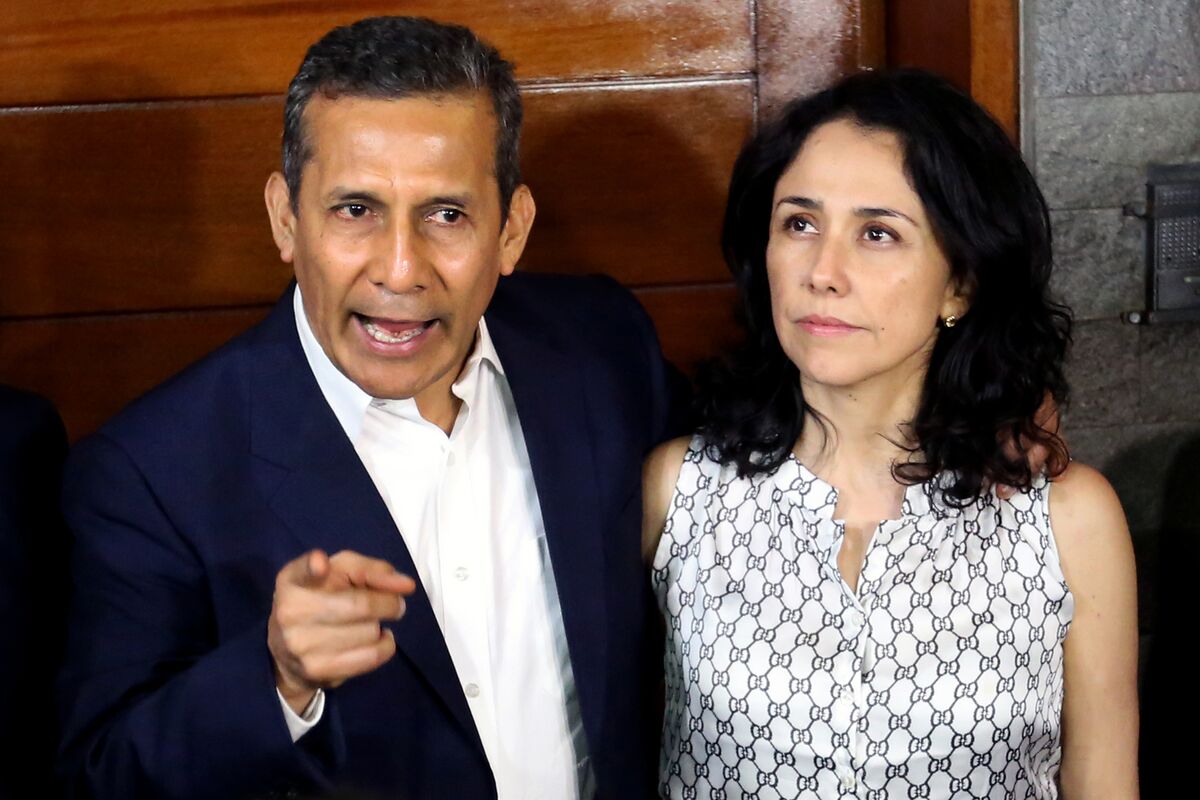
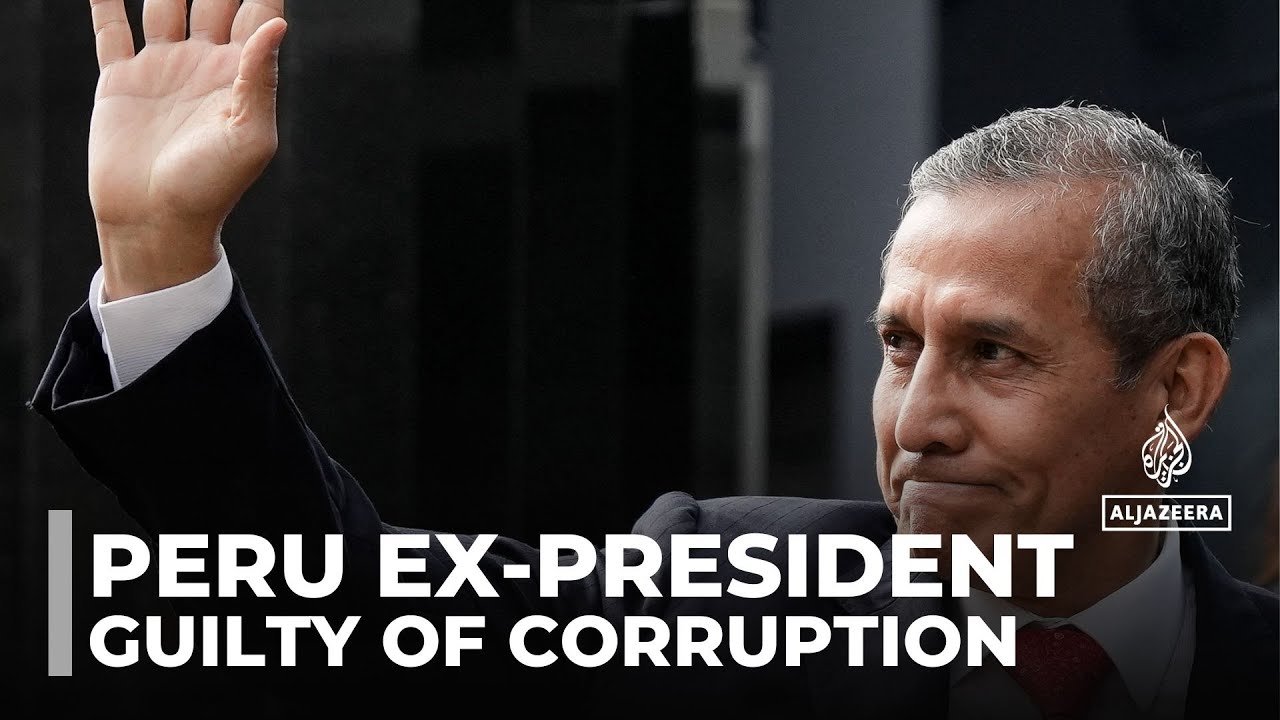
Former Peruvian President Ollanta Humala and his wife, Nadine Heredia, were sentenced in April 2025 to 15 years in prison for aggravated money laundering, making Humala the third former president in Peru to be jailed for corruption in the past two decades.
The court found the couple guilty of accepting illegal campaign contributions from Brazilian construction giant Odebrecht and the government of former Venezuelan President Hugo Chávez to finance Humala’s 2006 and 2011 presidential campaigns. Prosecutors said the pair received about $3million from Odebrecht and more than $200,000 from Venezuela.
Humala was taken into custody immediately after sentencing and is serving his sentence at Barbadillo Prison in Lima, where several former presidents have also been held. Heredia did not appear at the hearing and instead sought diplomatic asylum at the Brazilian embassy in Lima. She later received safe passage and traveled to Brasília in April 2025.
Humala’s legal team called the sentence excessive and said it would appeal.
Lava Jato fallout
The case is one of the most significant offshoots of the Lava Jato, or Operation Car Wash, corruption scandal that swept across Latin America. The investigation, which began in Brazil in 2014, uncovered a vast bribery-for-contracts system tied to state-owned oil giant Petrobras and construction firms such as Odebrecht. The scandal implicated multiple Peruvian leaders, including Alejandro Toledo, who was sentenced to 20 years in 2024, and Alan García, who died by suicide in 2019 as investigators closed in.
Peru’s anti-corruption team has remained active even as Brazil has shuttered its Lava Jato task force and seen several high-profile convictions overturned. By early 2025, Peruvian prosecutors had secured dozens of convictions and significant reparations through the investigation.
Heredia seeks to block extradition
In late 2025, Heredia formally asked Brazil’s Supreme Court to block any future extradition request from Peru. Her lawyers argued that key evidence used in her trial, including the Drousys and MyWebDayB systems, had already been rejected by Brazil’s Supreme Court as unreliable. They also said she requires ongoing cancer treatment in São Paulo.
Brazil granted Heredia diplomatic asylum in April 2025 under the 1954 Caracas Convention, after Peru provided safe passage for her departure. While Peru has said its judiciary may still seek her extradition, no formal request had been confirmed by Brazil’s Ministry of Justice as of late 2025.
Political and regional impact
Humala’s conviction underscores how deeply the Lava Jato scandal reshaped politics across Latin America, bringing down presidents, damaging major companies and fueling public distrust in political elites. In Peru, the case reinforced a pattern of presidential corruption prosecutions that has become one of the defining features of the country’s recent political history.
Read also:
Two former Peruvian presidents sentenced in two days
Peru impeaches Dina Boluarte amid crime surge
Peru impeaches José Jerí, picks Balcázar as interim president