


On November 27, 2025, the Supreme Court sentenced Pedro Castillo to 11 years, 5 months, and 15 days in prison for conspiracy to commit rebellion. The charges stem from his failed December 2022 attempt to dissolve the Peruvian Congress and rule by decree in a “self-coup”. He was also banned from holding public office for two years. He has been in custody since his initial arrest in 2022.
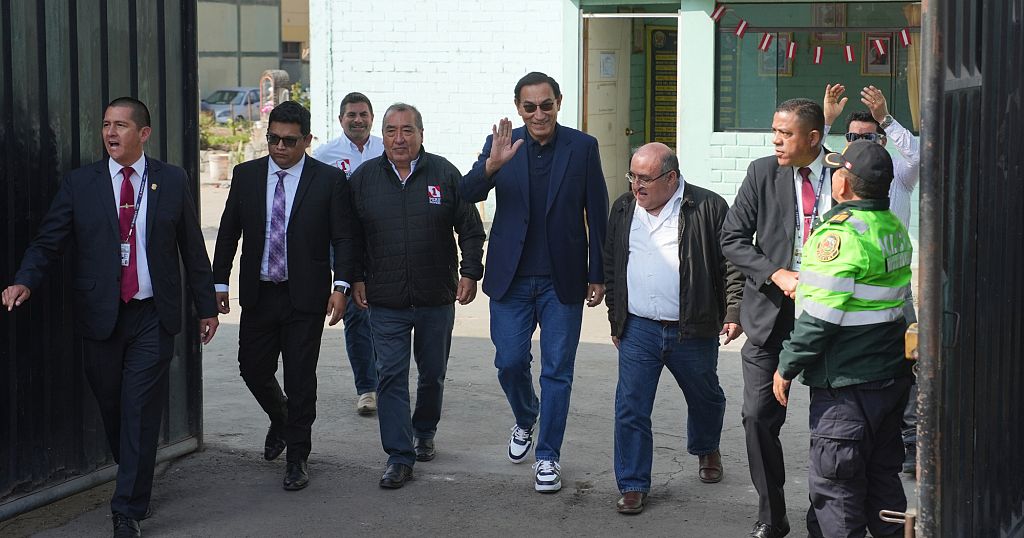
On Nov 26, 2025, just one day prior to Castillo’s sentencing, Martín Vizcarra was sentenced to 14 years in prison for bribery. The court found him guilty of accepting more than $600,000 in bribes from construction companies while serving as governor of the Moquegua region between 2011 and 2014.
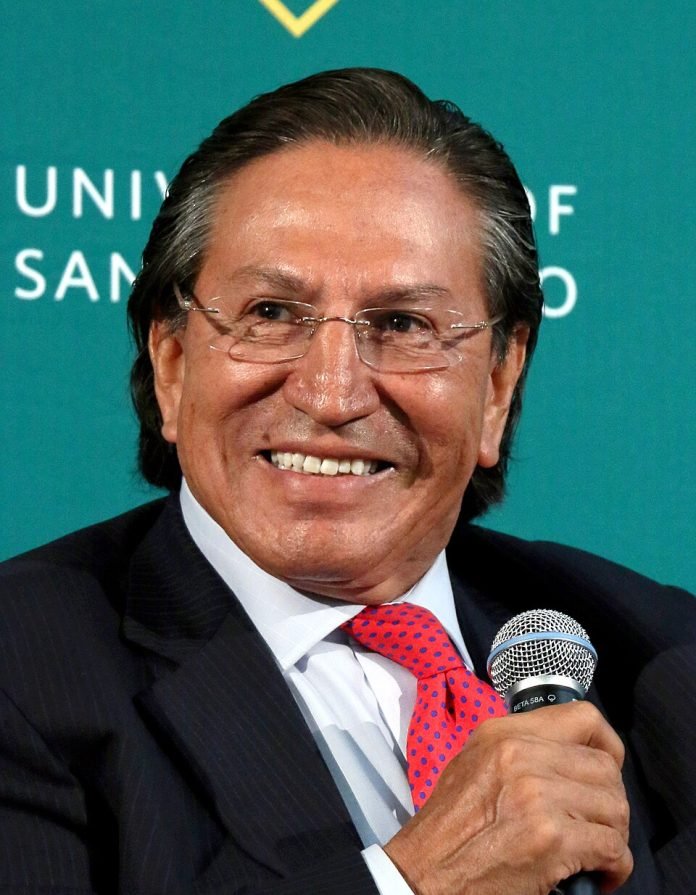
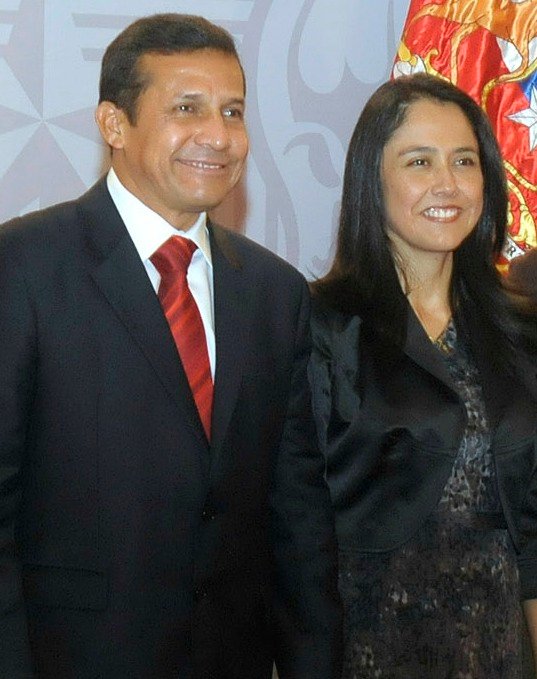
Both former leaders were sent to Barbadillo Prison in Lima, a specialized facility built to house former presidents. They join other former presidents currently serving time there, including Alejandro Toledo (serving 20 years for corruption) and Ollanta Humala (serving 15 years for money laundering).
Pedro Castillo: The 2022 “Self-Coup”
On December 7, 2022, facing an imminent third impeachment vote in Congress, Castillo delivered a televised address announcing the dissolution of Congress and the establishment of an “exceptional emergency government” to rule by decree. He ordered a nationwide curfew and the reorganization of the Judiciary and the Constitutional Court. His own ministers resigned immediately, and the military refused to support him.
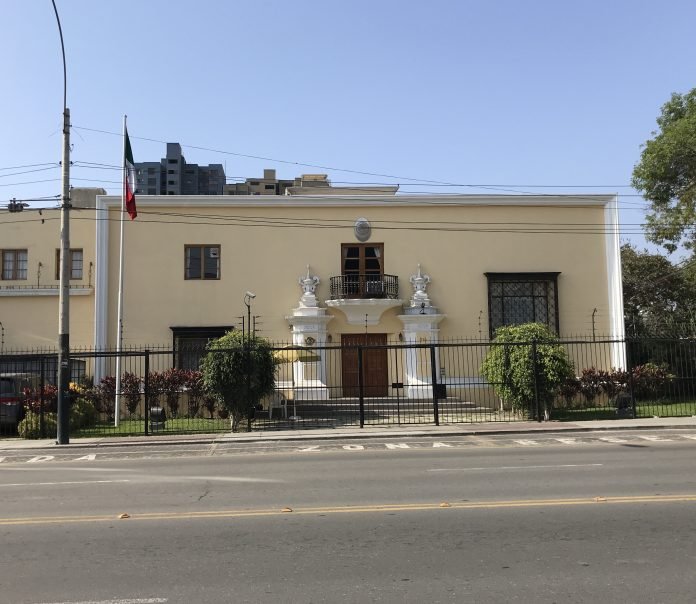
Castillo was arrested by his own police escort while attempting to flee to the Mexican Embassy for asylum He argued his remarks were a “political speech” and not an actual coup, claiming they were a response to a “hostile” Congress.
Martín Vizcarra: The Moquegua Bribery Case
Between 2011 and 2014, while serving as the Governor of the Moquegua region, Vizcarra allegedly accepted roughly $676,000 in bribes from construction companies. The court found he took payments in exchange for awarding contracts for two major public works: an irrigation system (Lomas de Ilo) and the construction of the Moquegua Hospital.
Prosecutors used testimony from company executives (notably from the “Construction Club” of firms) and matching phone and transactional data to prove he received a 2% “commission” on project values.
Vizcarra immediately took to social media to label the verdict “revenge” by a “mafioso pact” in Congress. He remains defiant, stating, “They will not break me”.
Me han sentenciado por enfrentar al pacto mafioso. No es justicia, es venganza. Pero no me van a doblegar. La respuesta está en las urnas. Mi hermano Mario Vizcarra continuará esta lucha por ustedes. El Perú es primero y nadie podrá silenciarlo.
— Martín Vizcarra (@MartinVizcarraC) November 26, 2025
Reactions
International commentators noted that Peru may hold a world record for the most former presidents behind bars simultaneously. Some see this as a sign of a strong, independent judiciary (“at least you get them in jail”), while others view it as a symptom of endemic corruption and a broken political system.
The situation remains tense with Mexico, which granted asylum to Castillo’s former Prime Minister, Betssy Chávez. Peru has described this as an “unfriendly act”, further straining regional ties.
Pedro Castillo’s sentencing
Many of his working-class and rural followers view him as a “political martyr”. His brother, José Castillo, stated the sentence was the price for “a man of the people” reaching the presidency. Supporters gathered outside Barbadillo prison to protest, maintaining his innocence.
Former ministers denounced the ruling as “revenge against a government of the people” and a “politically motivated trial”.
Many Peruvians condemned his 2022 actions as autocratic and compared them to Alberto Fujimori’s 1992 self-coup. While prosecutors had sought a much harsher 34-year sentence, the court’s decision to convict on “conspiracy” rather than full rebellion was seen as a moderate legal middle ground.
Martín Vizcarra’s sentencing
Vizcarra remains a complex figure; he enjoyed massive popularity (over 77% approval) during his presidency for challenging the unpopular Congress. His sentencing sparked accusations of “lawfare” among those who believe the judiciary is being used to settle political scores.
Because the sentence includes a ban from public office, Vizcarra’s brother, Mario Vizcarra, announced he would run in his stead for the next election to carry on the “struggle”.


Read also:
Peru impeaches José Jerí, picks Balcázar as interim president
Peru impeaches Dina Boluarte amid crime surge


)
