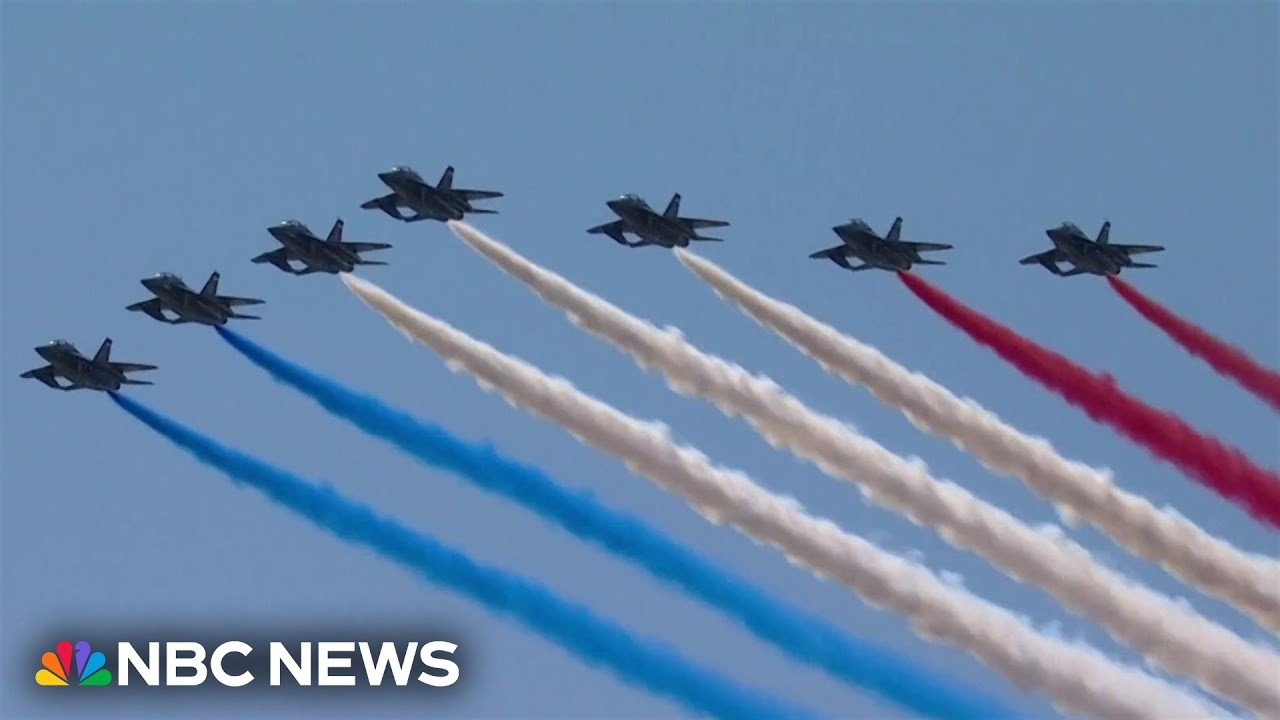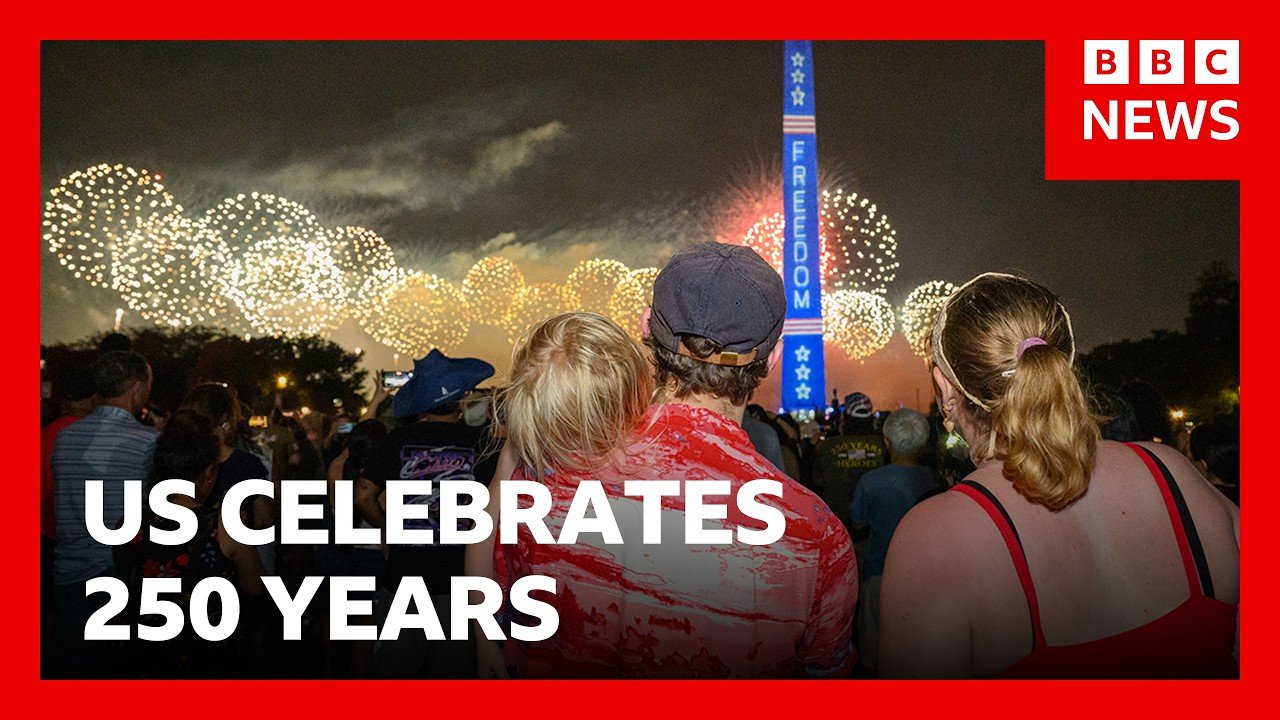


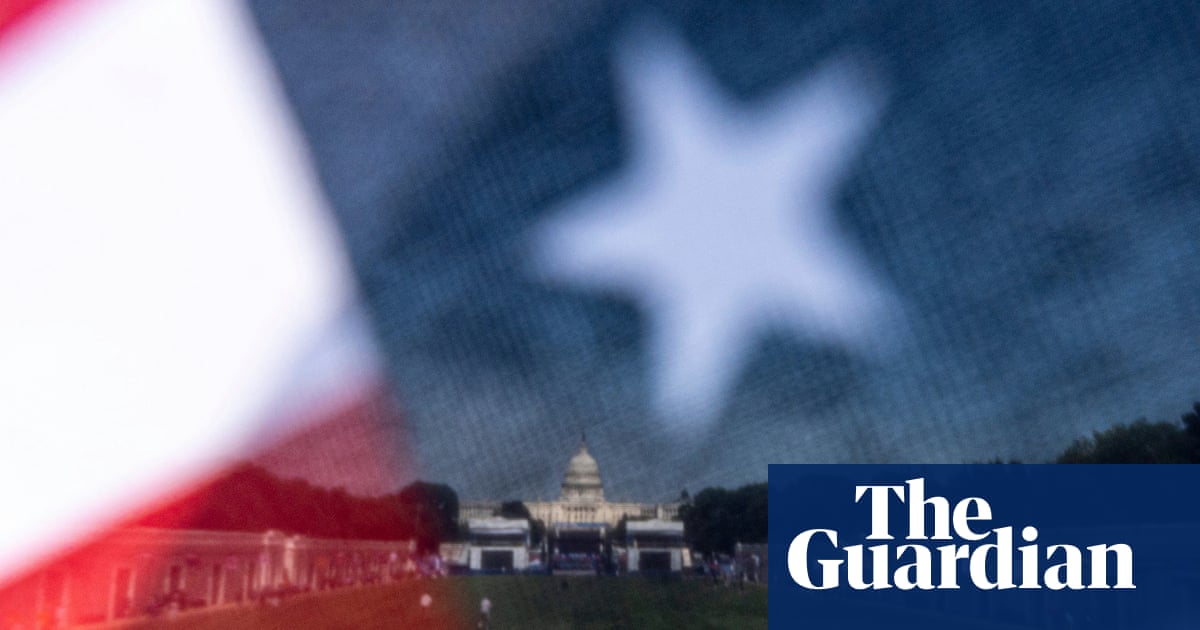

The United States marked its 250th anniversary of independence on July 4, 2026, with a weekend of official ceremonies, fireworks, military pageantry and weather-related disruptions that affected celebrations across the country.
The semiquincentennial, commemorating 250 years since the signing of the Declaration of Independence in 1776, became a showcase for both national pride and political conflict.
Lead-up cancellations
A severe heat wave forced organizers to cancel or scale back dozens of America250 and Independence Day events in the days before July 4.
Philadelphia canceled its semiquincentennial parade, Washington’s Independence Day parade was called off, and other events in places including Delaware, Maryland, New Jersey, New York, Pennsylvania, Virginia, Colorado and Massachusetts were also affected.
In some cities, officials warned that extreme temperatures and wildfire risk made outdoor gatherings unsafe, while other celebrations were shortened, moved indoors or adjusted for public safety. The cancellations underscored how vulnerable the anniversary programming was to the weather, despite the scale of the national buildup.
Trump’s address
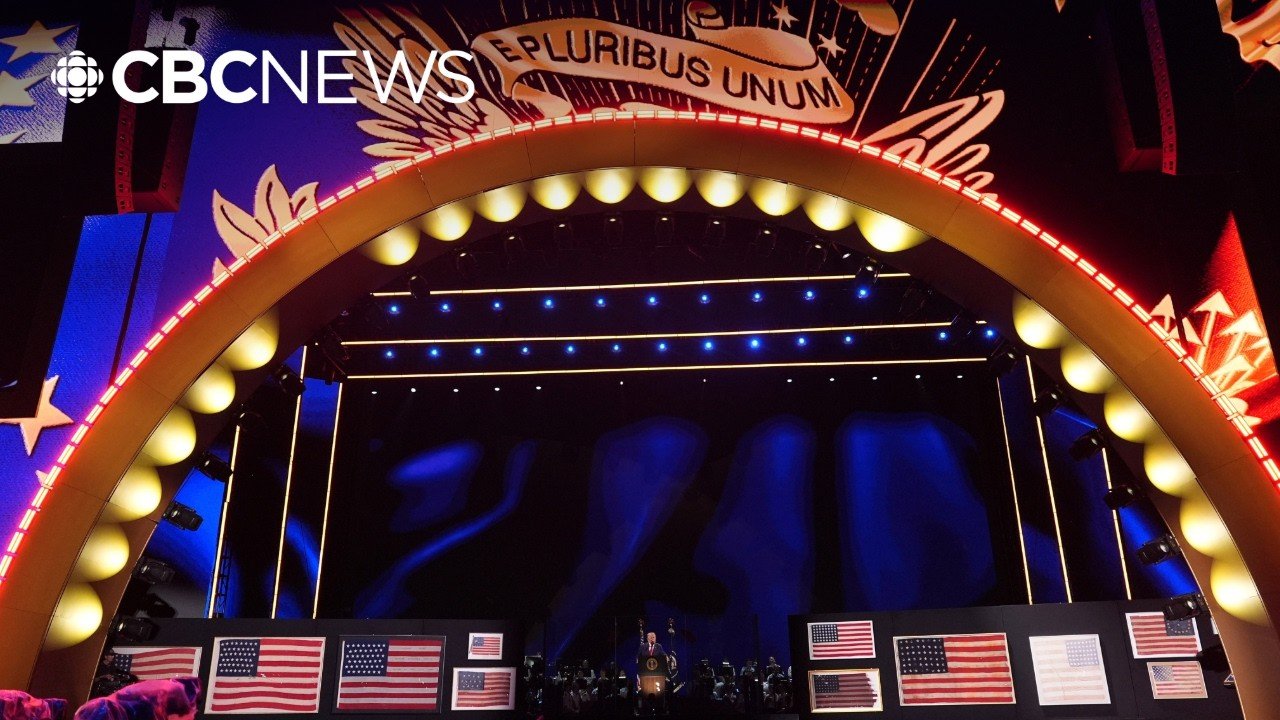
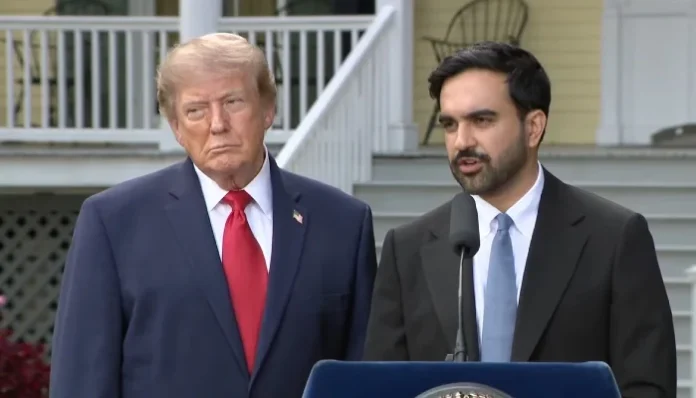
In Washington, President Donald Trump delivered the centerpiece speech of the day after storms forced a roughly two-hour evacuation of the National Mall. The address, delivered as part of the “Salute to America” event, mixed patriotic celebration with familiar Trump themes: military strength, national pride, historical reverence and attacks on political opponents.
Trump framed the anniversary as proof of American greatness, praising the Founders and presenting the nation’s history as a triumph of courage, liberty and destiny. Coverage described the speech as unusually historical in tone for Trump, but still unmistakably political, with references to Democrats and “communism” woven into the remarks.
American exceptionalism
The speech also drew on the idea of American exceptionalism, the belief that the United States is historically unique and has a special role in the world. In that tradition, America is portrayed not just as powerful, but as morally distinct because of its founding ideals, constitutional system and self-image as a beacon of liberty.
Trump’s version of that idea was more combative than ceremonial. He cast the country’s greatness as something under threat from internal enemies and political division, turning a familiar civic theme into a sharper argument about national identity and cultural conflict.
Reactions to the speech
Reactions to Trump’s remarks were split. Supporters welcomed the patriotic tone and the references to history and the military, while critics said the speech felt more like a campaign rally than a unifying national address. Live coverage described the event as a blend of presidential ceremony and Trump-style political theater.
That tension shaped the overall tone of the anniversary. What could have been a purely ceremonial moment instead became a vivid example of how deeply the semiquincentennial was entangled with current politics.
Global recognition
The anniversary also drew a wave of international congratulations, extending the semiquincentennial beyond a domestic celebration. Reports named Xi Jinping, Ursula von der Leyen, Pope Leo XIV, Polish President Karol Nawrocki, Sheikh Mohamed bin Zayed of the United Arab Emirates, Ukrainian President Volodymyr Zelensky, Russian President Vladimir Putin, the British Royal Family, NATO Secretary General Mark Rutte and Israeli Prime Minister Benjamin Netanyahu among those who sent messages or public tributes.thehill+1
Several of the messages were more diplomatic than personal. Von der Leyen emphasized transatlantic ties, Zelensky tied his remarks to freedom and peace, and the British Royal Family framed the occasion as a shared milestone in the long relationship between the two countries.
That symbolism mattered because the 250th anniversary was not only about looking back at 1776. It also became a stage for showing how the United States wants to present itself now: as a historic republic, a political flashpoint and, in the language of exceptionalism, a nation still defining its place in the world.
🇺🇸 A message from His Majesty The King to President Trump and the American people, as they mark 250 years of the United States Declaration of Independence.
— The Royal Family (@RoyalFamily) July 4, 2026
To read His Majesty’s message in full, visit https://t.co/fKZVORz7rk. pic.twitter.com/FOoWyRUBfS
I extend my heartfelt congratulations to all Americans on the occasion of the 250th anniversary of the signing of the Declaration of Independence. This anniversary stands as an invitation not only to celebrate the nation’s remarkable journey, but also to reflect upon the…
— Pope Leo XIV (@Pontifex) July 4, 2026
— Emmanuel Macron (@EmmanuelMacron) July 4, 2026
Spoke to President Trump to convey my congrats on America’s 250 years of independence. Wishing all Americans a happy Independence Day!https://t.co/RZLRbbv1TB
— Mark Rutte (@SecGenNATO) July 4, 2026
📷 photo: Virginia Mayo / Associated Press pic.twitter.com/cUzQVGevCv
Today, we join our American friends in celebrating 250 years of independence.
— Ursula von der Leyen (@vonderleyen) July 4, 2026
The Declaration of Independence gave birth to a new nation founded on the ideals of liberty and the pursuit of happiness.
For 250 years, our transatlantic partnership has been shaped by our shared…
I have congratulated President Trump @POTUS and all Americans on the Independence Day. We’ve had a very good phone call.
— Volodymyr Zelenskyy / Володимир Зеленський (@ZelenskyyUa) July 4, 2026
We are grateful to the United States for all the assistance we have received – from Javelins and Patriots to political support – and we deeply value that… pic.twitter.com/FKAPdpvnSN
Wider commemoration
America250’s broader programming continued through the year, with the National Park Service, the National Archives and local commissions staging exhibits, educational events and historical displays. The official “America’s Time Capsule” project, sealed in advance of July 4 in Philadelphia, is scheduled to be reopened in 2276.
Taken together, the semiquincentennial was both celebratory and contested: a national birthday marked by storms, cancellations, political messaging and global attention. It showed how a milestone rooted in the nation’s founding ideals can still become a mirror for its present divisions.