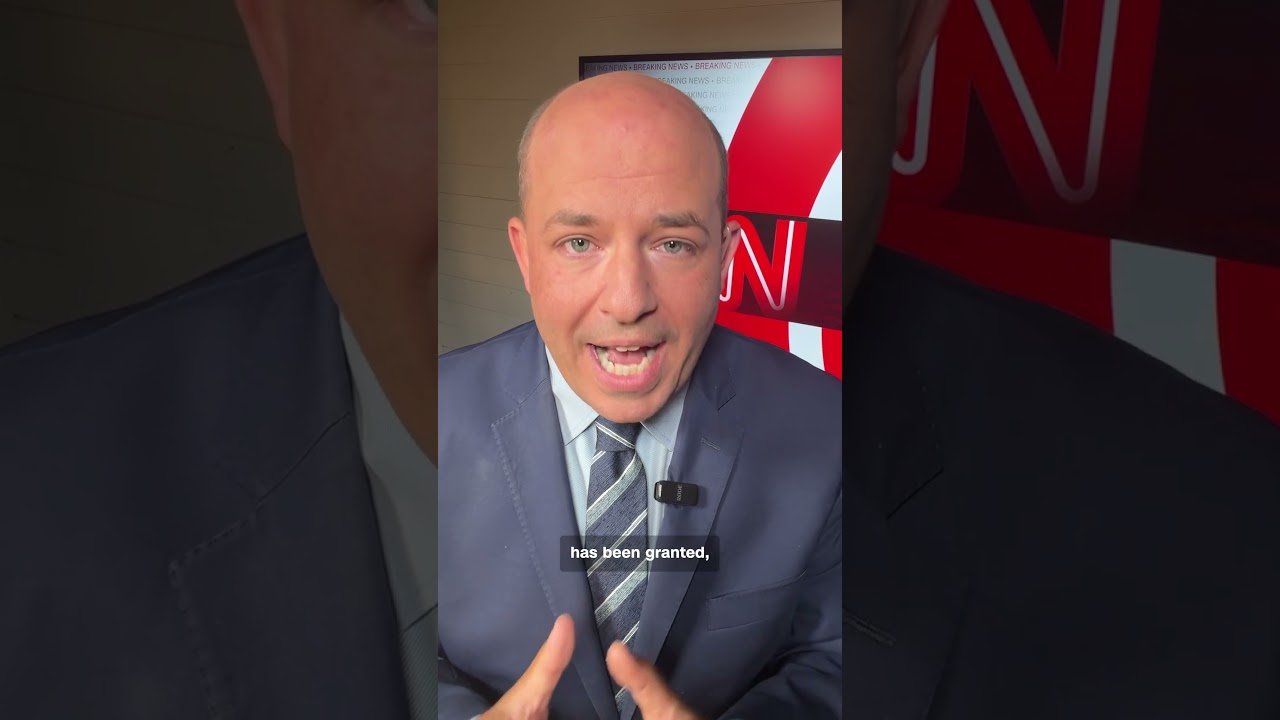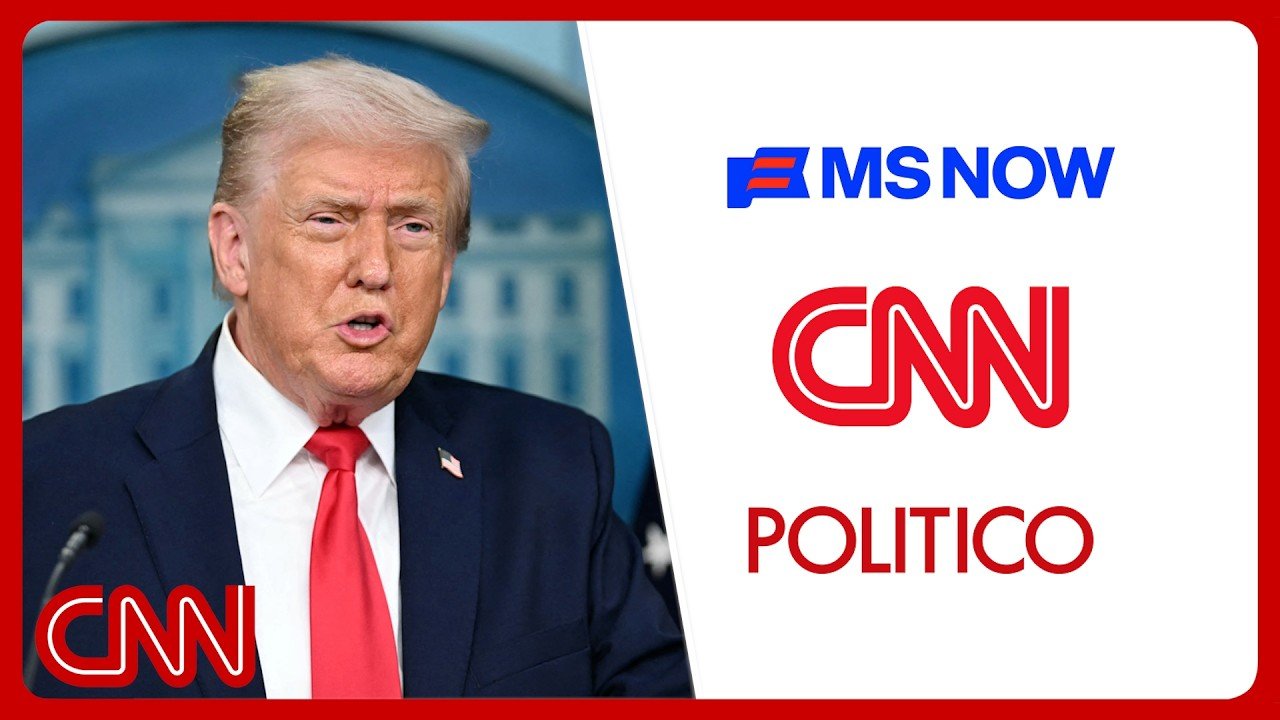






A temporary court order has halted President Donald Trump’s attempt to bar three news organisations from the White House, but the dispute escalated again when CNN was excluded from Air Force One.
A federal judge has ordered the Trump administration to immediately restore White House press access for CNN, MS NOW and Politico, finding that the outlets were likely denied their constitutional rights when their press credentials were revoked without adequate due process.
U.S. District Judge Timothy J. Kelly issued the 14-day temporary restraining order in the early hours of September 24, 2026, after the three organisations filed a joint lawsuit challenging the ban. The order requires the administration to “immediately return, reinstate, and restore” the journalists’ credentials.
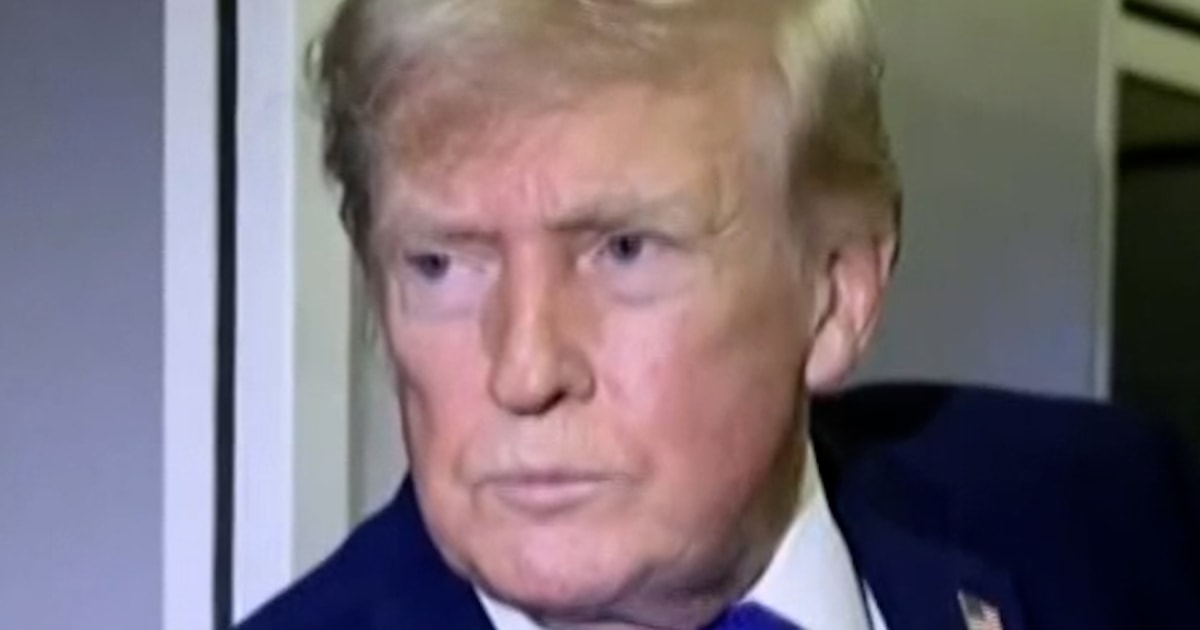
The ruling temporarily reversed a White House decision announced by President Donald Trump on September 18. Trump had accused the three outlets of publishing “fiction or lies” and “fake news”, while the administration later argued in court that their reporting posed a national-security risk.
Judge Kelly rejected that explanation as unsupported by the evidence presented so far. He wrote that the government had not provided classified or unclassified material explaining how the reporting cited in its letters to the outlets had damaged national security.
A ban announced as media punishment
Trump announced the restrictions on social media, saying CNN, MS NOW and Politico would no longer be permitted on White House grounds. The decision affected journalists whose permanent “hard passes” allowed them to work inside the executive complex.
The outlets argued that the administration had retaliated against them because of their editorial coverage of the president. Their lawsuit alleged violations of both the First Amendment’s protections for freedom of the press and the Fifth Amendment’s due-process guarantee.
During an emergency hearing, Justice Department lawyer Michael Velchik argued that access to the White House was a privilege rather than a constitutional right. He also maintained that national-security concerns justified the restrictions.
Lawyer Theodore Boutrous Jr., representing the media organisations, disputed that explanation. He argued that national security was introduced only after the outlets challenged the ban in court, rather than being the administration’s original reason for imposing it.
Judge Kelly was unconvinced by the government’s shifting rationale. In his order, he said the court was sceptical that national security was the administration’s actual motivation or that revoking the journalists’ credentials advanced national security.
The judge also noted that several of the stories cited by the administration were months or years old, and that some had not been written by reporters holding White House hard passes. He found no evidence of an urgent threat that would have justified bypassing notice and an opportunity for the outlets to respond.
Reporters initially turned away
The administration did not restore access immediately after the ruling.
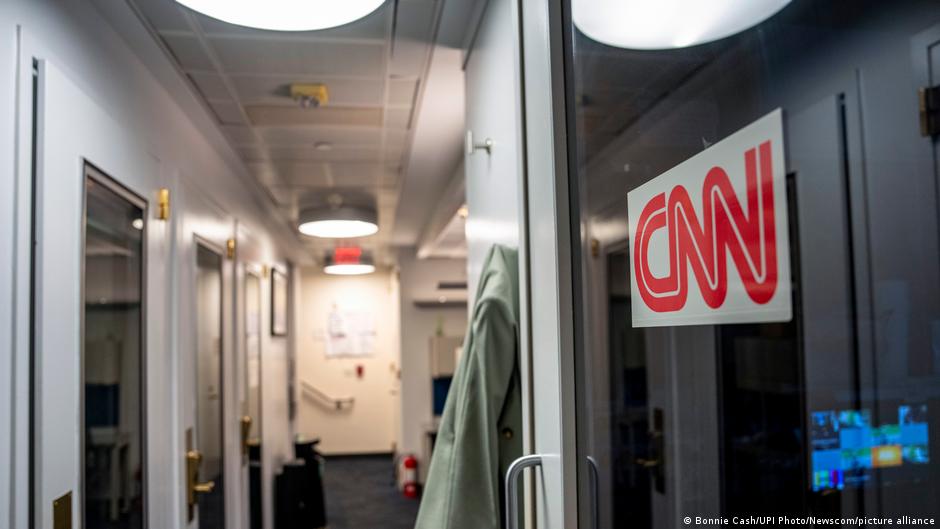
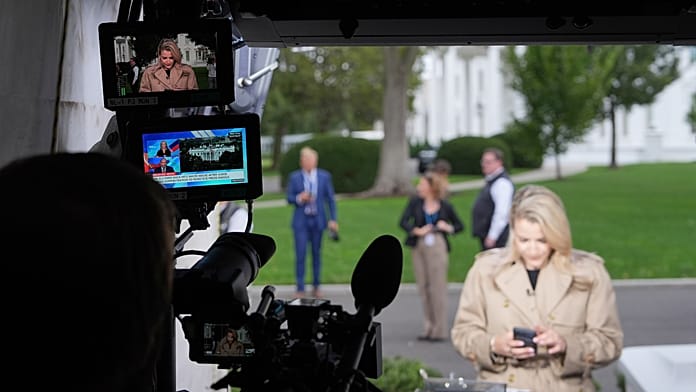
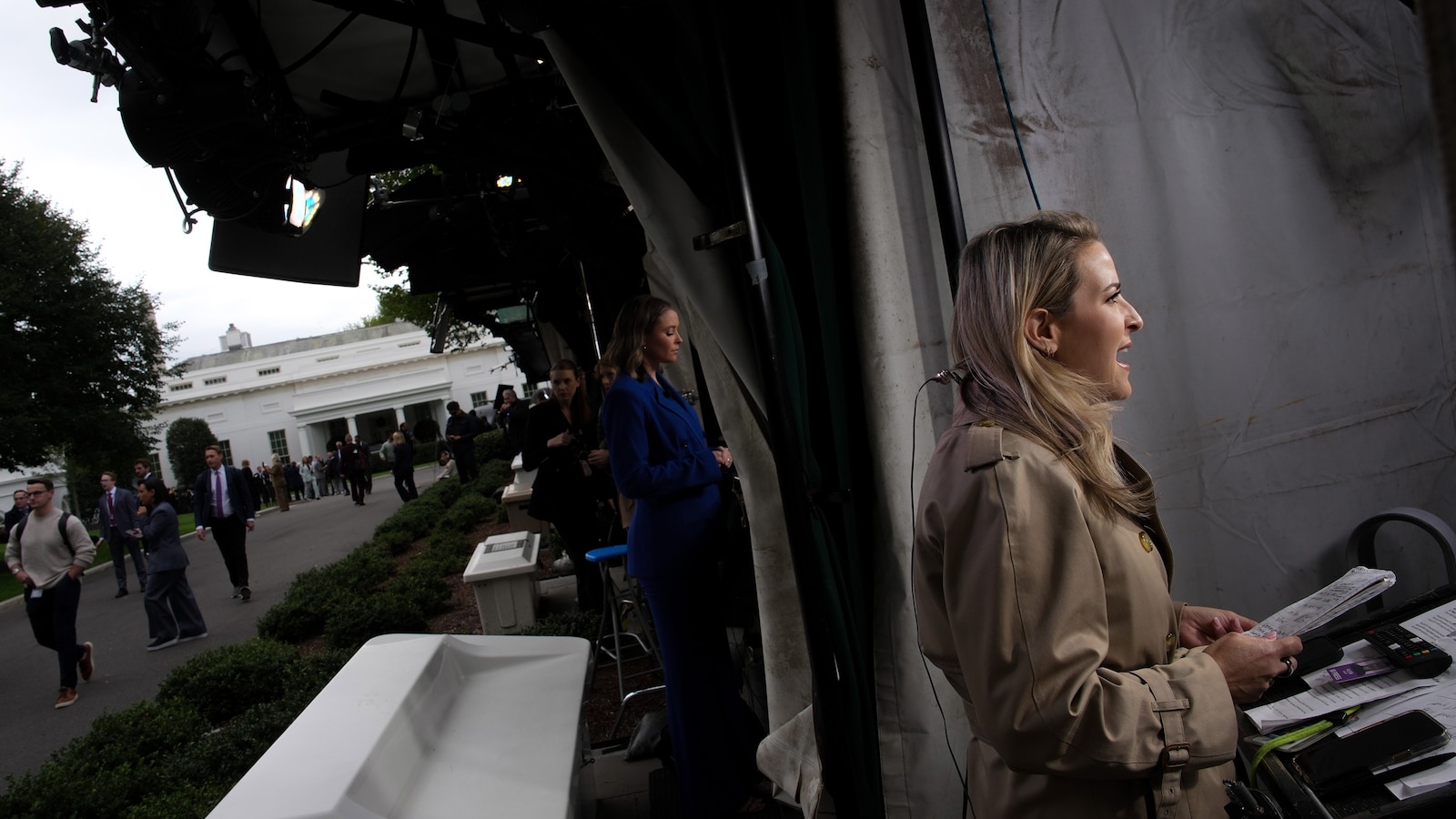
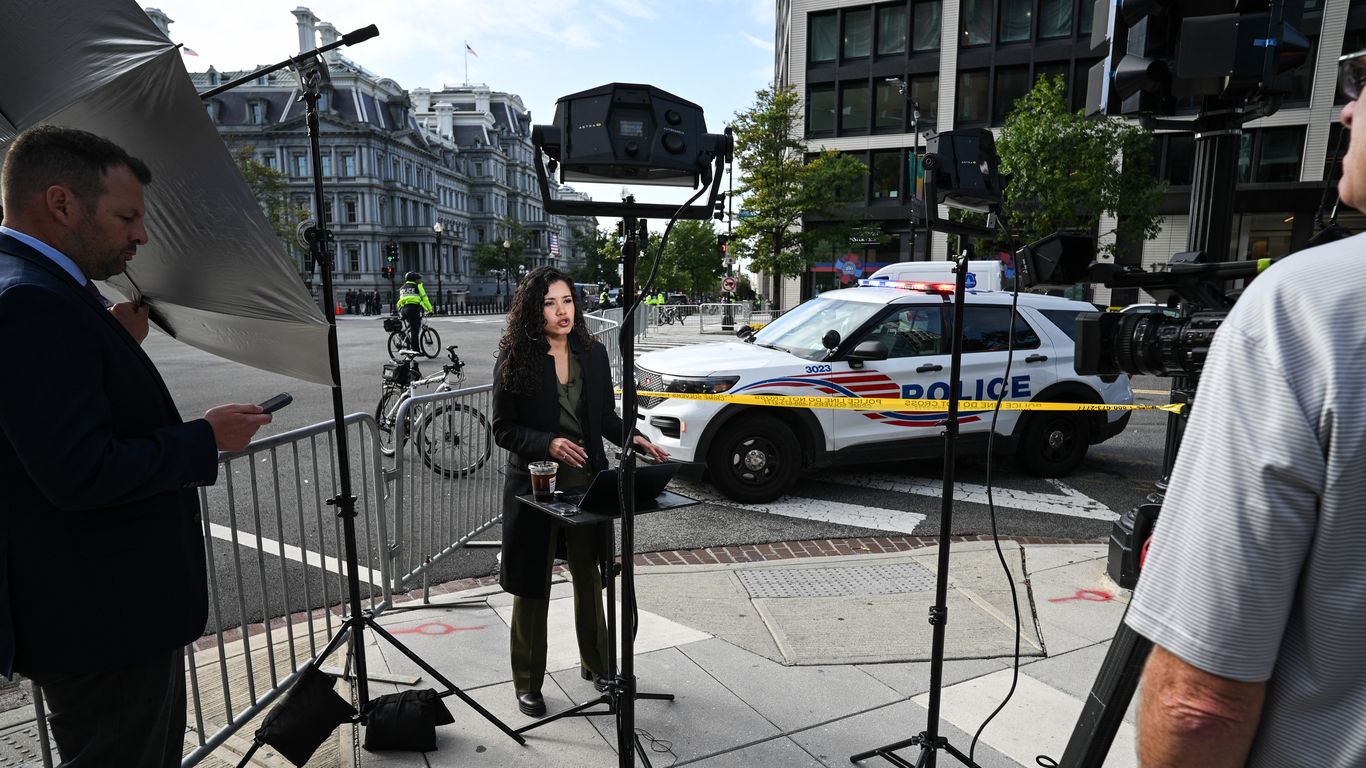
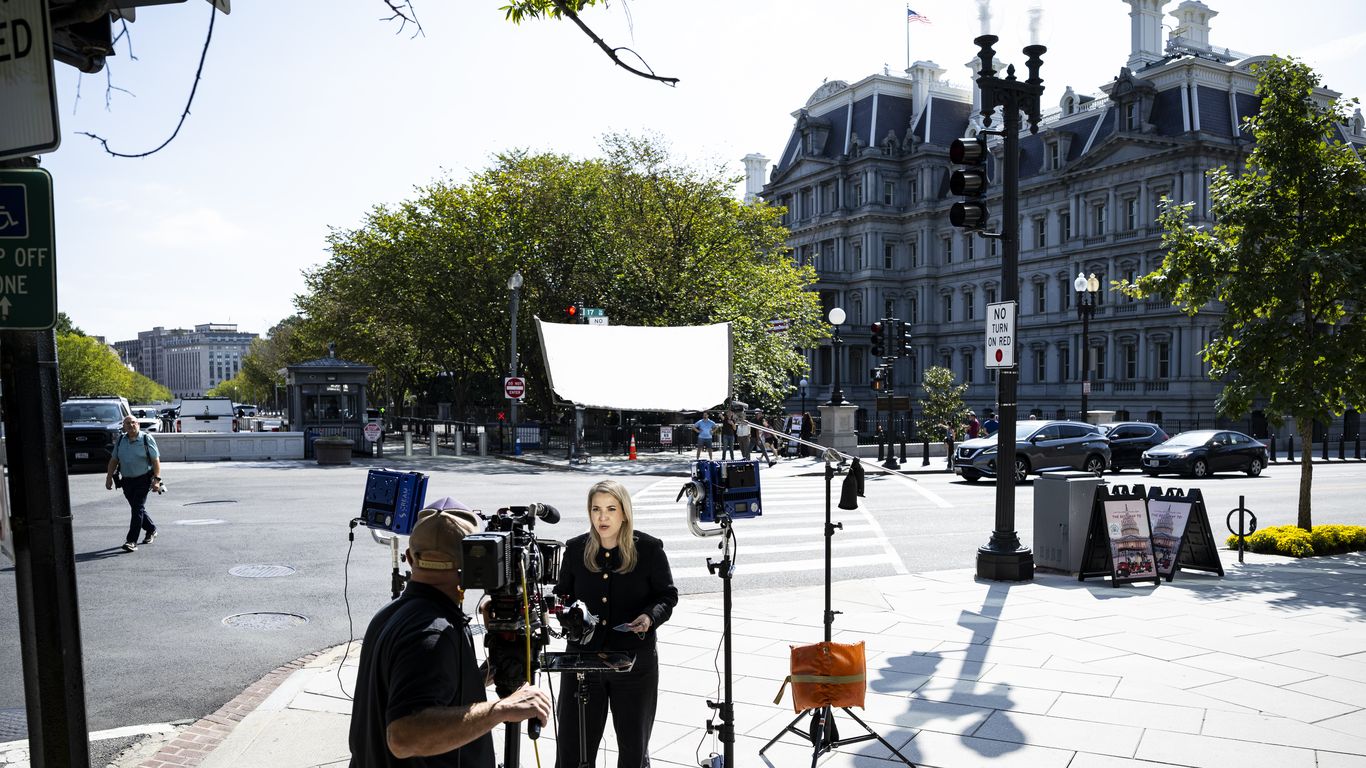
Reporters from CNN, MS NOW and Politico were initially denied entry to the White House on the morning of September 24, despite the court’s instruction that their credentials be restored. The organisations sought an emergency hearing, prompting the judge to order the administration to explain its position by 12:30 p.m. Eastern time.
White House press operations officials later said they began restoring access after receiving notice of the ruling at about 7:10 am. The process took nearly three hours. The journalists were eventually allowed back onto the grounds around midday.
The episode added a second layer to the legal dispute: not only whether the ban itself was lawful, but whether the administration had complied with the court order.
By Friday, September 25, the three outlets had resumed normal access and television-pool operations had restarted. The return came after several days in which major presidential events received no standard shared television coverage.
Television pool collapses
CNN is one of five major television organisations that rotate responsibility for recording and distributing video from presidential events. The other members are ABC, CBS, NBC and Fox News.
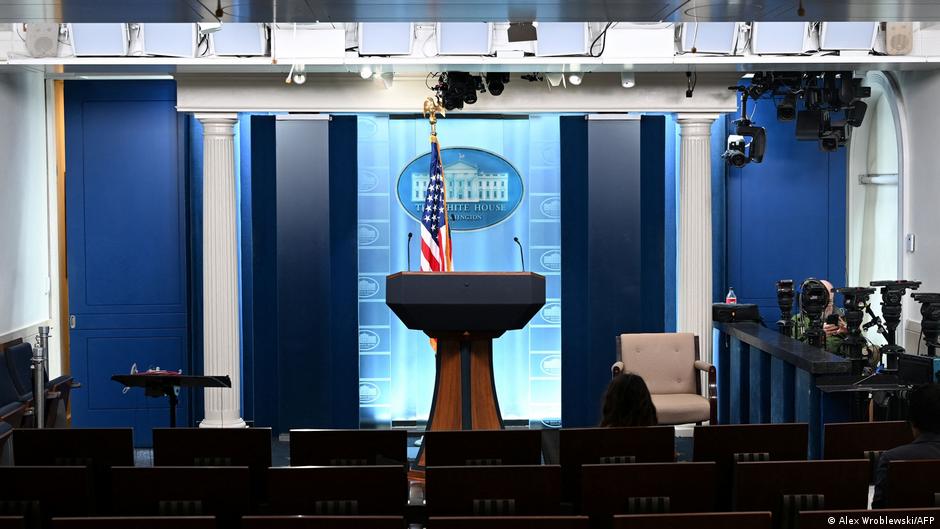
When CNN was barred from the White House, the other four organisations declined to take part in the pool in a show of solidarity. The result was an unusual interruption in the regular system used by television networks to share footage of the president.
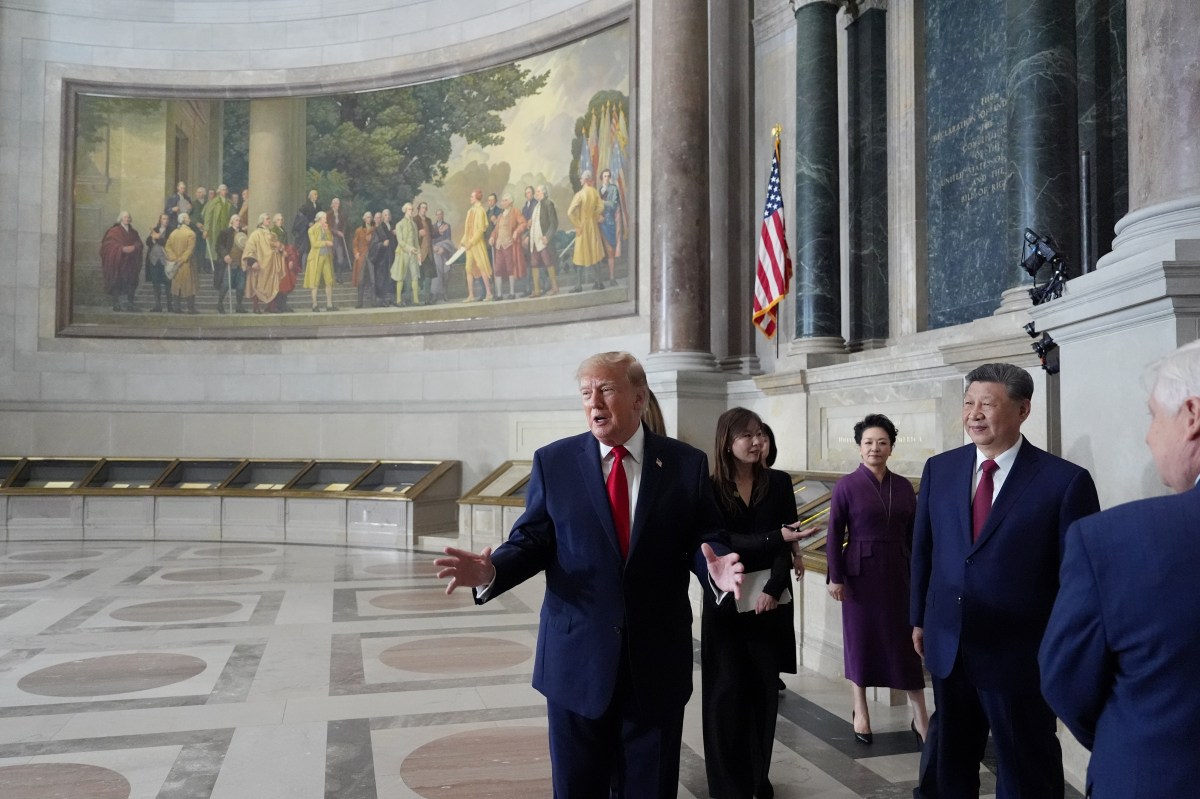
The blackout occurred during a particularly significant period, including events connected to the United Nations General Assembly and a high-profile visit by Chinese President Xi Jinping. Without the pool, broadcasters were left without the customary shared video feed from some presidential appearances.
The dispute therefore extended beyond the three organisations named in Trump’s announcement. It affected the wider press corps, broadcasters that normally depend on pooled access and the public’s ability to watch the administration’s activities through independent news coverage.
CNN removed from Air Force One
The legal victory did not end the confrontation.
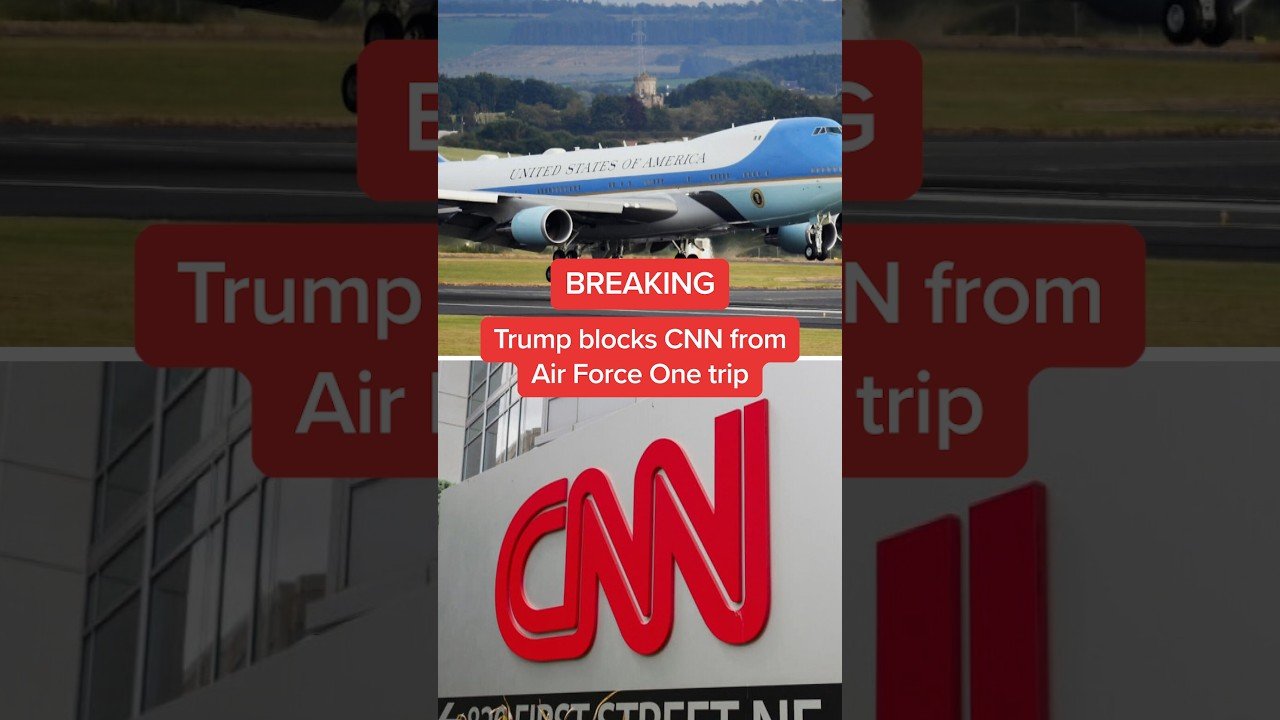
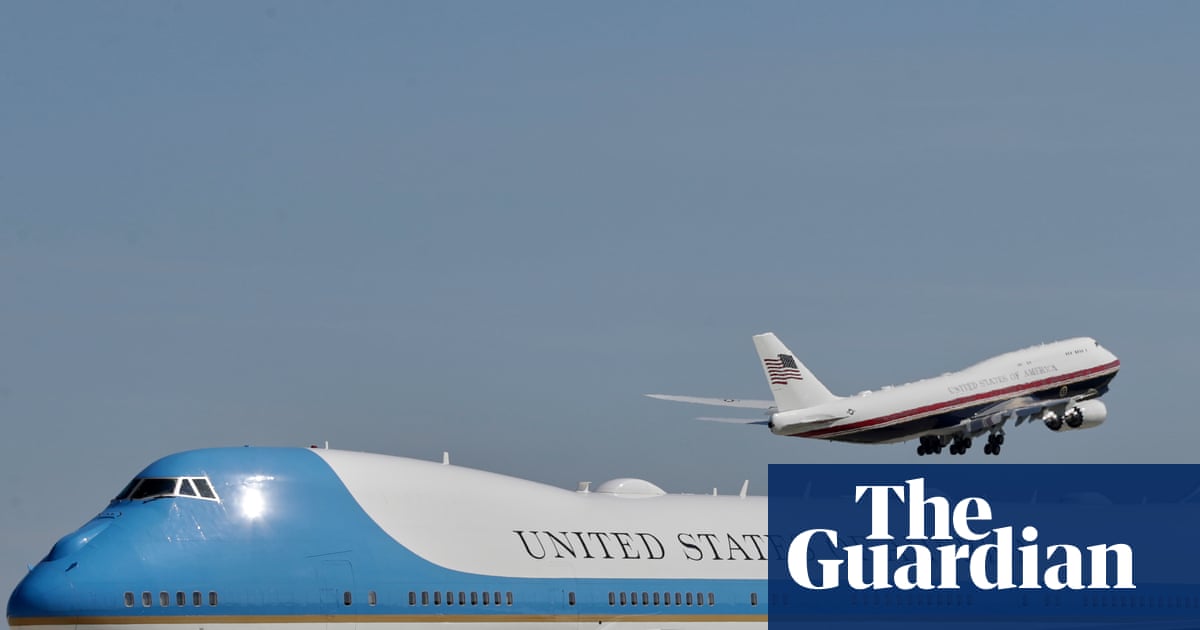
On September 26, the White House excluded CNN from Air Force One for Trump’s trip to Knoxville, Tennessee, where he was scheduled to attend a college-football game between the University of Tennessee and the University of Texas. CNN had been expected to occupy the television-pool seat on the presidential aircraft.
Instead, White House guidance listed Real America’s Voice News, a conservative outlet, in CNN’s place. Real America’s Voice is not a member of the five-network television pool.
A written pool report later said there was no traditional television pool for the trip, although Real America’s Voice said it would make its footage available to other news organisations. The decision was announced only hours after CNN, MS NOW and Politico reporters had returned to the White House under Judge Kelly’s order.
The administration may argue that the ruling covered only the outlets’ hard passes for access to the White House grounds and did not specifically address Air Force One assignments or pool duties. The media organisations, however, have maintained that the order should protect their ability to perform their normal press-pool responsibilities as well.
The Air Force One decision has raised a new question in the case: whether the White House can comply formally with an order restoring building access while excluding one of the affected outlets from other forms of presidential coverage.
What happens next
Judge Kelly’s restraining order is temporary. The outlets must seek a preliminary injunction if they want access protections to remain in place while the broader lawsuit proceeds.
The judge gave CNN, MS NOW and Politico until September 28 to file that request. The administration is due to respond by October 2, with a final submission from the media organisations expected by October 5. The current order is scheduled to expire on October 8.
The Justice Department has also challenged the legal framework governing White House press credentials. In court filings, the administration argued that a long-standing precedent requiring due process before press access is revoked should be overturned.
That argument could take the dispute beyond the immediate question of CNN, MS NOW and Politico. If the case advances through the appeals courts, it could test how much discretion a president has to control access to the White House and whether journalists can be excluded because of the perceived tone or accuracy of their reporting.
For now, the administration must allow the three organisations to work from the White House under the judge’s temporary order. But CNN’s removal from Air Force One suggests that the practical fight over access is continuing even as the court considers the larger constitutional questions.
The case has become a major test of whether the government can punish or restrict news organisations over hostile coverage—and whether restoring a press pass is enough if journalists remain excluded from the systems through which the public receives presidential news.