

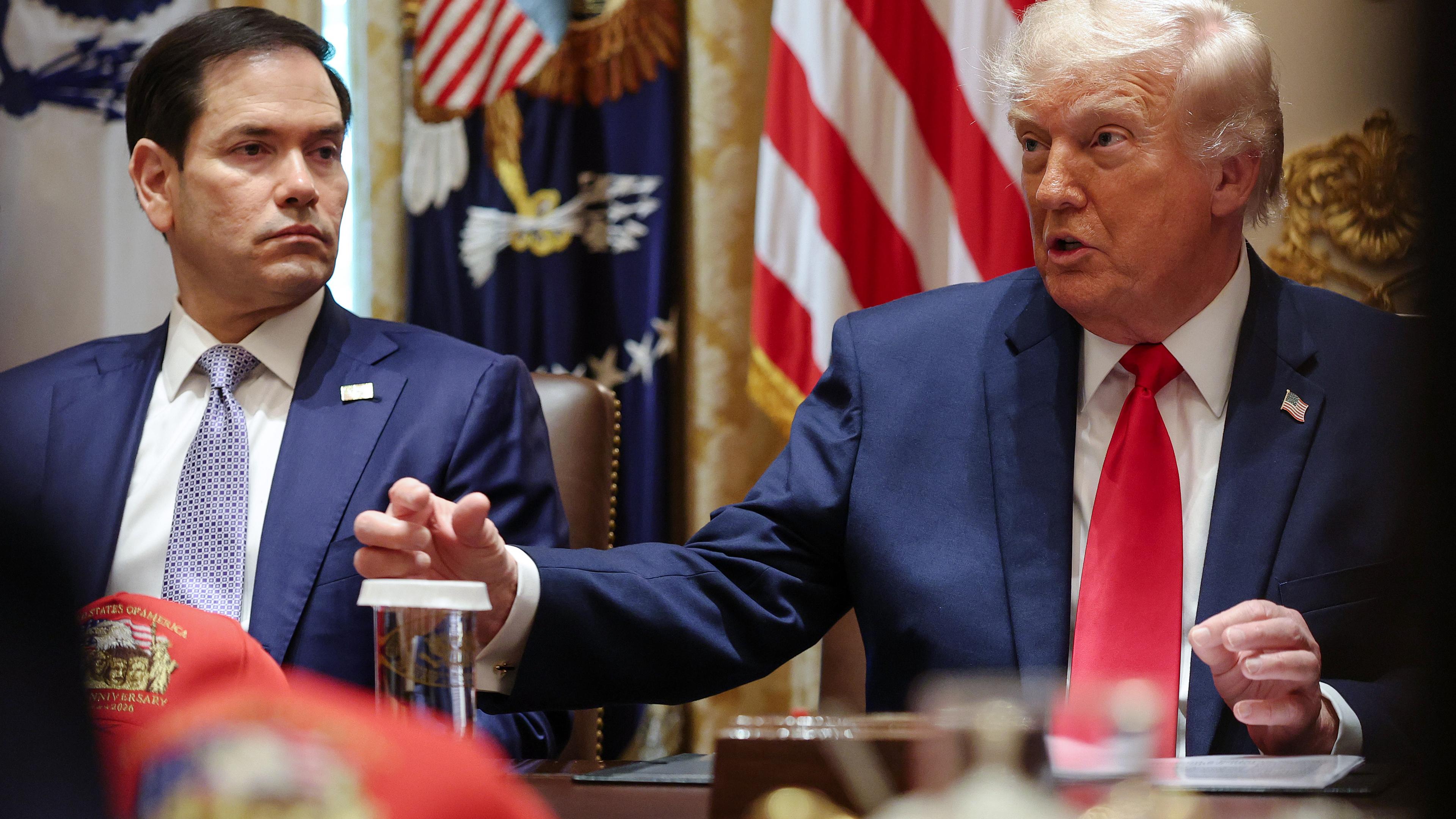
House votes to curb Trump’s Iran war powers, but Senate blocks the move

In this story
Jump to Timeline

Key Reporting

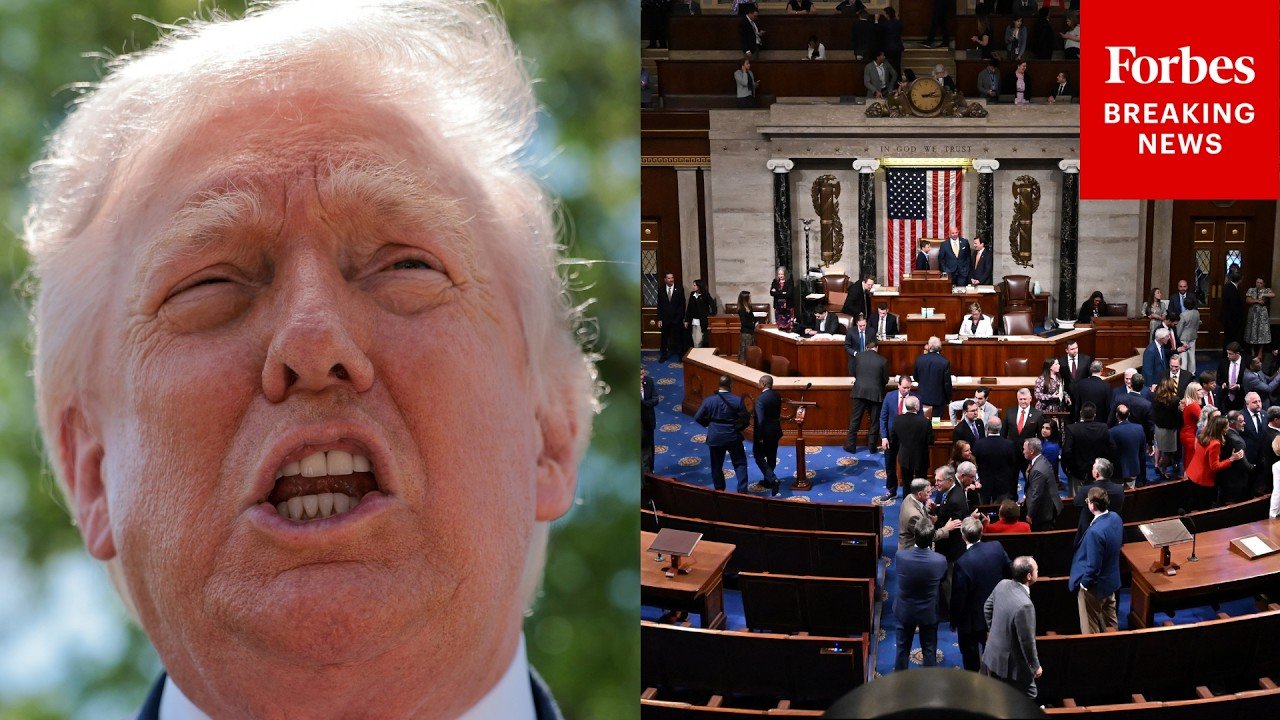
The US House of Representatives voted 214-208 on Thursday to restrict President Donald Trump’s authority to continue military operations against Iran without explicit congressional approval, but the Senate later blocked a matching measure in a 49-47 vote, leaving the congressional effort stalled. The twin votes reflected deep unease in both parties over the scope of the war and the limits of presidential power.

The House resolution was introduced by Rep. Pramila Jayapal, a Washington Democrat, and directs the administration to remove US Armed Forces from hostilities against Iran unless Congress authorizes the mission.

Four Republicans — Thomas Massie of Kentucky, Brian Fitzpatrick of Pennsylvania, Tom Barrett of Michigan and Warren Davidson of Ohio — joined Democrats to pass the measure.

Reuters reported that the vote amounted to a sharp rebuke of Trump, even though the measure itself did not carry the force of law in the same way as a bill signed by the president would.

Senate setback

Hours later, the Senate narrowly blocked the companion resolution in a 49-47 vote. Sen. Susan Collins of Maine was the only Republican to vote with Democrats in favor of the restriction, while Sen. John Fetterman of Pennsylvania broke with his party and sided with Republicans against it.

That result left Trump’s authority unchanged for now and signaled that any congressional effort to constrain the war would face an uphill fight in the upper chamber.

What the measure does

The House vote was framed around the War Powers framework, with supporters arguing that the president cannot continue a military campaign against Iran indefinitely without congressional authorization.

The resolution was largely symbolic because it was passed as a concurrent resolution, which does not go to the president’s desk for signature and has disputed legal weight.

Even so, the vote carried political significance because it put Republican defections on the record and forced lawmakers to take a public position on the conflict.

Conflict and fallout

The vote came amid an escalating conflict that has already driven sharper concern over regional instability and the economic consequences of wider war. Reporting cited in your material says the fighting had intensified after a collapsed ceasefire and rising casualties, while oil prices surged as traders priced in more risk to global energy flows.

CNBC also reported that the conflict was stirring rare bipartisan discomfort, with some lawmakers alarmed by the breadth of Trump’s military campaign and the possibility of a broader regional crisis.

Trump’s response

Trump dismissed the congressional effort on Truth Social as “meaningless” and “unpatriotic,” accusing lawmakers of interfering with negotiations and undermining his strategy.

He framed the war powers vote as an attack on ongoing diplomacy, while critics said Congress was overdue to reassert its constitutional role over war-making decisions. The White House has also brushed aside the legal significance of the House vote.

Political implications

The House tally showed that a small but meaningful number of Republicans were willing to break with Trump on war powers, even on an issue closely tied to national security. But the Senate result made clear that the coalition was not strong enough to force a change in policy.

In practical terms, that means the congressional challenge to the Iran war remains politically important but legally limited unless a larger bloc of senators or a veto-proof majority emerges.
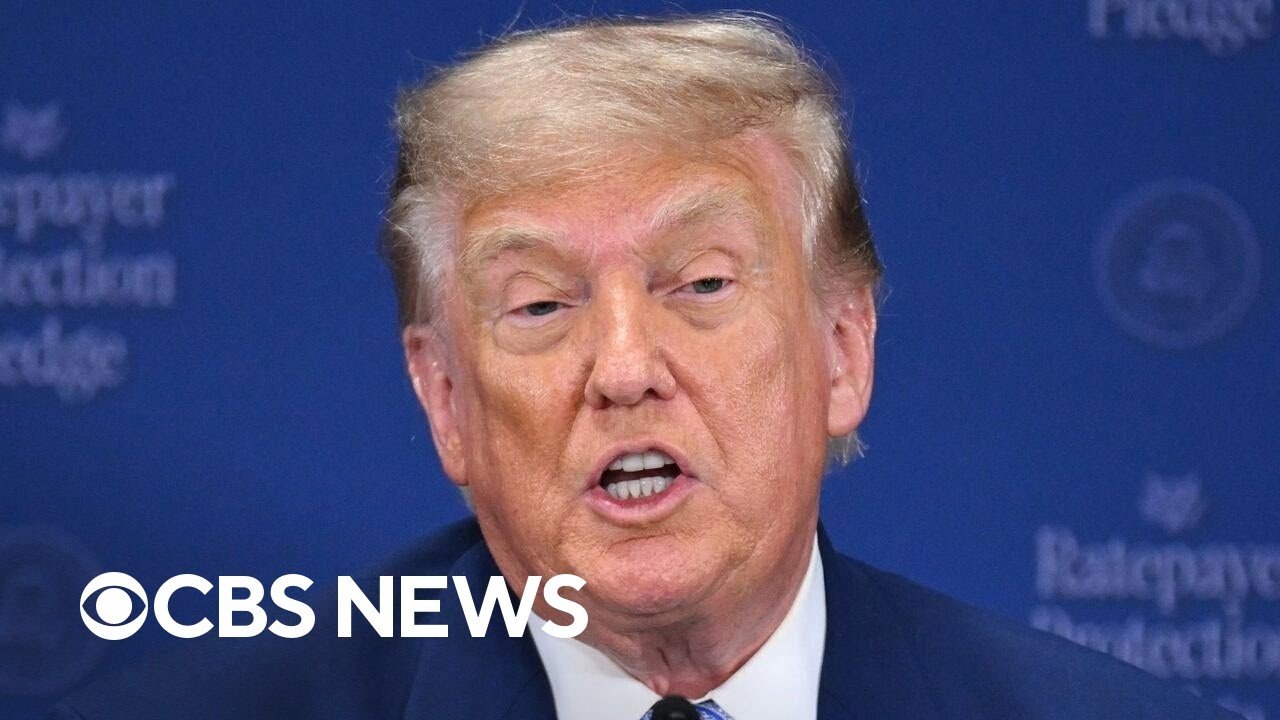
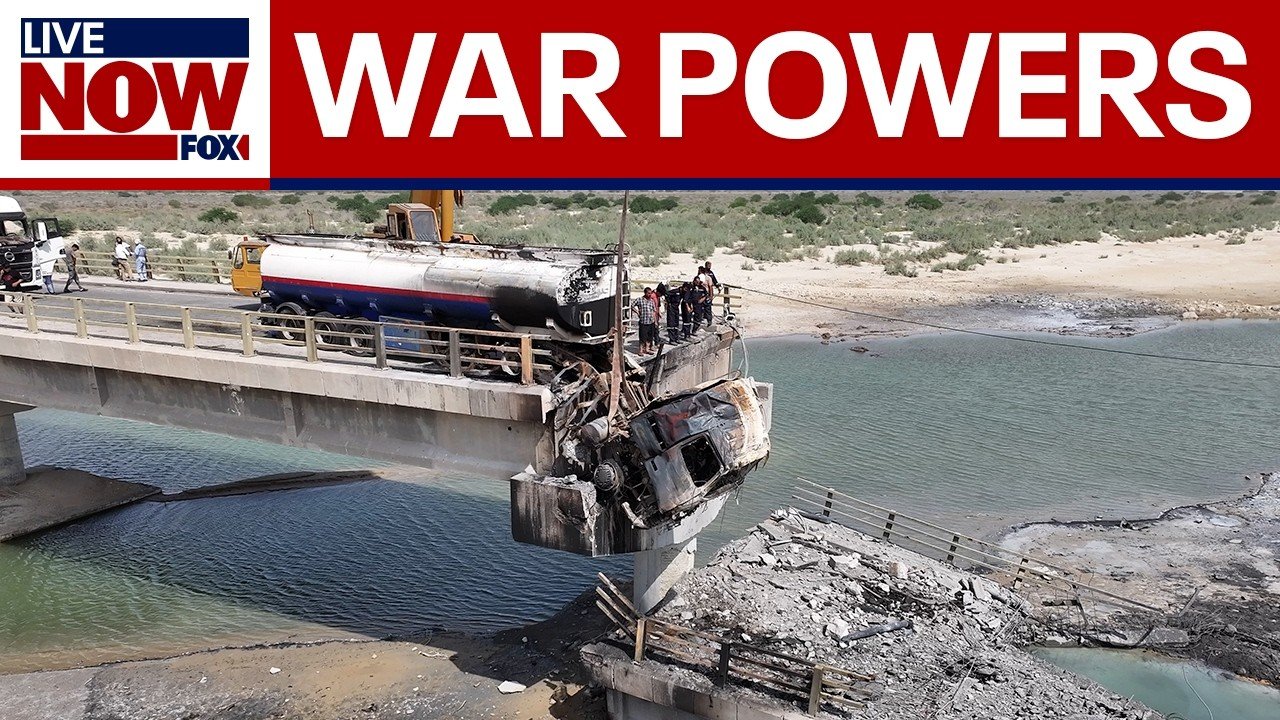
youtube placeholder image

US sanctions Iran shadow fleet as Trump rules out pre-midterm strikes

The US blacklists 17 Iran “shadow fleet” tankers while Trump rules out new strikes before the midterms.
Read more

G7 agrees to release up to 100million barrels of oil and diesel after Trump pressure

G7 nations agreed to release up to 100 million barrels of oil and diesel after US pressure, but much of the total may come from existing IEA pledges.
Read more

Trump Rejects Iran’s Seven-Day Plan to Reopen Strait of Hormuz

Trump rejects Iran’s seven-day plan to reopen the Strait of Hormuz, ease sanctions and restart negotiations, deepening tensions across the Middle East.
Read more

Judge Orders White House to Restore Access for CNN, MS NOW and Politico

A federal judge ordered Trump’s administration to restore White House access for CNN, MS NOW and Politico after ruling the media ban likely unconstitutional.
Read more

White House launches Trump TV amid lawsuit from banned outlets

Trump bars CNN, Politico and MS NOW from the White House; outlets sue over First Amendment rights as TV networks boycott pool coverage and the administration launches Trump TV.
Read more

Trump’s $5,000 ‘dividend’ pledge headlines RNC midterm convention

Trump headlines RNC with $5K dividend pledge if GOP keeps Congress; Dallas rally touts taxes, healthcare, Iran war, and voter ID.
Read more

Supreme Court Clears Way for Trump’s $400million White House Ballroom in 5-4 Ruling

The ruling marks a significant procedural victory for President Trump, while sidestepping the deeper constitutional questions about executive authority and congressional oversight.
Read more

US launches “Operation Economic Outcast,” widening Iran sanctions to five new sectors

The US launched Operation Economic Outcast against Iran that expands secondary sanctions risk across five critical sectors and targets nearly 60 entities.
Read more

Trump declares ‘Economic D-Day’ on Iran in unprecedented sanctions escalation

US President Donald Trump has launched what he calls an “Economic D-Day” against Iran, vowing the “most crushing economic operation ever taken against any country”.
Read more

Trump threatens to bomb Oman as US-Iran ceasefire collapses

Trump posted an AI-generated image on his Truth Social platform labeling the Strait of Hormuz as "NEW US TERRITORY."
Read more
Timeline

28 Feb: The U.S. and Israel launch Operation Epic Fury. President Trump orders 900 airstrikes in 12 hours without congressional consultation.

5 Mar: The House votes on its first anti-war resolution. The measure is soundly defeated as a Republican majority rallies behind the opening offensive.

15 Mar: Bipartisan frustration grows. Senator Cory Booker publicly slams both parties as “feckless” for ceding constitutional war-making powers to the executive branch.

3 Jun: Following months of heavy combat, the House passes its first successful War Powers Resolution (215-207).

Early Jun: The Senate passes a matching measure with rare bipartisan support.

Mid-Jun: The White House bypasses the congressional rebuke. The administration exploits the concurrent, non-binding nature of the resolution to keep military options open.

17 Jun: Hostilities temporarily halt. The U.S. and Iran sign a Memorandum of Understanding (MoU) in Geneva, sidelining immediate legislative action.

7 to 8 Jul: The Geneva ceasefire officially collapses. President Trump declares the truce over and launches retaliatory airstrikes without checking with Congress.

23 Jul: The House votes 214-208 to pass a second War Powers Resolution.

Four Republicans cross party lines to join Democrats. They use a concurrent resolution format to circumvent a presidential veto.

The Senate blocks the matching joint resolution (49-47). The anti-war coalition loses ground compared to June.

Late Jul: True legislative leverage shifts to government spending. House leadership advances a budget reconciliation package containing $73billion in direct military funding to sustain the active war.

You may also be interested in

LEAVE A REPLY

Please enter your comment!
Please enter your name here