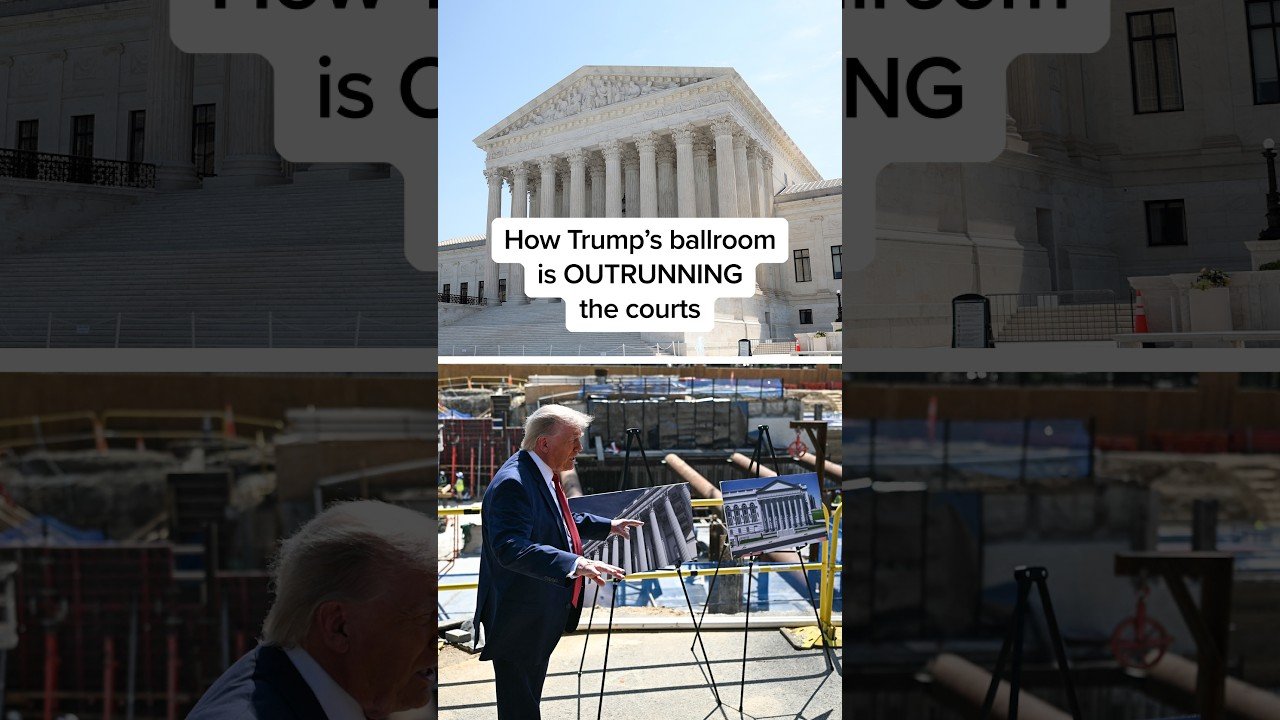







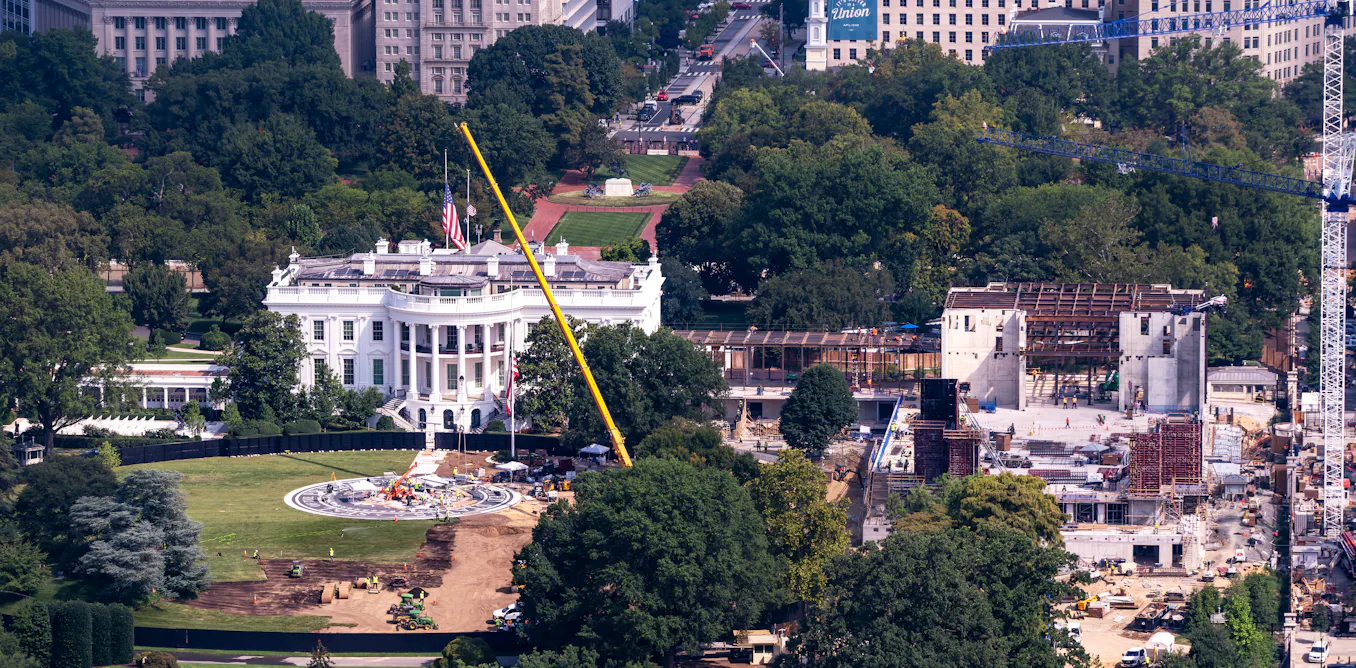

In a 5-4 decision issued on August 31, 2026, the U.S. Supreme Court allowed the Trump administration to resume above-ground construction on its controversial $400million White House ballroom, lifting a lower court injunction that had paused work on the project.
The ruling marks a significant procedural victory for President Trump, who has championed the 90,000-square-foot neoclassical structure as a centerpiece of his second-term legacy, even as it sidesteps the deeper constitutional questions about executive authority and congressional oversight.
The Core Ruling: Standing, Not Merits
The Court’s unsigned majority opinion did not address whether the president has the legal authority to build the ballroom without explicit congressional approval. Instead, the five conservative justices focused narrowly on the issue of standing, concluding that the plaintiff—the National Trust for Historic Preservation—had not demonstrated the concrete, particularized harm required to bring a federal lawsuit.
The majority found that a declaration from Trust member Alison Hoagland, who said she would suffer “injury” from having to view the completed ballroom during visits to the neighborhood, was likely insufficient to establish legal standing.
By framing the decision this way, the Court left the substantive separation-of-powers questions unresolved while effectively allowing construction to proceed as litigation continues in the lower courts.
Roberts Breaks with Conservative Colleagues in Sharp Dissent
In an unusual alignment, Chief Justice John Roberts joined the Court’s three liberal justices—Sonia Sotomayor, Elena Kagan, and Ketanji Brown Jackson—in a pointed dissent arguing that the ballroom project is “likely unlawful.”
Roberts grounded his dissent in two core constitutional principles:
- Separation of powers: He noted that federal law explicitly prohibits construction on federal property in Washington, D.C. “without express authority of Congress”.
- Power of the purse: He argued that routine White House maintenance appropriations—such as the $2.5million Congress set aside in 2024 for ordinary upkeep—do not authorize the president to use hundreds of millions of dollars in private donations to demolish the East Wing and erect a massive new ballroom.
Unlike the majority, Roberts also recognized that historical preservationists can suffer a concrete, particularized “aesthetic injury” when a historic building is fundamentally transformed—a point that directly countered the majority’s standing analysis.
Today’s decision is no victory for the separation of powers.
Chief Justice Roberts wrote in his six-page dissent.
Project Details: Scale, Security, and Funding
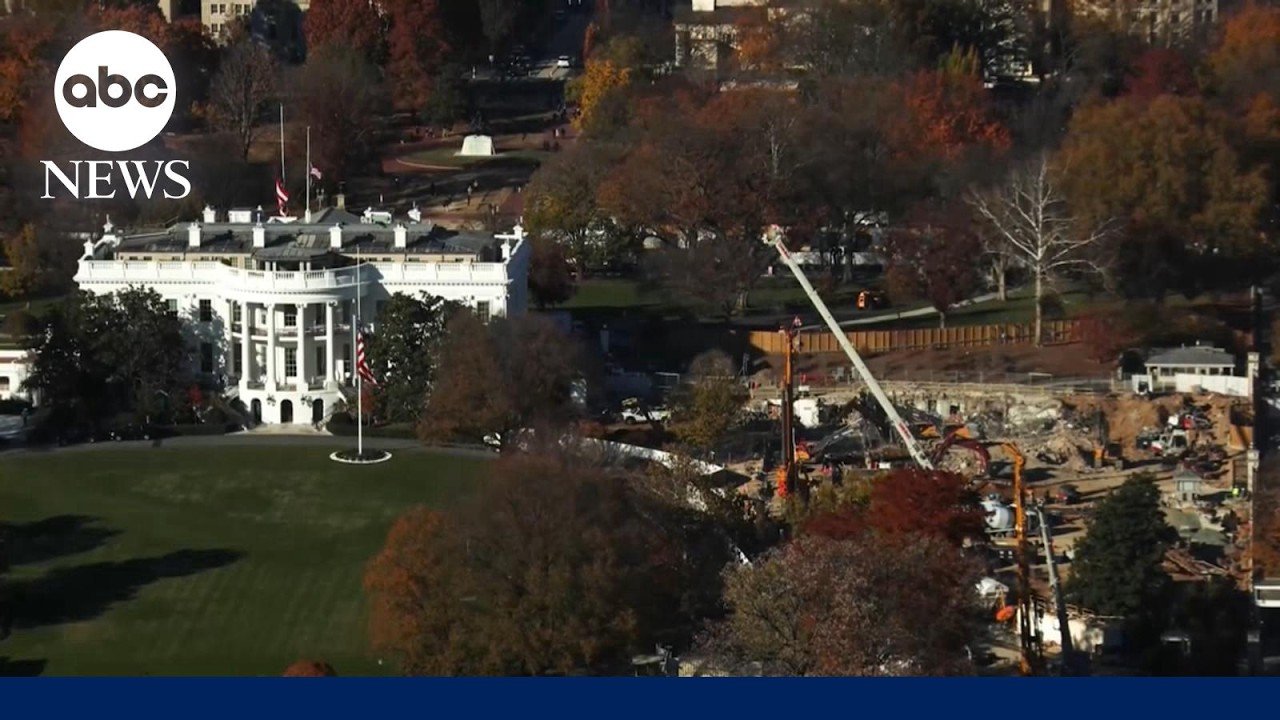
The ballroom complex is designed as a 90,000-square-foot neoclassical structure capable of hosting roughly 1,000 guests, replacing the historic East Wing that was demolished in late 2025.
Beyond the ceremonial space, the project includes a heavily fortified underground component featuring a military-grade bunker and a drone port, work on which has continued uninterrupted throughout the legal battle.
Funding has been a major flashpoint. While the administration initially framed the project as privately funded, reporting indicates that in June 2026 it transferred $350million in taxpayer money from the Secret Service budget to cover security “hardening,” including blast-proof columns and drone-detection systems.
This has fueled criticism that the project effectively circumvents Congress’s appropriations power by blending private donations with redirected federal funds.
Construction crews have been working around the clock—reportedly 20 hours a day, seven days a week—to accelerate completion. As of late August 2026, the project is approximately 65% complete.
The White House expects the ballroom to be substantially finished by November 2026, with full completion targeted for August 2028.
Reactions: Disappointment and Triumph
The National Trust for Historic Preservation expressed deep disappointment in the ruling but pointed to Chief Justice Roberts’s dissent as a strong defense of congressional authority over federal property.
Meanwhile, President Trump celebrated the decision on Truth Social, writing that the project will now proceed “without any further contingency, doubt, or threat.”
The ruling sets the stage for continued legal wrangling over the merits of the project, even as cranes and scaffolding reshape one of the most iconic addresses in American politics.