


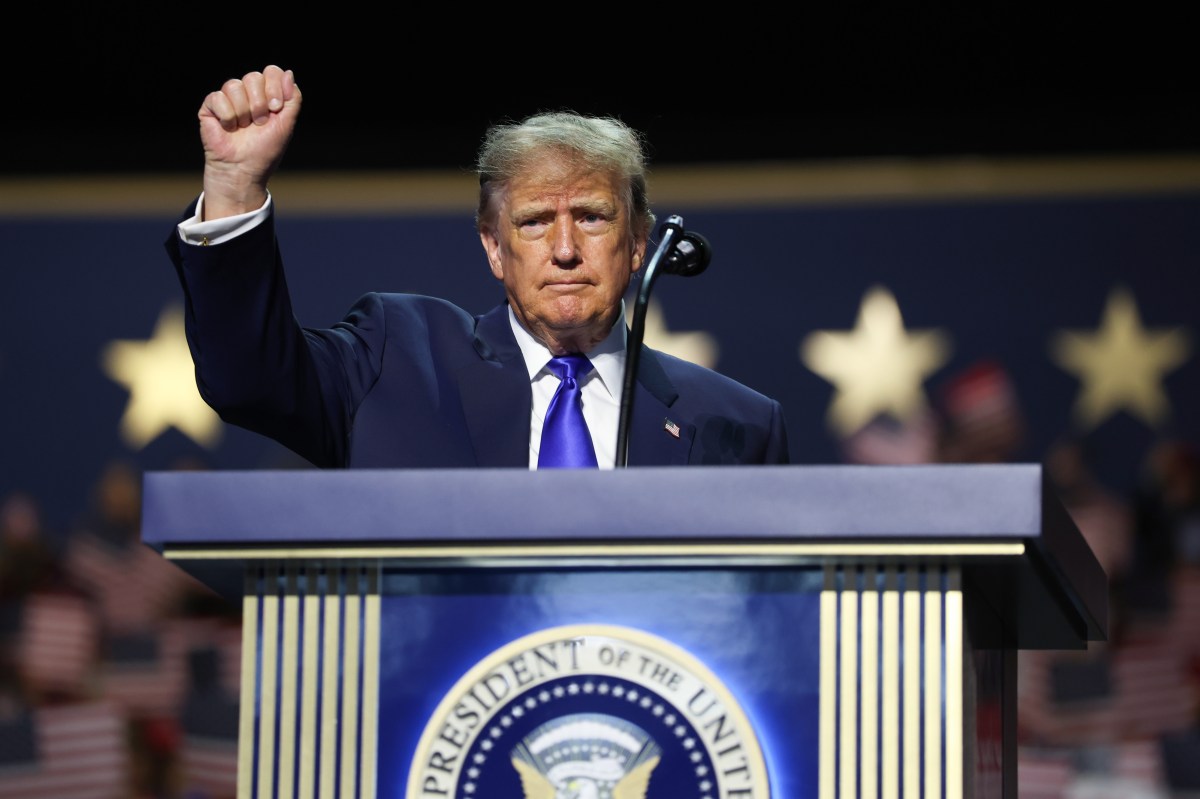
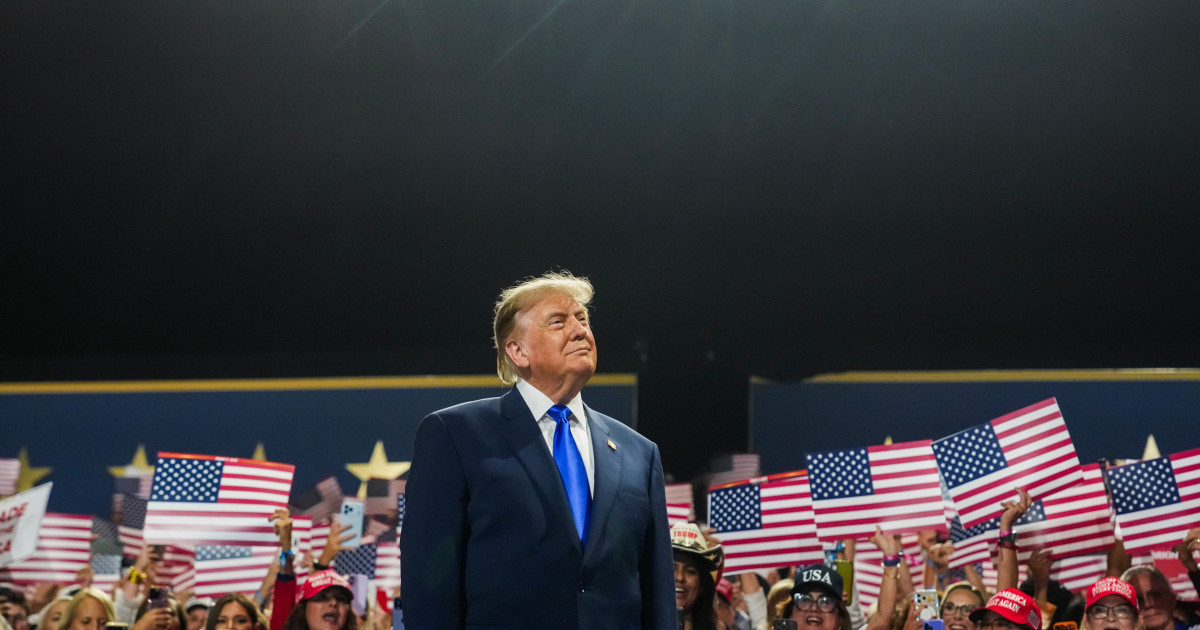
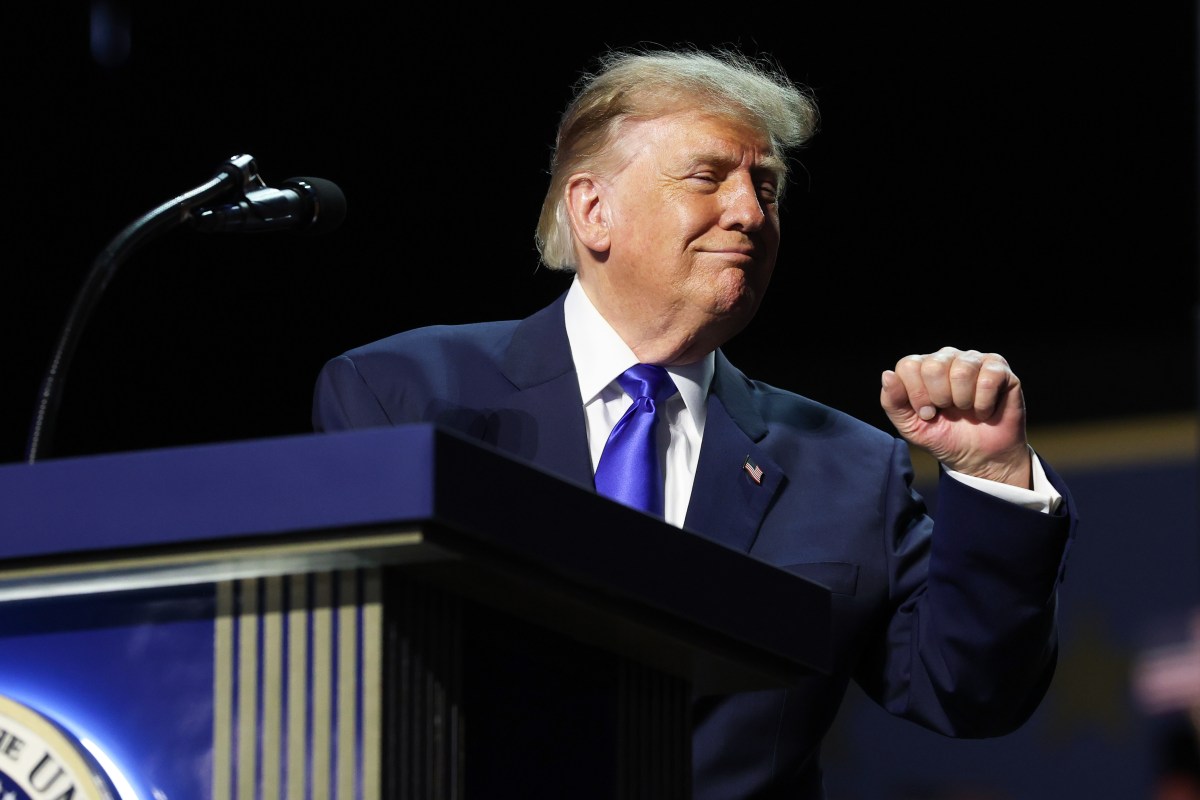
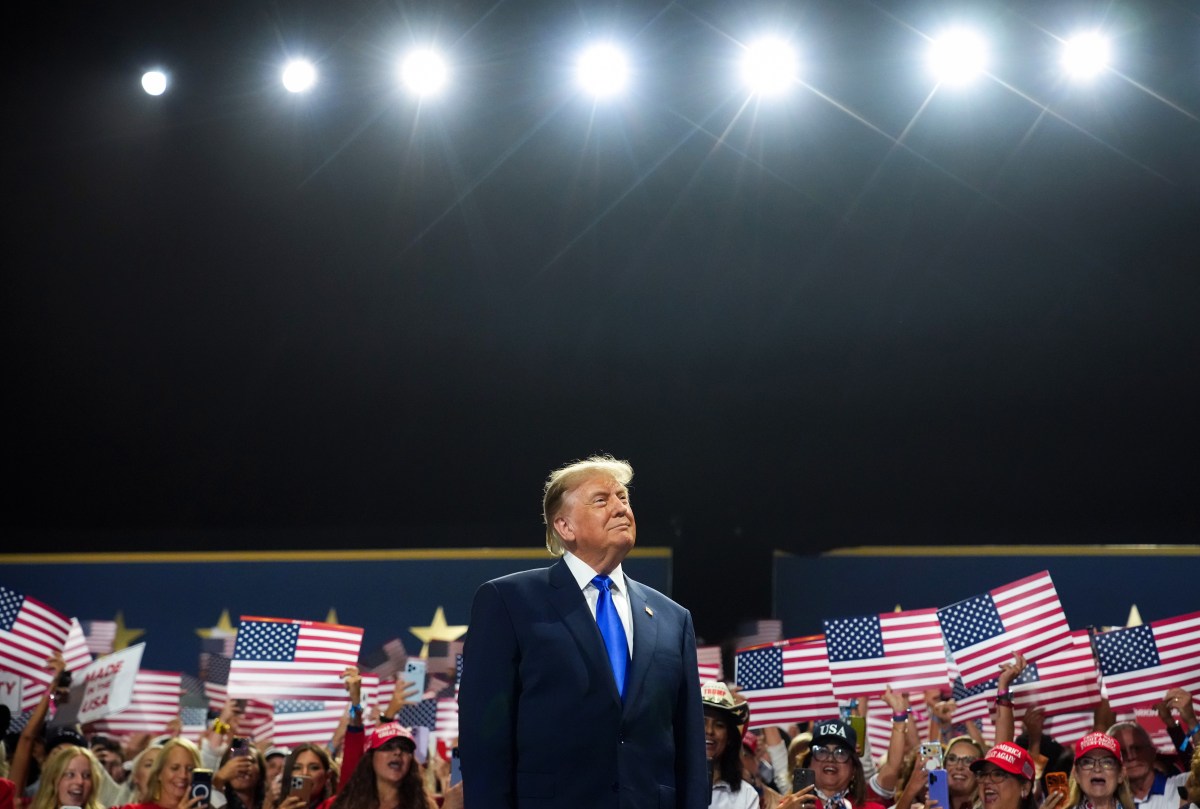
President Donald Trump has promised a one‑time $5,000 “Trump dividend” to every adult US citizen if Republicans keep control of the House and Senate after the November 2026 midterms—a proposal announced on September 9 at the GOP’s first‑ever midterm convention in Dallas that would cost well over $1trillion and faces steep legal, fiscal, and political hurdles.
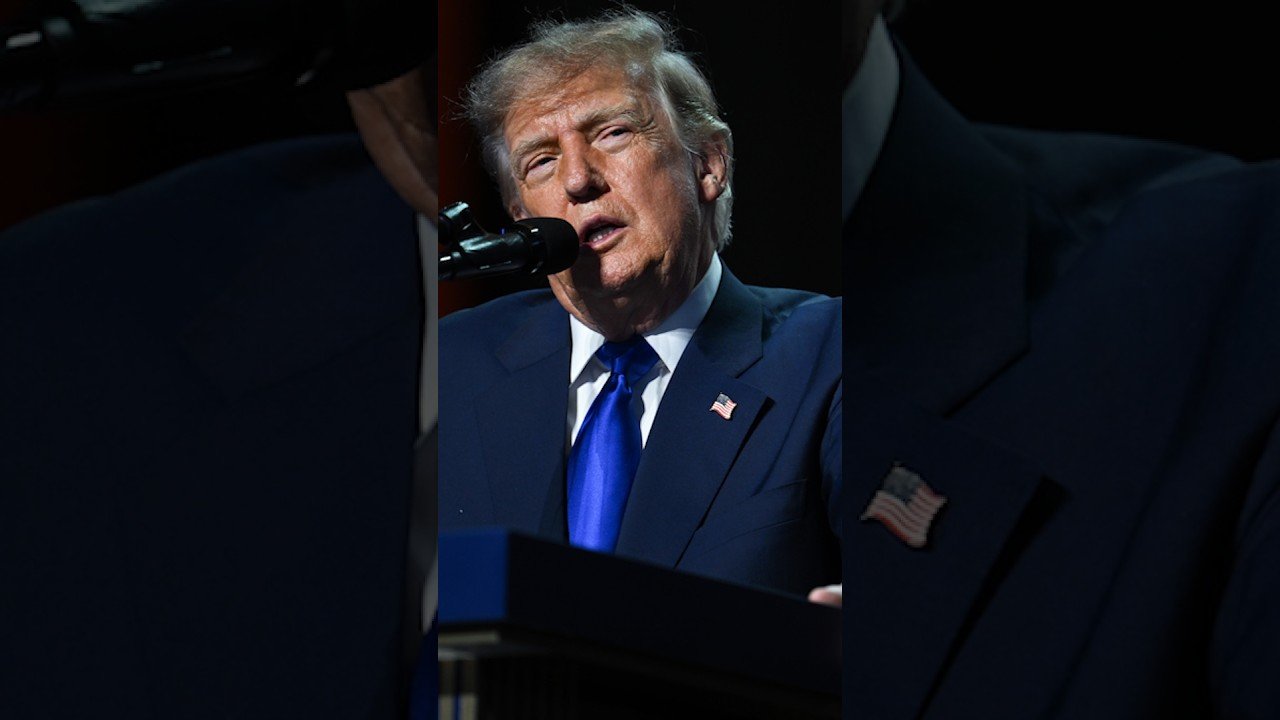
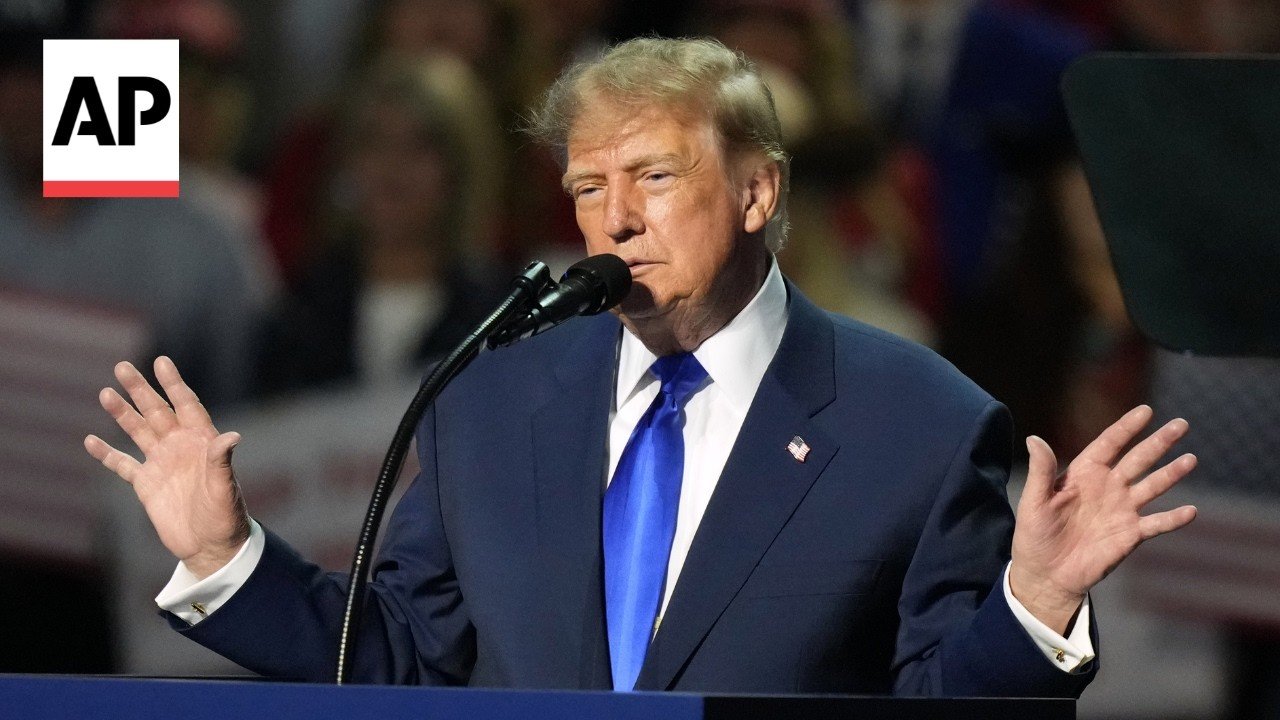
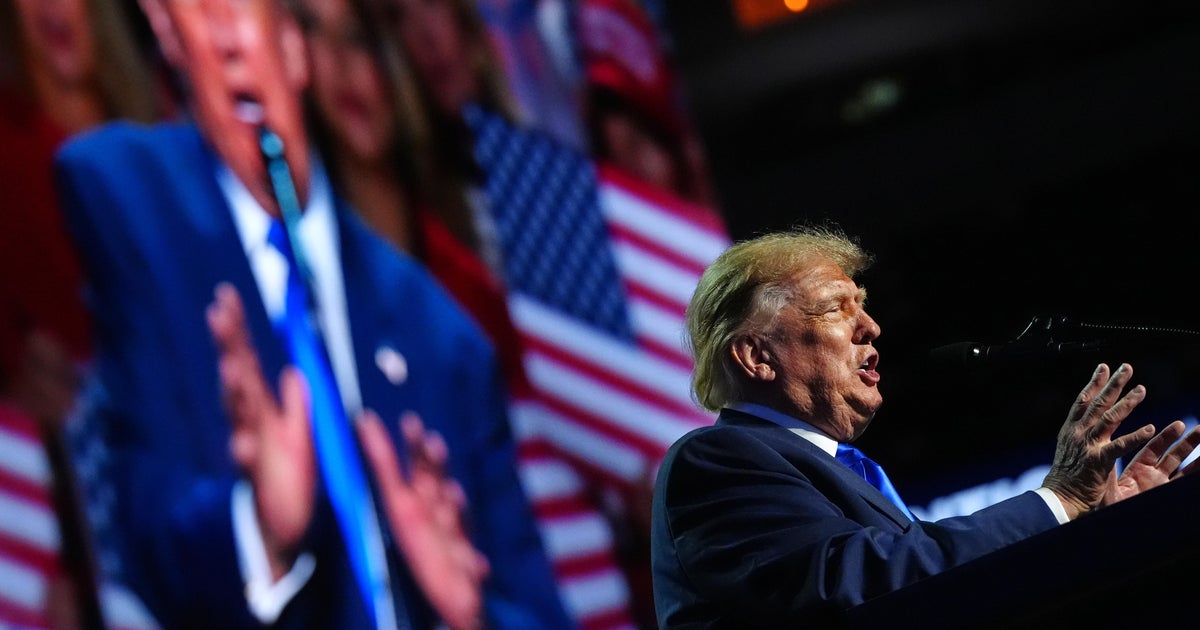
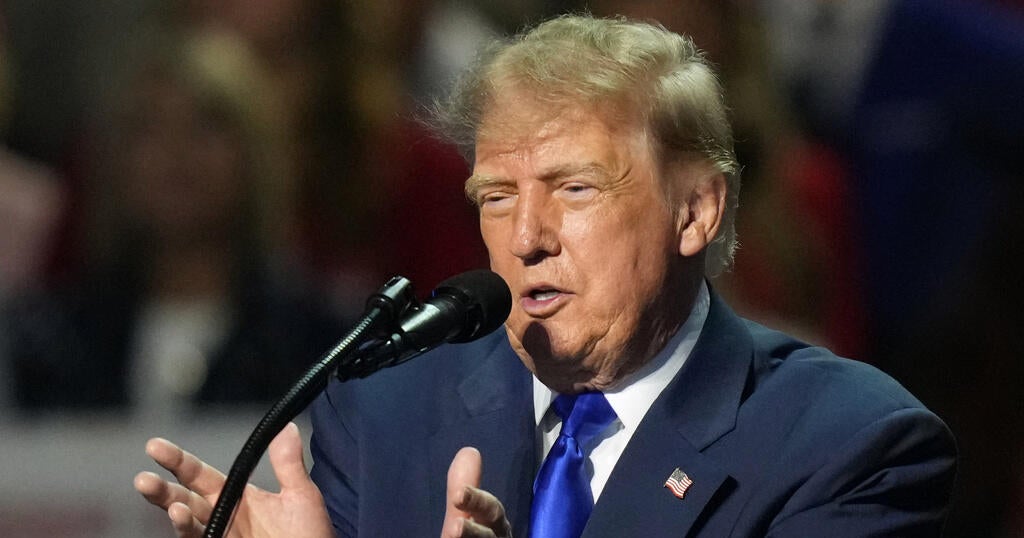
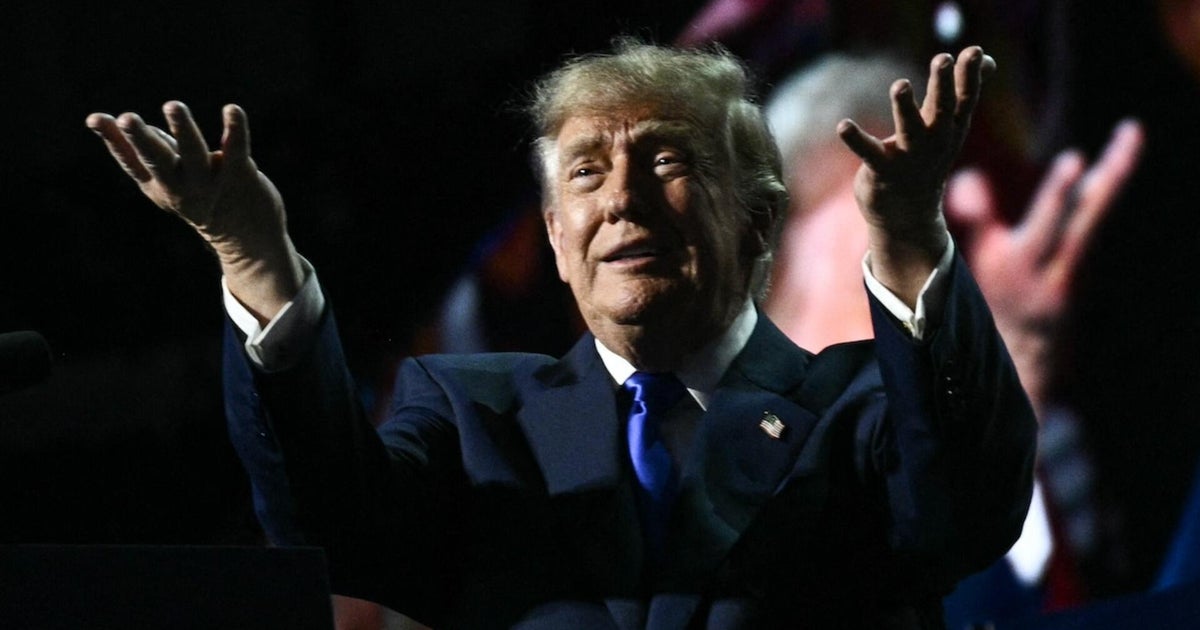
At the Republican National Committee’s midterm convention inside Dallas’ American Airlines Center, Trump framed the payout as a reward tied directly to GOP congressional control.
If the Republicans win the House of Representatives and the United States Senate, both of them… I will issue a dividend to every adult citizen in the United States of America for $5,000.
President Trump said during the RNC midterm convention.
We’ll call it the Trump dividend.
He also said the money would have to be spent in the United States, though he did not explain how that restriction would be enforced.
The pledge came as Trump sought to nationalize the midterms around his presidency, telling supporters to “pretend I’m on the ballot” and that “we’re running together.”
How much would it cost?
The headline math is straightforward but the total depends on who qualifies.
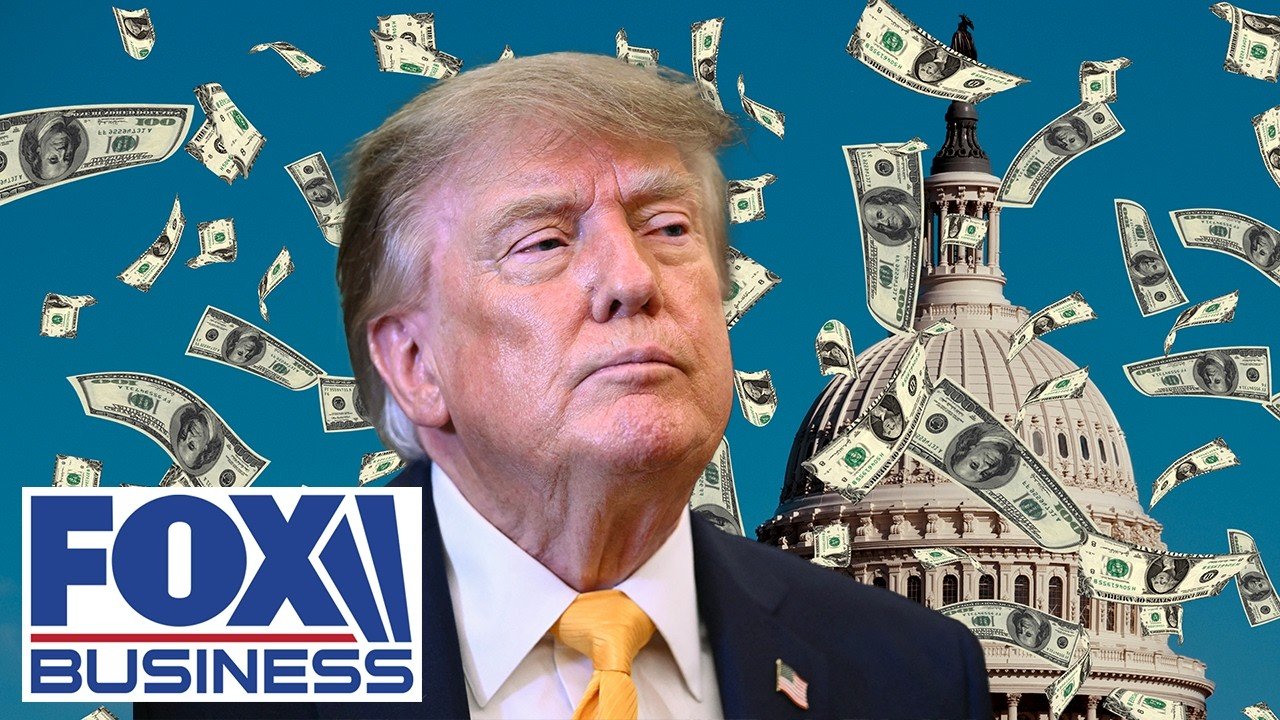
- Broad estimate (all adults): Using roughly 270 million US adults, the gross cost is about $1.35trillion.
- Narrower estimate (adult citizens only): Using Census-based figures of about 245.3 million adult US citizens, the cost is roughly $1.22trillion to $1.23trillion, before administrative expenses.
Either way, the proposal would dwarf pandemic-era direct payments in aggregate size and land as one of the largest single-year federal outlays in US history.
Where would the money come from?
Trump attributed the dividend to America’s “tremendous economic success” but did not lay out a specific funding mechanism in his speech. Afterward, Vice President JD Vance pointed to tariff revenues as the intended source.
Through historic investments and tariffs, the Trump Administration has generated tremendous wealth for the United States.
— The White House (@WhiteHouse) September 10, 2026
Now President Trump, @VP JD Vance and the entire administration want all Americans to be able to participate in this wealth. 🇺🇸 pic.twitter.com/sRsjHGriG8
That explanation runs into two reported problems:
- Tariff receipts fall far short: Independent budget analysts (including Yale’s Budget Lab) have estimated that current-law tariffs would raise about $1.9trillion over 10 years, not nearly enough to cover a $1.2trillion to $1.35trillion one-time payout without borrowing or cutting other spending.
- Legal and revenue uncertainty: Many of Trump’s broad import taxes have faced court challenges; some were struck down by the Supreme Court, forcing the Treasury to refund billions to importers, which undermines the reliability of tariffs as a dedicated funding stream.
In short, even under optimistic tariff projections, the math does not close without new legislation, deficit financing, or offsets elsewhere in the budget.
Could a president just send these checks?
Almost certainly not without Congress.
- The US Constitution’s Appropriations Clause requires that federal spending be authorized by law and funded through congressional appropriations.
- A unilateral executive payout would likely be blocked by courts and resisted by Treasury and the Government Accountability Office as exceeding executive authority.
Senator Bernie Moreno (R‑Ohio) has said he plans to introduce legislation after the midterms to facilitate the program, acknowledging that federal spending must ultimately be approved by Congress. But any such bill would need to pass both chambers and be signed into law—precisely the outcome the dividend is meant to incentivize.
What do economists and watchdogs say?
Fiscal hawks and macroeconomists have raised two main concerns:
- Deficit and debt pressure: The federal deficit in 2026 is already reported at about $1.8trillion, with national debt exceeding $40trillion. Adding another $1.2trillion to $1.35trillion in one year would significantly widen the deficit unless offset elsewhere.
- Inflation risk: Injecting over a trillion dollars into household balance sheets could reignite inflationary pressures, especially if the spending is concentrated in a short window and not matched by higher productive capacity.
Market analysts have also warned that bond investors could demand higher yields if they see the proposal as increasing borrowing needs, which would feed through to mortgage and consumer loan rates.
Political context: why now?
The dividend pledge is the centerpiece of a broader effort to make the midterms a referendum on Trump’s presidency, even though he is not on the ballot.
- “Pretend I’m on the ballot.”: Trump repeatedly urged his base to treat the election as if he were running, saying, “We’re running together.”
- Turnout rhetoric: In his provocative style, he joked that supporters who don’t vote would “go to hell,” and quipped that Republicans need to “cheat like hell… like Democrats” to win—lines that drew immediate criticism from opponents.
- Voting rules push: He called on House Speaker Mike Johnson to pass legislation requiring proof of citizenship to register to vote and to enact nationwide voter ID mandates.
The convention also featured sharp attacks on Democrats, whom Trump labeled “communists” and extremists “nervous” about losing Congress.
Foreign policy and other promises from Dallas
Trump used the stage to defend several contentious positions and float additional policies:
- Iran war and “Trump Strait“: Facing slipping approval ratings partly tied to the ongoing conflict with Iran, Trump defended deploying the military there (and in Venezuela), saying he’d used force “a little more than I thought” but that it was necessary to keep Tehran from obtaining a nuclear weapon. He also reiterated his desire to rename the Strait of Hormuz the “Trump Strait,” despite continued Iranian restrictions on transit through the waterway.
- “Ended nine wars“: Trump and allies, including RFK Jr., claimed his administration has ended “nine wars,” a claim fact‑checkers have rejected as misleading because it counts ongoing conflicts and past diplomatic disputes that were never active US wars.
- Taxes, healthcare, bail: He promised to make his signature tax cuts permanent if Republicans keep Congress, proposed routing federal healthcare payments directly to citizens instead of insurers, and called for a nationwide end to cashless bail programs.
Track record: this isn’t Trump’s first “dividend”
Reporters note this is not the first time Trump has floated large direct payments tied to policy wins:
- He previously promoted a $2,000 tariff dividend and a $5,000 “Department of Government Efficiency (DOGE) dividend,” neither of which materialized.
- That history fuels skepticism about whether the new pledge is a binding commitment or a campaign-style promise designed to energize turnout.
What’s still unclear (reported gaps)
Even with extensive coverage, several key details remain unreported or unresolved:
- Eligibility rules: It’s not clear whether the dividend would go to all adults, only citizens, or be means-tested; VP Vance has suggested eligibility limits could be added, but no criteria have been specified.
- Enforcement of “spend in the US“: Trump said the money must be spent domestically but offered no mechanism for tracking or restricting use.
- Timing. There is no stated timeline for when checks would arrive after a GOP victory, nor whether they’d be delivered via existing IRS mechanisms or a new program.
- Legislative path. While Sen. Moreno says he’ll introduce legislation, there is no public bill text, cost estimate from the Congressional Budget Office, or identified offsets to pay for it.
Why this matters for voters
The proposal sits at the intersection of three midterm themes:
- Affordability vs. fiscal responsibility: A $5,000 check is politically potent in an inflation-conscious election, but the deficit and debt implications are equally salient for swing voters worried about long-term costs.
- Executive power and rule of law: The pledge tests public comfort with expansive presidential promises that would require congressional action—and potentially court battles—to implement.
- Turnout calculus: By tying a tangible benefit to GOP control of Congress, Republicans hope to boost participation among their base; Democrats, in turn, are framing it as “voter bribery” and fiscally reckless.
Whether the “Trump dividend” becomes law or remains a rallying cry will depend on November’s results, the subsequent legislative fight, and how courts view any attempt to bypass normal appropriations.