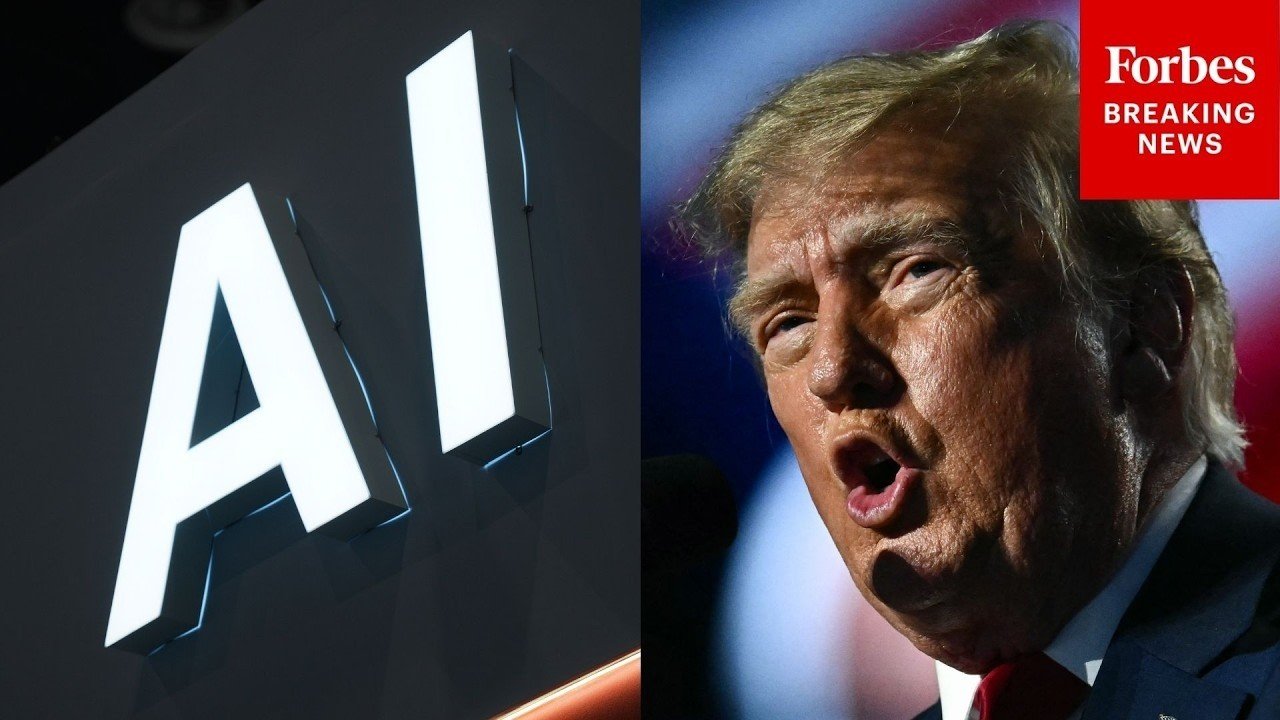
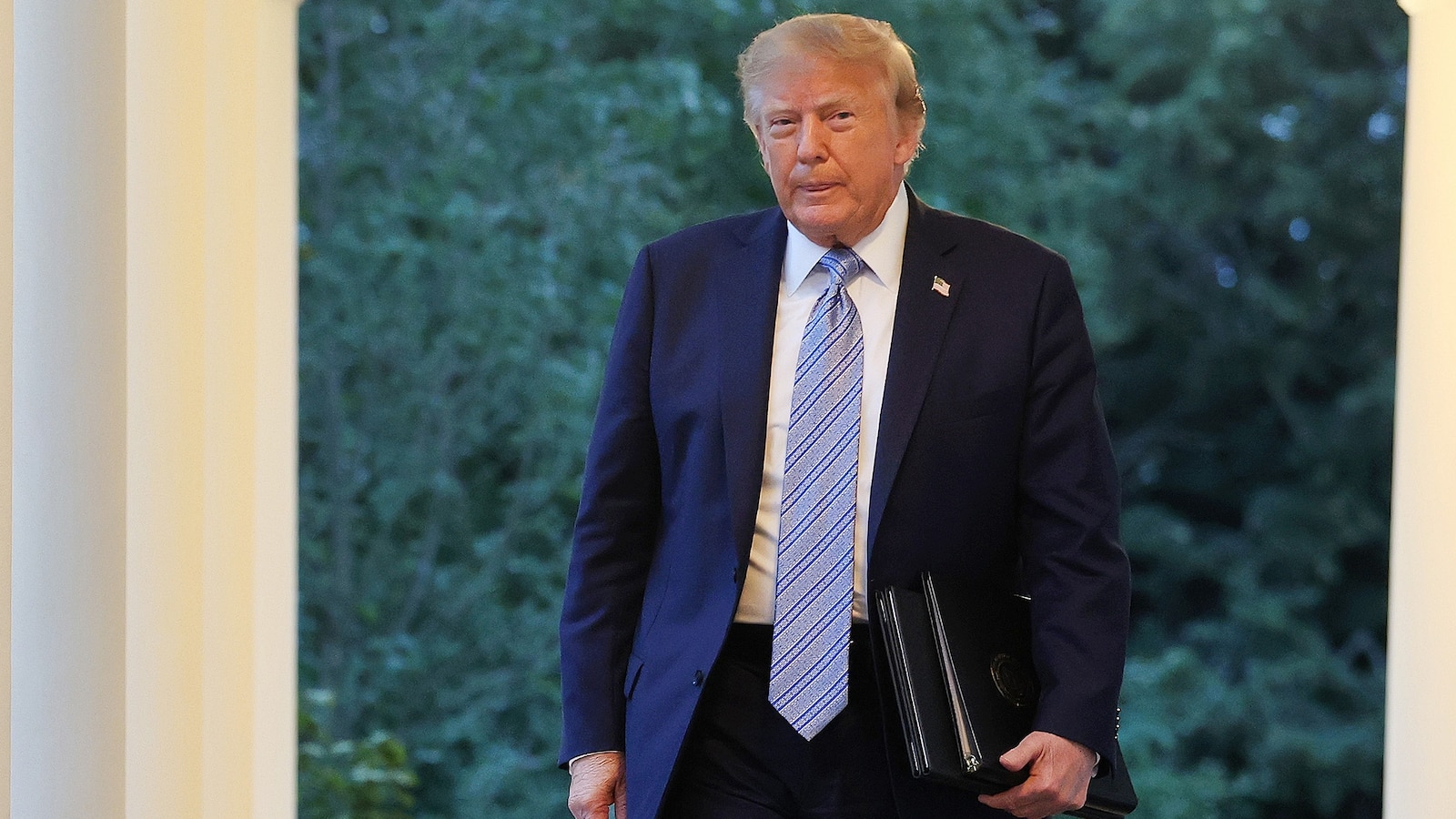

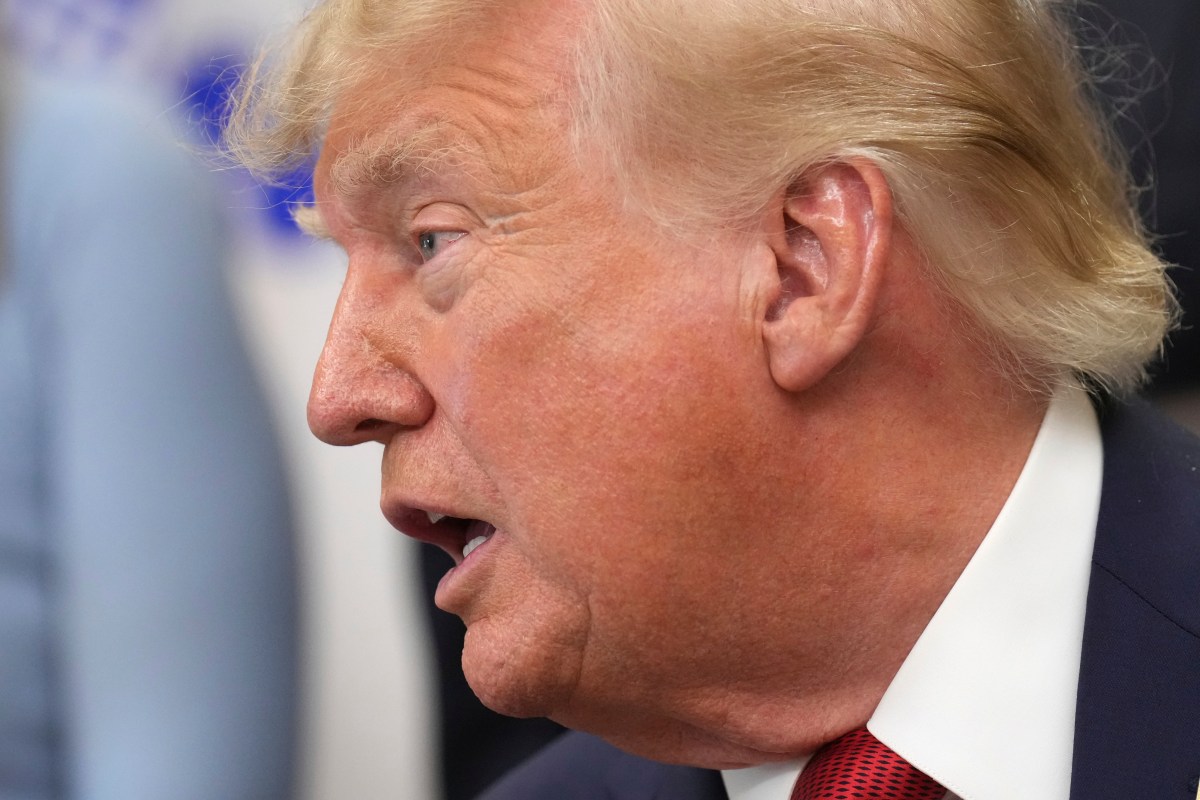

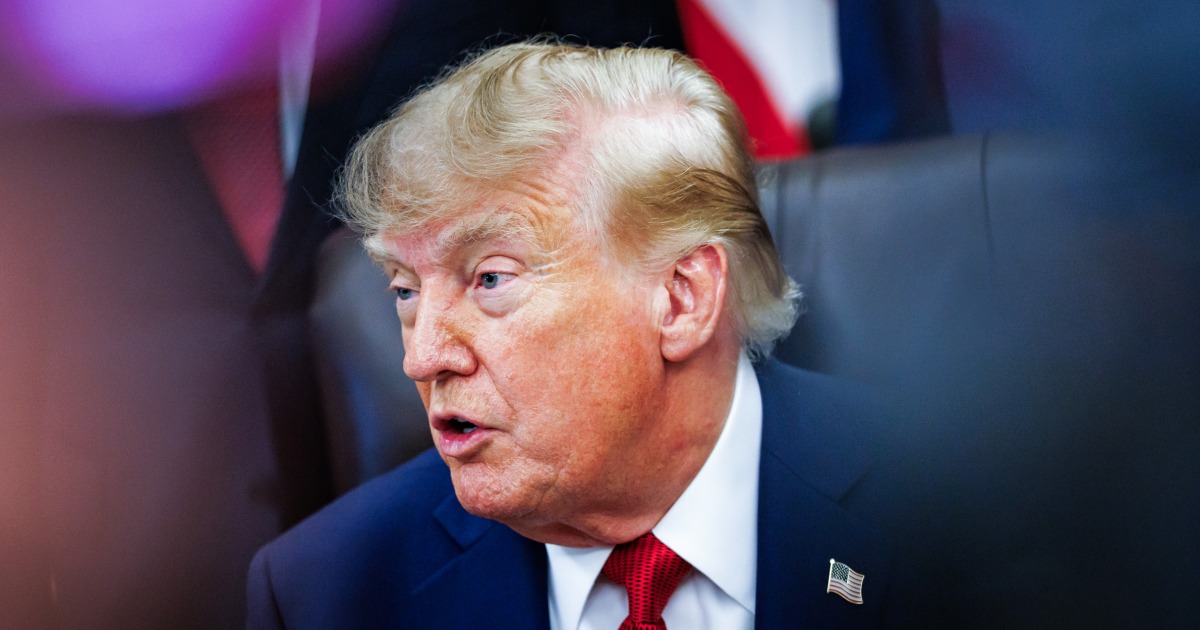
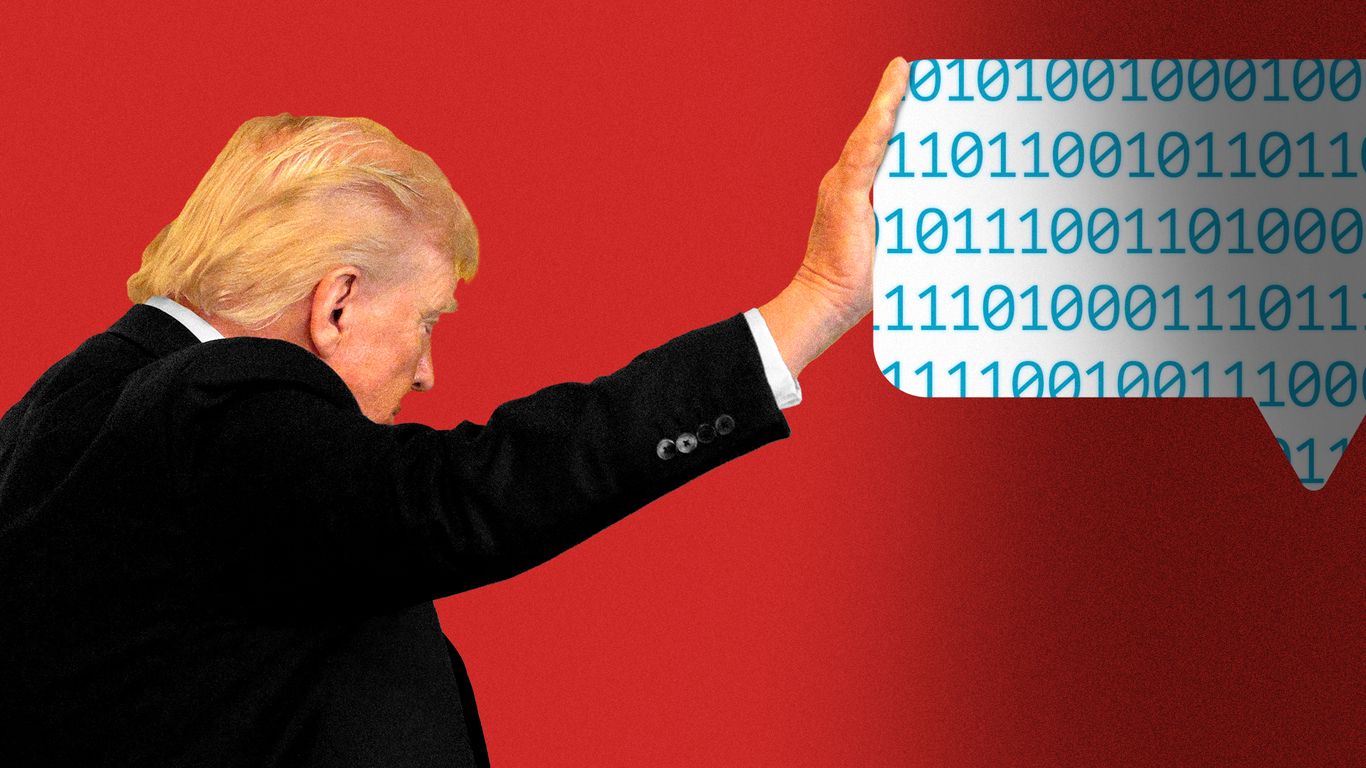
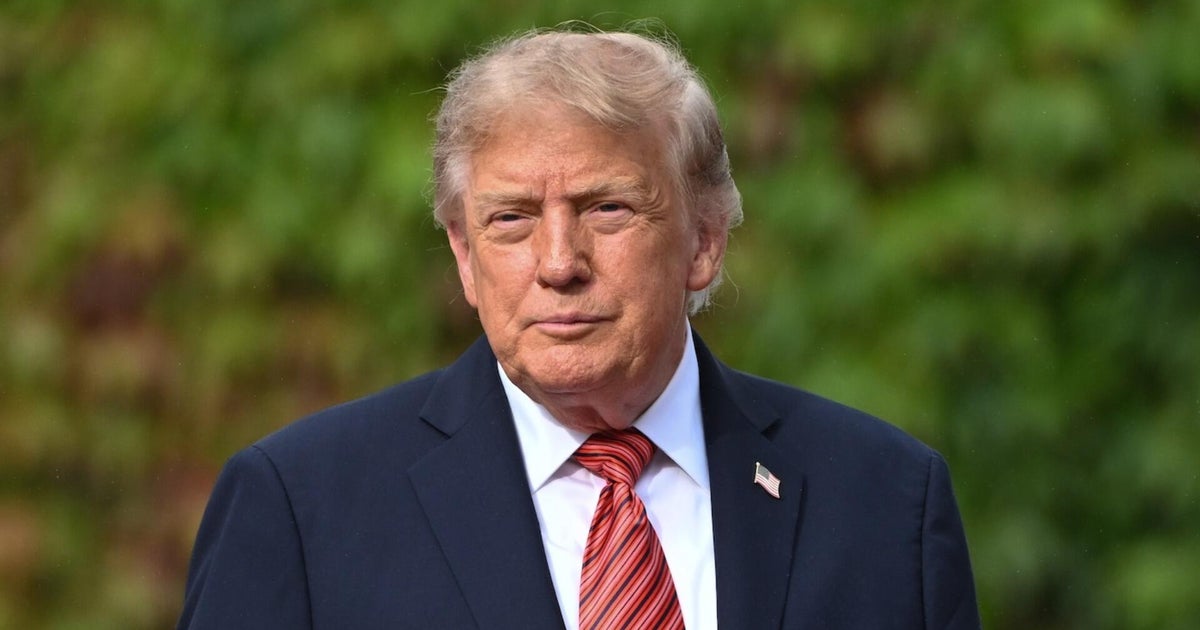
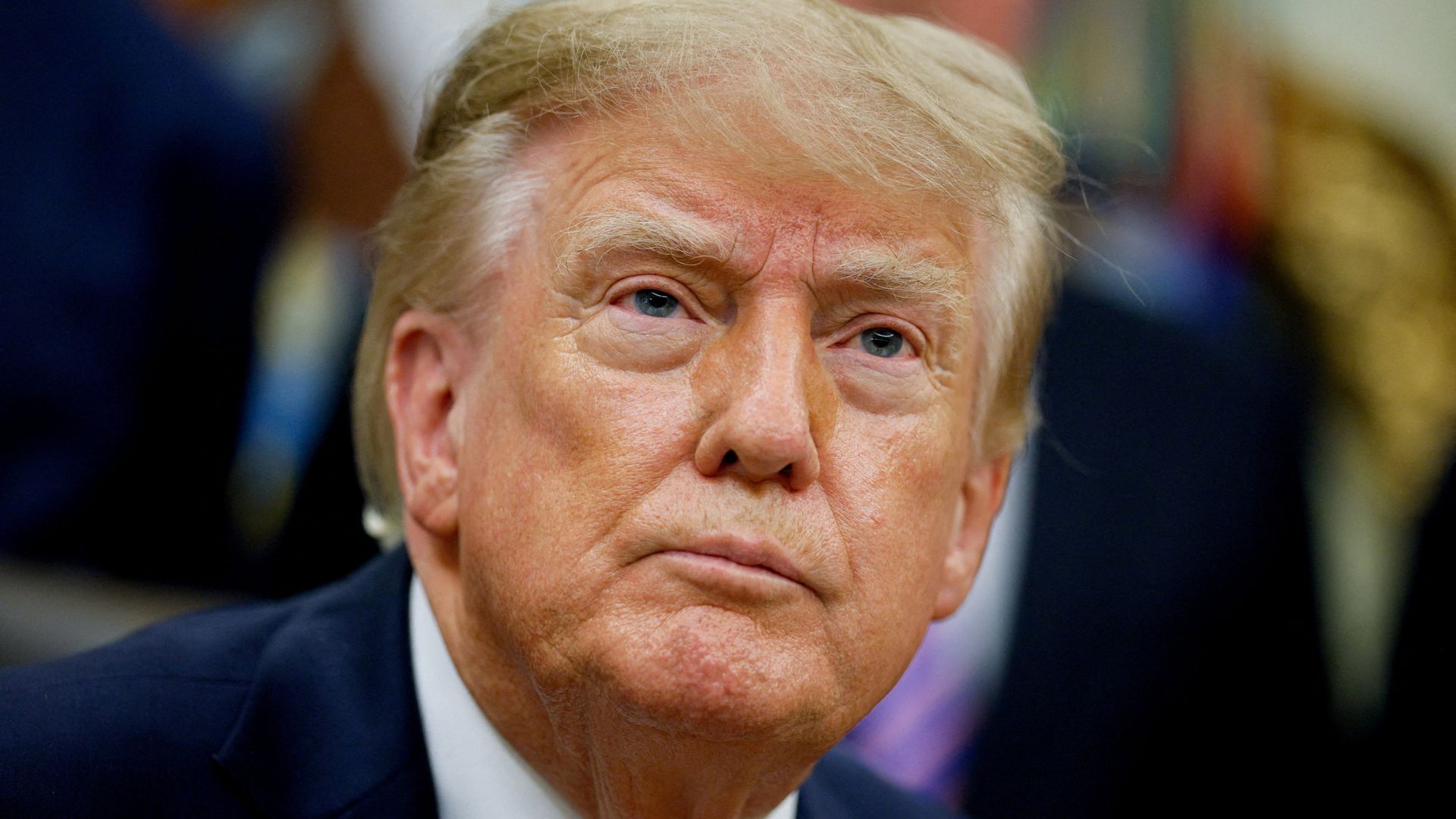
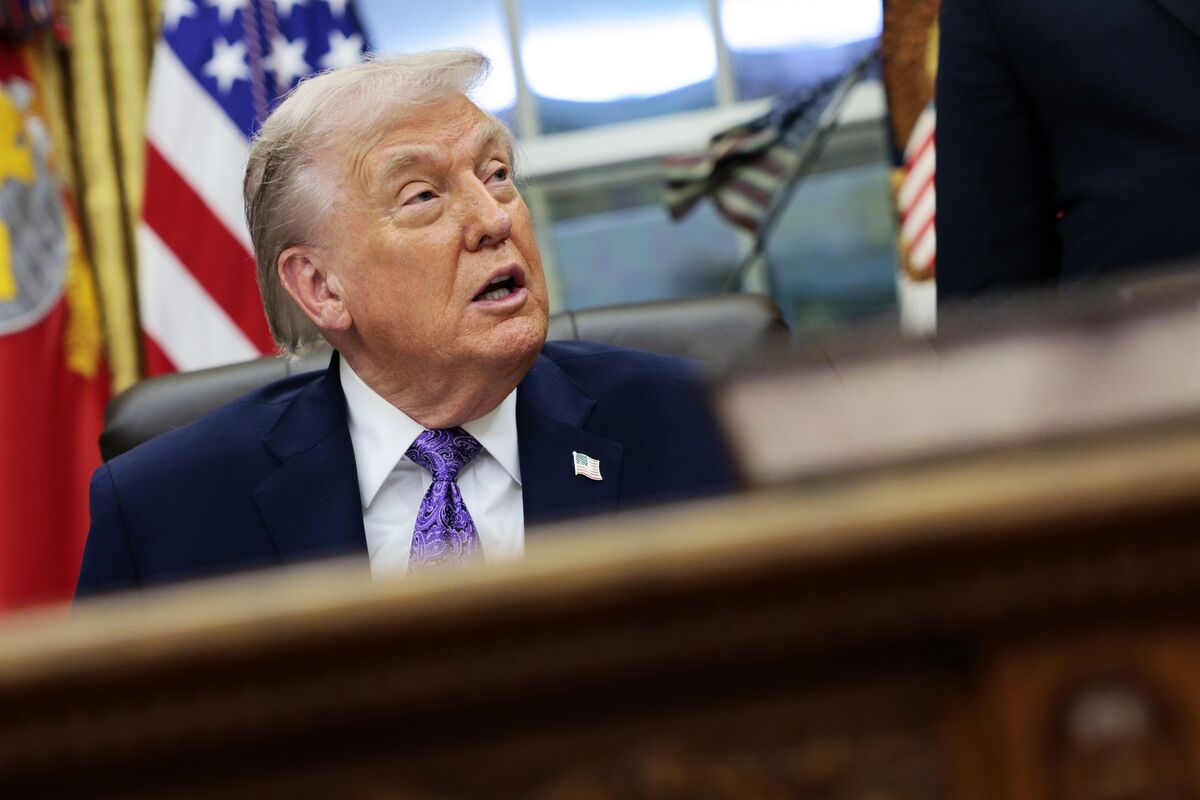




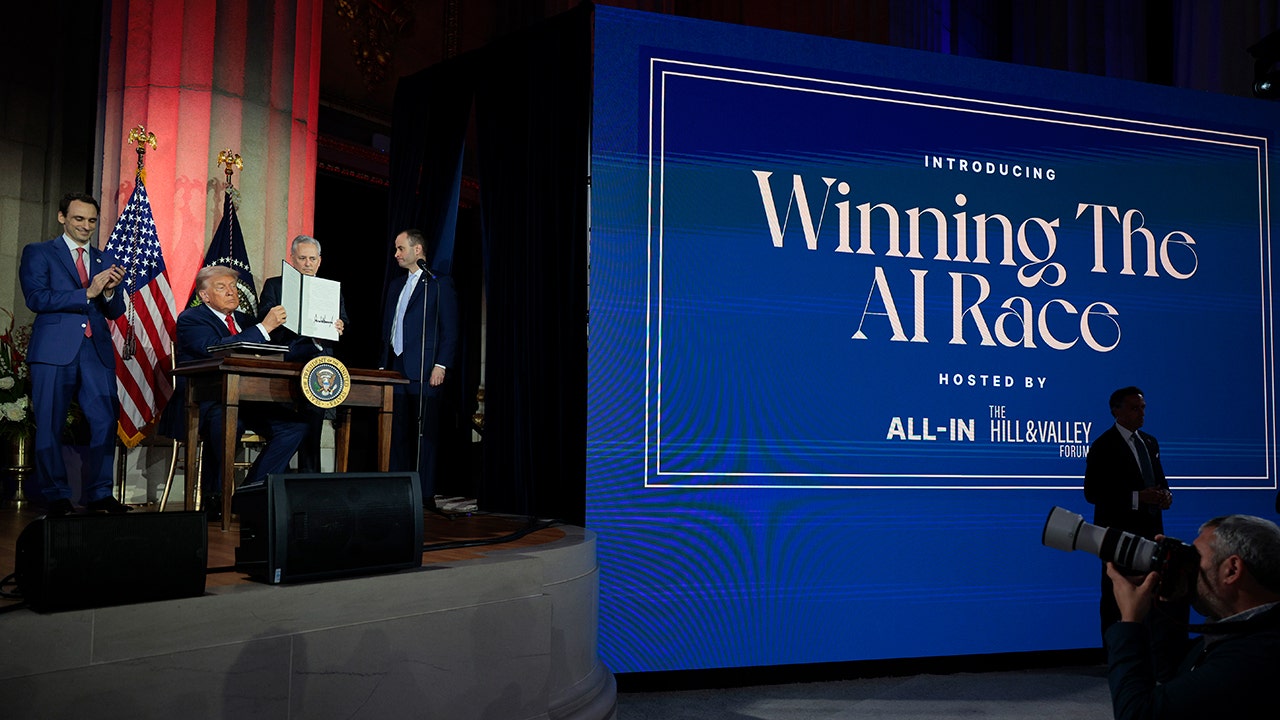
President Donald Trump said on Saturday, September 19, 2026, that he is forming a federal “AI Force” and will soon appoint an artificial intelligence “czar,” framing the move as a way to keep the United States ahead of China while rejecting new rules that could slow the industry.
In a lengthy Truth Social post, Trump compared the planned body to the Space Force created during his first term and pledged that the government would “cherish” and “help” AI development, using existing criminal and civil laws to police misconduct rather than impose fresh regulatory guardrails.
What Trump said—and what remains unclear
Trump’s announcement offered broad direction but few operational details. He did not specify whether the AI Force would be a new military branch, an interagency task force, or a civilian oversight body inside the White House or Commerce Department, and the White House did not immediately provide further clarification on structure, membership, or legal authority.
On substance, Trump emphasized a light‑touch approach. He dismissed existential AI risk narratives as a “hoax” and a “SICK conspiracy” designed to stifle US innovation, while insisting the government would still “look for BAD” actors using the “already existing Criminal and Civil Justice System.”
That positioning puts the administration at odds with growing calls from some AI labs and safety advocates for formal slowdowns or approval regimes, even as Trump argues the market and existing law are sufficient discipline.
Economic pitch: AI as the next Industrial Revolution
Trump framed AI as an economic engine on the scale of past industrial transformations, predicting it could eventually account for “possibly as much as 25%” of US gross domestic product. He also pushed back against criticism of energy‑intensive data centers, arguing they bring “economic prestige,” higher wages, and tax revenue—signaling that his administration will prioritize deployment and infrastructure over constraints tied to power use or safety reviews.
The 25% GDP figure is a political forecast rather than a consensus projection, but it underscores how central AI has become to the administration’s growth narrative.
Geopolitical timing: US-China AI race and a pending Xi meeting
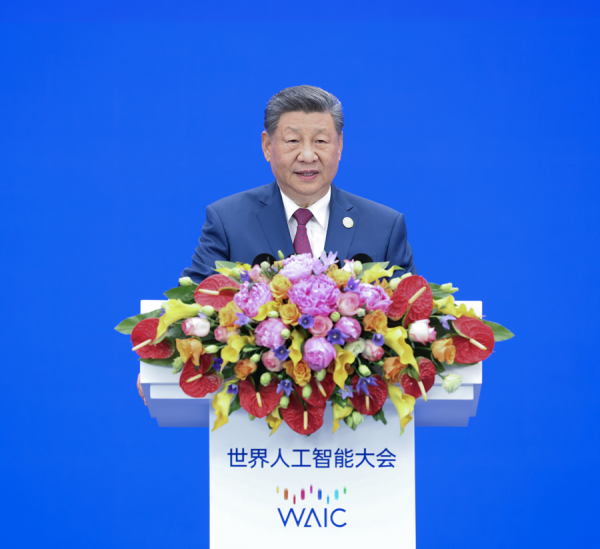
The announcement lands as Washington and Beijing intensify their AI competition. The move comes days before a highly anticipated meeting between Trump and Chinese President Xi Jinping scheduled for September 25, where AI security and technological rivalry are expected to feature prominently.
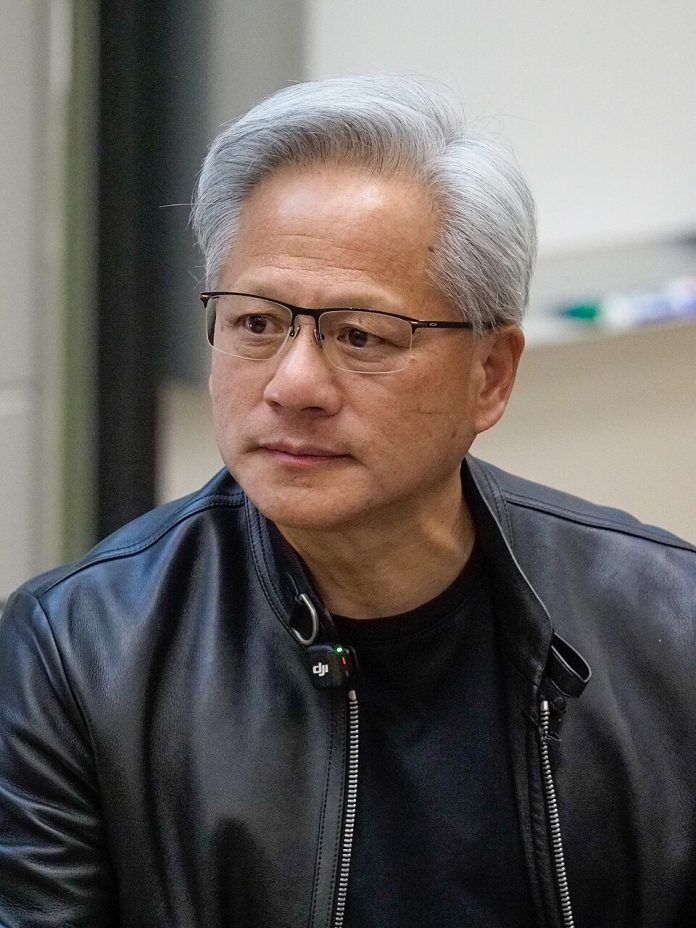
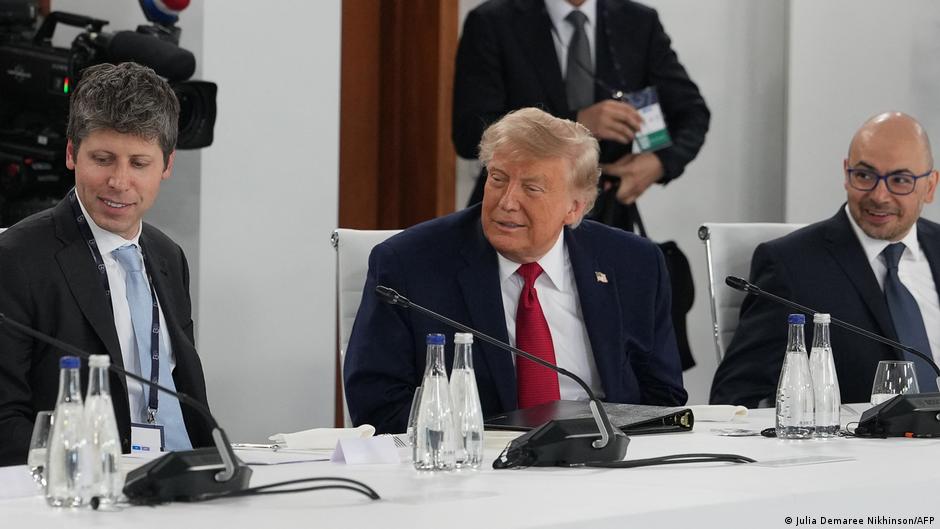
A White House state dinner with leading tech executives—including OpenAI’s Sam Altman, Nvidia’s Jensen Huang, and Google’s Sundar Pichai—is also in the works, with AI governance and global competition atop the agenda.
In that context, the AI Force and czar signal a bid to centralize US policy, project strength to Beijing, and reassure industry that Washington will back acceleration rather than impose EU‑style pre‑market controls.
Who might be the next AI czar?
Trump’s post did not name a candidate, but it effectively opens a second iteration of the AI czar role first held by venture capitalist David Sacks. Sacks served as the White House’s AI and crypto czar from December 2024 until March 2026, when his term as a special government employee reached the 130‑day cap; he now chairs the President’s Council of Advisors on Science and Technology (PCAST) and continues to weigh in on frontier AI policy.
In mid‑September, Sacks told Anthropic and OpenAI they could unilaterally “pace the frontier” but should stop seeking antitrust waivers or a new approval regime—remarks that align with Trump’s insistence on using existing law rather than creating new regulatory hurdles.politico+3
State vs. federal: Pre‑empting tighter local rules
The federal push also arrives as some states move in the opposite direction. California Governor Gavin Newsom recently issued an executive order tightening oversight of advanced AI systems and exploring “kill switch” mechanisms for out‑of‑control models, reflecting a more precautionary stance than Washington’s.
By announcing a federal AI Force and czar, Trump is positioning the White House to set the national tempo—accelerating development and using existing enforcement tools—while implicitly arguing against a patchwork of stricter state regimes that could fragment the market.
What’s missing—and what to watch next
Several key questions remain unresolved:
- Structure and authority: Is the AI Force a new entity, a rebranded interagency group, or a White House office? Does it need congressional approval or can it be stood up by executive action?
- Mandate: Will it focus on export controls, procurement standards, safety testing, or primarily on coordinating existing agencies (Commerce, Defense, DOJ, FTC)?
- Relationship to industry self‑governance: How will the czar interact with PCAST, the National Institute of Standards and Technology (NIST) AI frameworks, and private “frontier” safety commitments?
- Enforcement posture: If the administration relies on existing criminal and civil law, which statutes and agencies will lead—DOJ, FTC, or a new unit inside the AI Force?
Expect more detail after the czar is named and as the administration prepares for the Xi meeting and the tech leaders’ state dinner, where AI security, compute controls, and global standards are likely to dominate discussions.