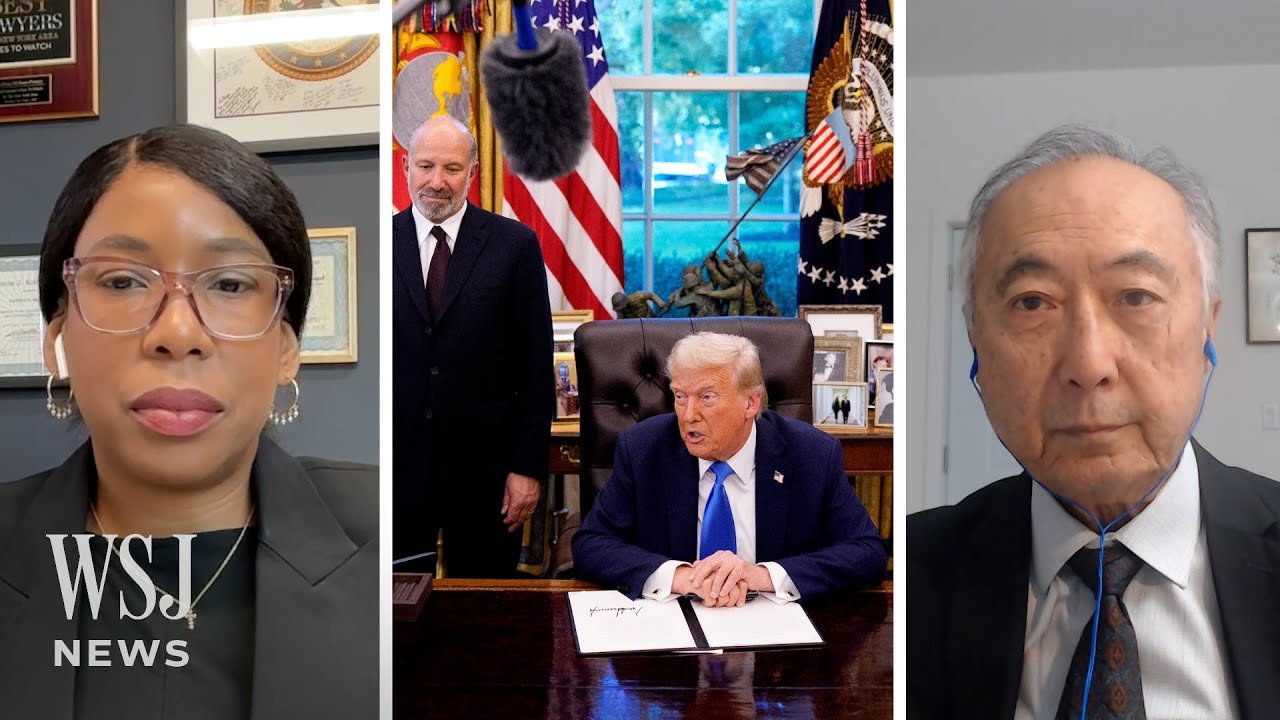
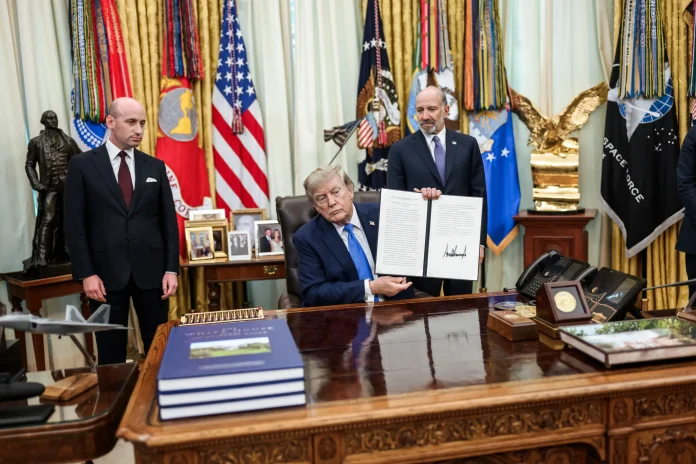
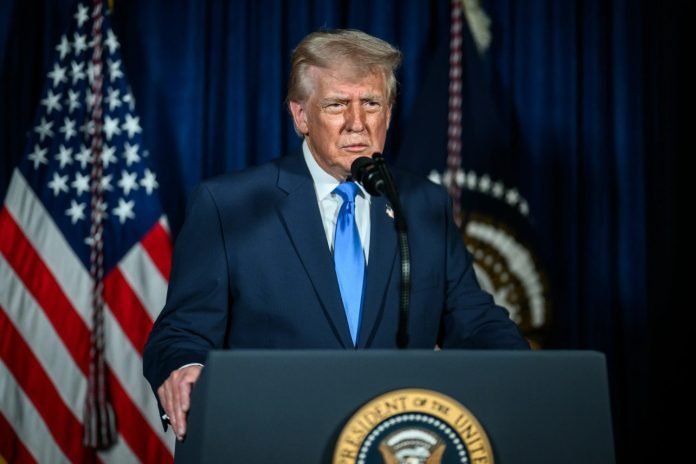
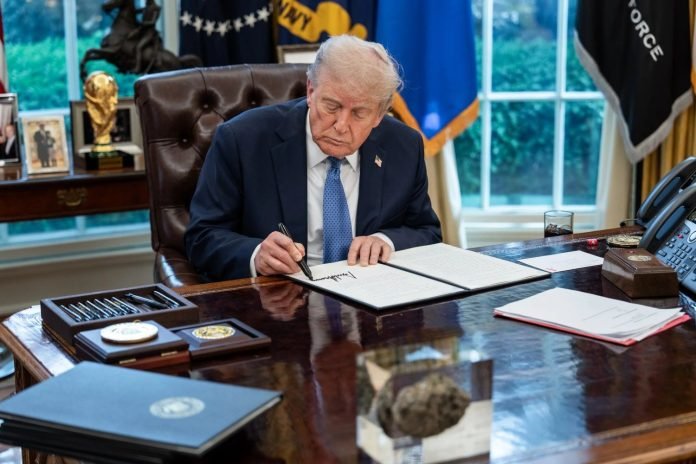
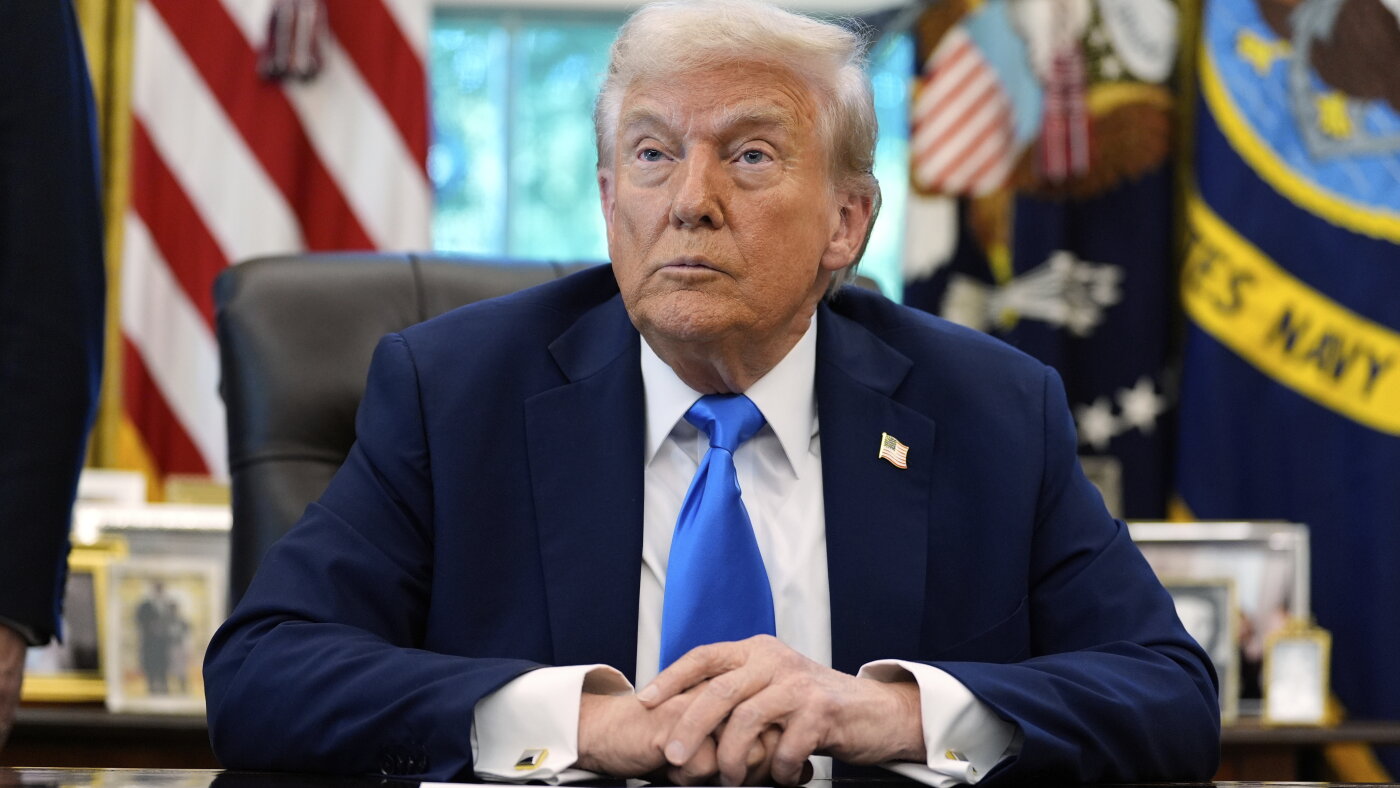
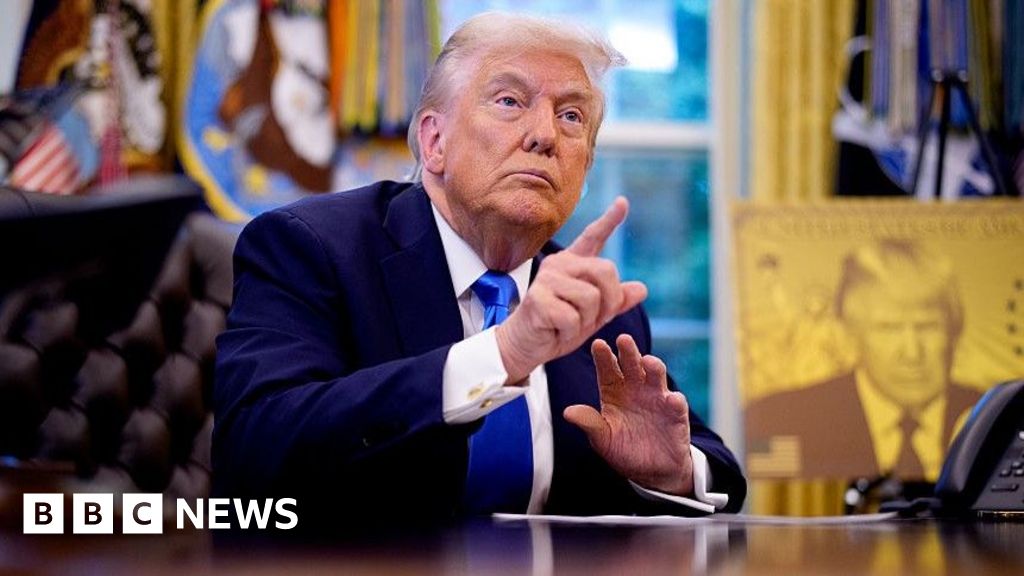
On September 19, 2025, President Donald Trump signed the proclamation “Restriction on Entry of Certain Nonimmigrant Workers,” which introduced a $100,000 fee for new H-1B visa petitions. US President Donald Trump issued an executive order imposing a one-time $100,000, or £74,000, fee on applicants to the H-1B visa program for skilled foreign workers. The order cites abuse of the program as the reason and states that entry will be restricted unless the payment is made.
It primarily targets new H-1B petitions for beneficiaries currently outside the United States and future applicants in the 2026 lottery. The fee requirement began for petitions filed from September 21, 2025. Critics have long claimed that the H-1B program undermines American workers, while supporters such as billionaire Elon Musk say it helps the US attract top international talent.
Students currently on F-1 or OPT visas are exempt from the fee when changing status within the US. This has created a short-term advantage for them over overseas applicants, as they are now cheaper to sponsor. Entry for skilled workers abroad has been effectively shut down except for the highest-paid roles, pushing talent toward other hubs like Vancouver, Toronto, or London.
The administration argues this protects American wages by preventing companies from replacing them with cheaper foreign labor. However, economists warn it may lead to fewer total jobs if companies move entire R&D departments offshore.
$1million gold card scheme
In a separate directive, Trump introduced a new gold card scheme to expedite visas with a path to citizenship for select immigrants, with fees beginning at $1million. For corporations, the cost of sponsoring an employee will come up to $2million. When first unveiled in February 2025, Trump described a $5million gold card to replace the existing investor visa, but that product has since evolved into the higher-tier Platinum Card. The Trump Platinum Card will cost $5 million and give foreign nationals the right to spend up to 270 days a year in the United States without being liable for US tax on income earned outside the country.
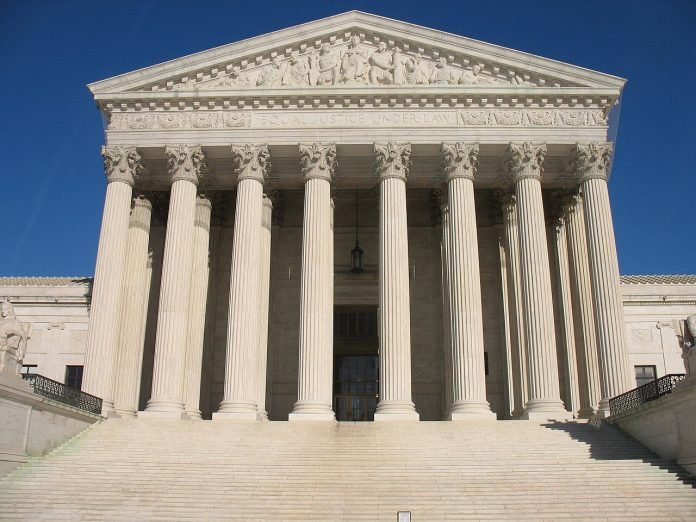
The administration is also moving toward a weighted selection process for the H-1B lottery, effective February 27, 2026, that favors higher-paid workers to prevent wage undercutting. The Secretary of Homeland Security may grant waivers for roles or industries deemed to be in the national interest. On December 23, 2025, the US District Court for the District of Columbia upheld the proclamation, ruling that the President has broad statutory authority to regulate the entry of nonimmigrants. Multiple lawsuits from business groups and state attorneys general are ongoing or under appeal.
Who will it impact
The $100,000 H-1B fee has significantly altered the landscape for global talent and US employers, creating a stark divide between organizations capable of absorbing the cost and those forced to exit the program. India and China, as the top recipients of H-1B visas in FY 2024, with India at 71% approvals and China at 11.7%, are the most impacted.
Leading Indian IT firms like TCS, Infosys, and Wipro are expected to face hundreds of millions in additional costs. For example, Infosys could face over $1 billion. Small firms and venture-backed startups, often called kneecapped by the policy, find the fee nearly insurmountable, as it can represent 10 to 20% of their annual revenue. Many are shifting to remote global talent models or hiring through Employers of Record to avoid local sponsorship costs.
Rural hospitals and clinics, which rely heavily on foreign-trained doctors to fill critical staffing gaps, face a severe death sentence for local care access. These institutions often lack the margins to pay the $100,000 fee for essential primary care physicians. Approximately 20% of immigrant doctors in the US are of Indian origin. There are concerns that hospitals will be deterred from hiring new Indian doctors, potentially crippling rural healthcare systems.
Large IT consulting firms, historically the biggest users of H-1Bs, are accelerating offshoring to India, Canada, and Eastern Europe rather than paying the fee for mid-level roles. Major companies like Amazon, Google, and Nvidia can largely absorb the cost, leading to a consolidation of global talent at Fortune 500 firms while smaller competitors lose out. Experts fear the talent tariff undermines US leadership in AI and emerging tech by deterring the researchers and engineers necessary for high-level R&D.
Strategic brain gain for China
Experts warn that the hike may result in a strategic coup for China. As US policies push away future founders and researchers, China is positioning itself as an alternative.
In direct response to US restrictions, China introduced the K visa on October 1, 2025. It targets young STEM talent and, unlike the H-1B, does not require employer sponsorship, allowing graduates to start businesses or conduct research freely.
Why it matters
Trump’s $100,000 H-1B fee represents the most dramatic overhaul of the US skilled worker immigration system in decades, fundamentally reshaping how global talent flows into America. The policy creates a two-tier system where only wealthy corporations and highly-paid workers can access the program, while startups, rural healthcare, and IT outsourcing firms face existential threats.
With India and China bearing the brunt of the impact, the fee risks accelerating offshoring and driving innovation to competitors like Canada and China, which has already launched its own K visa to attract STEM talent. While the administration argues the policy protects American wages, economists warn it could reduce total employment if companies relocate R&D operations overseas.
The court upholding the proclamation while multiple lawsuits continue highlights the legal and political battles ahead, as the US grapples with balancing immigration control against maintaining its competitive edge in AI and emerging technologies.