In October 2025, South Korea and the US formalized a trade agreement involving a $350billion investment pledge from Seoul in exchange for reduced US tariffs. Initially agreed upon in July 2025, the deal aims to lower US tariffs on certain South Korean goods from 25% to 15%.
Building upon the original 2012 KORUS FTA, the two nations formalized a new agreement in late 2025. During the 2025 APEC summit and subsequent finalization in mid-November, the US and South Korea moved from a high-level agreement to a detailed operational framework.
Lower tariffs, investments and nuclear-powered submarines
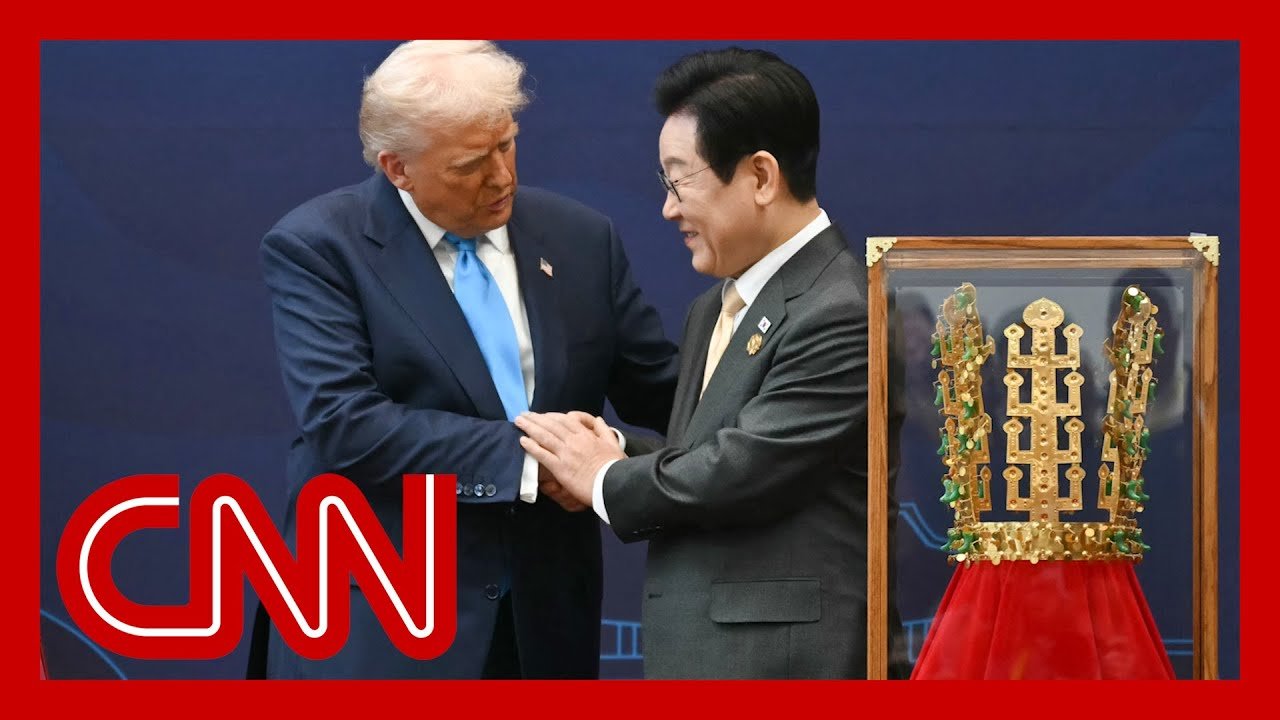
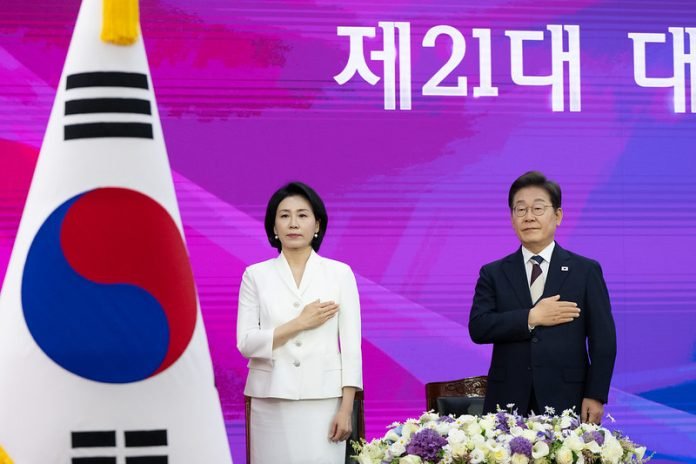
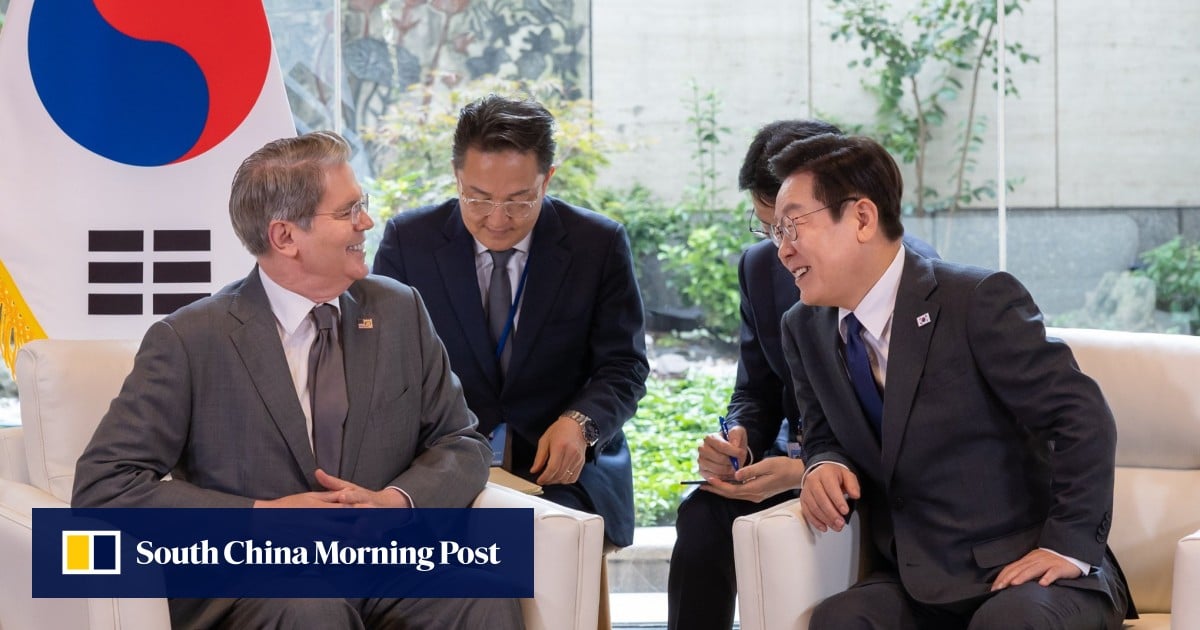
On the sidelines of the APEC Leaders’ Meeting in Gyeongju on October 29, Presidents Trump and Lee Jae-myung announced the conclusion of major trade negotiations.
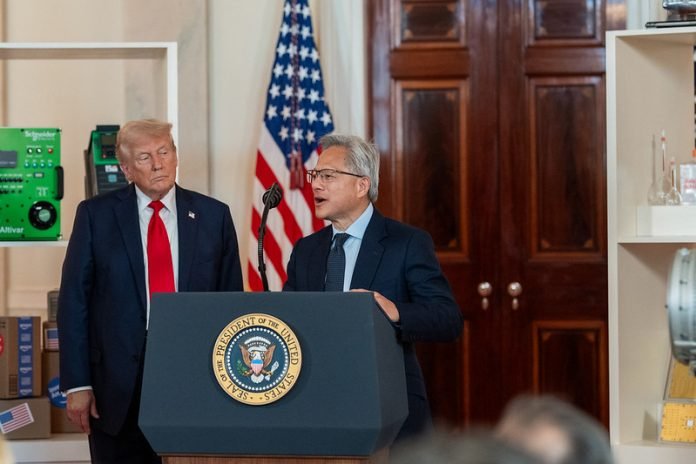
Official confirmation came that US tariffs on South Korean goods, primarily autos, would be capped at 15%, down from 25%. The $350billion commitment was clarified as $150billion for shipbuilding and $200billion for strategic sectors like chips and AI.
Seoul announced a $20billion annual disbursement limit to protect the Korean won from exchange rate shocks. In a surprise development, an in principle agreement allowed South Korea to pursue nuclear-powered submarines with US support.
Trump awarded Grand Order of Mugunghwa
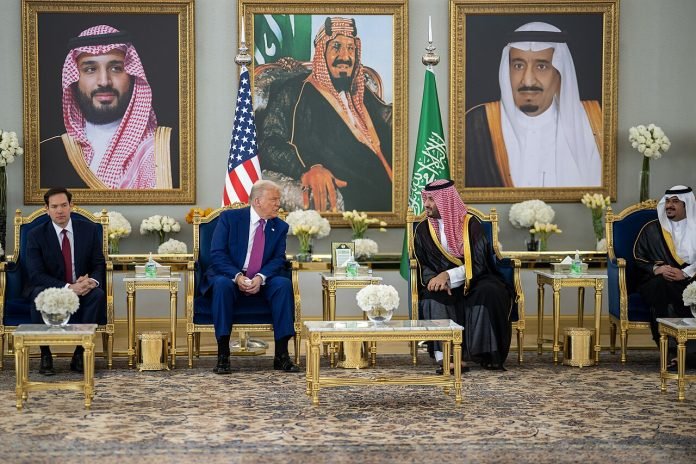
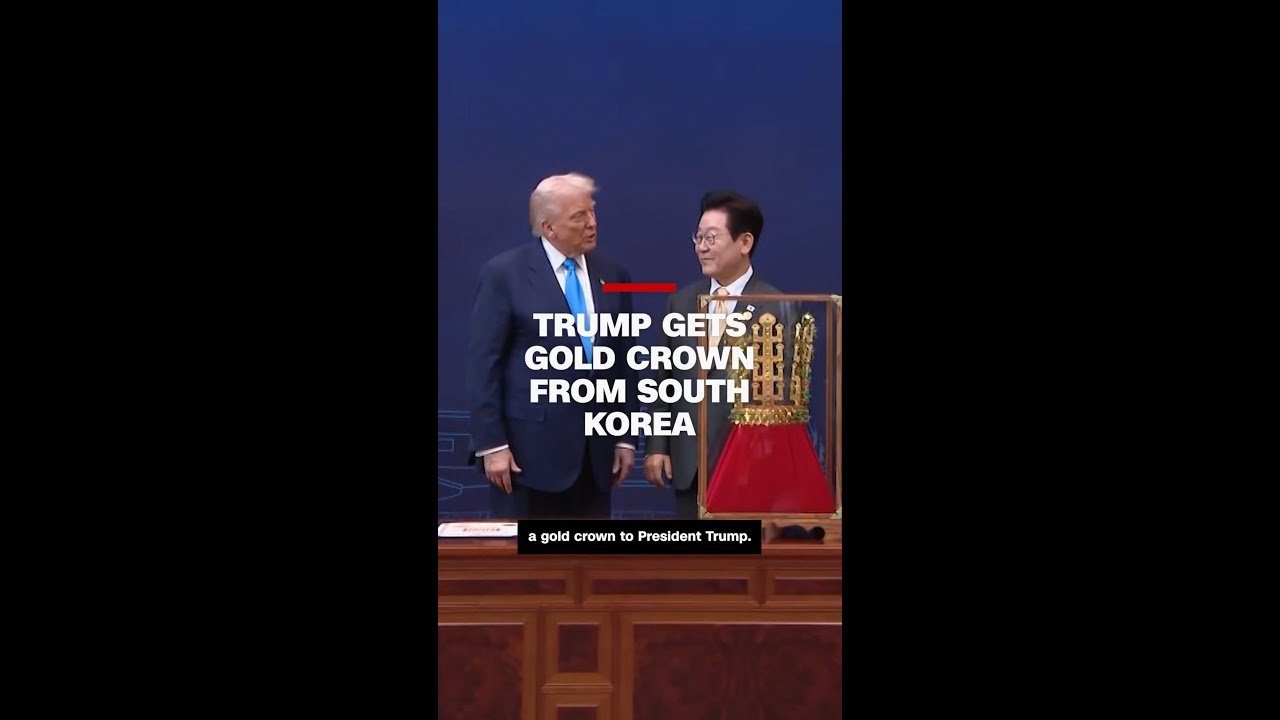
During the meeting, Trump was welcomed with an honor guard and presented with several gifts, including a golden crown. He was also awarded the Grand Order of Mugunghwa, South Korea’s highest honor, making him the first US president to receive it in recognition of his efforts to promote peace on the Korean Peninsula.
Joint Fact Sheet: Tariff details, LNG deals, and chip protections
On November 14, the two nations released a Joint Fact Sheet and the official MOU text to define the technical implementation.
South Korea agreed to eliminate the 50,000-unit cap on US-built vehicles and streamline emissions certification based on US standards. Detailed provisions showed that wood, lumber, and pharmaceuticals would also see a 15% cap, while aircraft parts and generic drugs would become tariff-free.
The agreement formalized the purchase of 3.3million metric tons of US LNG annually and ensured South Korean chips receive terms no less favorable than those given to Taiwan. A 50-50 profit-sharing model was set for investments until the principal is recovered, with a 20-year window for South Korea to recoup its capital.
Commitments were made to remove non-tariff barriers on US meat and ensure cross-border data transfers for digital services.
Reactions to the deal
Experts initially praised the headline inflation strategy using large investment numbers to secure non-tariff concessions, such as the nuclear-powered submarine cooperation.
Analysts at Morgan Stanley and Citi characterized the deal as avoiding a worst-case scenario. They noted that the 15% tariff put South Korea on a level playing field with Japan and the EU, preventing a catastrophic 25% universal duty.
Shipbuilders welcomed the deal due to the $150billion US-bound investment fund aimed at reviving American shipyards, which promised massive new contracts. Automakers remained wary. While the 15% rate was better than 25%, it still represented a significant cost increase. Hyundai and Kia began expanding local US parts procurement to mitigate future risks.
Why it matters
The deal represents one of the largest bilateral investment commitments in history and marks a significant shift in US-South Korea economic relations. For Seoul, it secures vital tariff protections and a strategic security breakthrough with the submarine pact. For Washington, it delivers a major investment pledge from a key US ally while reinforcing supply chain partnerships in chips, AI, and energy.