Apple pledged an additional $100 billion in US investment in August 2025, bringing its total planned domestic spending to $600 billion over four years, as the company moves to align more closely with Washington’s push for onshore manufacturing.
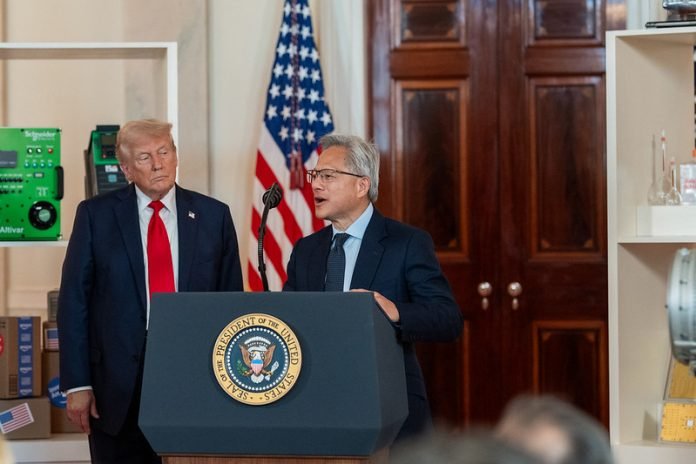
On 6 August 2025, President Donald Trump and Apple CEO Tim Cook jointly announced the expanded investment during an event at the White House, framing it as a major commitment to US manufacturing and technology development.
The new $100billion pledge builds on Apple’s existing plans and is focused on expanding domestic production capacity, particularly in areas tied to artificial intelligence and semiconductor supply chains.
A key element of the initiative is Apple’s American Manufacturing Program, which includes partnerships with companies such as TSMC and GlobalFoundries to produce advanced chips and AI server infrastructure within the United States.
The move also positions Apple to benefit from exemptions to new tariffs on imported semiconductors, as the administration ties trade policy to domestic investment commitments.
What the investment includes
Apple’s plan spans manufacturing, workforce development, and supplier expansion across multiple states.
The company aims to create around 20,000 jobs, primarily in research and development, silicon engineering, and artificial intelligence.
New and expanded facilities include a server manufacturing site in Texas, a manufacturing training academy in Michigan, and an innovation centre in Kentucky in partnership with Corning, a key supplier of iPhone glass.
Apple also signalled a broader shift toward domestic sourcing, with plans for more components used in global products to be produced in the United States.
What drove the move
The announcement followed mounting pressure from the Trump administration to reshore supply chains.
Earlier in 2025, the White House had threatened tariffs on imported electronics and later introduced measures targeting semiconductor imports, raising the risk of significantly higher costs for companies reliant on overseas production.
Apple, which had expanded manufacturing in countries such as India, faced potential financial impacts from these policies. The investment commitment was widely seen as a way to mitigate tariff exposure while maintaining operational flexibility.
Market and industry reaction
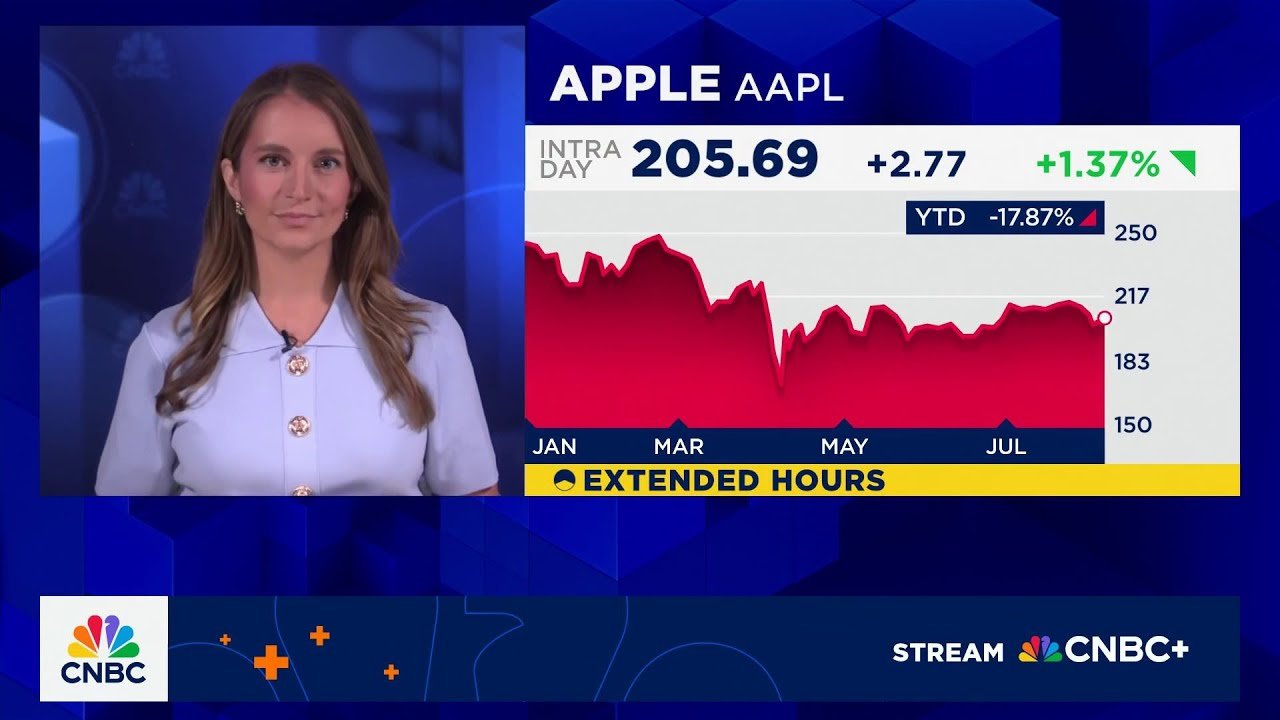
The announcement was positively received by markets, with Apple’s stock rising sharply in the days following the news.
Analysts said the move reduced immediate tariff risks but questioned the feasibility of rapidly shifting large-scale production to the United States, given cost structures and supply chain complexity.
Some investors viewed the pledge as partly political, noting that fully localising production — particularly for products like the iPhone — remains unlikely in the near term.
At the same time, suppliers and domestic partners welcomed the investment, with companies such as Corning expanding capacity to meet expected demand.
Broader implications
The announcement reflects a wider trend of governments pushing for supply chain resilience and domestic manufacturing in strategic sectors, particularly semiconductors and AI infrastructure.
For Apple, the move underscores the growing intersection of geopolitics and technology, as companies balance global efficiency with rising political and regulatory pressures.
Read also:
NVIDIA to build out $500b of AI infrastructure in the US
Tech giants pledge $500b investment in US AI infrastructure