President Donald Trump concluded a four-day “historic return” to the Middle East on May 16, 2025, returning to the United States with record-breaking investment pledges totaling roughly $2trillion from Saudi Arabia, Qatar, and the United Arab Emirates, capping what his administration called a triumph of “America First” transactional diplomacy.
The trip, which ran from May 13 to 16, marked Trump’s first major foreign tour since taking office for his second term and focused heavily on economic deals, arms sales, and technology partnerships rather than traditional diplomatic statecraft.
Saudi Arabia: $600billion and the largest arms deal in history
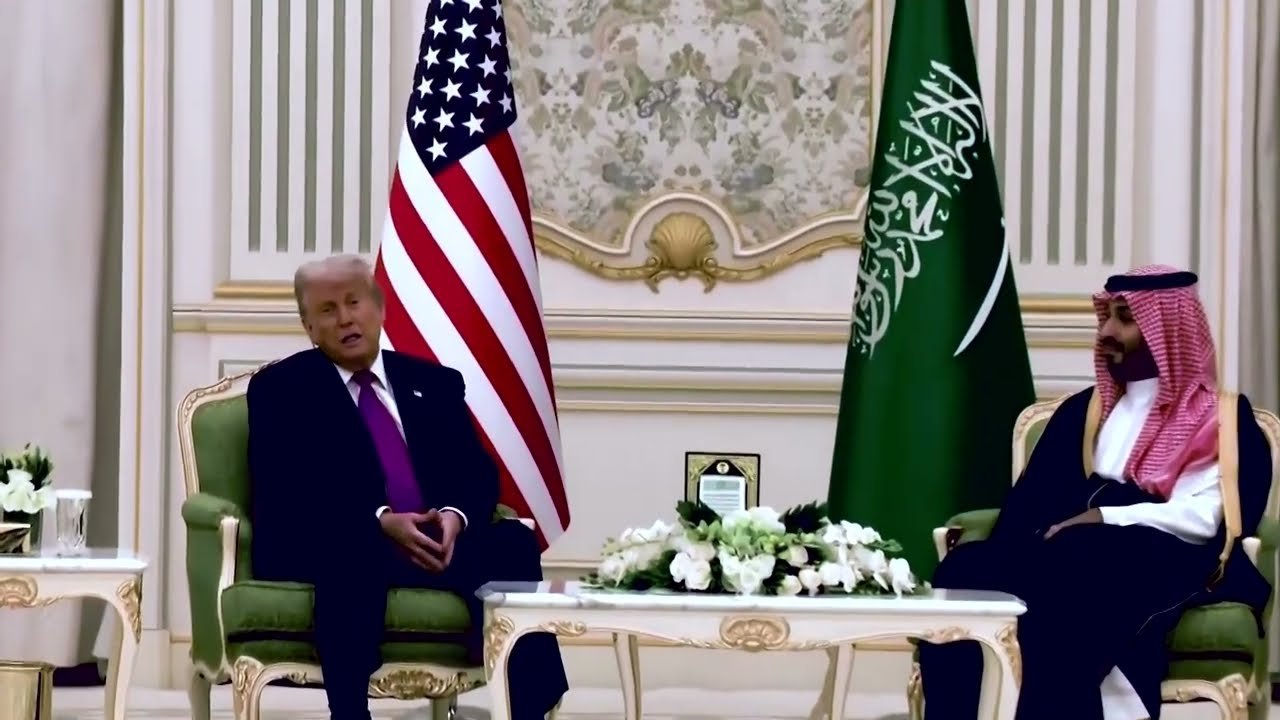
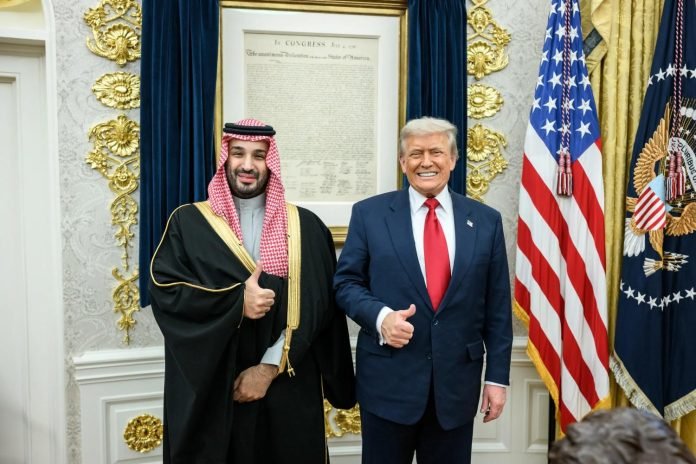
Trump kicked off the tour in Riyadh on May 13, where he and Crown Prince Mohammed bin Salman signed a “strategic economic partnership” featuring a $600 billion commitment to the US economy—the largest single-country investment pledge in the trip.
The centerpiece was a $142billion arms package, the largest defense sale in US history, including advanced missile defense systems, space capabilities, and maritime security technology. US tech giants Google, Oracle, and AMD also pledged $80billion in joint ventures, while Saudi firm DataVolt committed $20 billion to build AI data centers in the United States.
In a significant diplomatic shift, Trump announced the lifting of all US sanctions on Syria and held a historic sideline meeting with new Syrian President Ahmed al-Sharaa, the first time a US president has met with the country’s leadership in years.
Qatar: $1.2trillion in agreements, Boeing milestone
In Doha on May 14 to 15, Trump and Emir Sheikh Tamim bin Hamad Al Thani signed agreements with a potential value of $1.2trillion. Qatar Airways placed a $96billion order for up to 210 Boeing wide-body jets, the largest order in the aerospace company’s history.
The emirate also committed $10billion to expand Al Udeid Air Base, which hosts the largest US military installation in the Middle East. During the visit, Trump signaled that the US was “very close” to negotiating a new nuclear deal with Iran.
UAE: $1.4trillion AI commitment, chip deal
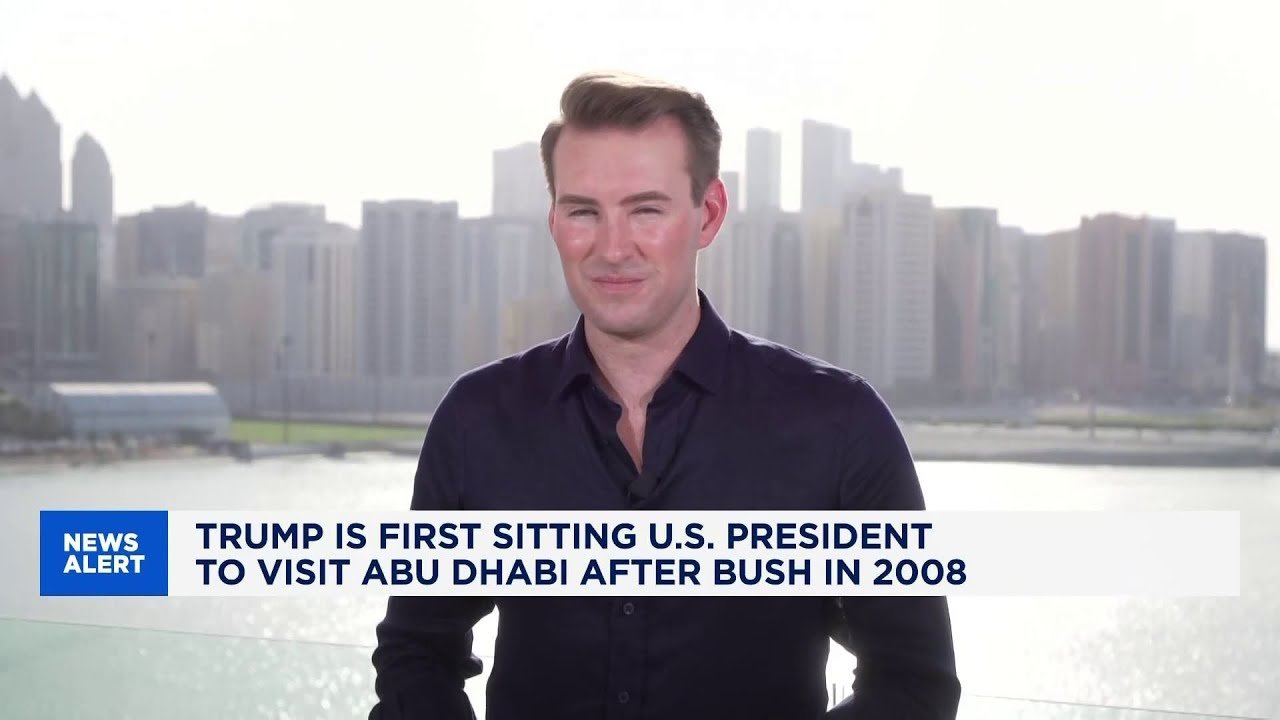
The tour concluded in Abu Dhabi on May 15 to 16, where the UAE pledged to invest $1.4trillion in the US over the next decade, primarily targeting artificial intelligence and semiconductors. A landmark deal with Emirati firm G42 and the US Department of Commerce aims to build the largest AI data center outside the United States in Abu Dhabi.
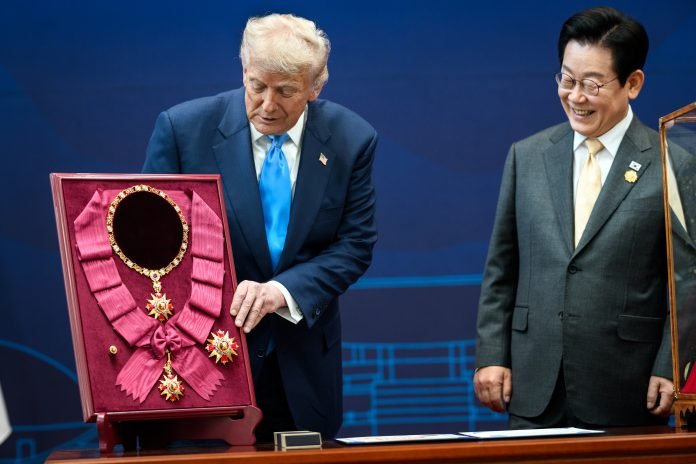
The US also agreed in principle to allow the UAE to import up to 500,000 advanced Nvidia chips annually, a significant relaxation of export controls. Trump was awarded the Order of Zayed, the UAE’s highest civil decoration.
Israel absent, Gaza famine acknowledged
The tour notably excluded Israel, a departure from Trump’s first-term approach. Trump denied the omission was a deliberate snub, but the absence drew attention from regional observers. Trump also pushed for Syria and Saudi Arabia to join the Abraham Accords, though Saudi officials reiterated that normalization requires a Palestinian state.
On the final day of the trip, Trump acknowledged the famine in Gaza and promised to address the humanitarian crisis, marking a rare public admission of the worsening situation.
What it means
The trip exemplifies Trump’s transactional approach to diplomacy, prioritizing economic deals and arms sales over traditional alliance-building. The $2trillion in investment pledges represents a significant boost to the US economy, while the arms deals solidify US military influence in the region.
However, the exclusion of Israel and the ongoing Gaza famine highlight continuing tensions in US Middle East policy, and the promised Iran nuclear deal remains unconfirmed. The AI and semiconductor partnerships signal growing US-Gulf cooperation on emerging technologies, but also raise questions about technology transfer and regional security implications.