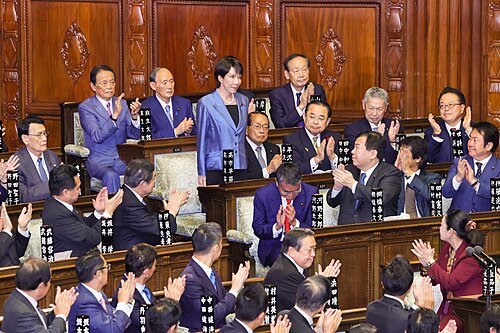
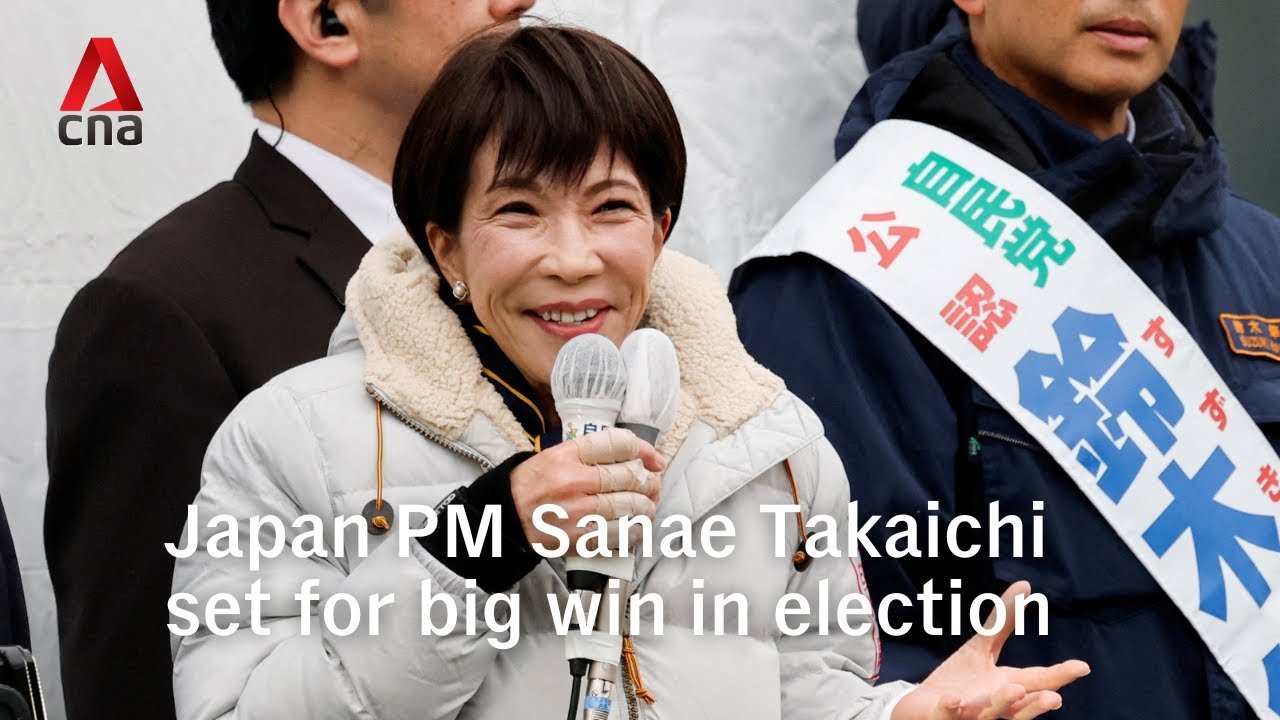
Japan’s ruling Liberal Democratic Party won a historic landslide in Sunday’s House of Representatives election, securing 316 of 465 seats and a rare standalone two-thirds majority in the lower house of the Diet. It is the first time in Japan’s postwar era that a single party has captured a two-thirds majority in the Lower House, with the LDP’s seat count rising sharply from 198 before the official campaign began on January 27.
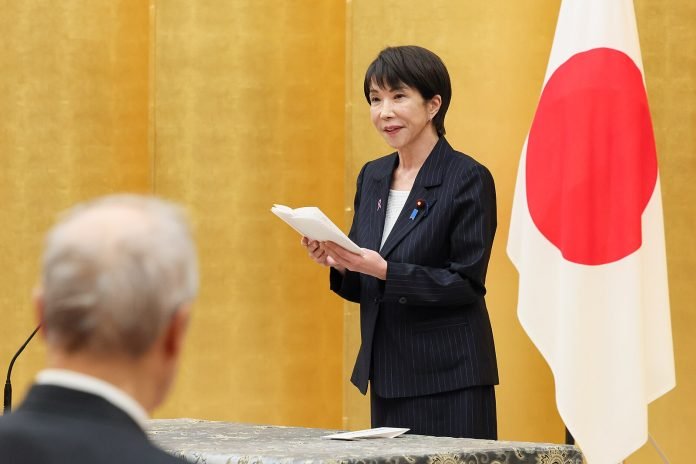
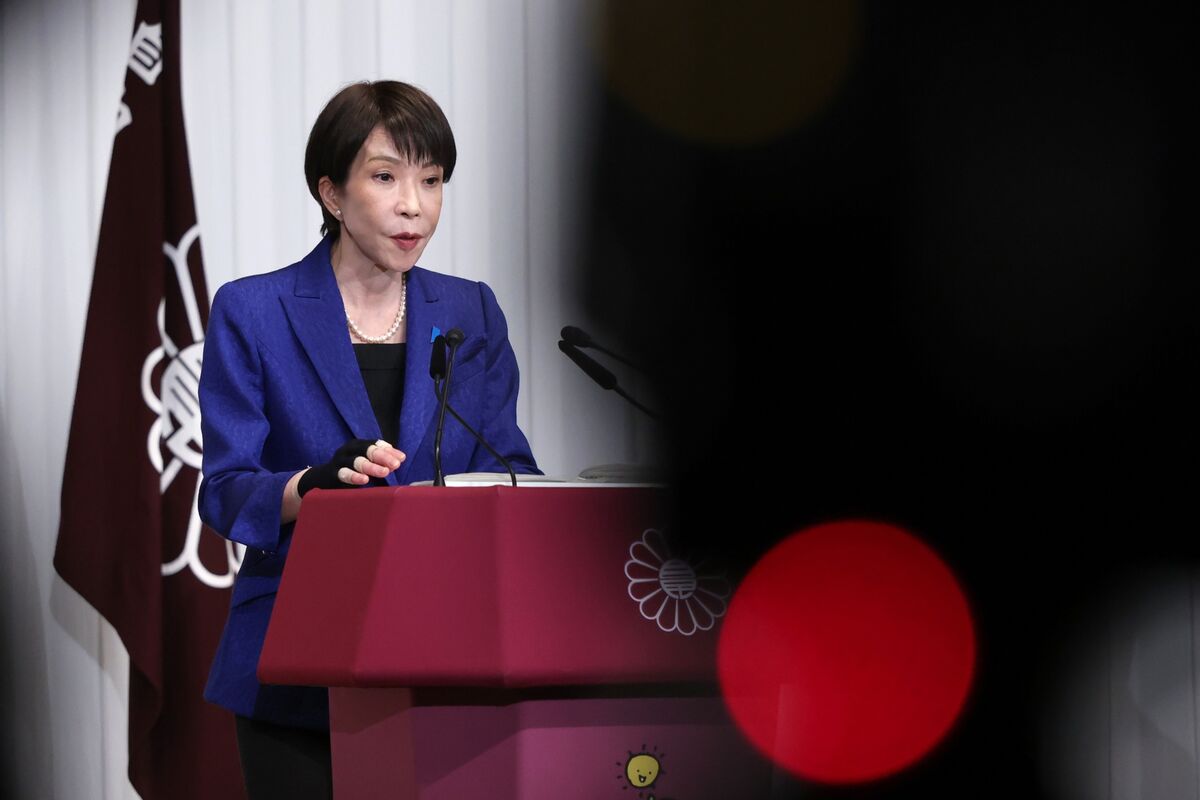
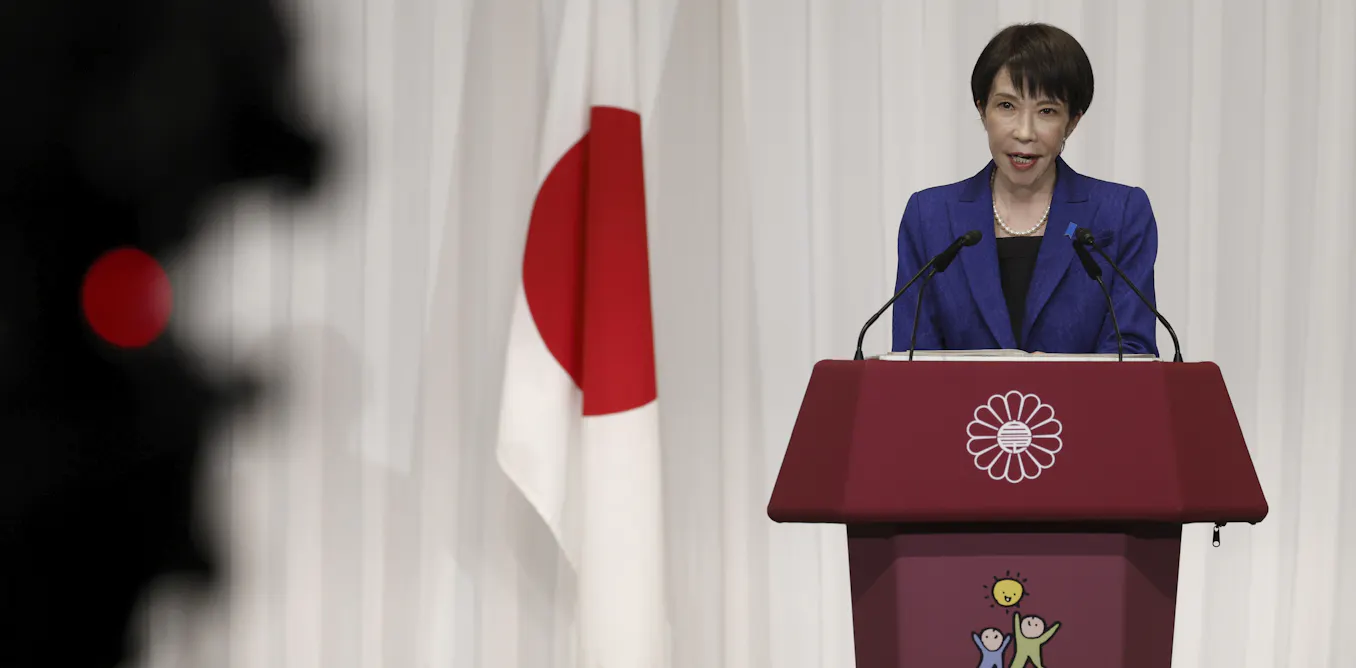
Prime Minister Sanae Takaichi, who leads the LDP, is now virtually assured of being re-elected as Japan’s leader at a special Diet session expected around Feb. 18, after which she will form her second cabinet. The party’s sweeping victory also gives it an “absolute stable majority,” meaning it will control all 17 standing committees in the Lower House, including the chairmanships.
Opposition setback
By contrast, the opposition Centrist Reform Alliance suffered a crushing defeat, winning just 49 seats after entering the election with 172. Co-leaders Yoshihiko Noda and Tetsuo Saito said they would resign to take responsibility, setting up a leadership election.
Turnout was estimated at 55.6%, slightly higher than in 2024 despite severe winter weather in some parts of the country.
Policy mandate
The supermajority gives Takaichi’s government a path to override the upper house, where it does not hold a majority, and strengthens its ability to pursue constitutional amendments, a long-standing goal for the prime minister. Takaichi has promised a “responsible yet aggressive” fiscal policy, including tax cuts such as a pause on food consumption tax, along with higher public spending aimed at supporting growth.
Her government also plans to accelerate military spending and tighten national security through new anti-espionage laws and possible constitutional revisions affecting the military. The move initially helped drive the Nikkei 225 to record highs, as investors responded positively to the prospect of stronger stimulus and reform.
Domestic reaction
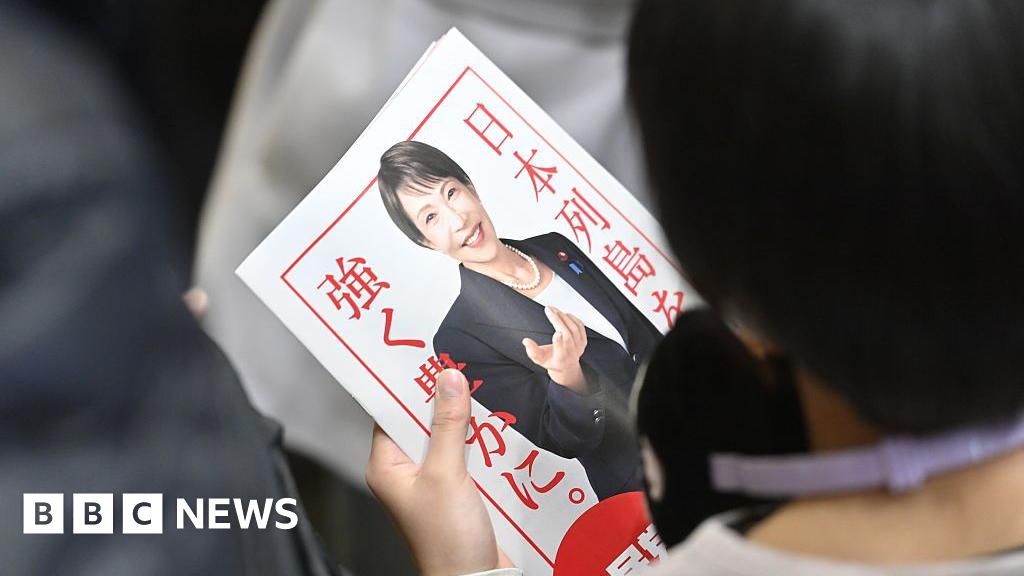
Takaichi has been widely described by supporters as a breath of fresh air, in part because of her middle-class background and lack of political dynasty ties, which helped the LDP recover some ground after recent scandals. At the same time, critics warned that the party’s expanding power could push Japan further to the right and sideline progressive issues such as same-sex marriage.
There are also concerns that the mandate could be used to pursue controversial constitutional changes. Even so, many voters and market participants appear willing to give Takaichi room to govern, betting that a large majority will allow her to spend more carefully and avoid unfunded fiscal risks.
Market response
The Nikkei 225 jumped nearly 4% to a record close of 56,363, with investors embracing what some analysts dubbed the “Takaichi trade.” Markets were encouraged by the prospect of aggressive fiscal stimulus, tax relief and corporate reform.
Japanese government bonds and the yen remained relatively stable, suggesting investors are not yet pricing in major volatility. Analysts from Fitch and other firms said the election points toward looser fiscal policy and possible food tax cuts, but noted that the LDP’s internal fiscal conservatives may still restrain the most expansive spending plans.
Foreign reactions
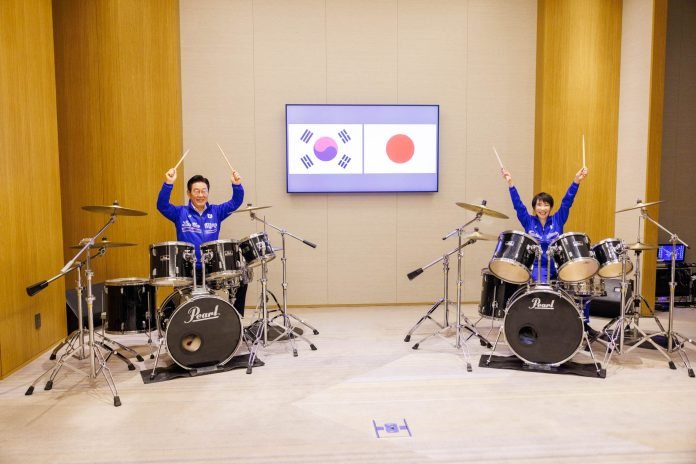
Taiwanese President Lai Ching-te was among the first to congratulate Takaichi, viewing the result as important for regional security. South Korean President Lee Jae-myung also offered congratulations, signaling continuity in bilateral security cooperation.
US President Donald Trump praised Takaichi’s “Peace Through Strength” agenda on Truth Social, reinforcing expectations that Japan will continue increasing defense spending. Takaichi is scheduled to meet him at the White House on March 19, 2026.
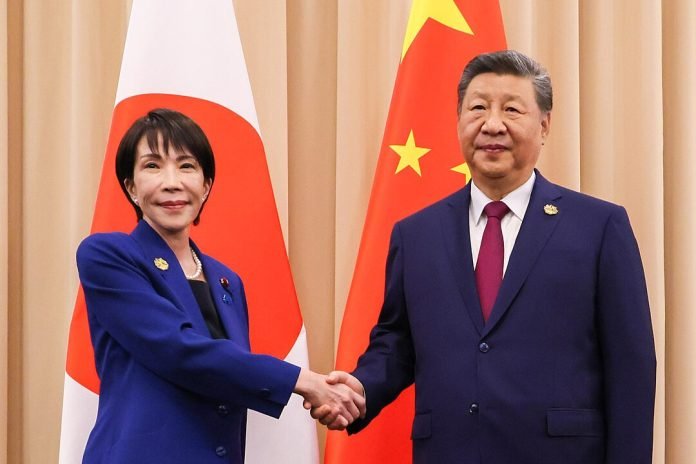
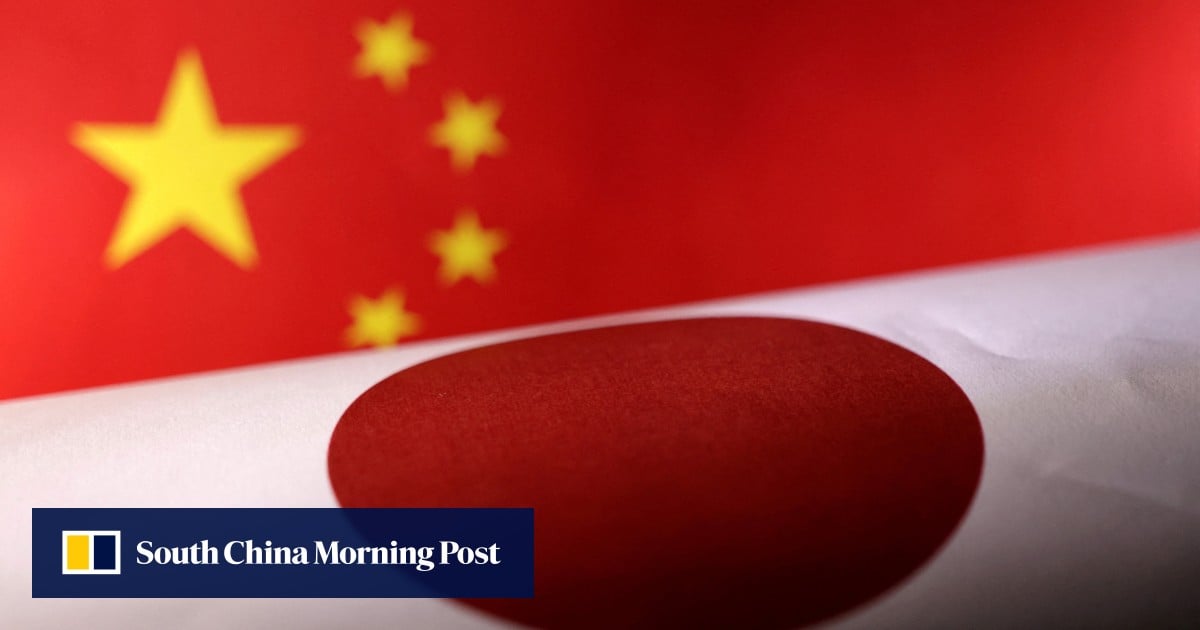
Beijing, meanwhile, reacted sharply, warning that any “reckless acts” would be met with a resolute response. Tensions remain high over Takaichi’s earlier suggestion that Japan could intervene militarily if Taiwan were attacked, and China has continued to pressure Tokyo through tourism curbs and export restrictions.
Read also: