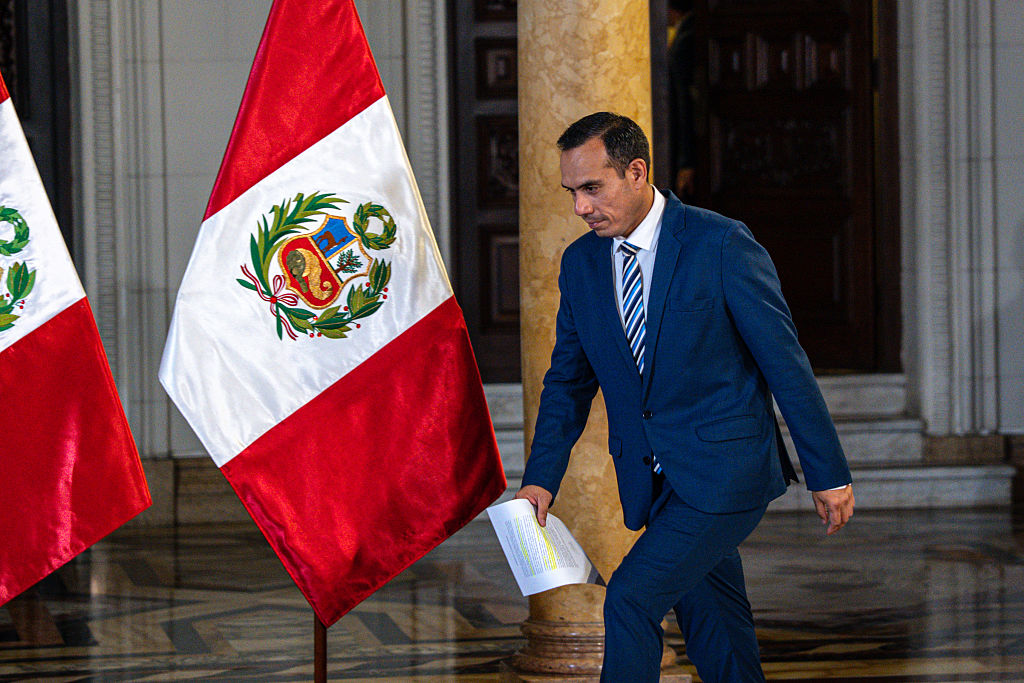
Peru’s Congress has impeached interim president José Jerí, removing him from office on February 17, 2026, just four months after he replaced Dina Boluarte, who was also ousted last October. The move underscores Peru’s deepening political instability, with the country now on its ninth leader in a decade.
What happened
Lawmakers voted 75–24 to remove Jerí following a fast-moving corruption scandal known as “Chifagate.” The crisis erupted after reports revealed Jerí had held undisclosed late-night meetings with Chinese businessmen outside his official schedule.
His approval rating collapsed from above 60% to 37% within weeks, and even allies turned against him. George Forsyth, his own party’s presidential candidate, publicly called his actions “shameful.”
The “Chifagate” scandal
The allegations against Jerí center on a pattern of undisclosed meetings and potential conflicts of interest. In December 2025, footage surfaced showing him entering a Chinese restaurant in Lima late at night, reportedly to meet businessman Zhihua Yang, whose companies hold state concessions and were at the time seeking a $30 million public surveillance contract.
Jerí’s account of the meeting was quickly challenged by another attendee, Ji Wu Xiaodong who was under house arrest for illegal logging. Ji Wu said he had been present as a translator, not a waiter as Jerí claimed.
The president also admitted to receiving sweets and decorative items from Yang, describing them as “courtesy gestures,” though critics viewed them as improper benefits.
Separately, media reports alleged that several unqualified individuals visited Jerí at the presidential palace and subsequently obtained government contracts. The scandal added to mounting scrutiny over Jerí’s conduct, following earlier controversies including a 2022 breach of COVID-19 restrictions and a 2025 sexual assault allegation that was later dismissed.
A revolving door presidency
Jerí’s removal adds to a pattern of political churn driven by persistent conflict between Congress and the executive branch. Peru has now removed four presidents since 2020:
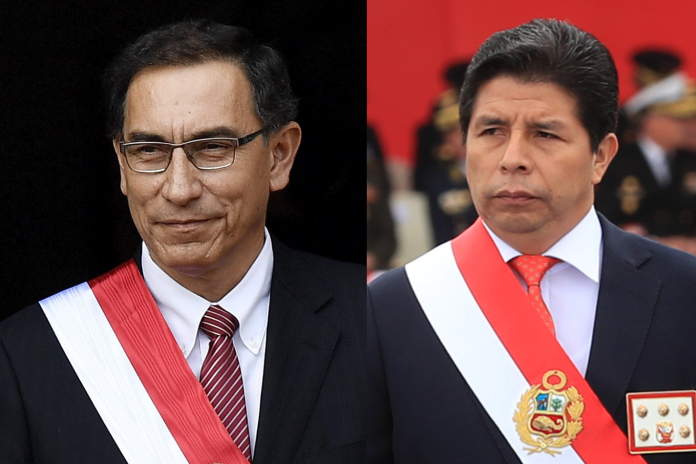
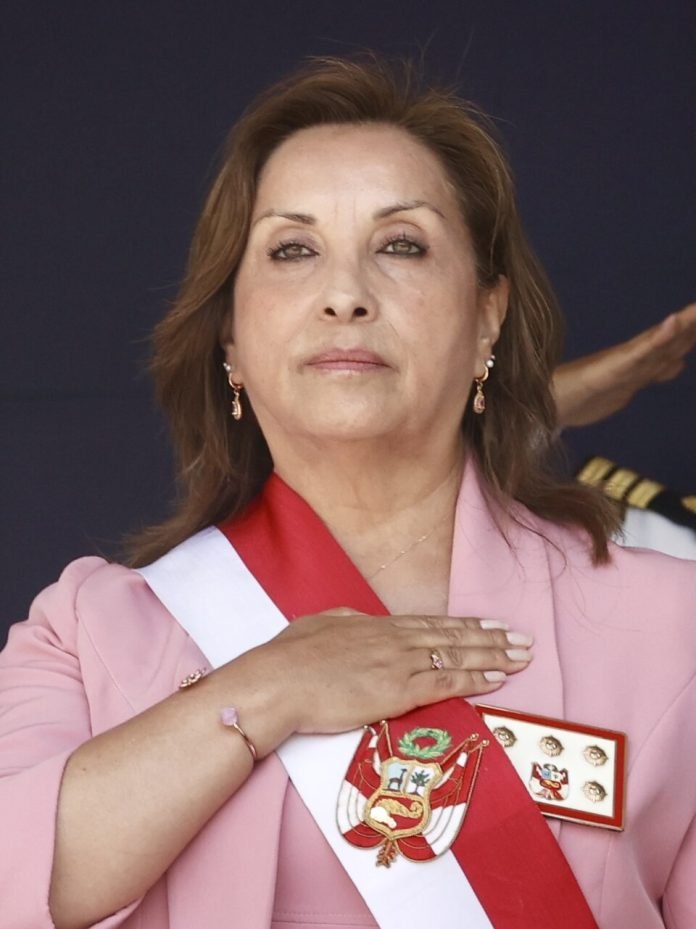
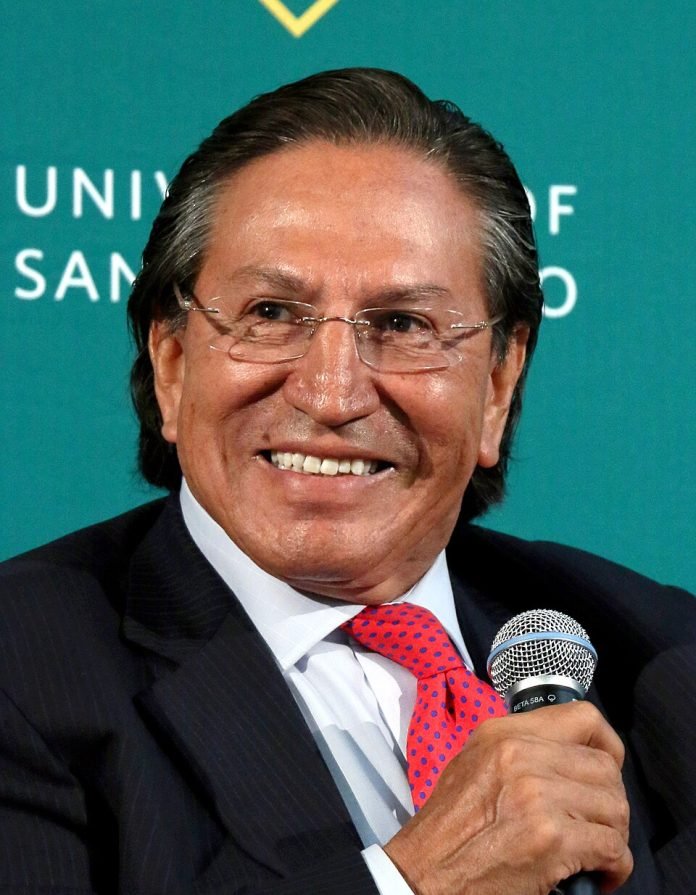
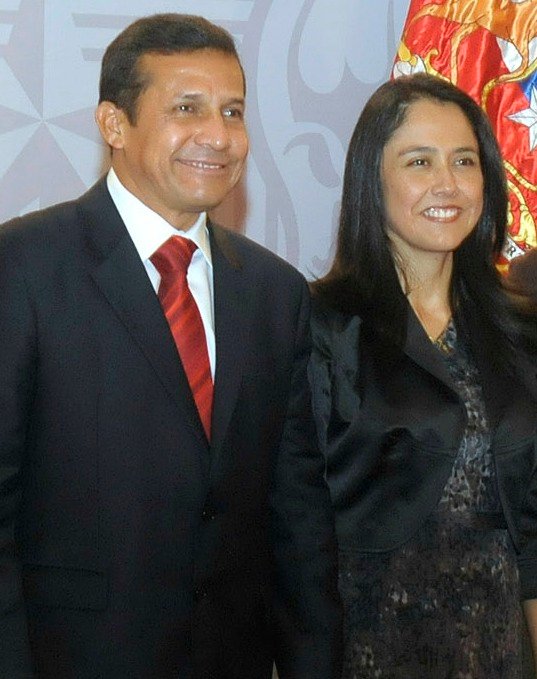
- Dina Boluarte (2025): Impeached amid record-low approval and corruption scandals.
- Pedro Castillo (2022): Ousted after attempting to dissolve Congress; later jailed.
- Martín Vizcarra (2020): Removed over bribery allegations; later sentenced to prison.
Who is José María Balcázar?
Congress swore in José María Balcázar, 83, as interim president on Feb 18. A veteran lawyer and former judge, he becomes the oldest leader in Peru’s history.
Balcázar, a member of the left-wing Perú Libre party, assumed the presidency in his capacity as head of Congress—next in line under the constitution.
Controversies surrounding Balcázar
His appointment has drawn immediate scrutiny:
- Child marriage remarks: He previously opposed banning child marriage, arguing it could benefit young women’s “psychological future.”
- Legal issues: He faces an ongoing influence-peddling investigation and was expelled from a bar association over alleged fund misappropriation.
- Castillo stance: He has indicated openness to releasing jailed former president Pedro Castillo.
What comes next
Balcázar’s interim government is expected to serve until July 28, 2026, with a narrow mandate to esnure credible general elections on April 12; maintain economic policy continuity; and tackle rising organized crime, particularly extortion and violence.
Peru’s latest leadership change highlights a system stuck in a cycle of crisis, where presidents struggle to govern and Congress remains quick to remove them.

Read also:
Bolivia election: Rodrigo Paz’s PDC ends two decades of socialist rule