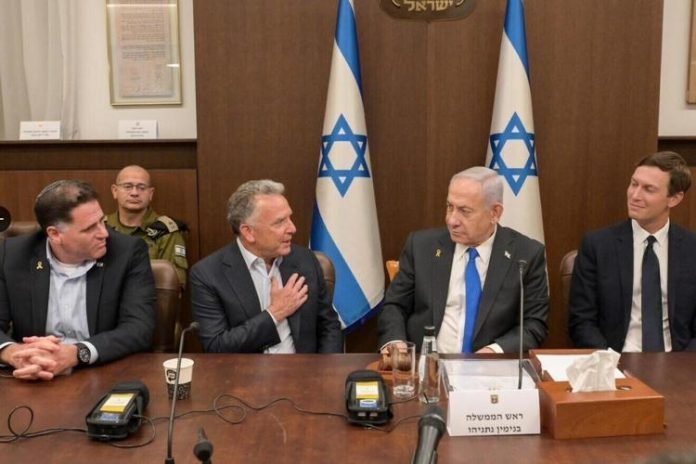
On January 22, 2026, Jared Kushner unveiled at the World Economic Forum in Davos a high-stakes reconstruction “master plan” for “New Gaza,” which envisions transforming the war-torn territory into a futuristic luxury hub modeled on free-market principles.
Kushner, US President Donald Trump’s son-in-law and one of the key negotiators for the Gaza peace plan, presented the US’s plans for a “$25billion redevelopment project featuring waterfront skyscrapers.”
“Middle East Riviera” with 180 luxury skyscrapers
The presentation took place during a signing ceremony at the World Economic Forum in Davos for President Trump’s new Board of Peace, tasked with ending the two-year war between Israel and Hamas and overseeing reconstruction.
The “Middle East Riviera” plan features a glitzy Mediterranean promenade with roughly 180 luxury skyscrapers. AI-generated renderings show gleaming waterfront developments complete with yachts and high-end hotels.
The redevelopment is divided into geographical hubs. “New Rafah” is slated for 100,000 permanent housing units, 200 schools, and 75 medical facilities. Key projects include a new international airport and seaport near the Egyptian border, a massive data centre complex, and advanced manufacturing zones. The plan aims for “100% full employment” and the creation of 500,000 jobs. It targets a Gaza GDP of $10billion and an average annual household income of $13,000 within a decade.
$25billion investment, four-phase rollout, two-to-three year timeline
The Board of Peace estimates an initial requirement of at least $25billion to develop modern utilities and public services. Construction is planned in four geographical phases, beginning in the south (Rafah) and moving north toward Gaza City.
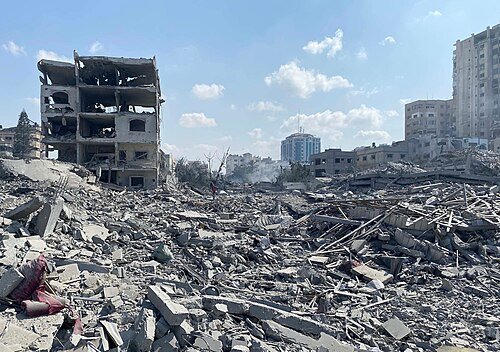
Kushner claimed that building entire cities in the Middle East in just two to three years is “very doable,” though this contradicts UN estimates that clearing the 60+ million tons of rubble alone could take over seven years.
“No Plan B”: Full disarmament required before reconstruction begins
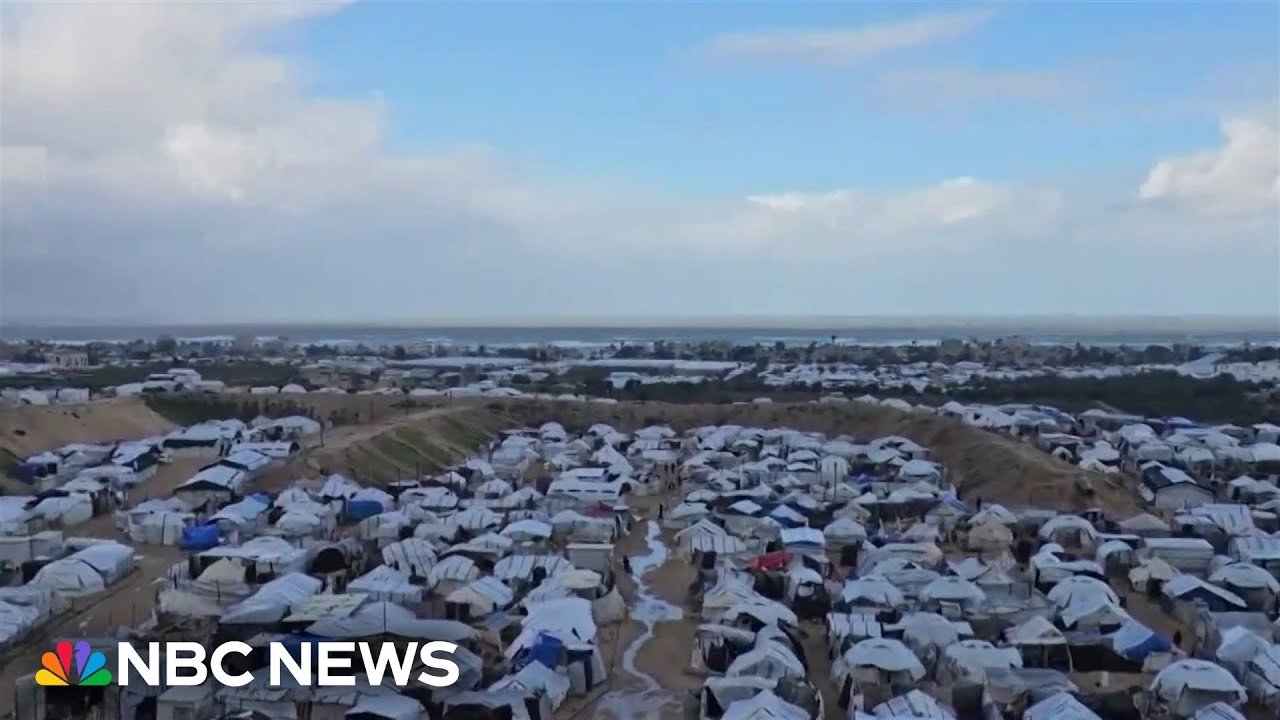
Kushner stated there is “no Plan B” and that reconstruction will only begin in sectors that are fully disarmed. The term “catastrophic success” is used to describe a Gaza with no Hamas presence remaining in power. Critics and human rights groups argue the plan’s focus on luxury real estate along the coast — currently home to most displaced Palestinians — threatens to “obliterate the social fabric” of the land and could lead to permanent displacement.
The plan touts “amazing investment opportunities” for the private sector, with developer Yakir Gabay reportedly volunteering to help implement the project.
Read also: Trump brokers multi-phase Gaza Ceasefire