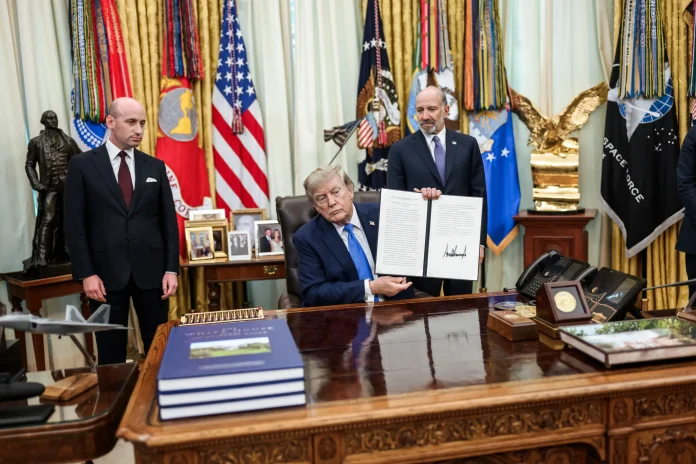
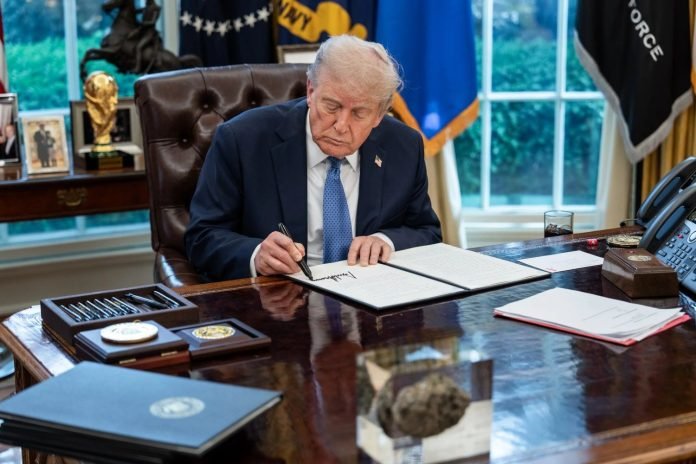
In December 2025, the Trump administration intensified immigration policies by expanding travel restrictions and freezing immigration benefits for individuals from several countries, following a shooting in Washington, D.C. President Trump signed Proclamation 10998 on December 16,, which doubled the number of restricted countries from 19 to 39, effective January 1, 2026.
Earlier, on December 2, US Citizenship and Immigration Services (USCIS) issued a memorandum pausing pending applications for green cards, naturalization, and asylum for individuals from the 19 countries originally listed in the June ban. The December update removed previously allowed categorical exceptions for international adoptions and immediate relatives, requiring case-by-case review.
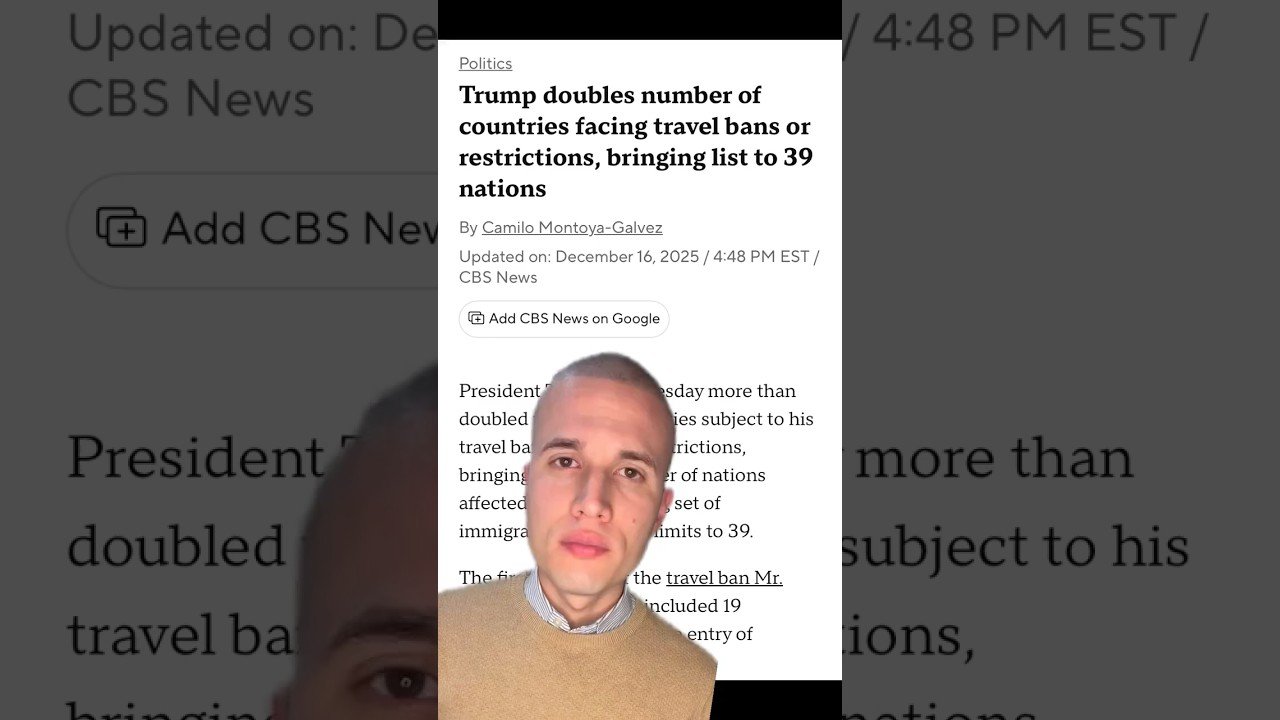
39 countries now restricted
Five new countries were added to the full ban list: Burkina Faso, Mali, Niger, South Sudan, Syria, and Palestinian Authority (individuals traveling on PA-issued or endorsed travel documents). Two countries (Laos and Sierra Leone) previously on the partial ban list were elevated to a full ban.
The ban primarily targets foreign nationals outside the US without a valid visa as of January 1, 2026. Lawful permanent residents (green card holders), dual nationals using a non-restricted passport, and certain athletes generally remain exempt.
DC shooting killed National Guard Specialist
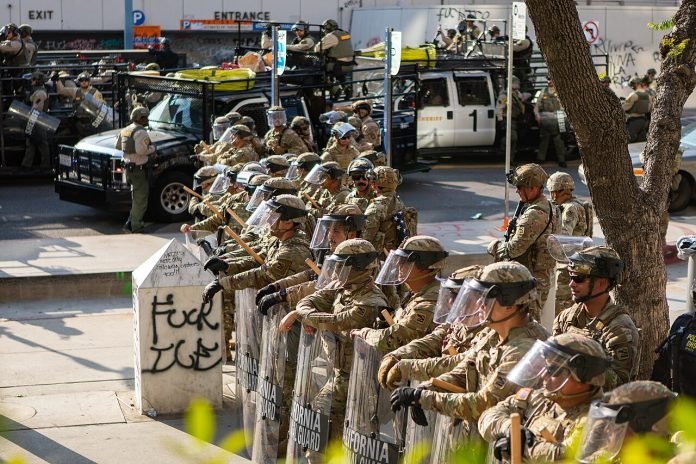
The incident in Washington, D.C., frequently cited by the Trump administration to justify the December 2025 travel ban expansion, was a shooting that occurred on November 26, 2025. Two members of the West Virginia National Guard — Staff Sergeant Andrew Wolfe (24) and Specialist Sarah Beckstrom (20) — were shot while on duty as part of a federal deployment to the city. Specialist Beckstrom died from her injuries the following day, while Staff Sergeant Wolfe survived with critical injuries.
Authorities identified the lone gunman as Rahmanullah Lakanwal, a 29-year-old Afghan national. He had arrived in the US in September 2021 under Operation Allies Welcome and was granted asylum in April 2025.
Lakanwal previously served in “Unit 03,” a CIA-backed elite counterterrorism paramilitary unit in Afghanistan. President Trump labeled the attack an “act of terror” and an “act of hatred.” The administration used the event as a primary justification for several immediate immigration crackdowns.
USCIS then indefinitely halted all immigration applications for Afghan nationals on November 27. Shortly after, the administration paused all asylum decisions across the country.
International leaders criticize ban as discriminatory
Immigrant rights groups have filed lawsuits challenging these bans, citing discrimination and lack of legal basis. Leaders in countries like Tonga expressed anger, arguing their nations posed no security threat to the US Amnesty International labeled the expansion “discriminatory, racist, and downright cruel,” while World Relief urged against judging entire groups based on the actions of one individual.
EU officials, including Emmanuel Macron, accused the US of “coercion and intimidation” after visa bans were applied to Europeans involved in regulating tech platforms. Major institutions like UC Berkeley issued advisories for international students, fearing a “pattern of exclusion” that would stifle academic freedom.
Read also:
Trump issues travel ban for 12 countries
US President Trump deploys National Guard across cities