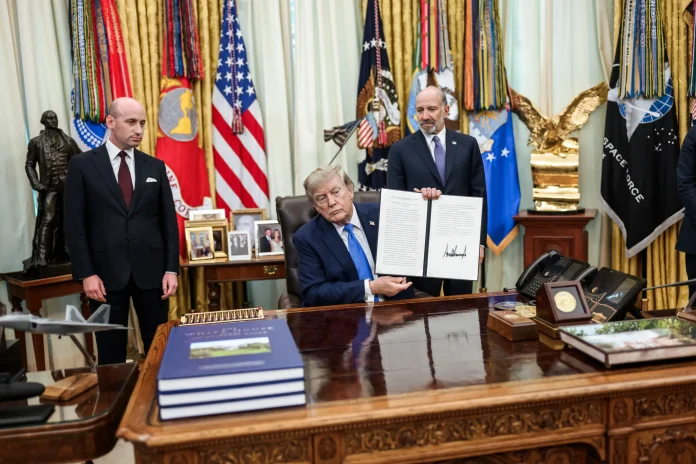
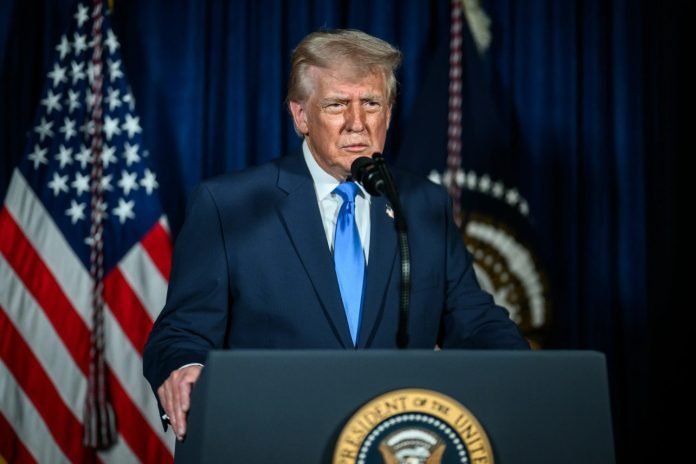
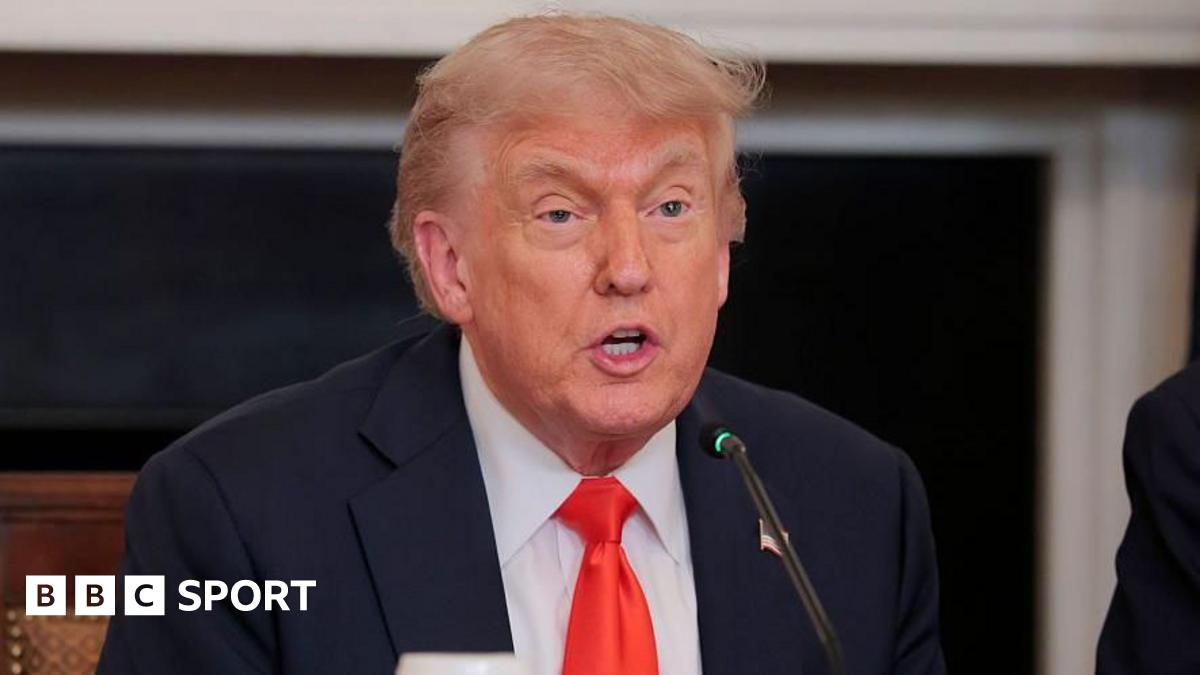
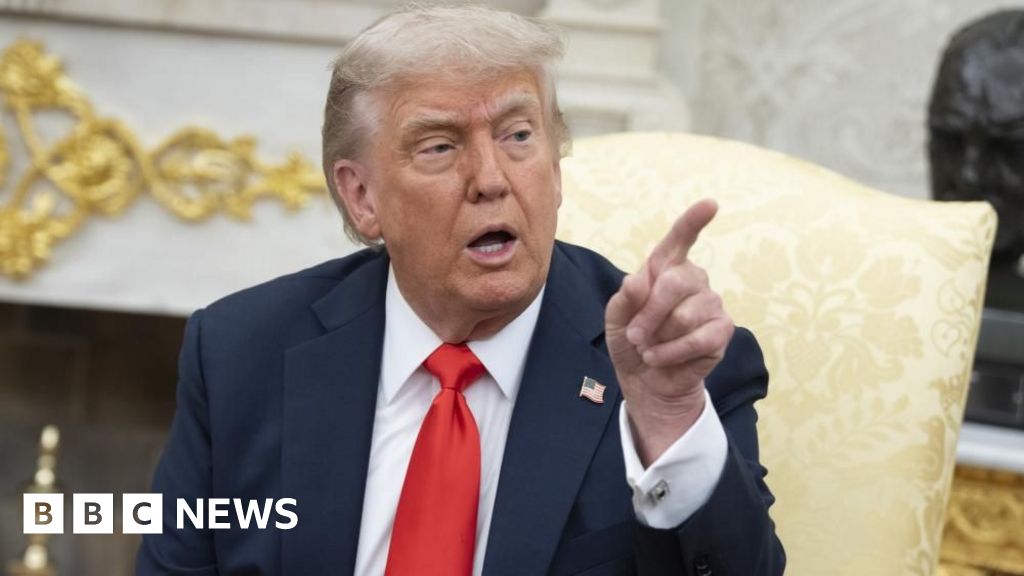
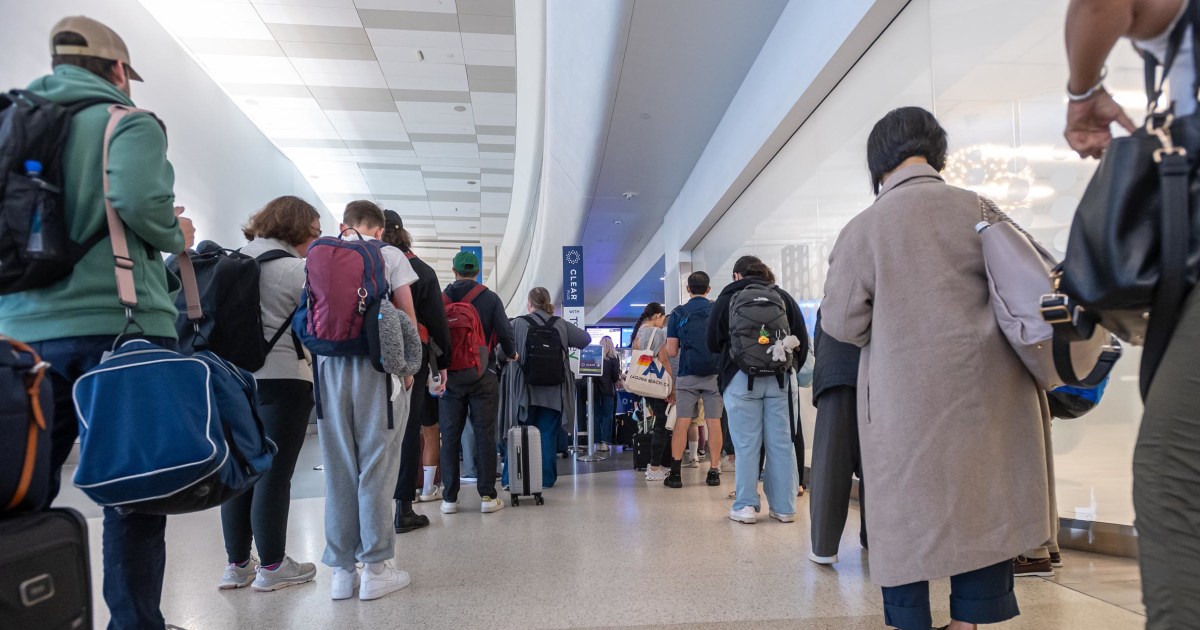
President Donald Trump signed a proclamation in early June 2025 reinstating and expanding travel restrictions on 19 countries, primarily targeting nations in Africa, the Middle East and Asia, citing security concerns and vetting deficiencies.
On 3 June 2025, Trump signed a proclamation to ban travel from 19 countries that went into effect on 9 June, with airlines instructed to deny boarding to affected nationals. Twelve countries faced a full travel ban: Afghanistan, Myanmar, Chad, Republic of the Congo, Equatorial Guinea, Eritrea, Haiti, Iran, Libya, Somalia, Sudan and Yemen.
Seven countries faced partial travel restrictions for specific visa types such as tourist or student visas: Burundi, Cuba, Laos, Sierra Leone, Togo, Turkmenistan and Venezuela. Exemptions were made for lawful permanent residents, current valid visa holders, dual nationals using a passport from a non-banned country, and specific categories like athletes for the World Cup or Olympics.
Justification and vetting concerns
Trump justified the reinstatement by stating it targets nations that don’t have things under control. The administration characterised many targeted nations as failed states or those in the throes of repressive rule, where internal turmoil makes it impossible for the US to verify the backgrounds of visa applicants.
Trump argued these countries lack a competent or cooperative central authority to issue secure travel documents or share law enforcement data.
"We cannot have open migration from any country where we cannot safely and reliably vet and screen… That is why today I am signing a new executive order placing travel restrictions on countries including Yemen, Somalia, Haiti, Libya, and numerous others." –President Trump pic.twitter.com/ER7nGM4TO2
— The White House (@WhiteHouse) June 4, 2025
The White House officially cited several specific deficiencies including inadequate identity management and unreliable criminal records, high rates of visa overstays, refusal to accept the return of their own nationals who have been deported from the US, and lack of cooperation in sharing information regarding terrorism or public safety threats.
Antisemitic terror attack
The June 2025 travel ban was officially spurred by an antisemitic terror attack in Boulder, Colorado, as well as a series of other security incidents and administrative reviews regarding vetting procedures.
On 1 June 2025, a man attacked a peaceful weekly solidarity walk for Israeli hostages using a makeshift flamethrower and Molotov cocktails while shouting Free Palestine. The attack injured 12 people aged 52 to 88. One victim, 82-year-old Karen Diamond, died on 25 June from her injuries. Mohamed Sabry Soliman, a 45-year-old Egyptian national, was arrested and charged with federal hate crimes and attempted murder.
Trump stated the attack underscored the extreme dangers of foreign nationals who are not properly vetted. Although Soliman was from Egypt which was not on the ban list, the administration used his status as a visa overstayer to justify broader restrictions on countries with poor screening records.
The White House also highlighted the arrest of an Afghan national suspected of shooting two National Guard troops over Thanksgiving weekend 2024, the murder of two Israeli embassy employees outside the Capital Jewish Museum in Washington, DC in May 2025, and a 2025 arson incident at the Pennsylvania Governor’s residence as part of the rising threat landscape.
Reactions
Rights groups like Oxfam, Amnesty International and Democratic lawmakers condemned the policy as discriminatory and cruel, arguing it targets families and refugees rather than legitimate threats. Humanitarian groups noted that fans from several qualified 2026 World Cup nations including Haiti and Iran may be barred from attending the tournament in the US due to visa restrictions.
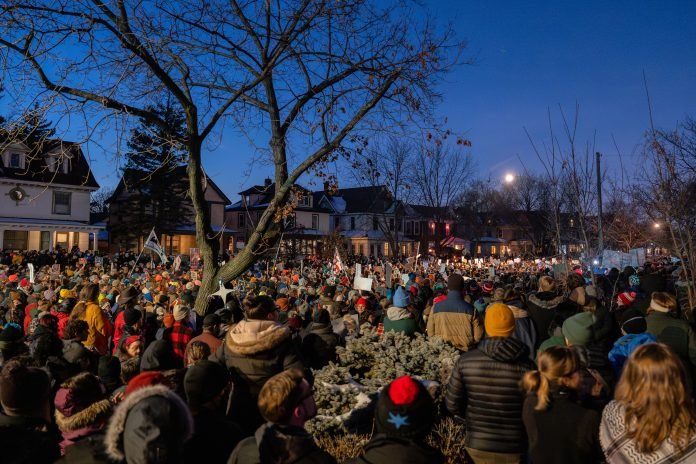
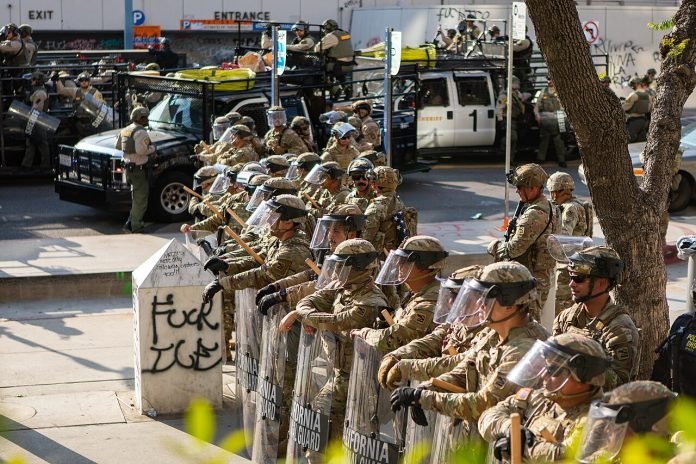
Demonstrators gathered in cities like San Francisco and New York City to protest the ban’s implementation on 9 June 2025. In Los Angeles, protests against the travel ban coincided with a broader crackdown on immigration, leading to clashes between activists and the National Guard.
Broader implications
The travel ban reignited debates over national security versus civil liberties and immigration policy. It also highlighted the administration’s focus on vetting procedures and its willingness to use broad geographic restrictions to address security concerns, despite criticism that the policy disproportionately affects Muslim-majority and African nations.
Read also: US President Trump deploys National Guard across cities