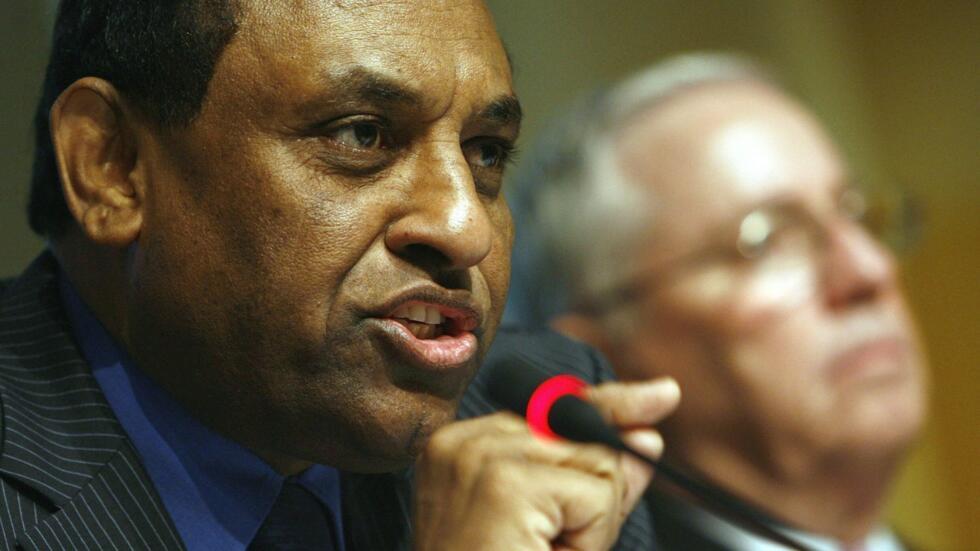
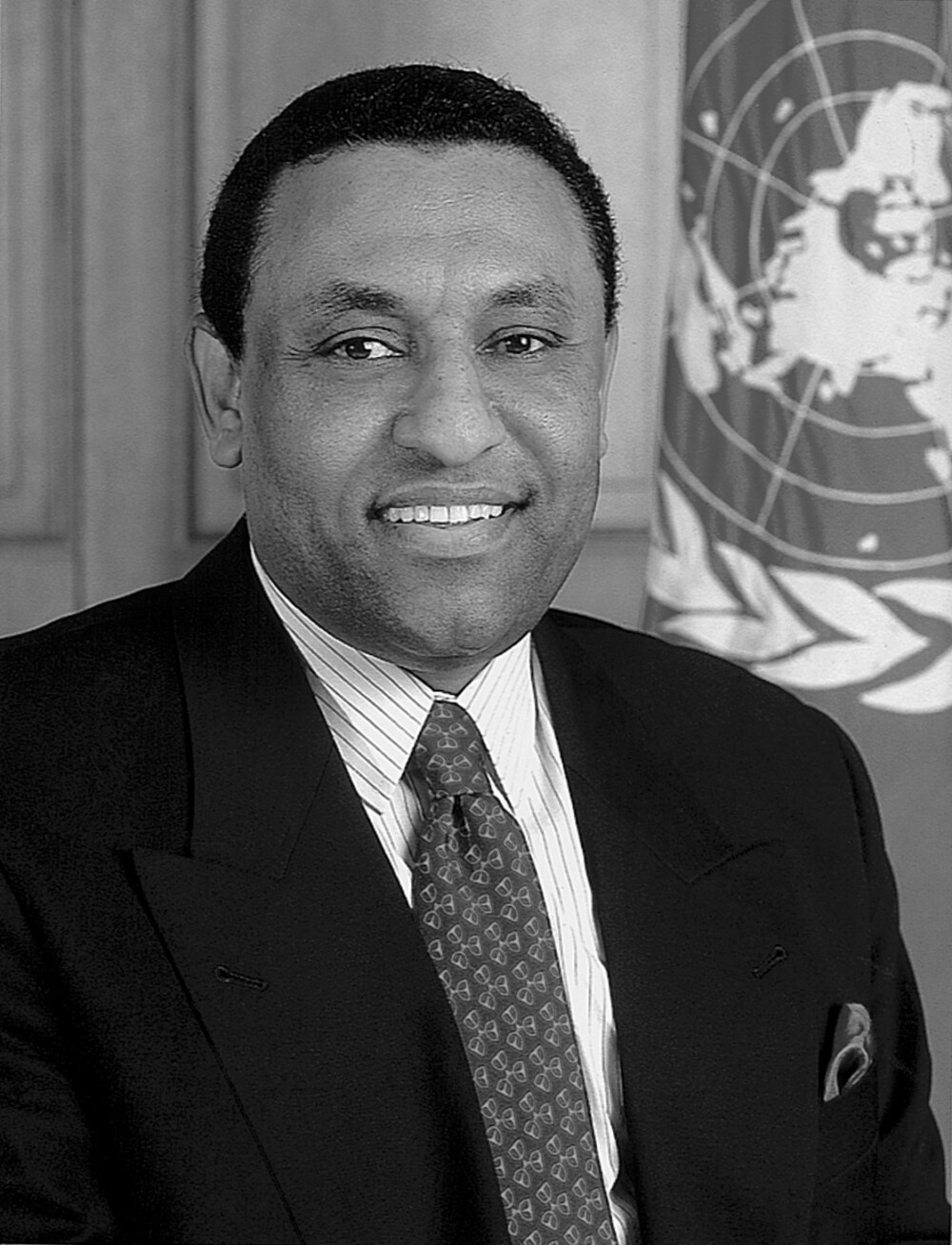
In May 2025, General Abdel Fattah al-Burhan, head of Sudan’s Transitional Sovereignty Council, appointed former United Nations official Kamil Idris as the country’s first prime minister since the 2021 coup, sworn in on 31 May in Port Sudan with a mandate to form a civilian-led technocratic cabinet.
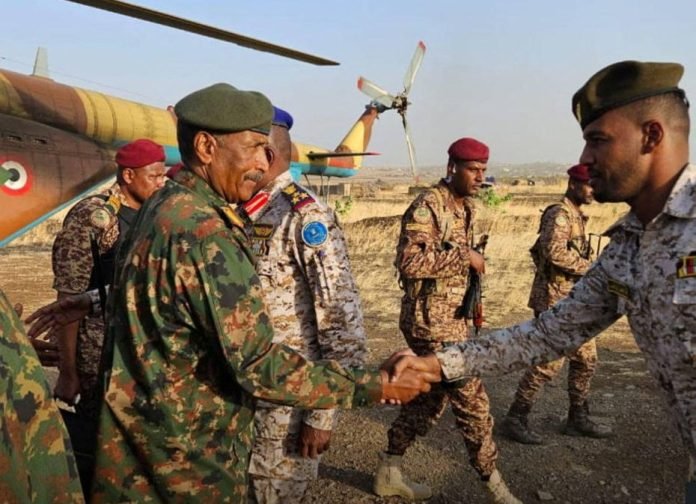
By late May 2025, the Sudanese Armed Forces (SAF) completed its takeover of central Sudan, establishing near-total control over the capital Khartoum and its sister cities Omdurman and Bahri. Kamil Idris was sworn in on 31 May in Port Sudan and tasked with forming a technocratic, civilian-led cabinet of 22 ministers.
Following military advances by the Sudanese Armed Forces, Idris officially announced the government’s return to the capital, Khartoum, in January 2026, marking a shift from the temporary administrative base in Port Sudan.
“Year of peace”
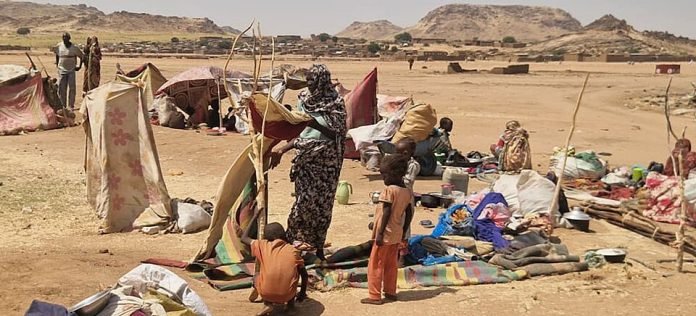
His administration has prioritized stabilizing the economy, restoring public services like healthcare and water, and addressing the massive displacement crisis.
Idris has declared 2026 as an intended year of peace for the war-torn nation. The appointment is viewed by General Burhan as a step toward restoring state institutions and civilian rule. However, Idris faces significant challenges including a rival parallel government formed by the Rapid Support Forces (RSF) in 2025 and skepticism from some civilian blocs regarding his legitimacy.
Military escalation and humanitarian crisis
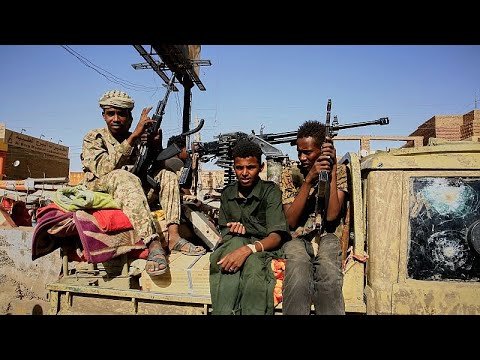
The drone strikes on 8 May 2025 represented a critical peak in a multi-day aerial campaign by the Rapid Support Forces (RSF) aimed at dismantling the Sudanese Armed Forces’ logistical and administrative backbone in eastern Sudan.
The strikes on Port Sudan and the Flamingo Bay naval base were the first time the RSF successfully struck the army’s de-facto capital, hundreds of kilometres from their typical frontlines. Drones targeted the Flamingo Naval Base, the headquarters of the Air Force College, and the Osman Digna airbase. The strikes hit a major fuel depot near Port Sudan International Airport, causing massive explosions and fires that forced the suspension of all flight operations.
Attacks on the city’s main power substation on 6 May led to a city-wide blackout, crippling essential services including hospitals and water supply. Analysts from the Institute for the Study of War (ISW) noted this campaign was designed to disrupt SAF supply lines and prevent a government-led offensive into western Sudan.
Simultaneous with the eastern offensive, the RSF intensified its drone campaign in the Kordofan region. On or around 8 May, a drone strike targeted a medical facility in the Kordofan region. Reports from groups like the Emergency Lawyers confirmed at least six civilians were killed and 15 others wounded in an attack on the Obeid International Hospital (al-Dhaman) in North Kordofan’s capital.
This was part of a broader pattern of targeting civilian infrastructure. The Sudan Doctors Network later characterized such strikes as systematic targeting of health institutions, which had already been struggling due to power outages and supply shortages.
Diplomatic fallout and broader implications
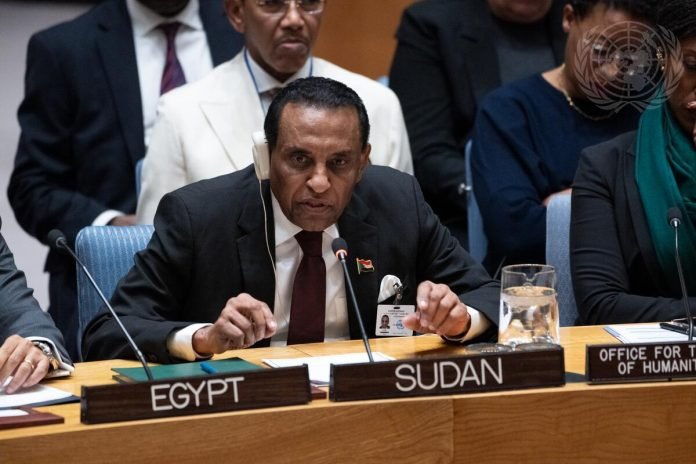
Following these strikes, the SAF-aligned Transitional Sovereignty Council officially cut diplomatic ties with the United Arab Emirates on 7 May, accusing the UAE of providing the advanced drone technology used by the RSF in these operations.
Idris’s appointment marks an attempt to restore civilian governance amid ongoing civil war, but his authority faces challenges from the RSF’s parallel government and continued military escalation. The conflict has displaced millions and devastated infrastructure, with the UAE’s alleged involvement deepening regional tensions and complicating international mediation efforts.