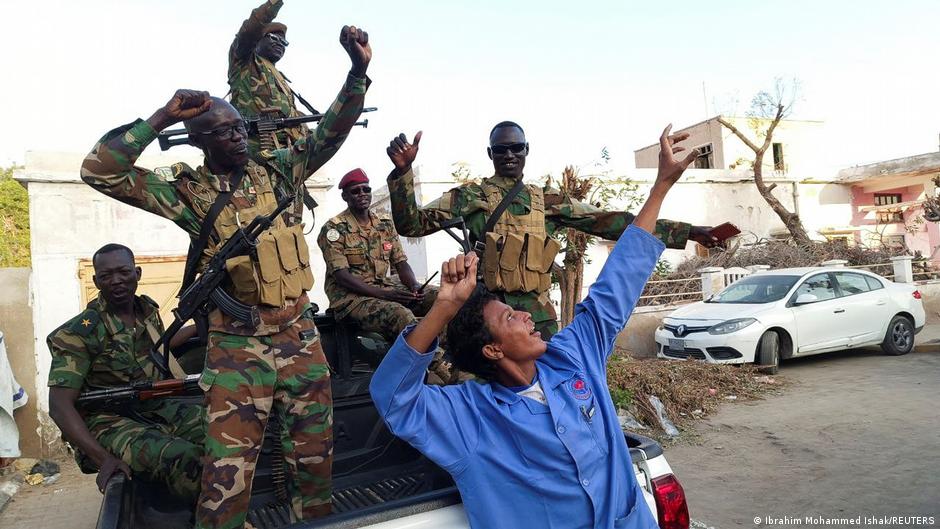
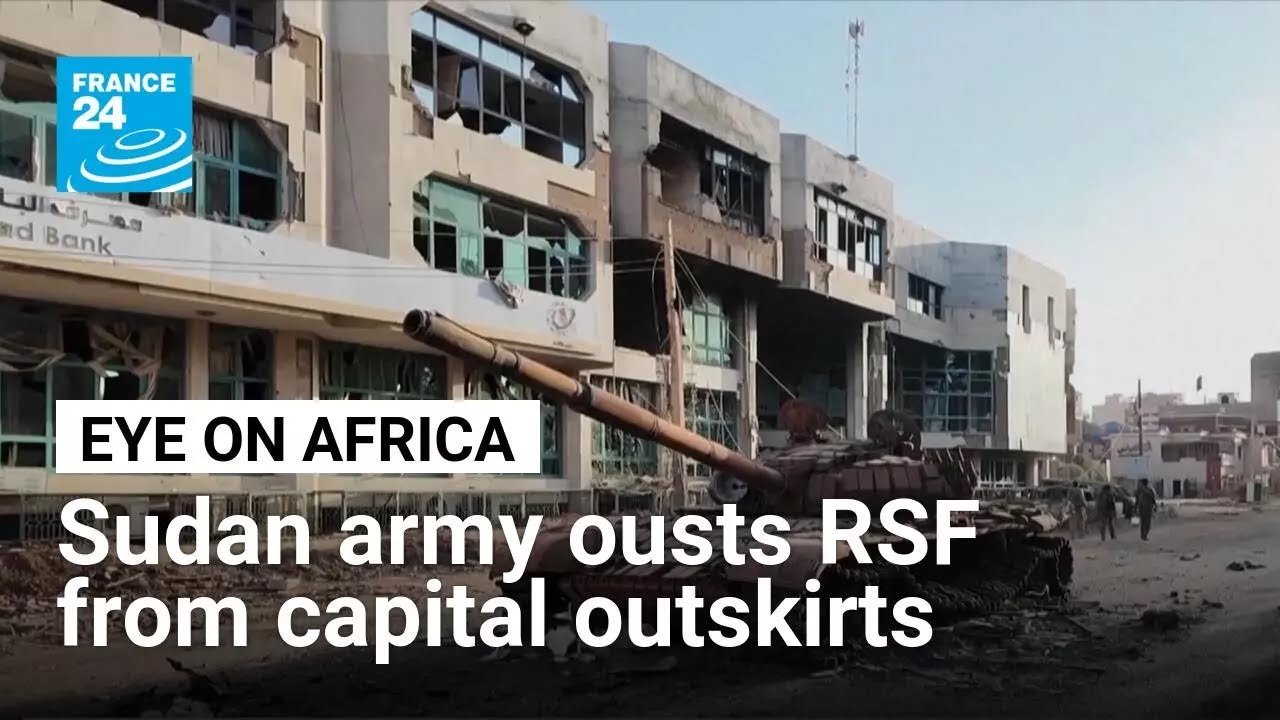
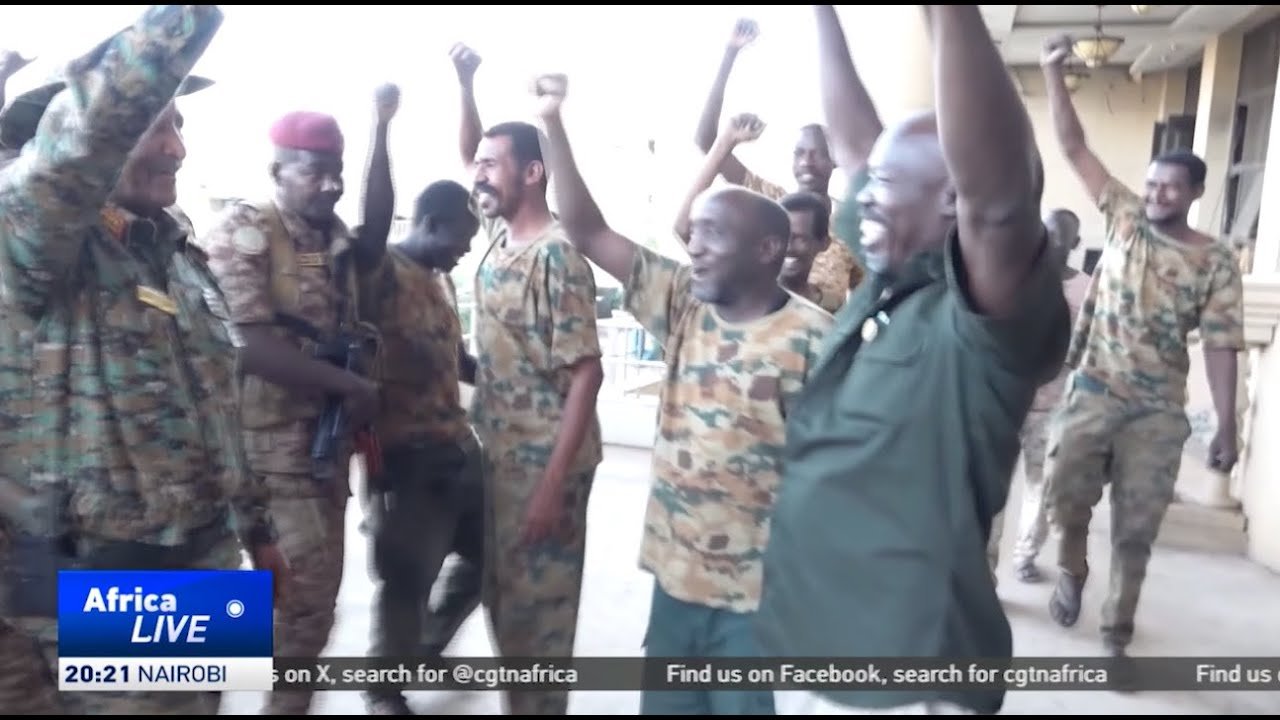
In March 2025, the Sudanese Armed Forces (SAF) declared a significant turning point in the civil war by reclaiming the majority of Khartoum and central Sudan from the Rapid Support Forces (RSF). This campaign, which intensified in early 2025, effectively broke long-standing sieges and pushed paramilitary forces into retreat.
The SAF’s momentum built over several months. In January, it broke the 21-month siege of its General Command headquarters in central Khartoum, freeing units for a wider urban push. It then regained al-Jazirah state, including Wad Madani, and later recaptured Sennar and parts of North Kordofan, easing pressure on El Obeid.
By late March, the army said it had taken back the Presidential Palace and Khartoum International Airport, both of which had been under RSF control since the war began in April 2023. In May, the army went further and declared Khartoum state fully free of RSF forces.
Why the tide turned
Several factors helped shift the balance. The army expanded recruitment, brought in fighters with local knowledge and built new tactical alliances with previously neutral armed groups. It also benefited from defections and growing fragmentation inside the RSF, which weakened the group’s decentralized command structure.
A major battlefield development came on February 23, when the SAF said it had broken the 22-month siege of El Obeid, a strategic crossroads linking Khartoum to Darfur. The breakthrough reopened supply routes and brought aid convoys into a city that had been cut off for months.
RSF response
The RSF and its allies tried to project political legitimacy even as they lost ground militarily. On March 4, they signed a transitional constitution, a first step toward their rival “Government of Peace and Unity,” which was later announced in April.
But the battlefield losses made that political project harder to sustain. The army’s gains in central Sudan underscored a broader reversal that changed the war’s trajectory and raised the possibility of a new phase in the conflict.
Why it matters
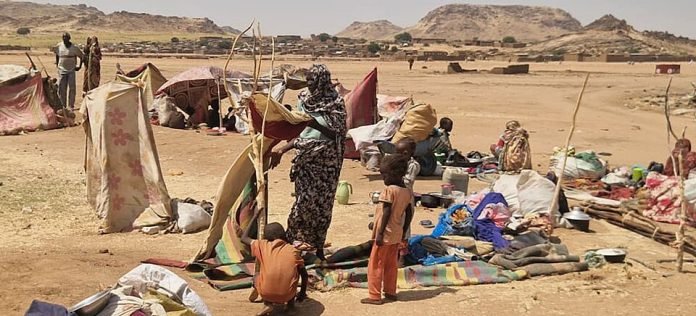
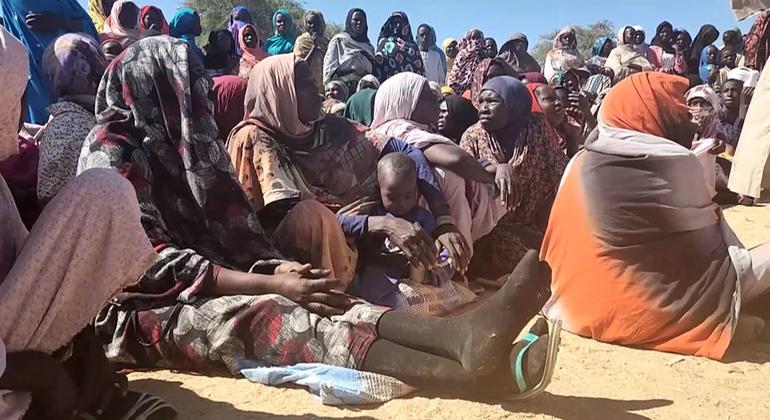
Khartoum’s recapture was more than a symbolic victory. It reopened supply lines, restored the army’s grip on the country’s political center and suggested the RSF’s territorial expansion had stalled. Even so, the war remained far from over, with violence continuing in other parts of Sudan and the humanitarian crisis still deepening.
Read also:
Sudan’s transitional PM presents peace plan to UNSC
RSF forms parallel government in Sudan