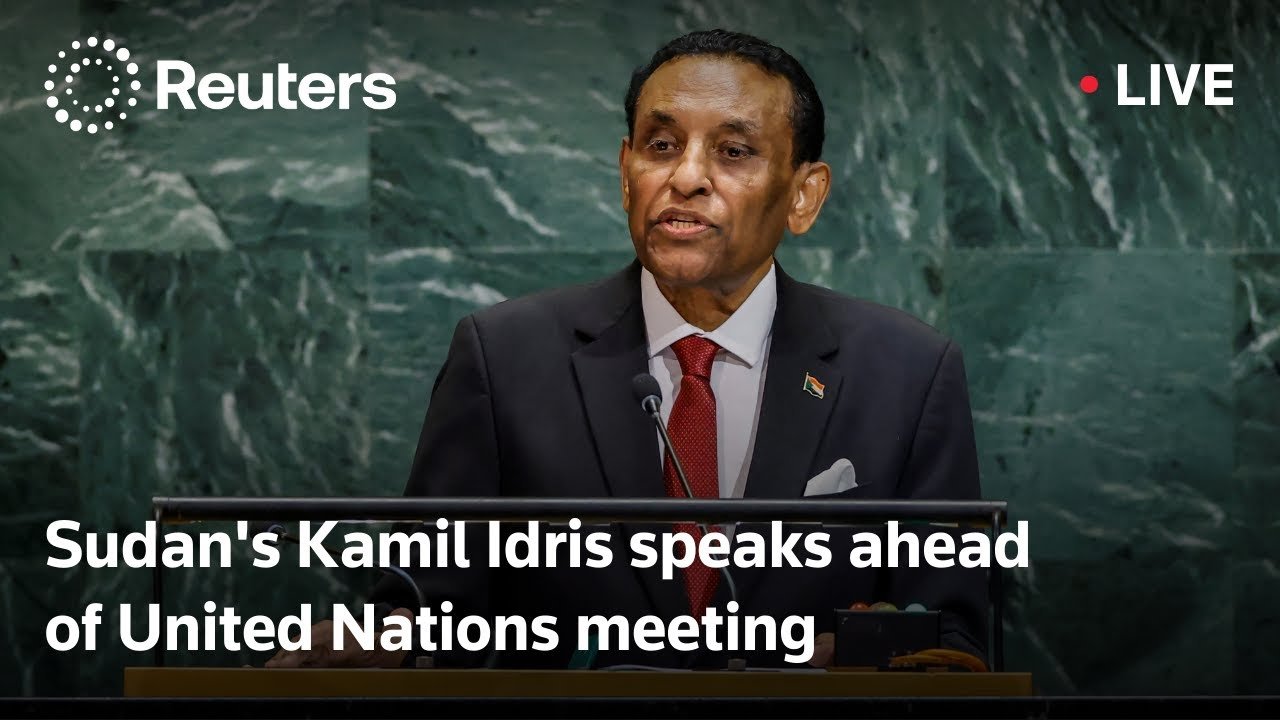
Sudan’s transitional Prime Minister Kamil Idris presented a new peace initiative to the UN Security Council on December 22, 2025, outlining what he described as a Sudanese-led roadmap to end the country’s prolonged civil war.
The proposal is positioned as an alternative to externally driven efforts, including those backed by the so-called “Quad” of the United States, Saudi Arabia, Egypt and the United Arab Emirates. It outlines a transitional phase built around “inter-Sudanese dialogue,” with the aim of leading to internationally supervised elections.
Idris has framed 2026 as the country’s “Year of Peace”, arguing that a domestically driven solution is the only viable path to ending the conflict.
Core proposals
Idris’s plan centers on an immediate ceasefire, to be monitored jointly by the United Nations, African Union and League of Arab States.
It also calls for the Rapid Support Forces (RSF) to withdraw from cities and contested مناطق and relocate to designated, supervised camps, alongside a broader disarmament process.
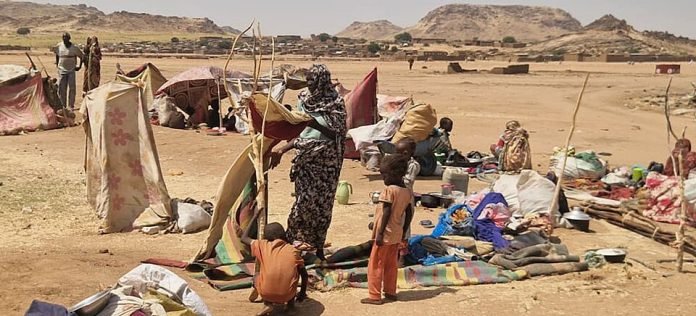
The framework includes provisions for humanitarian access, including the safe return of displaced civilians and the uninterrupted delivery of aid.
On accountability, the plan pledges “non-selective justice” for war crimes, coupled with reconciliation measures and the reintegration of RSF fighters not implicated in atrocities.
Mixed reactions
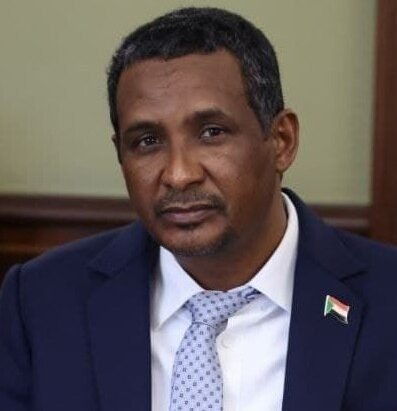
The initiative has faced immediate resistance from the RSF, whose leadership dismissed it as unrealistic and reflective of the army’s position.
International responses have been divided. The Arab League has backed the proposal, while the United States and other Quad members have continued to prioritize an immediate humanitarian ceasefire, expressing skepticism about plans put forward unilaterally by either side.
Questions of legitimacy
The plan also faces challenges at home. Some civilian groups, including the Somoud coalition led by former prime minister Abdalla Hamdok, do not recognize Idris’s army-aligned government and have proposed alternative peace tracks.
That fragmentation, combined with resistance from the RSF, underscores the difficulty of turning the proposal into a workable settlement despite renewed diplomatic momentum.

Read more:
RSF forms parallel government in Sudan
2025 RSF-led genocide in El Fasher
Sudanese Armed Forces (SAF) captures capital Khartoum