What happened
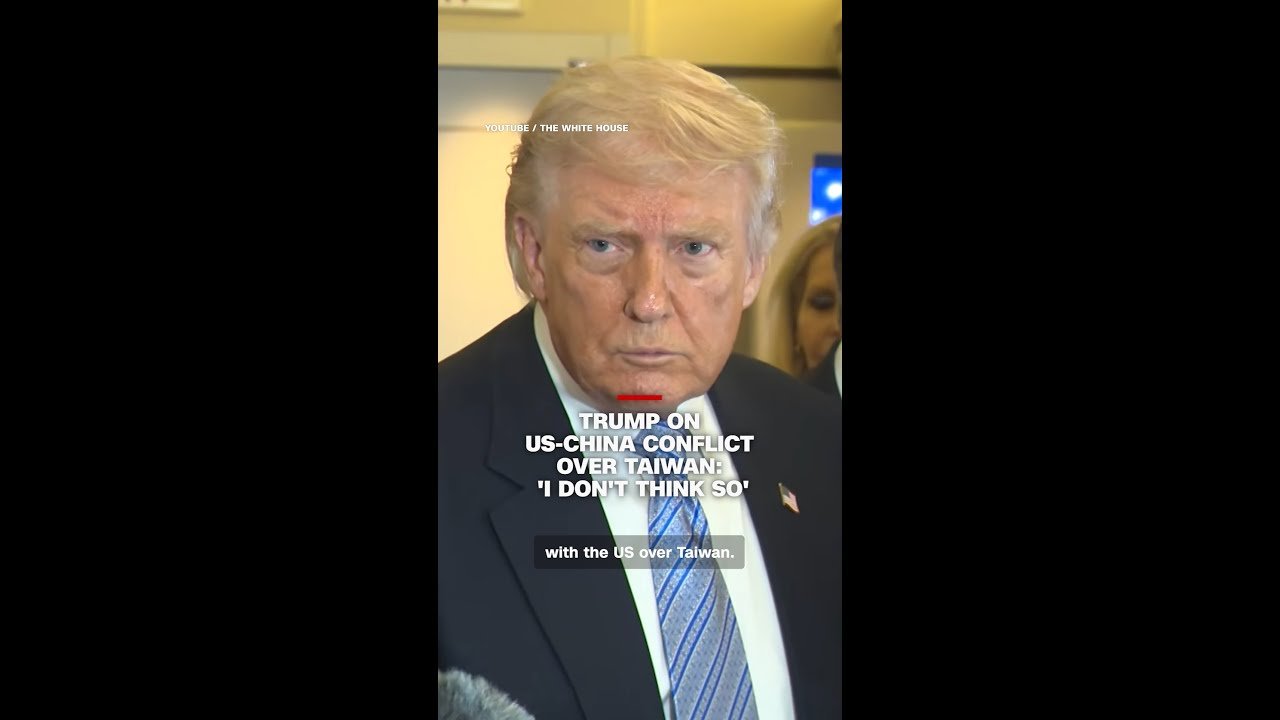
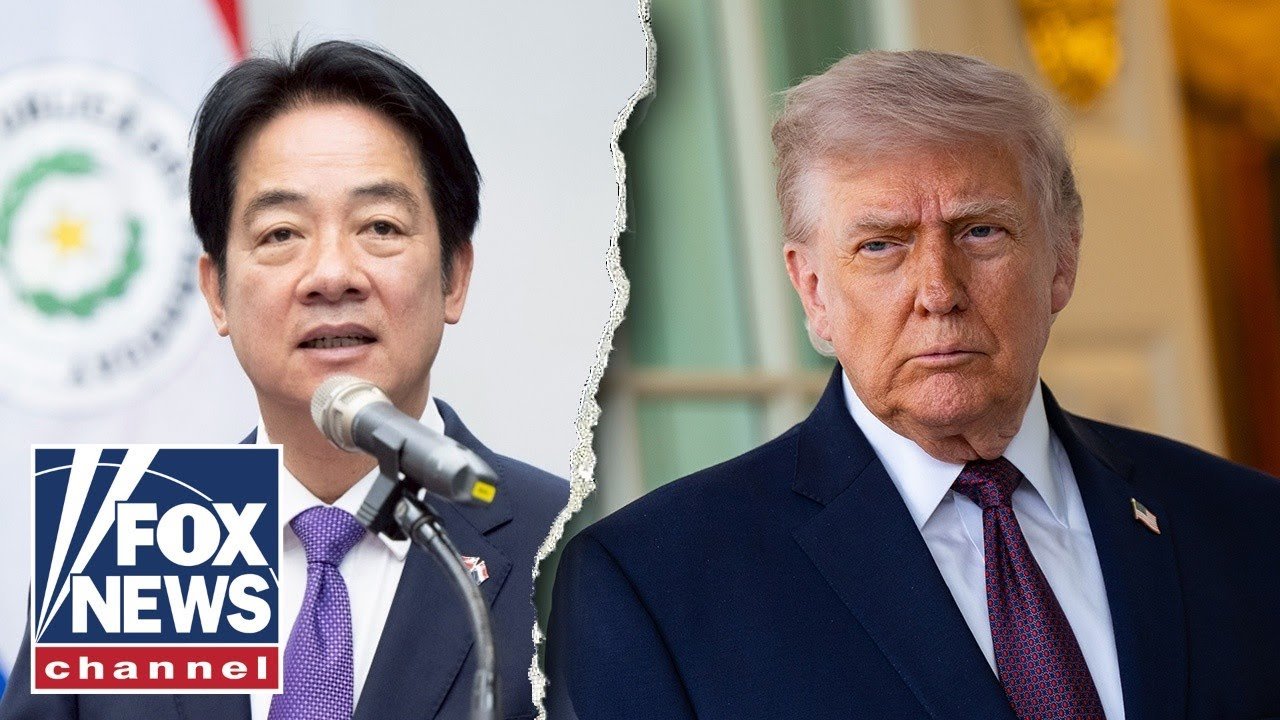
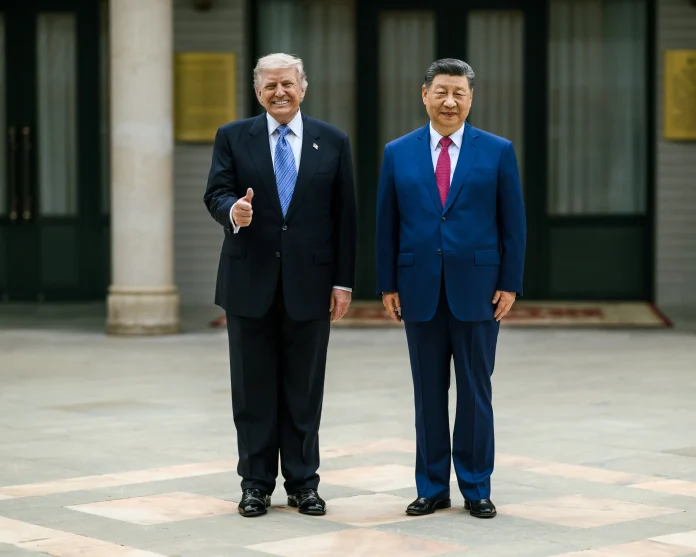
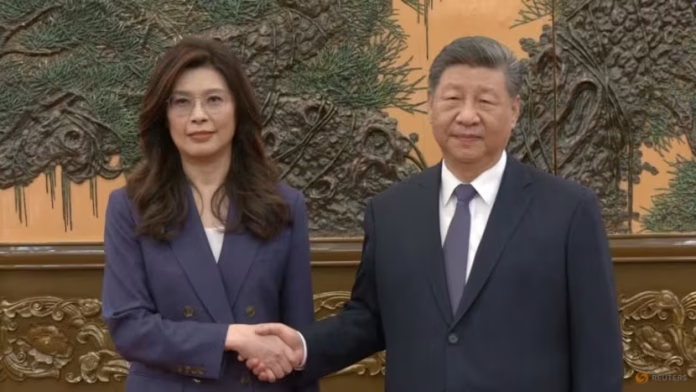
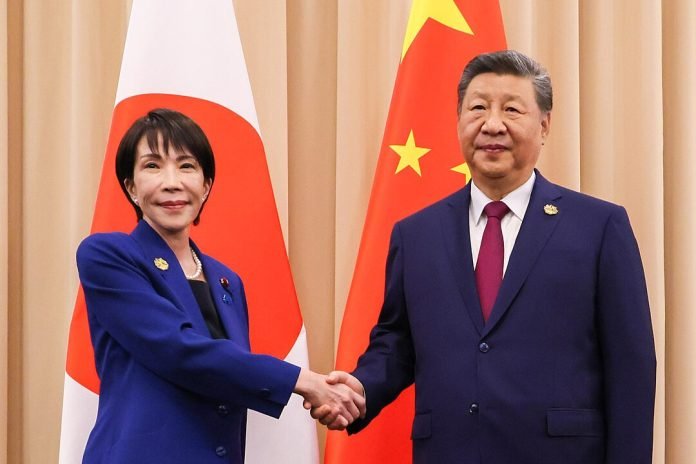
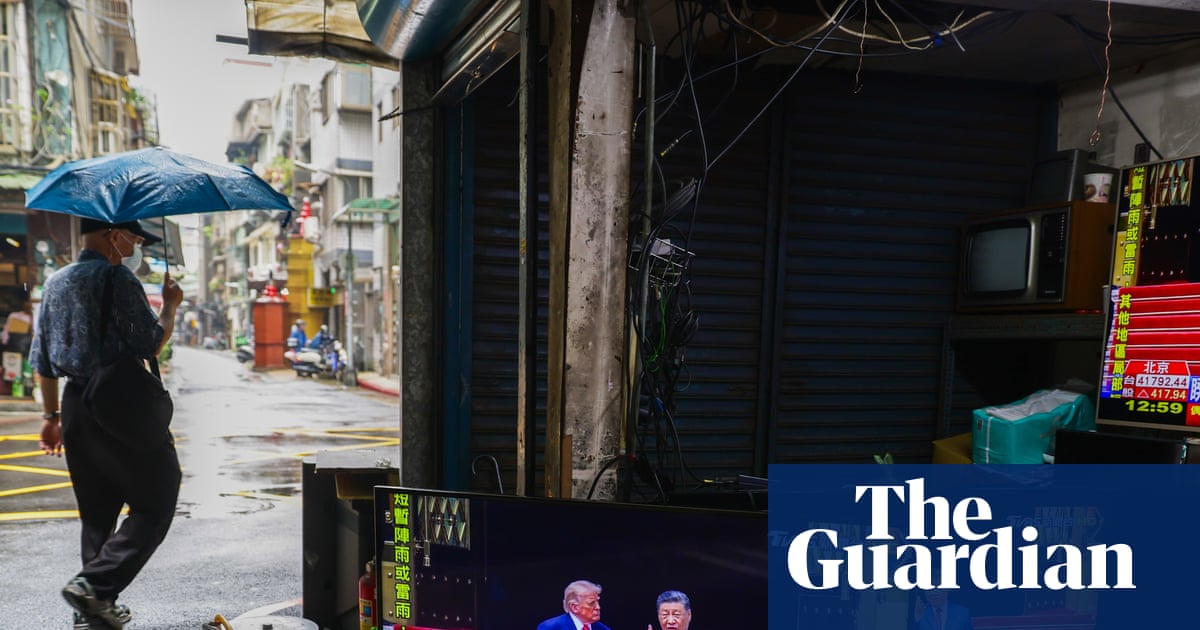
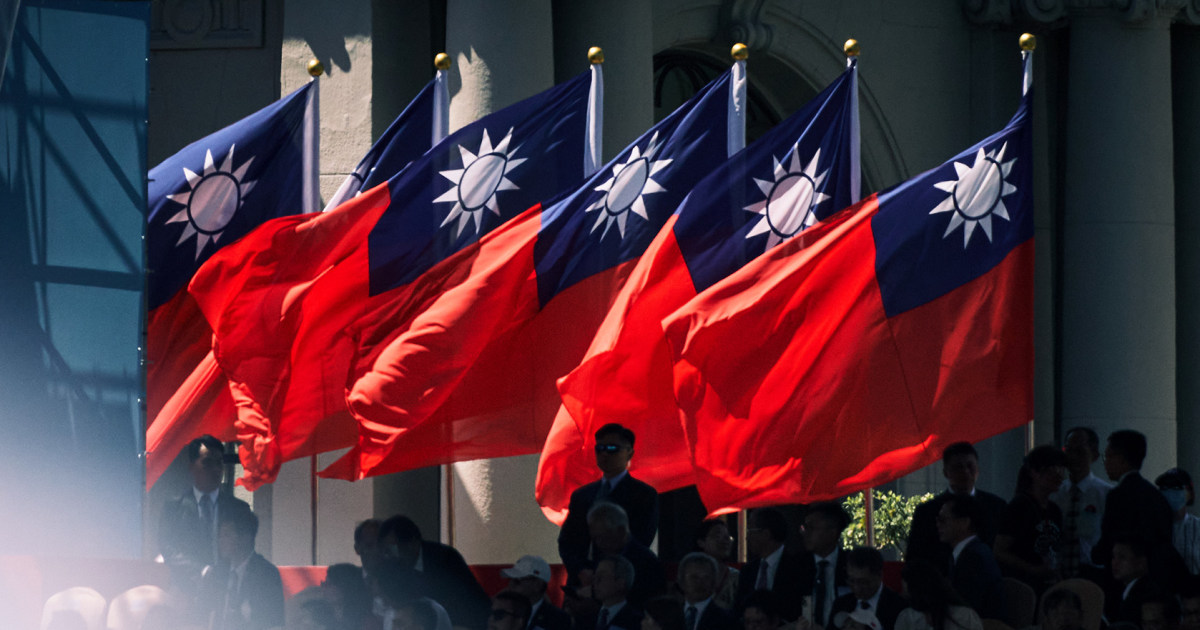
Taiwan has issued a firm and unusually coordinated response following remarks made by US President Donald Trump during his recent summit with Chinese President Xi Jinping in Beijing. Comments suggesting Taiwan could feature in broader US-China negotiations triggered immediate concern in Taipei.
“Not a Bargaining Chip”
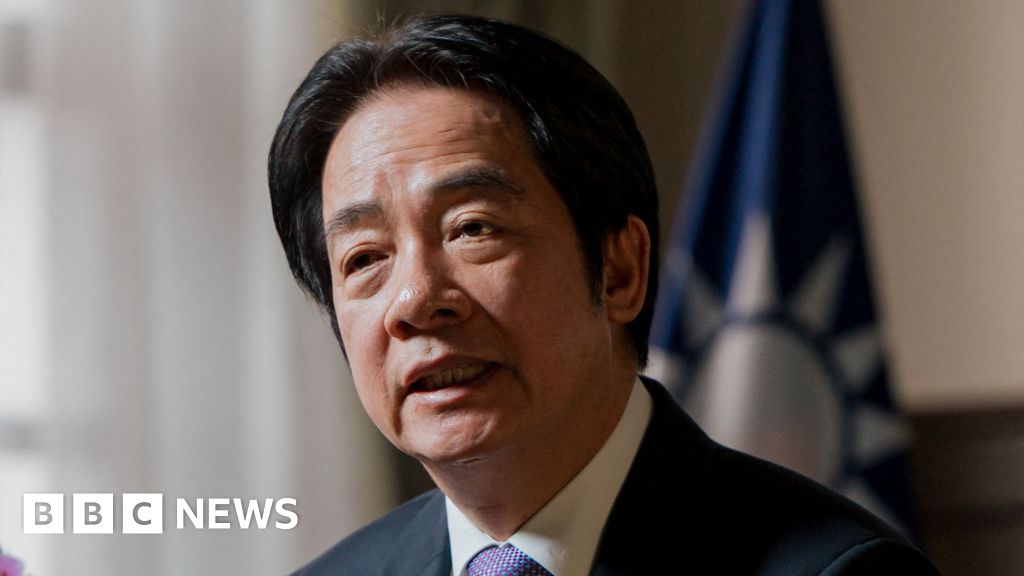
Taiwan is already a sovereign, independent democratic country. There is no need to declare independence.
President Lai Ching-te
President Lai Ching-te delivered the clearest rebuttal, stating that Taiwan is already a sovereign and independent country and does not need to declare independence. He stressed that Taiwan “will not sacrifice its national dignity” or democratic way of life under external pressure, rejecting any notion that the island could be traded away.
Taiwan’s national dignity and freedom will not be sacrificed or traded away as a ‘negotiating chip.’
President Lai Ching-te
Taiwan’s Ministry of Foreign Affairs reinforced this, stating that the People’s Republic of China has no authority to represent Taiwan internationally and that the two sides “are not subordinate to each other.”
US arms and strategic ambiguity
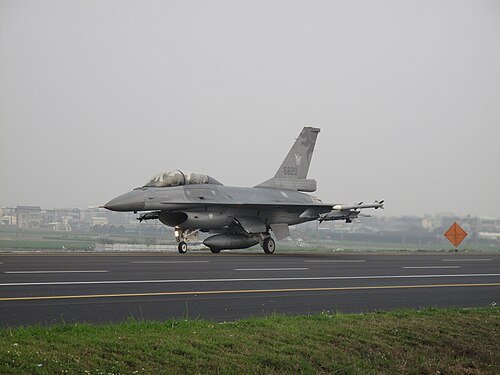
Taiwan also pushed back on implications that a proposed US$14 billion arms package could be used as leverage. Officials emphasized that US arms sales are governed by the 1979 Taiwan Relations Act — a legal security commitment, not a negotiable tool.
President Lai added that continued US military support is essential not only for Taiwan’s defense, but for broader regional stability, particularly given Taiwan’s central role in global semiconductor supply chains.
Open lines with Washington
Despite the sharp tone, Taiwan has kept communication channels open. Officials confirmed ongoing engagement with Washington and expressed willingness to speak directly with Trump to clarify positions. Trump has also indicated he may hold talks with Lai, suggesting efforts to stabilize messaging after the summit.
Trump says he’ll call Taiwan’s President
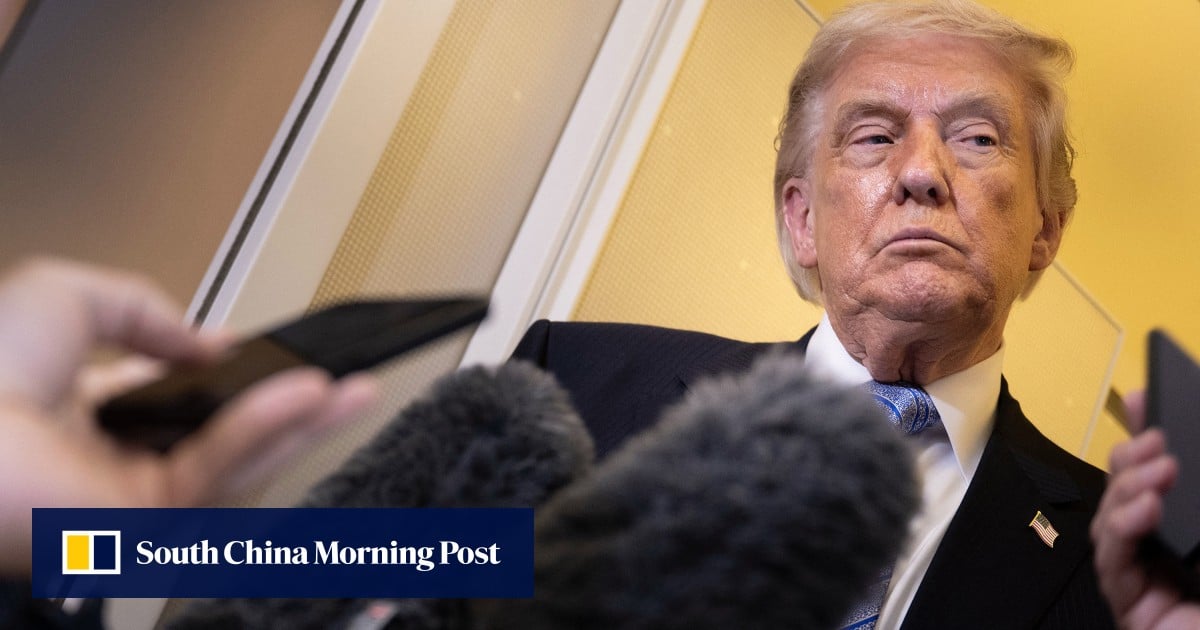
In a historically significant development that escalated tensions, Trump announced he will speak directly with Taiwan’s President Lai Ching-te — marking the first such direct presidential communication since 1979, when the US shifted diplomatic recognition to Beijing.
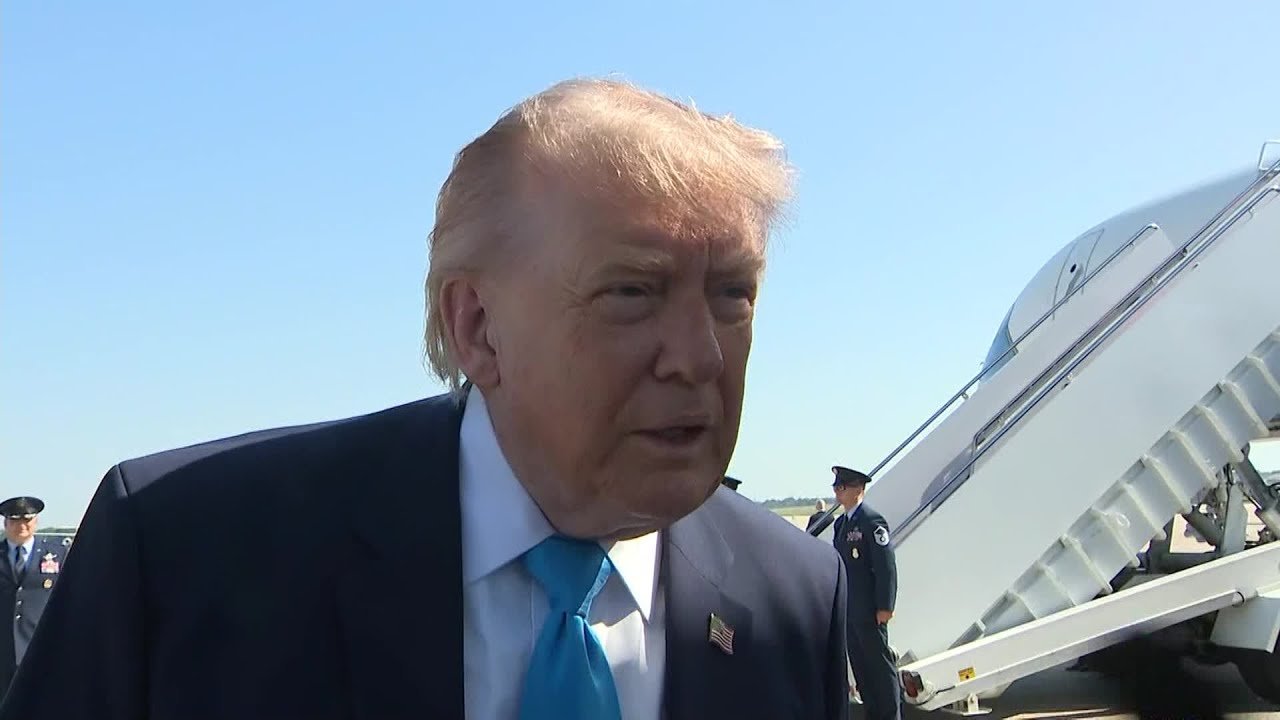
I speak to everybody… We’ll work on that, the Taiwan problem.
President Donald Trump
This directly touches on concerns over the US$14 billion arms package being used as leverage, with Taiwan noting that arms sales are a legal commitment under the Taiwan Relations Act.
China firmly opposes US-Taiwan interaction and arms sales
China firmly opposes official interaction between the US and the Taiwan region, and opposes US arms sales to Taiwan.
Chinese Foreign Ministry spokesperson
Beijing has issued a formal diplomatic protest, viewing the potential contact as a violation of the “One China” policy and the proposed arms deal as interference in its internal affairs. This stance reinforces Beijing’s long-standing position that Taiwan is an internal Chinese matter and that external powers should not interfere through arms sales or official diplomacy.
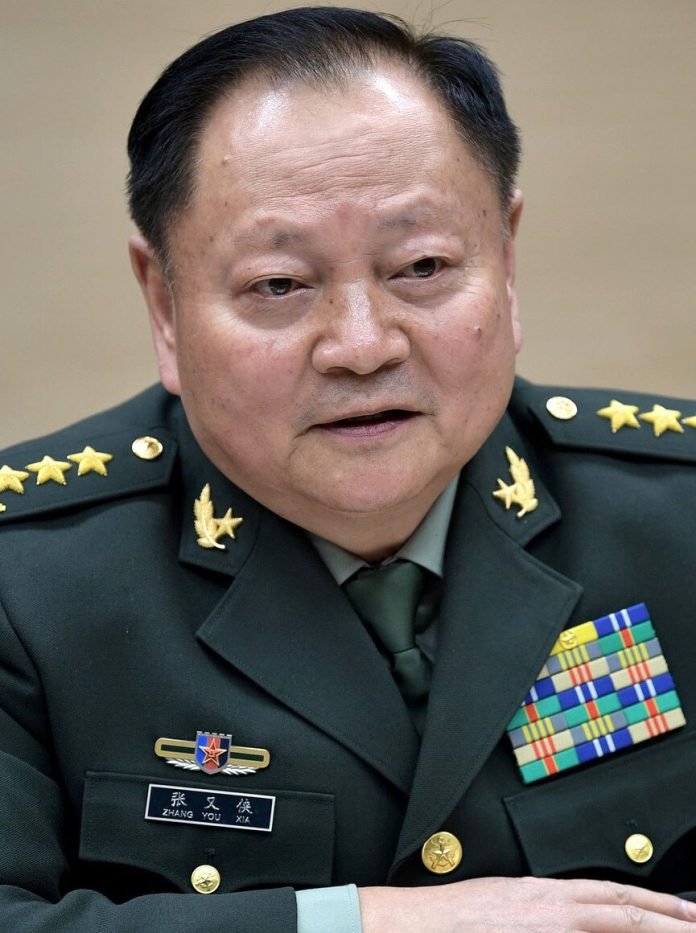
A planned visit by a senior Pentagon official to Beijing is now in doubt as tensions mount over the US$14 billion weapons sale to Taiwan. This development shows the Taiwan arms package is already creating ripple effects in US-China relations, with military-to-military communication at risk of being cut off at a time when both sides need channels to manage tensions.
Philippines says it would be pulled into any Taiwan conflict
We do not want to go to war, but if there is a war over Taiwan, we will be drawn, we will be pulled in whether we like it or not, kicking and screaming.
Philippine President Ferdinand Marcos Jr.
In a related development that underscores the regional stakes, Philippine President Ferdinand Marcos Jr. said the Philippines would inevitably be involved in any conflict over Taiwan due to its geographic proximity and the nearly 200,000 Filipino nationals living and working on the island.
This statement, first made in August 2025 and reiterated in May 2026, risks angering Beijing while signaling that a Taiwan conflict would quickly become a wider regional crisis.
Blame on Beijing
The PRC has never governed Taiwan, and China’s refusal to renounce the use of force is the sole risk to peace in the Taiwan Strait.
Taiwan Ministry of Foreign Affairs
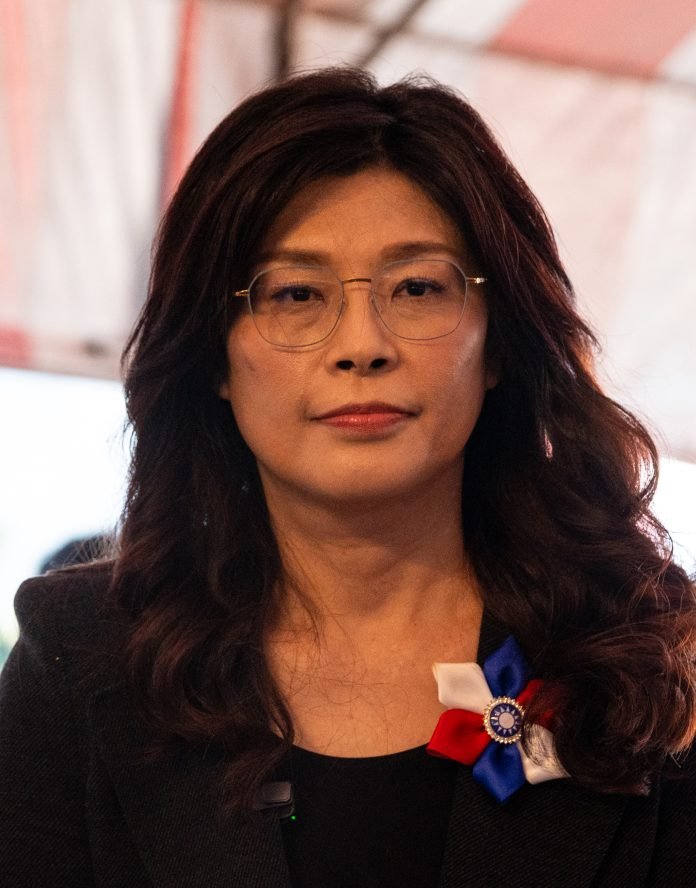
Taipei has also redirected attention to China’s military activity. Premier Cho Jung-tai described Beijing’s naval deployments and frequent air incursions as the primary source of regional instability.
Taiwan’s foreign ministry added that China’s refusal to renounce the use of force remains the single greatest threat to peace in the Taiwan Strait.
Why it matters
The episode highlights a deeper concern in Taipei: not just China’s growing assertiveness, but the risks of strategic ambiguity from its key security partner, the United States.
For Taiwan, the position is unequivocal — its sovereignty is not up for negotiation.