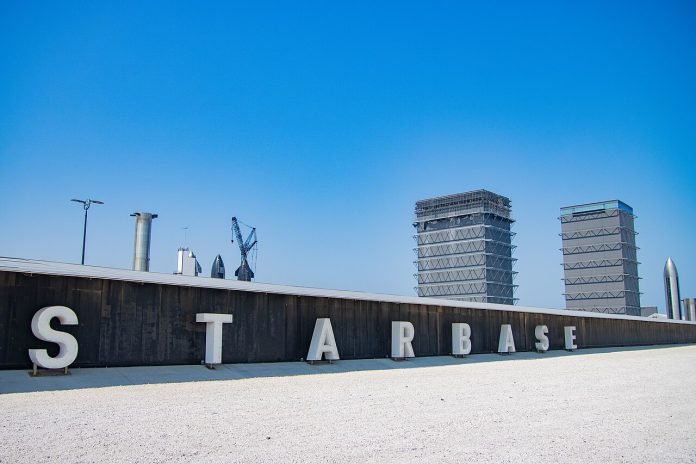
SpaceX’s long‑awaited IPO filing is now not just a capital‑markets story. It is a test of whether public investors will back Elon Musk’s deeply intertwined empire, heavy losses, and long‑term bet on orbital AI and Mars.
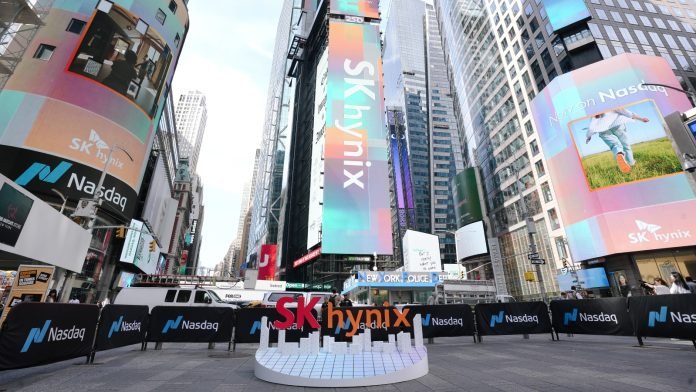
With a June 12 Nasdaq debut under the ticker “SPCX” on the horizon, the company is targeting a valuation that could stretch from about $1.75trillion to $2trillion, raising roughly $75billion to $80billion and positioning the deal as the largest IPO in history, according to Reuters and other major outlets.
SpaceX formally filed its S‑1 registration with the US Securities and Exchange Commission on May 20, setting a tightly choreographed path to listing. The company plans to begin its investor roadshow on June 4, finalize pricing on June 11, and start trading the following day, Reuters and CNBC reported. The Nasdaq listing will mark the first time the public can buy shares in a company that has long operated as a private, high‑stakes venture.
The sheer size of the offering is unprecedented. Analysts cited by Analysts cited by Reuters and Bloomberg have described it as the largest IPO ever contemplated, with the potential to reset expectations for how much capital frontier tech can raise in a single transaction. If the deal prices near the top of the range, it would also vault SpaceX into the ranks of the most valuable companies on record., with the potential to reset expectations for how much capital frontier tech can raise in a single transaction. If the deal prices near the top of the range, it would also vault SpaceX into the ranks of the most valuable companies on record.
Elon Musk once swore SpaceX would stay private
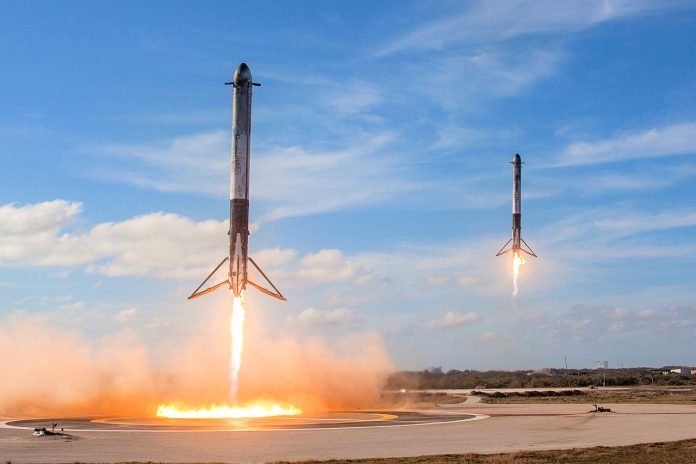
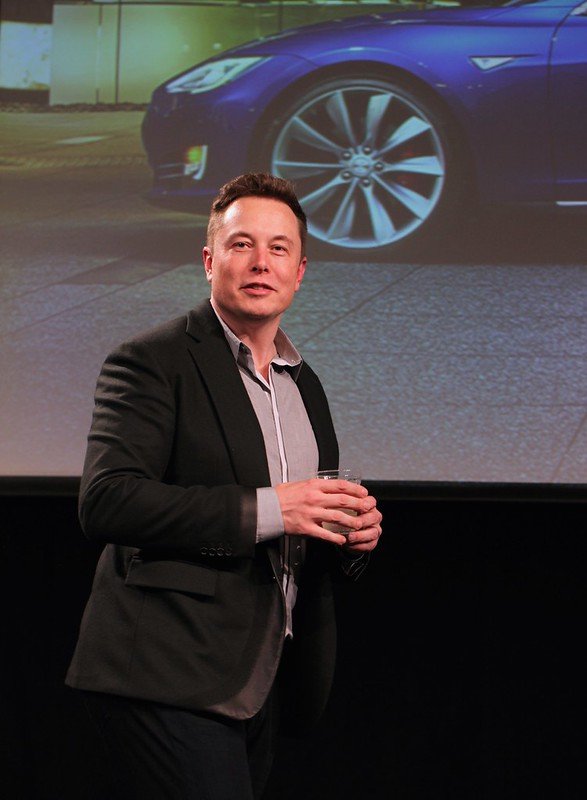
For over two decades, Elon Musk’s public stance was clear: SpaceX should remain private so that investors could not pressure him to prioritize quarterly profits over the long‑term, high‑risk mission to build transport systems capable of reaching and sustaining life on Mars. He argued that short‑term expectations, earnings calls, and activist pressure would inevitably clash with the decade‑scale timelines and massive cash burn required to develop technologies like Starship.
Musk often said he would only consider an IPO once SpaceX had established regular, mature transport flights to Mars or at least had a stable, predictable revenue stream that could withstand the scrutiny of public markets. In internal memos cited by profile pieces, he described public markets as “jarring” and warned that short‑term volatility or a bad launch would invite heavy investor criticism.
That narrative framed SpaceX for years as a quasi‑national lab: privately funded, mission‑driven, and insulated from Wall Street.
Dual‑class control and retail access
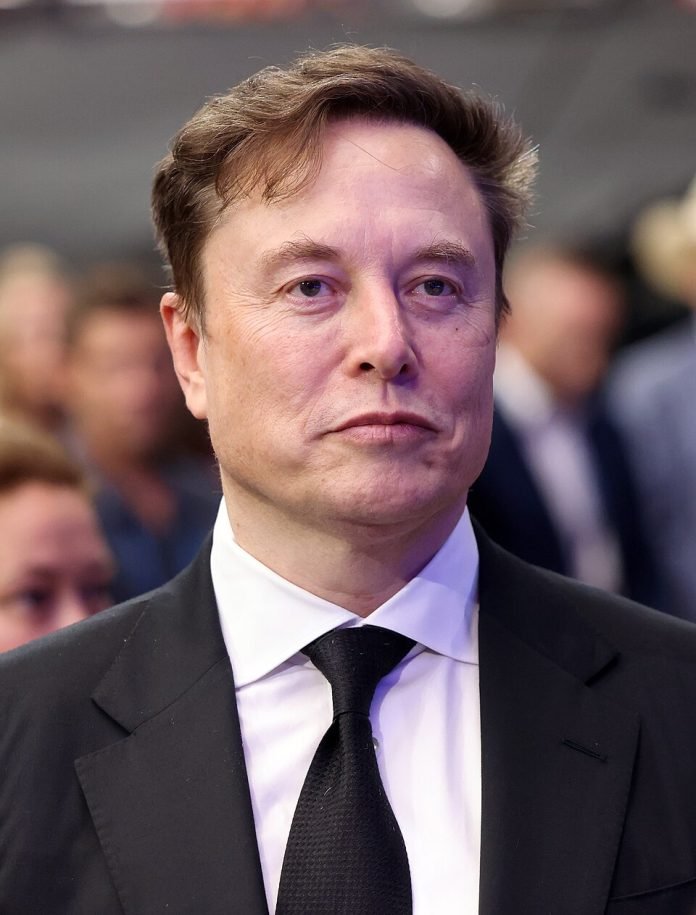
The structure of the IPO has also drawn attention from the Financial Times, whose reporting frames the deal as a “billionaire‑friendly” proposition rather than a conventional shareholder‑democratic event. The FT describes how SpaceX’s proposed dual‑class voting scheme, under which Class B shares carry 10 votes each, effectively ensures that Elon Musk cannot be removed by ordinary investors even once the company is public.
SpaceX’s S‑1 excerpt signals that the company will remain a “controlled company” after the IPO, meaning it will not require a majority of independent directors or fully independent nominating and compensation committees. Only the audit committee must be entirely independent, a structure that analysts and governance‑focused outlets say further entrenches Musk’s grip even as outside investors come on board.
A board of Musk‑aligned insiders
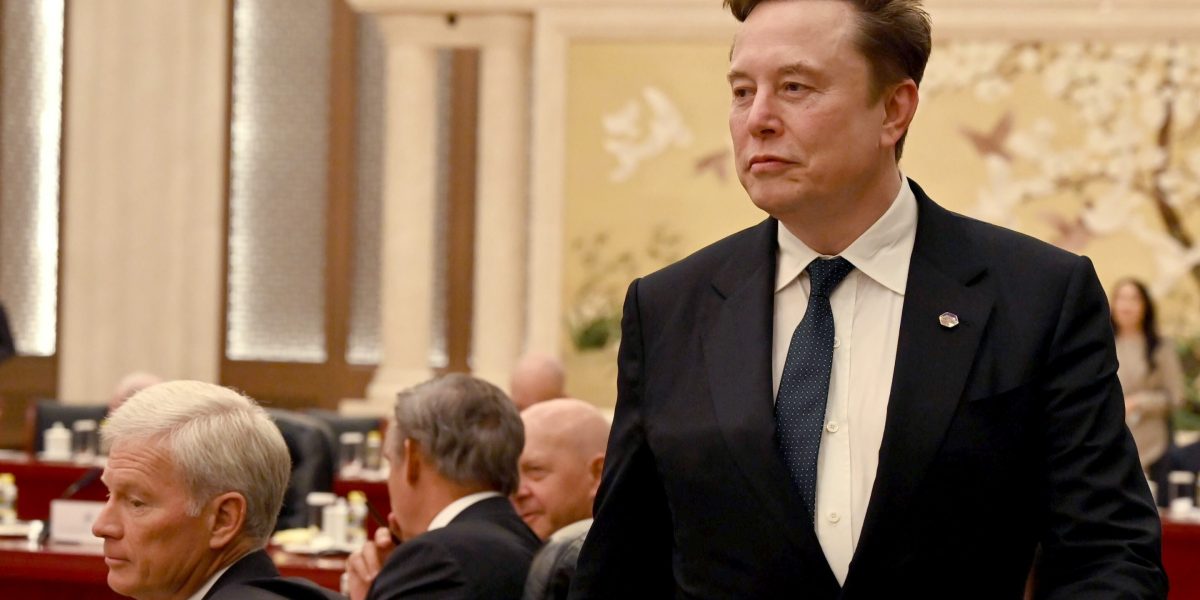
The IPO filing also reveals that SpaceX’s board is heavily aligned with Musk’s broader business network, rather than operating as a classically detached, independent supervisory body. Reuters’ reporting on the board composition notes that directors include long‑time Tesla investors, PayPal “mafia” members, and venture‑capital figures who have backed various Musk ventures over the past two decades.
That pattern of continuity — reusing executives, directors, and early‑stage backers across Tesla, X, and AI‑focused xAI — underlines how the IPO is not just about Shares of SpaceX but about the broader Musk ecosystem. For governance‑conscious investors, the implication is that oversight will remain closely aligned with Musk’s interests rather than acting as a separate corrective force.
Musk’s tightly woven corporate web
The S‑1 filing also shines a light on how deeply Musk’s companies are entangled. Reuters reported that the document details extensive commercial and financial ties among his ventures, including Cybertruck purchases, shared private jet usage, and cross‑company stock investments. These relationships underscore that SpaceX is not operating in isolation but as a core node in a broader Musk‑controlled ecosystem.
That ecosystem includes not only SpaceX and Starlink but also Tesla, X (formerly Twitter), and AI‑focused xAI, which Reuters and other outlets describe as increasingly integrated into SpaceX’s capital and infrastructure strategy. For investors, the implication is that the IPO is as much about the collective potential of Musk’s companies as about any single balance sheet.
Wall Street’s scramble for a role
Behind the scenes, banks have been jockeying to secure prominent roles on the IPO. CNBC reported that Goldman Sachs is set to take the coveted lead left position, with Morgan Stanley and other major firms also in the syndicate. Reuters separately reported that Goldman chief executive David Solomon and his team worked to reach Musk directly on X as banks competed for a high‑profile role in the deal.
The IPO’s prestige has attracted large institutional players as well. Reuters reported that investors such as BlackRock have explored multibillion‑dollar commitments, signaling that traditional asset managers are treating SpaceX as a core infrastructure‑style holding rather than a speculative startup. That appetite has helped push the valuation narrative higher in the run‑up to the filing.
Finances: massive growth, heavier losses
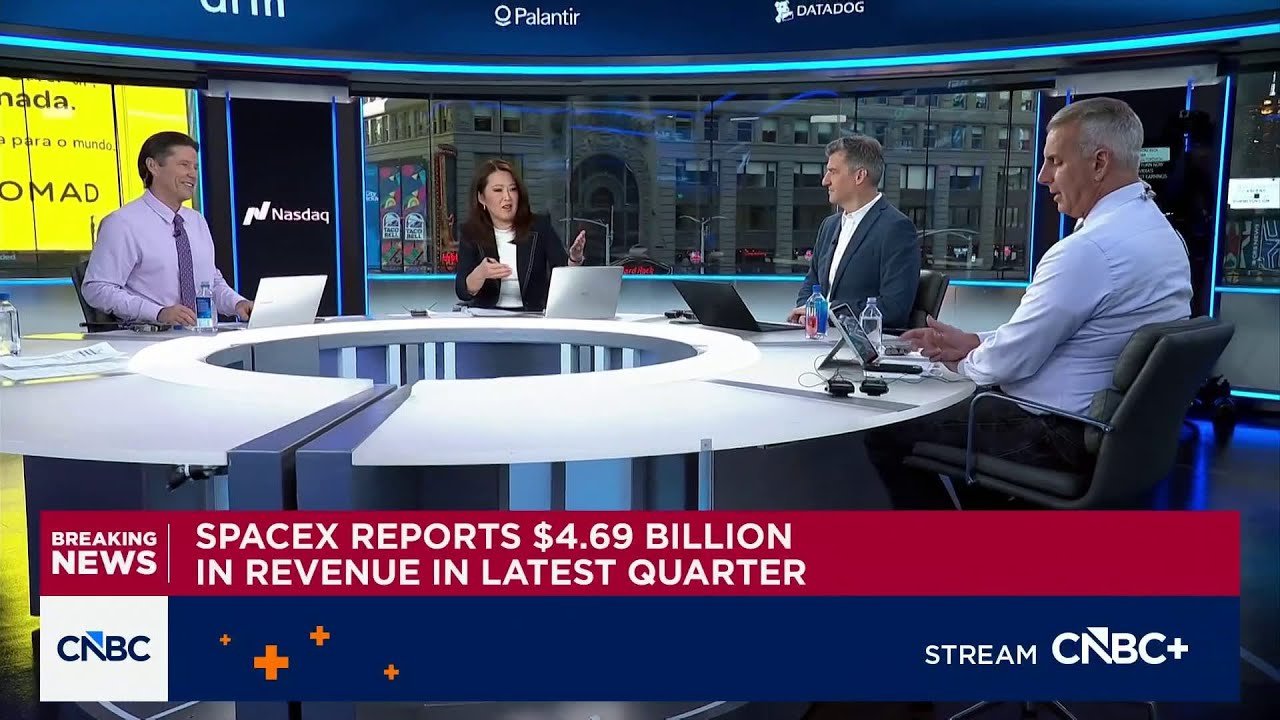
The prospectus opens SpaceX’s books for the first time, revealing a business that is scaling fast but still burning capital. Reuters and other outlets reported that the company generated $18.7billion in revenue in 2025, up 33 percent year‑on‑year, yet posted a net loss of $4.9billion. That pattern continued into 2026, with SpaceX reporting $4.3billion in losses on $4.7billion in revenue in the first quarter, filings cited by Reuters and CNBC show.
Starlink emerged as the company’s primary financial engine, producing $11.4billion in revenue and $4.4billion in operating profit in 2025, while launch services brought in $3.8billion, according to Reuters and other outlets. The AI infrastructure segment, which includes xAI and X, generated $3.2billion in revenue but posted a $6.4billion operating loss, reflecting a massive $12.7billion investment in data centers.
From rockets to orbital AI
What sets the IPO apart is its narrative: SpaceX is pitching itself not only as a rocket company but as an “orbital AI infrastructure” platform. The company’s documents, as summarized by Reuters and the Financial Times, describe plans to deploy solar‑powered AI compute satellites in orbit as early as 2028, aiming to add 100 gigawatts of compute capacity annually to sidestep terrestrial power and cooling constraints.
Reuters also reported that SpaceX has already secured a $1.25billion per month contract to rent spare data center capacity to rival AI firm Anthropic through mid‑2029. This pivot reframes SpaceX as a vertically integrated infrastructure layer that spans global connectivity, launch logistics, and AI compute.
The company’s prospectus estimates a staggering $28.5trillion total addressable market, overwhelmingly driven by enterprise and AI applications, according to Reuters and other outlets.
The trillion‑dollar question
If the IPO prices near the top of its range, the valuation could push Musk’s stake into uncharted territory. Outlets including ABC and Reuters have flagged that the deal could, in theory, make Musk the world’s first paper trillionaire, assuming the offering settles at the upper end of the valuation band. That scenario hinges on whether public markets are willing to accept long‑term capital intensity and founder‑centric governance in exchange for exposure to a sprawling, multi‑sector empire.
For investors, the choice is clear but complex: they are being asked not just to buy a stock, but to underwrite a vision that stretches from LEO to LLMs.