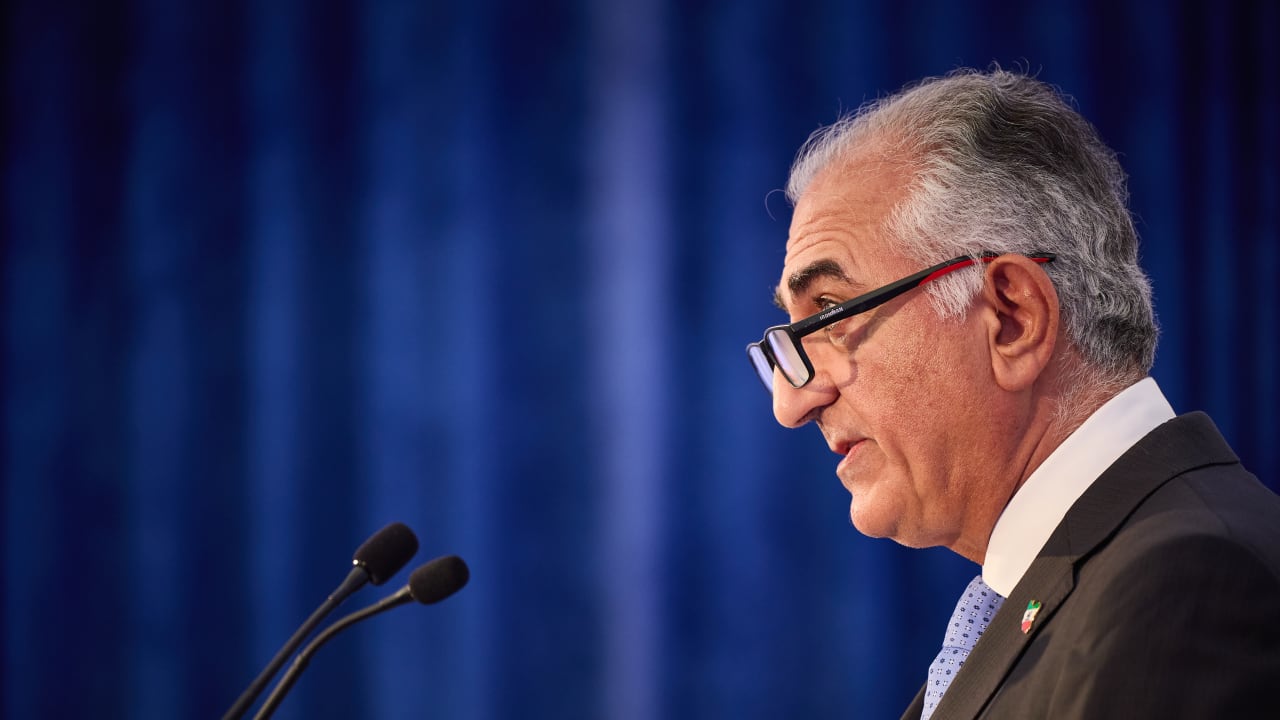
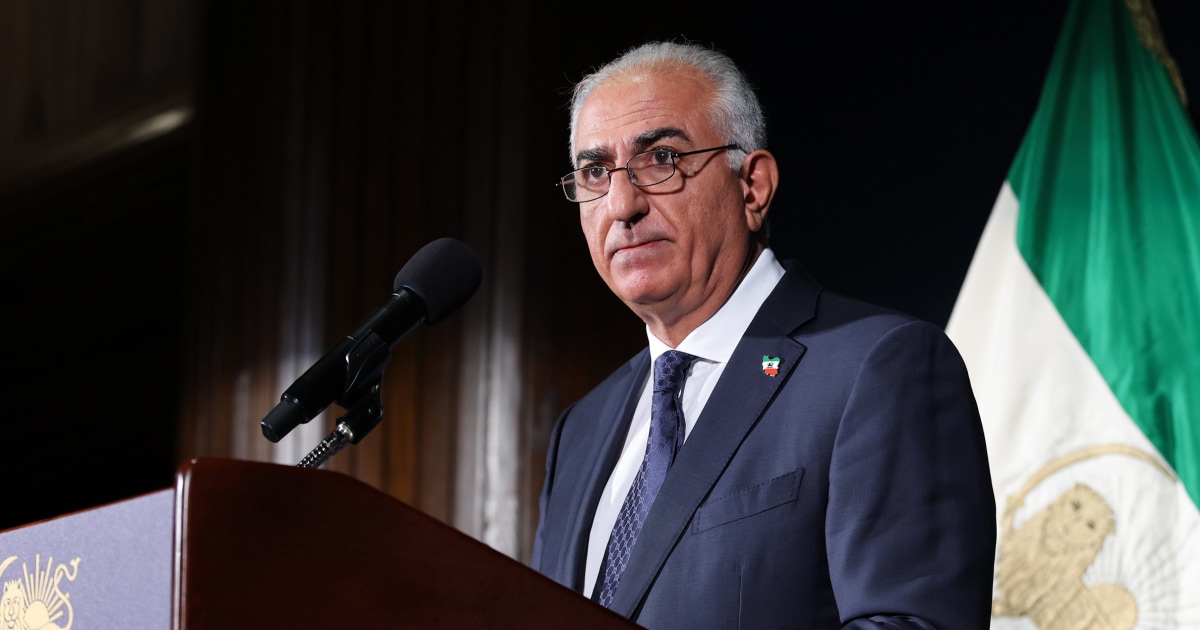
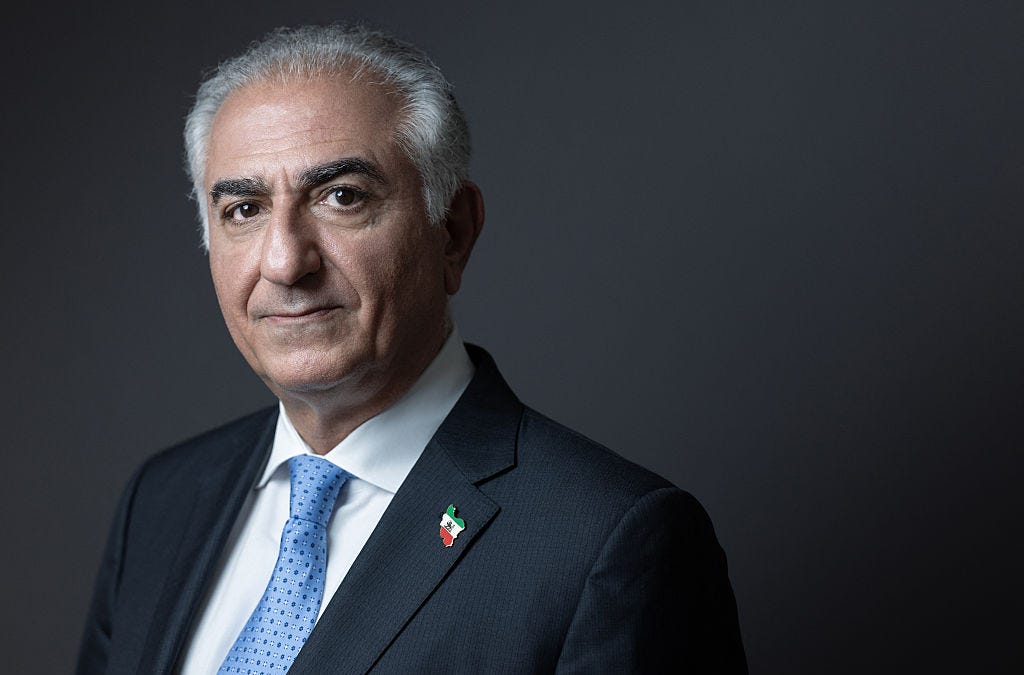
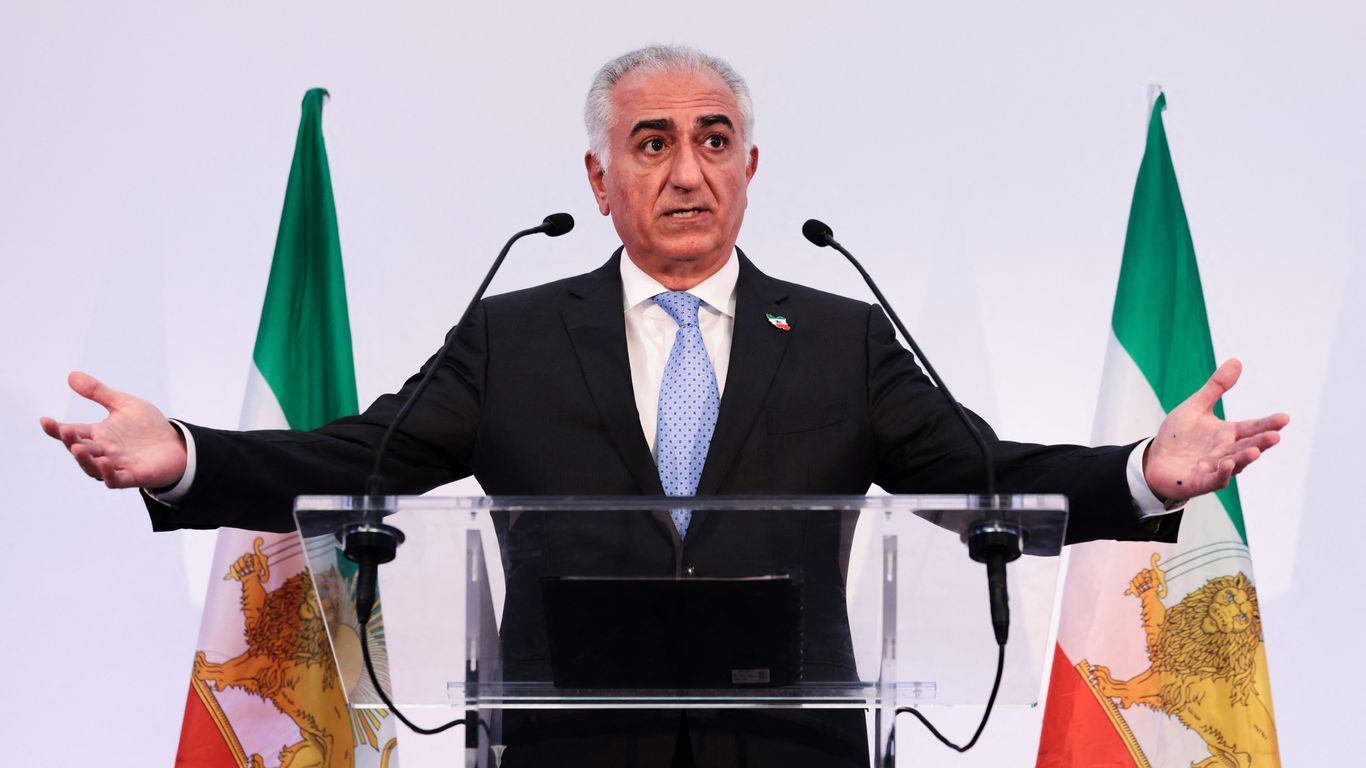
Exiled crown prince Reza Pahlavi urges action to topple Iran’s government

Jump to Timeline

Reza Pahlavi is the exiled Crown Prince of Iran and the eldest son of Mohammad Reza Pahlavi, the last Shah of Iran. Since the 1979 Islamic Revolution, he has lived primarily in the United States, where he has established himself as a prominent leader of the Iranian democratic opposition.

Press conference calls for surgical strikes, maximum pressure

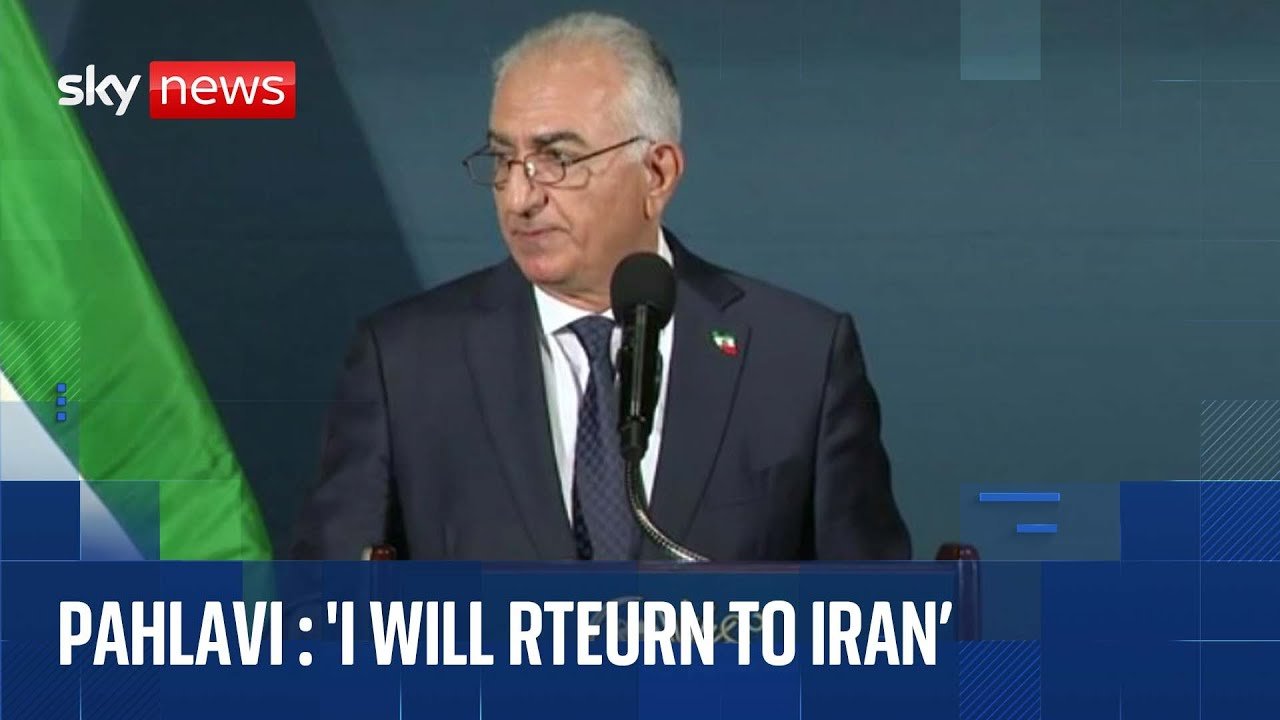
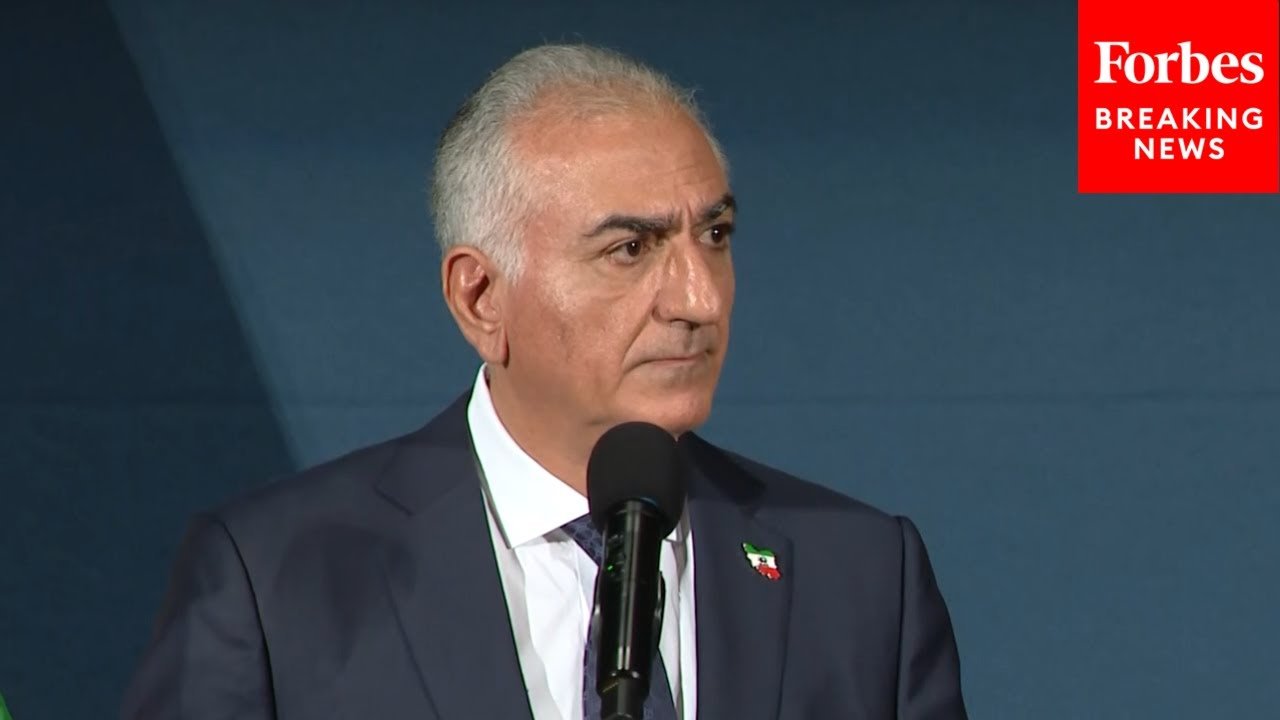
On January 16, 2026, Reza Pahlavi held a major press conference at the National Press Club in Washington, D.C., where he called for the international community to help topple the Iranian government. During this conference and other January addresses, he emphasized several key points. He urged world powers to conduct “surgical strikes” against the Revolutionary Guards’ leadership, command centers, and infrastructure to “degrade the regime’s coercive power.”

He requested that global powers expel Iranian diplomats, demand the immediate release of all political prisoners, and implement “maximum pressure” on the regime while providing “maximum support” to the people. He called for the deployment of Starlink and other secure satellite communications to bypass internet blackouts and allow Iranian protesters to organize.

Six actions for the West

He urged global leaders to: degrade the regime’s repressive capacity through surgical strikes on IRGC assets; maintain maximum economic pressure by blocking assets and “ghost tankers”; provide unrestricted internet access for Iranians; expel regime diplomats and pursue legal action for crimes against humanity; demand the immediate release of all political prisoners; and recognize a legitimate transitional government.

His transition plan involves a temporary transitional government, followed by a national assembly to draft a constitution and a national referendum to decide if the future state will be a republic or a constitutional monarchy. He envisions a free Iran that fosters peace and partnership in the Middle East, including a potential end to the nuclear program and renewed ties with countries like Israel.

“Global Day of Action” draws more than 1million

Pahlavi called for coordinated nationwide action on January 8 and 9, which reportedly led to millions taking to the streets during a period of high-intensity unrest. He also declared February 14, 2026, a “Global Day of Action” to increase international pressure on the Iranian government following a deadly crackdown on domestic dissent.

Over one million people participated across major cities. He urged citizens to no longer just protest but to “seize and hold” city centers and occupy state institutions. He has called on the Iranian military and police to break with the clerical establishment, promising that anyone without “blood on their hands” will be part of the future security force.

Ready to lead 180-day transition to secular democracy

Pahlavi stated he is “ready to lead the transition” to a secular democracy and oversee a temporary government for the first 180 days after the regime’s collapse.

He outlined a roadmap for national recovery involving a new constitution, followed by free and fair elections under international oversight. He emphasized that any new government must be based on three pillars: territorial integrity, secular democracy, and the people’s right to choose their political system.

Protesters wave monarchy flags

Protesters inside Iran have been seen waving “Lion and Sun” flags and chanting “Long Live the Shah,” though critics argue these slogans are sometimes a “calculated weapon of the regime” to create a false choice between the current theocracy and a return to monarchy.

Over one million people rallied worldwide on February 14, 2026, in a “Global Day of Action” called by Pahlavi, with massive turnouts in Los Angeles, Paris, and Toronto. Groups like the National Council of Resistance of Iran (NCRI) have rejected Pahlavi’s leadership, calling the idea of a restored monarchy “anachronistic” and promoting their own 10-point plan instead.

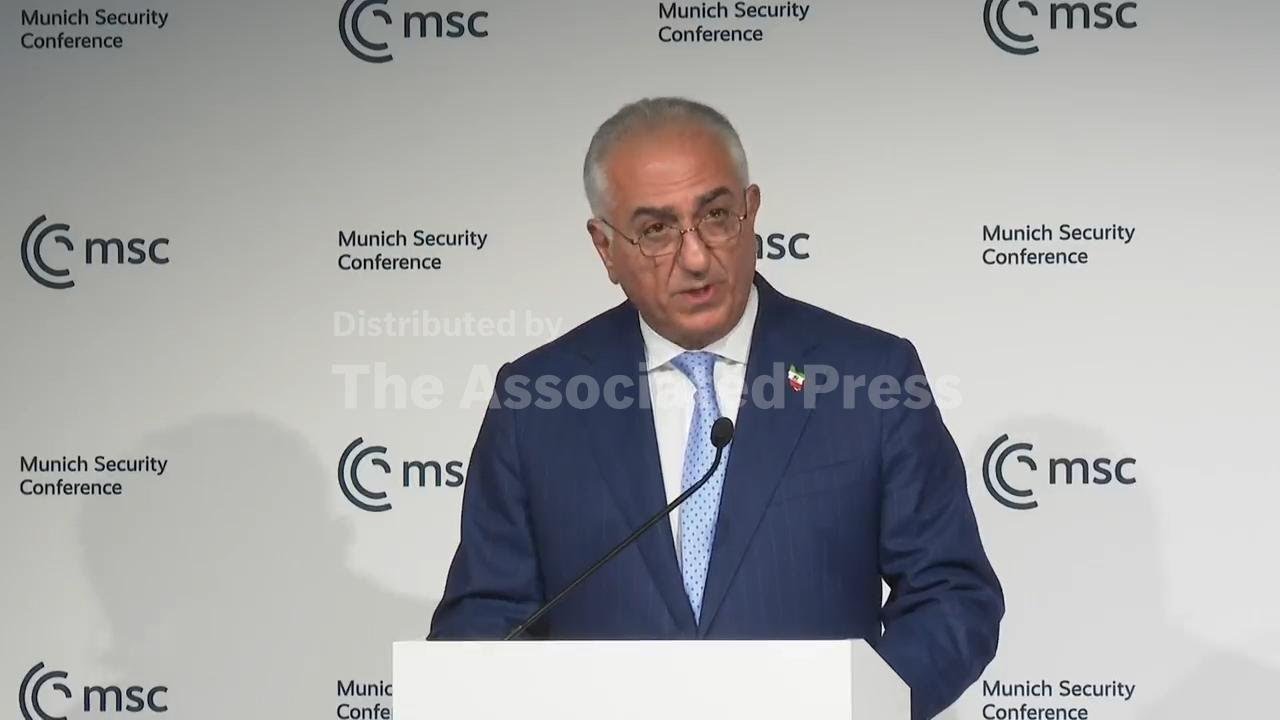
Pahlavi’s presence at the 2026 Munich Security Conference was a major flashpoint. While some attendees, including Senator Lindsey Graham, engaged with his vision, others remained skeptical of his ability to unify a fragmented opposition. The Islamic Republic has labeled Pahlavi a “foreign-backed” actor and intensified its crackdown, creating databases to track protesters and their families.
youtube placeholder image

Read on: US–Israel launch coordinated strikes on Iran, killing supreme leader

Key widely reported facts from verified sources including BBC, Reuters, DW.com, APNews, Axios, The Times of Israel, Sky News, The Jerusalem Post, The Times, France 24

US launches “Operation Economic Outcast,” widening Iran sanctions to five new sectors

The US launched Operation Economic Outcast against Iran that expands secondary sanctions risk across five critical sectors and targets nearly 60 entities.
Read more

Trump declares ‘Economic D-Day’ on Iran in unprecedented sanctions escalation

US President Donald Trump has launched what he calls an “Economic D-Day” against Iran, vowing the “most crushing economic operation ever taken against any country”.
Read more

Trump threatens to bomb Oman as US-Iran ceasefire collapses

Trump posted an AI-generated image on his Truth Social platform labeling the Strait of Hormuz as "NEW US TERRITORY."
Read more

US-Iran peace deal collapses as 60-day deadline expires

Both Washington and Tehran have ruled out extending the deal, with President Donald Trump declaring that Iran must "put up the white flag of surrender".
Read more

Trump and Iran trade claims over Strait of Hormuz as shipping traffic collapses

Washington says its naval blockade has secured the strategic waterway while Tehran insists no vessel may pass without its approval.
Read more

“Deeply Duplicitous”: Trump issues ‘last chance’ warning to Iran

After Iran denied holding talks, Trump publicly lashed out, calling the Iranian leadership "unbelievably duplicitous" and insists talks are ongoing.
Read more

Trump meets Zelenskyy and Netanyahu before Lindsey Graham funeral

The overlap highlighted Graham’s standing as a longtime foreign-policy hawk, bringing together leaders tied to two of the world’s most consequential conflicts.
Read more

House votes to curb Trump’s Iran war powers, but Senate blocks the move

Trump framed the war powers vote as an attack on ongoing diplomacy, while critics said Congress was overdue to reassert its constitutional role over war-making decisions.
Read more

Trump threatens major strike as Red Sea conflict widens

Trump signaled that he sees little room for compromise at this stage, saying Iran is “not ready” and has not “received enough pain yet”.
Read more

Former Iranian President rejects allegations of Israeli Plot

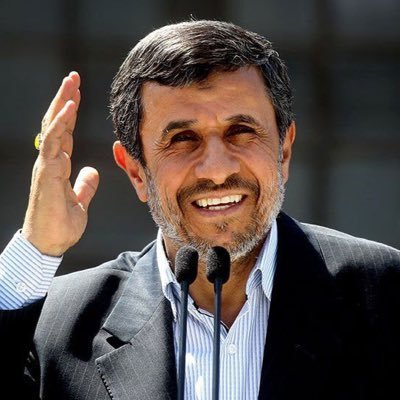
Former Iranian President Mahmoud Ahmadinejad denied allegations that he was recruited by Israeli intelligence as part of a regime-change plot.
Read more
Timeline

1978: Pahlavi left Iran at age 17 in August 1978 to undergo fighter pilot training at Reese Air Force Base in Texas, USA.

1979: While he was in the U.S., the Iranian Revolution toppled his father, Mohammad Reza Pahlavi, in January 1979. The new revolutionary government barred his return, beginning his permanent exile.

1980: Following his father’s death in Cairo in July 1980, Pahlavi declared himself “Reza Shah II” on his 20th birthday.

1980 to 1988: During the Iran-Iraq War, he famously volunteered to serve as a fighter pilot for the Iranian Air Force but was rejected by the clerical regime.

2013: Pahlavi co-founded the Iran National Council (INC).

Jan 8, 2026: Following record inflation and currency depreciation, 1.5 million people protested in Tehran after a call for unity by Pahlavi.

Jan 10: Nationwide demonstrations reached their second week; Pahlavi intensified calls for civil resistance from his base in the United States.

Jan 14: Pahlavi met with Senator Lindsey Graham in Washington to discuss international support for the uprising.

Jan 16: Press Conference (Washington D.C.): At the National Press Club, Pahlavi labeled the regime a “hostile occupying force” and urged the West to provide internet access and target IRGC leadership.

Jan 17: Pahlavi held a “Press Conference with Global Media,” outlining four core principles: territorial integrity, secularism, individual liberties, and the right to a democratic referendum.

Feb 14: Press Conference (Munich): On the sidelines of the Munich Security Conference, Pahlavi held a press conference detailing a “transition roadmap” and called for tighter sanctions and potential military intervention to end the Islamic Republic.

Coordinated “Global Day of Action” rallies were held in Munich, Los Angeles, Toronto, and London, to support the “Lion and Sun Revolution” against the Islamic Republic, saw significant turnout.

Feb 28: Following U.S. and Israeli military strikes (“Operation Epic Fury”), Pahlavi issued a statement on X (formerly Twitter) declaring that the regime had effectively ended

Opinion & Analysis


You may also be interested in

LEAVE A REPLY

Please enter your comment!
Please enter your name here