



The United States and Iran are engaged in an escalating dispute over who controls the Strait of Hormuz, as commercial shipping through the critical waterway remains severely restricted and the economic costs of the conflict continue to mount.
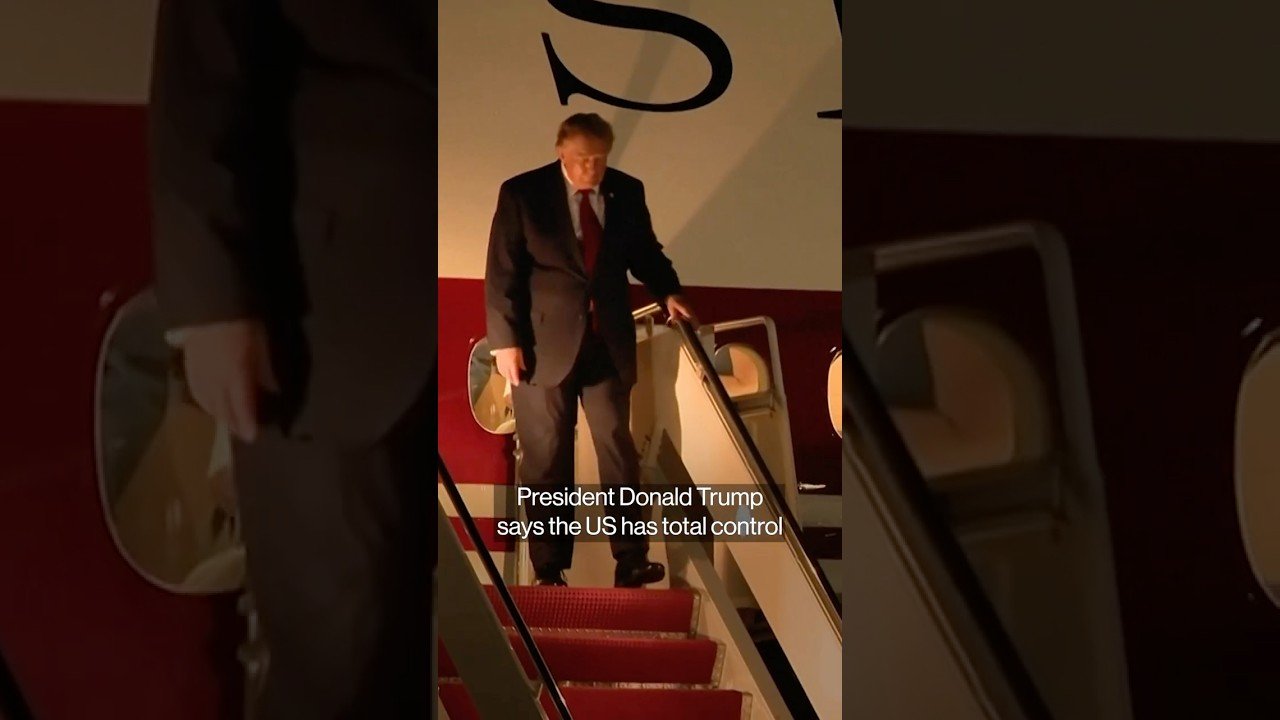
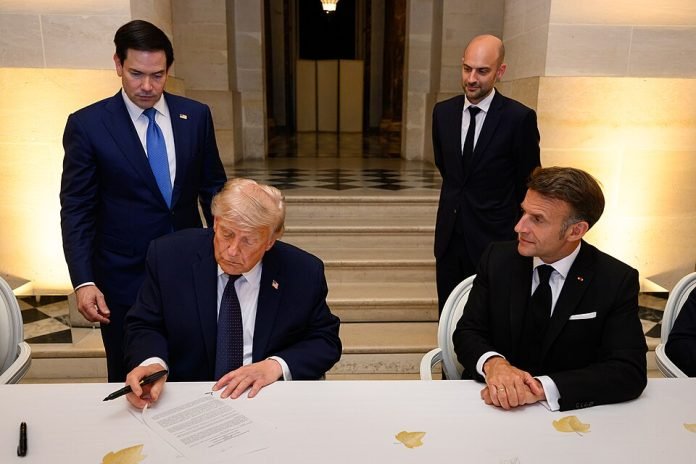
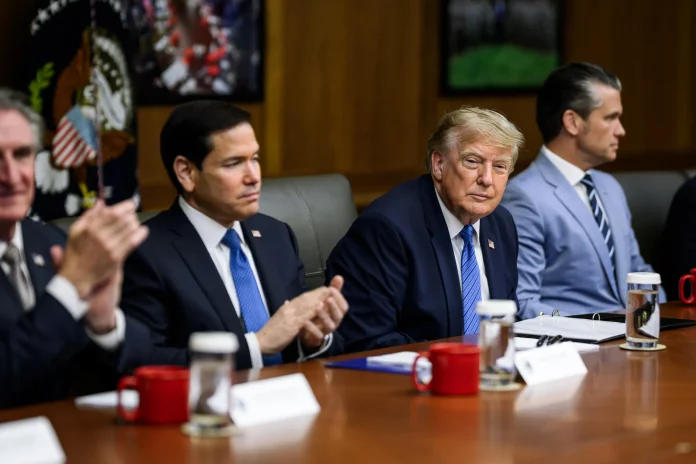
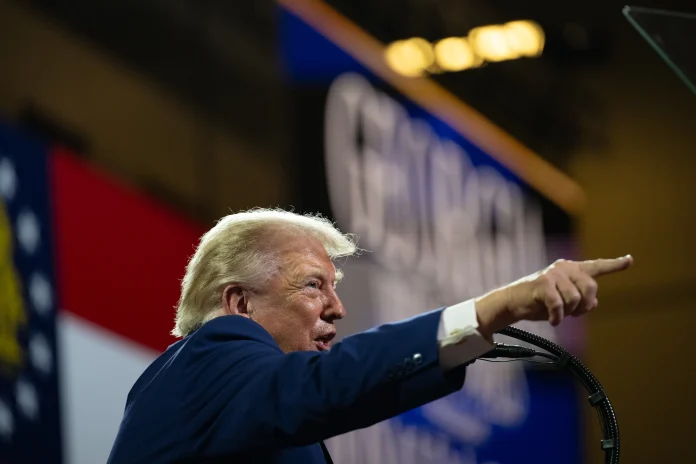
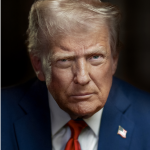
US President Donald Trump claimed on August 12 that Washington had “total control” of the strait, suggesting that the United States could retain control of the maritime chokepoint. He described the American naval blockade of Iranian ports as a “Wall of Steel” and warned that Iranian forces would be destroyed if they attempted to interfere.
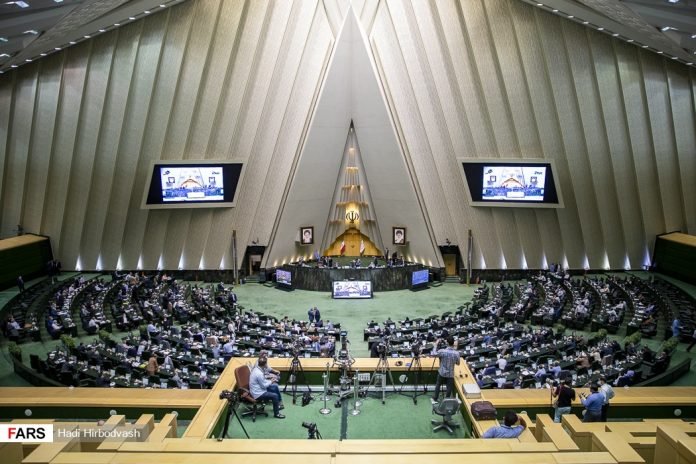
Iran rejected the claim as false. Hossein Taeb, the recently appointed head of Iran’s Basij paramilitary force, said the strait remained under the “management and control” of the Islamic Republic. Iran’s Khatam al-Anbiya Central Headquarters later said that commercial ships and oil tankers could not safely transit without permission and supervision from Iranian forces.
The competing statements reflect a fundamental disagreement over the meaning of “control.” Washington says it is enforcing a blockade against vessels entering or leaving Iranian ports while preserving navigation for ships travelling between other countries. Tehran, however, says it has effectively closed the waterway and retains the ability to decide which vessels may pass.
A strategic waterway under pressure
The Strait of Hormuz lies between Iran and Oman and connects the Persian Gulf with the Gulf of Oman and the wider Indian Ocean. Before the conflict, it carried roughly one-fifth of global oil and liquefied natural gas shipments, making any prolonged disruption a major threat to energy markets.
The present crisis began after US and Israeli strikes on Iran on February 28. Tehran subsequently restricted traffic through the strait, allowing passage only under conditions set by Iranian authorities. The US later imposed a naval blockade on Iranian shipping and ports, saying the operation would target vessels travelling to and from Iran rather than neutral shipping between other destinations.
That distinction has done little to reassure shipowners. Maritime traffic has fallen to a small fraction of its pre-war level. Reuters reported that only eight vessels crossed the strait on one recent day, compared with a 10-day average of approximately 12 vessels and between 130 and 140 ships before the conflict.
The United States says it has redirected more than 55 commercial vessels attempting to breach the blockade, disabled three ships and boarded two. Earlier this week, the US military said an American Navy MH-60 helicopter fired two Hellfire missiles at the engine room of a Panama-flagged vessel after the ship ignored warnings from US forces.
The incident has heightened concerns that a miscalculation involving a commercial vessel could trigger a broader military confrontation.
Tehran sets conditions for reopening
Iranian officials have indicated that the strait will not fully reopen unless Washington meets a series of political and economic demands.
Those demands reportedly include an end to the US naval blockade, the lifting of economic sanctions, the release of frozen Iranian assets and compensation for attacks carried out during the conflict. Tehran has also argued that Washington must comply with commitments made under an interim ceasefire agreement reached in June.
That agreement called for a permanent ceasefire and a rapid return to freedom of navigation in the Gulf. It later unravelled after Iran resumed limited attacks on vessels it said had violated the arrangement, prompting the United States to restart strikes on Iran’s southern provinces.
Iranian officials now say Washington cannot unilaterally reopen the waterway. Rasoul Sanaei-Rad, a senior Iranian military and political official, warned that Tehran would respond more aggressively in any future conflict.
The dispute also involves Oman, which shares control of the strait’s territorial waters with Iran. The United States has previously said it would lift its blockade once Iran and Oman reached an agreement to restore commercial shipping.
Washington prepares for a prolonged blockade
US Defense Secretary Pete Hegseth said on August 13 that the US military could sustain the blockade indefinitely by rotating ships in and out of the region.
“Indefinitely the United States Navy can maintain a blockade like that because we’ll rotate ships in and out,” Hegseth told reporters while visiting Panama.
More than 20 US warships and tens of thousands of American troops have been deployed to the Middle East since the war began. The deployment has placed additional pressure on the US Navy, while the continuing conflict has raised questions about the readiness, morale and mental health of personnel serving on extended rotations.
Washington has also threatened to impose further economic measures on Tehran. Treasury Secretary Scott Bessent said the United States was preparing sanctions and other financial restrictions that would represent an unprecedented level of economic isolation for Iran.
The pressure campaign has inflicted severe damage on Iran’s economy by restricting its access to shipping routes and foreign currency. It has not, however, persuaded Tehran to abandon its demands over the strait or return to negotiations on Washington’s terms.
Energy markets absorb the shock
The disruption has already affected global energy expectations. The International Energy Agency has forecast that worldwide oil supply could decline by 4.3 million barrels per day this year—approximately 4%—revising its earlier estimate of a 3.7 million-barrel-per-day decline.
The Strait of Hormuz crisis is therefore not simply a dispute over maritime access. It has become a contest over energy leverage, sanctions enforcement and the credibility of American military power in the Gulf.
For consumers, the pressure is most visible in fuel prices. US gasoline prices have risen sharply, while shipping operators face higher insurance costs and growing uncertainty over whether vessels can safely enter the Gulf. Any further attack on tankers, port infrastructure or regional energy facilities could push prices higher and deepen supply shortages.
Two vessels operated by Abu Dhabi National Oil Company were reportedly attacked while transiting the strait on August 13, according to the United Arab Emirates’ state news agency. The UAE government blamed Iran for the incident, adding to fears that the conflict could spread to Gulf states that have sought to avoid direct involvement.
Neither side has achieved uncontested control
Trump’s declaration that the United States “owns” the strait is a political claim rather than an indication that Washington has established uncontested authority over every vessel using the waterway. Iran’s insistence that no ship may pass without its permission is similarly difficult to reconcile with the presence of US naval forces and the continued movement of a limited number of commercial vessels.
The reality is a heavily militarised waterway in which both sides can obstruct shipping, threaten enforcement and impose costs—but neither has restored normal commercial navigation.
That ambiguity is likely to persist while the blockade remains in place and ceasefire negotiations remain stalled. For shipping companies, the practical question is not which government claims sovereignty over the strait, but whether a vessel can cross without being stopped, attacked or exposed to unacceptable financial and legal risk.
Until that question is answered, the Strait of Hormuz will remain less a functioning international trade route than the central pressure point of the US–Iran conflict.