
“Deeply Duplicitous”: Trump issues ‘last chance’ warning to Iran

In this story
Jump to Timeline

Key Reporting

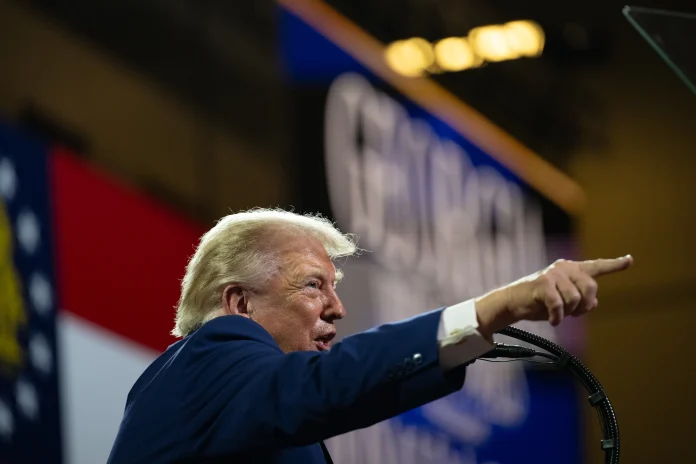
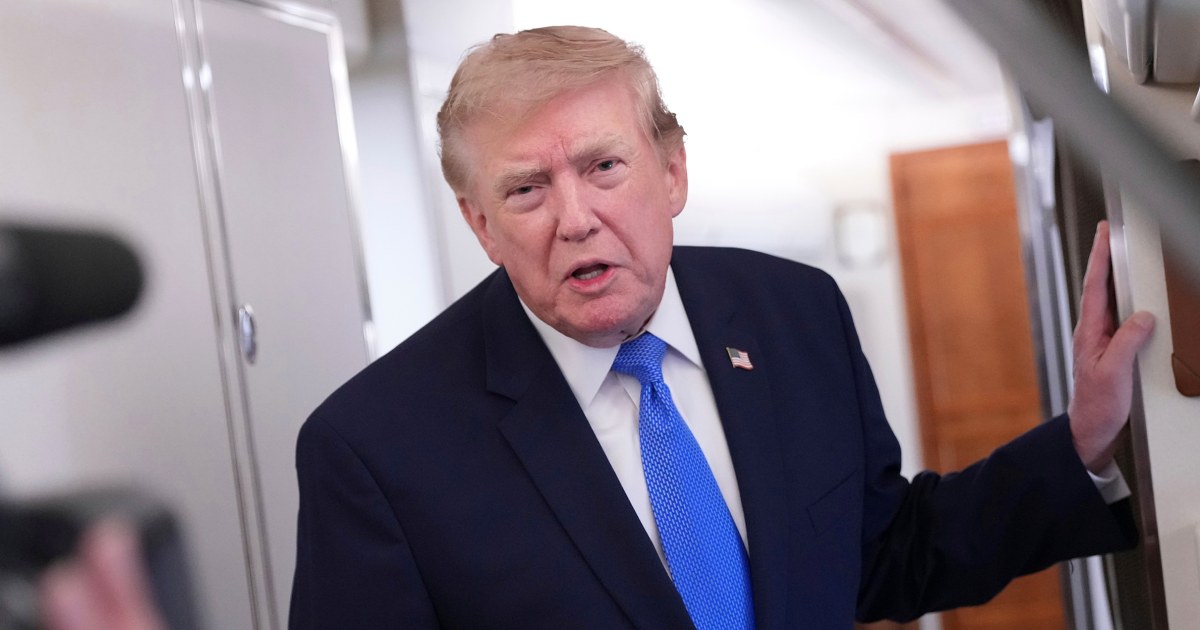
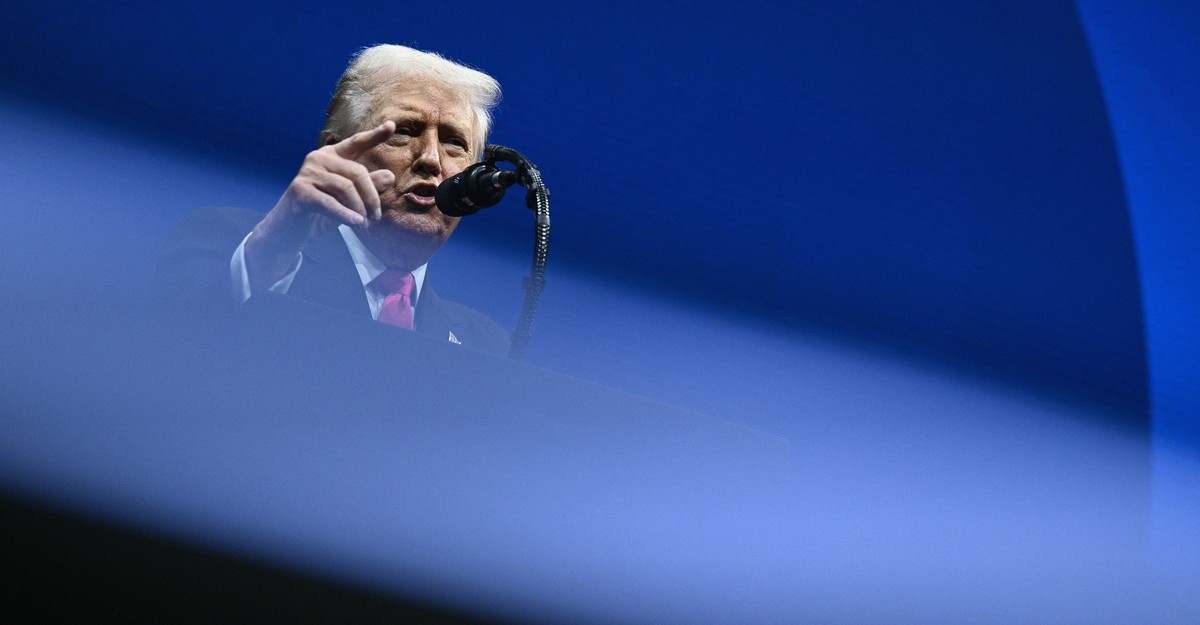
US President Donald Trump has issued his starkest warning yet to Iran, framing ongoing diplomatic efforts as Tehran’s “last chance to sign a good document” before facing devastating military action. While Trump paired his optimism over purported “all-day negotiations” with an explicit threat of military “decapitation” if the talks fail, Iran continues to flatly deny that any direct negotiations with the United States are taking place.

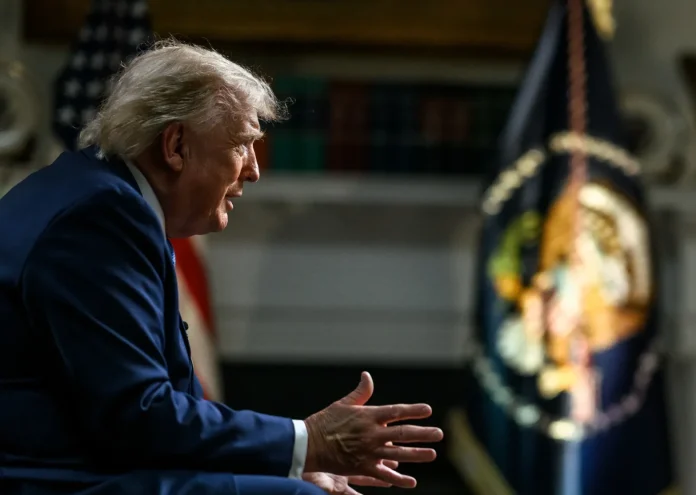
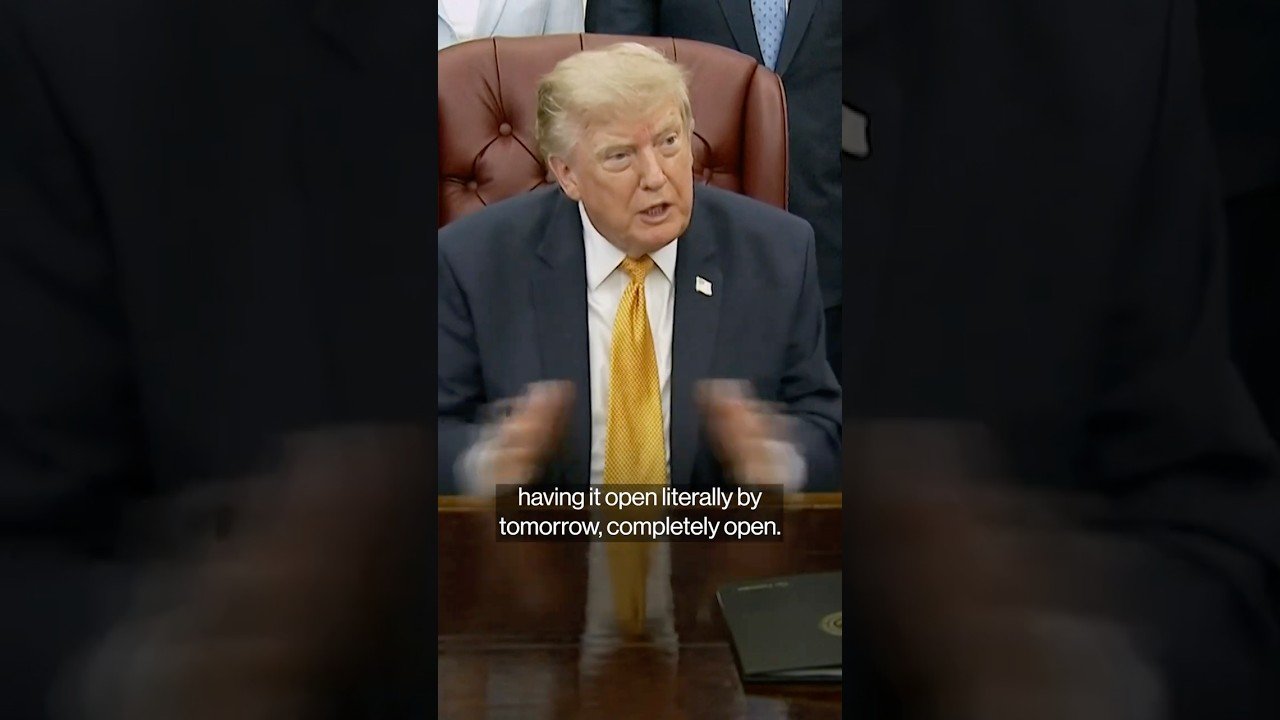
In remarks from the Oval Office, Trump stated he wants to give Iran “every last chance before decapitation”, adding that things will move quickly “one way or the other.” This threat follows Trump’s decision to call off a massive, prepared military strike against Iranian energy infrastructure and power plants, a move he claimed was made at the request of Iran and Gulf nations.

After Iran denied holding talks, Trump publicly lashed out, calling the Iranian leadership “unbelievably duplicitous” and insisting that productive discussions had occurred.

Iran’s denial: Trump has “run out of steam”

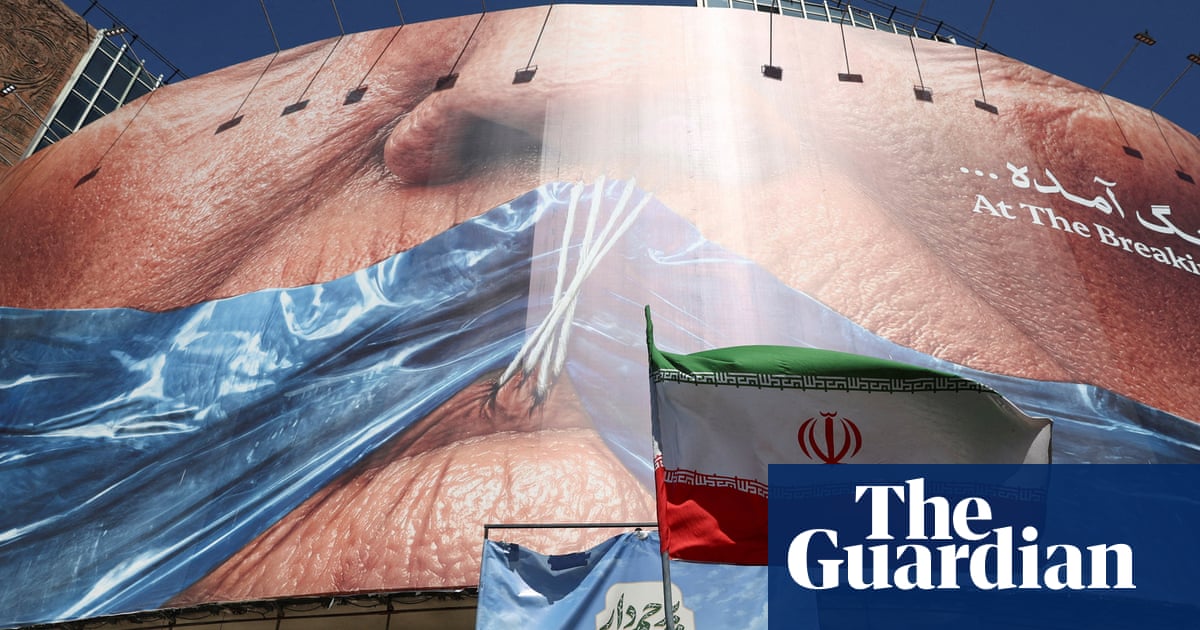
Iran’s Foreign Ministry spokesman, Esmaeil Baghaei, firmly stated that Tehran has “no plans to receive a delegation or send an Iranian one” to meet with the US Iranian state media clarifies that their only active negotiations are being held with Oman, discussing a new, temporary commercial shipping route with established entry and exit lanes to bypass the layout of the ongoing conflict.

Internal Iranian factions and state media have openly mocked Trump’s warnings, framing his paused strikes as a sign that he has “run out of steam” rather than a diplomatic favor.

Gulf states fear all-out war

The core of the military crisis remains the Strait of Hormuz, which Iran closed on February 28, crippling global energy shipping routes. Trump has vowed to intensify bombing until the critical waterway is cleared.

Saudi Arabia’s Crown Prince Mohammed bin Salman held an emergency call with Trump, urging dialogue and de-escalation. Gulf nations increasingly fear that an all-out US-Iran war will trigger devastating proxy drone and missile attacks across their own sovereign territories.

In response to the shifting threats, US embassies across the Middle East have proactively warned American citizens to prepare for sudden airspace closures and flight cancellations.

Intermediaries confirm talks ongoing

The diplomatic landscape is complicated by conflicting reports on the nature of the talks. While Trump insists negotiations are underway, regional mediators, including Qatar and Pakistan, are working to facilitate a deal that would reopen the Strait of Hormuz and address Iran’s nuclear program.

A regional official involved in the mediation efforts said that a compromise is being negotiated, centering around having Iran run vessel transit through the Strait of Hormuz with fewer restrictions on ships. The US, for its part, would end its naval blockade on Iran and allow Tehran to export its oil, although no deal has been reached.

The timeline for these talks remains uncertain, with Pakistani officials stating that no date or venue has yet been finalized. Meanwhile, Iran’s Foreign Minister Abbas Araghchi said negotiations with Oman over the Strait of Hormuz were in their “final stages”, but stressed that these talks were bilateral and did not involve the US.
youtube placeholder image

US launches “Operation Economic Outcast,” widening Iran sanctions to five new sectors

The US launched Operation Economic Outcast against Iran that expands secondary sanctions risk across five critical sectors and targets nearly 60 entities.
Read more

Trump declares ‘Economic D-Day’ on Iran in unprecedented sanctions escalation

US President Donald Trump has launched what he calls an “Economic D-Day” against Iran, vowing the “most crushing economic operation ever taken against any country”.
Read more

Trump threatens to bomb Oman as US-Iran ceasefire collapses

Trump posted an AI-generated image on his Truth Social platform labeling the Strait of Hormuz as "NEW US TERRITORY."
Read more

US-Iran peace deal collapses as 60-day deadline expires

Both Washington and Tehran have ruled out extending the deal, with President Donald Trump declaring that Iran must "put up the white flag of surrender".
Read more

Trump and Iran trade claims over Strait of Hormuz as shipping traffic collapses

Washington says its naval blockade has secured the strategic waterway while Tehran insists no vessel may pass without its approval.
Read more

Trump meets Zelenskyy and Netanyahu before Lindsey Graham funeral

The overlap highlighted Graham’s standing as a longtime foreign-policy hawk, bringing together leaders tied to two of the world’s most consequential conflicts.
Read more

House votes to curb Trump’s Iran war powers, but Senate blocks the move

Trump framed the war powers vote as an attack on ongoing diplomacy, while critics said Congress was overdue to reassert its constitutional role over war-making decisions.
Read more

Trump threatens major strike as Red Sea conflict widens

Trump signaled that he sees little room for compromise at this stage, saying Iran is “not ready” and has not “received enough pain yet”.
Read more

Former Iranian President rejects allegations of Israeli Plot

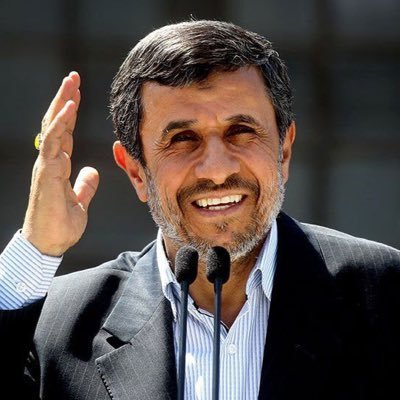
Former Iranian President Mahmoud Ahmadinejad denied allegations that he was recruited by Israeli intelligence as part of a regime-change plot.
Read more

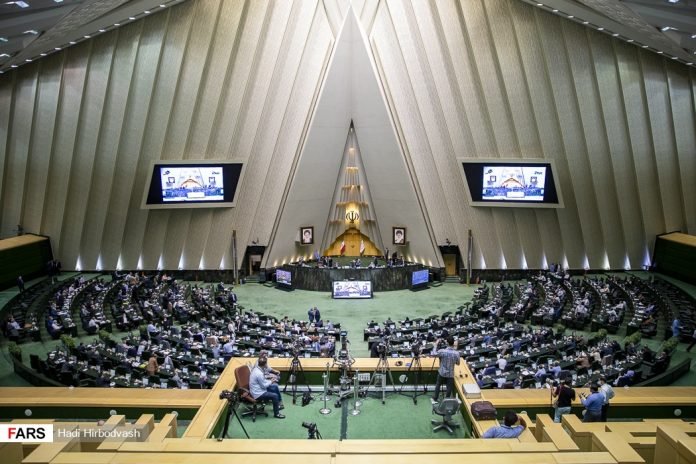
Iran parliament ousts hardline critics of US talks as Hormuz security bill tabled

The move signals a strategic consolidation by the pragmatic coalition around Parliament Speaker Mohammad Bagher Ghalibaf and President Masoud Pezeshkian.
Read more
Timeline

Jan to Feb 2026: In response to a brutal Iranian government crackdown on internal protests, the U.S. initiates its largest Middle East military buildup since 2003.

Feb 28: The U.S. and Israel launch Operation Epic Fury, executing nearly 900 airstrikes within 12 hours. The initial wave kills Iranian Supreme Leader Ali Khamenei. In response, Iran launches retaliatory missile barrages across the region and officially closes the critical Strait of Hormuz.

Mar 21: President Trump issues a 48-hour ultimatum, threatening to target Iran’s civilian energy infrastructure if the Strait of Hormuz is not reopened.

Mar 28: The conflict expands as Yemen’s Houthi movement aligns with Tehran, launching missiles at Israel and disrupting Red Sea shipping lanes.

Apr 7: Trump issues another dramatic ultimatum on social media, warning that “a whole civilization will die tonight” if Iran continues its resistance.

Apr 13: Following the total collapse of the Islamabad peace talks, the U.S. imposes its own full naval blockade on Iranian ports.

May 5: Operation Epic Fury officially concludes, giving way to a sustained war of attrition as the Pentagon requests a record $1.5 trillion in military spending.

Jun 11: Trump threatens total U.S. control of Iran’s oil and gas sectors, but reverses course hours later to announce a diplomatic breakthrough.

Jun 17: The U.S. and Iran sign a Memorandum of Understanding (MoU), instating a temporary ceasefire meant to last 60 days to negotiate a lasting peace.

Early Jul: The truce shatters within weeks over who controls the Strait of Hormuz. Iran begins firing on commercial tankers to assert hegemonic dominance and collect shipping fees.

Jul 7: After Iranian forces attack three commercial vessels, Trump declares the June ceasefire officially over and dramatically steps up military strikes.

Aug 1: Trump expresses a complete loss of confidence in negotiations, declaring the Iranian military heavily depleted but warning that fresh strikes are imminent.

Aug 2: After preparing a massive strike on Iranian power plants and energy grids, Trump unexpectedly pauses the assault at the request of Gulf Arab nations.

Aug 3: Trump announces that U.S.-Iran talks are resuming, issuing his “last chance before decapitation” ultimatum to Tehran.

Aug 4: Iran publicly denies any talks with the U.S. are happening. Foreign Ministry officials state they are only negotiating with Oman to build an alternative commercial shipping route to bypass the blocked strait.

You may also be interested in

LEAVE A REPLY

Please enter your comment!
Please enter your name here