

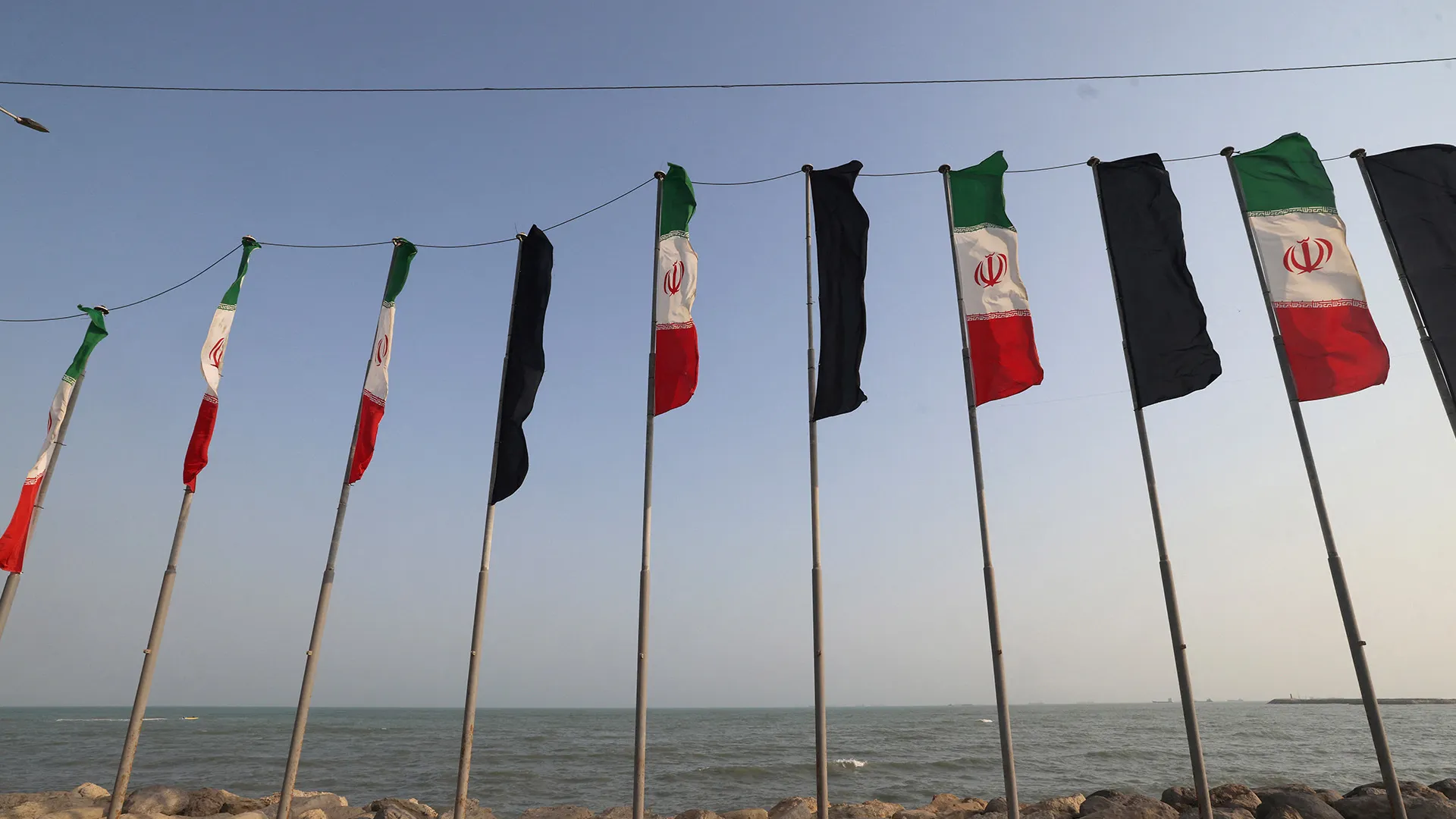

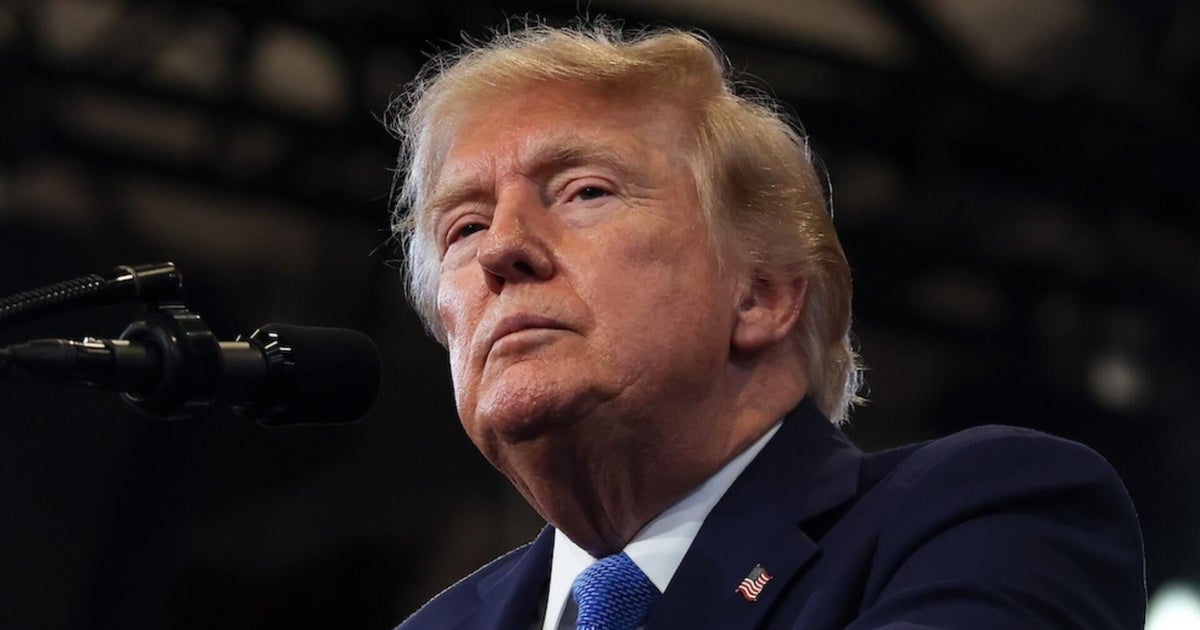

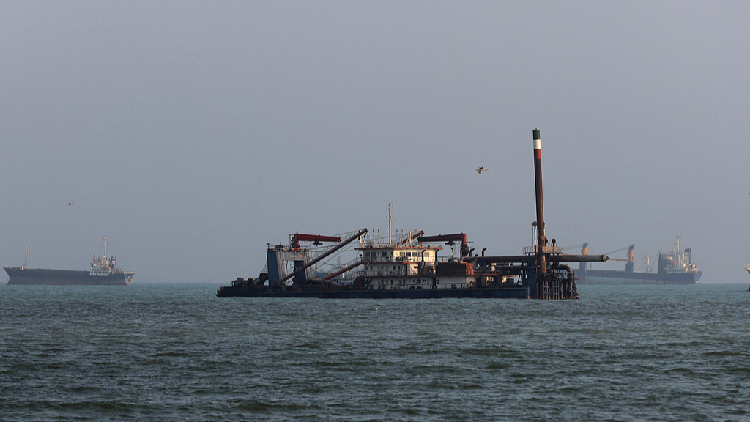

The 60-day US-Iran Memorandum of Understanding (MoU), the Islamabad Memorandum of Understanding, officially expired on Monday, August 17, 2026, with no extension or final peace agreement in sight, marking the complete collapse of the Islamabad-brokered framework signed in June.
Both Washington and Tehran have ruled out extending the deal, with President Donald Trump declaring that Iran must “put up the white flag of surrender” while Iranian officials say widespread US violations rendered the deadline “entirely moot” weeks ago.
How the MoU unraveled
The June 17 agreement between President Trump and Iranian President Masoud Pezeshkian was meant to halt more than three months of war and open a 60-day window for negotiations on a final deal covering sanctions relief, Iran’s nuclear programme, and regional de-escalation. Instead, the deal began falling apart within weeks due to structural flaws and continuous violations on both sides.
Vague shipping terms sparked renewed fighting
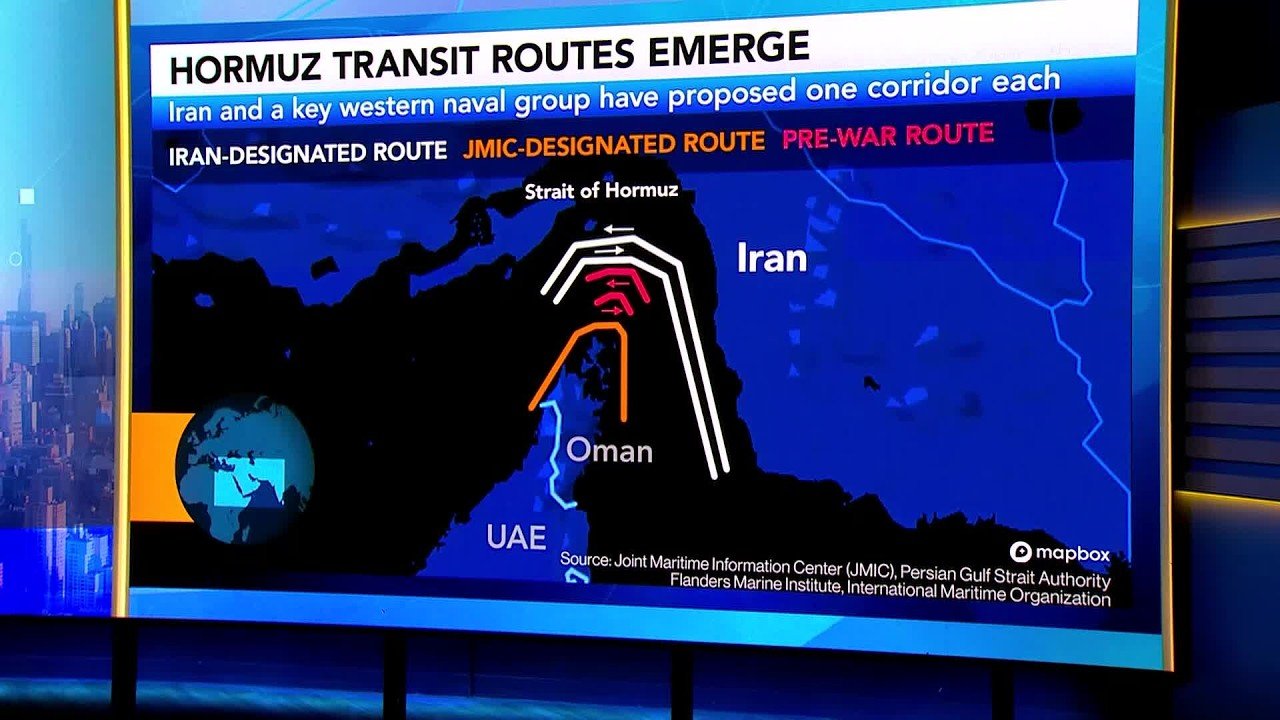
A critical weakness was the lack of clarity over who had ultimate management and routing control of commercial vessels in the Strait of Hormuz. Under the MoU, Iran pledged to clear mines and allow ships to pass “with no charge” for 60 days, while the US agreed to end its naval blockade within 30 days.
But disagreements over maritime transit quickly escalated. Iran resumed limited attacks on vessels it said were sailing contrary to the agreement’s routing arrangements, and the US restarted strikes on Iran’s southern provinces, which Washington said were aimed at degrading Tehran’s ability to target ships in the Gulf.
By mid-August, shipping traffic through the strait had fallen to a fraction of pre-conflict levels, with only three ships passing through on one Sunday and a five-day average of around 12 to 13 transits, compared with roughly 120 ships daily before the war.
Third-party conflicts undermined the truce
The framework did not include key regional actors like Israel or Hezbollah, meaning ongoing clashes in Gaza and Lebanon continuously undermined the temporary truce. The MoU had declared an “immediate and permanent termination of military operations on all fronts, including in Lebanon,” but fighting continued as the agreement lacked enforcement mechanisms for proxy conflicts.
Broken commitments on both sides
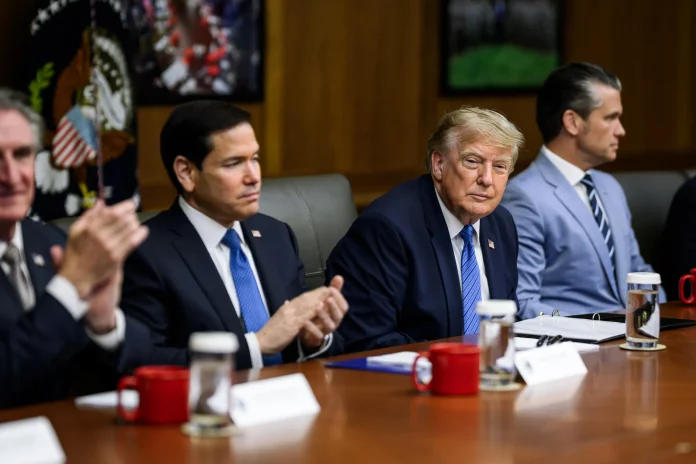
Iran accused the US of violating promises to lift the oil embargo and release frozen assets within 48 hours of signing, while the US maintained its naval blockade and said it could keep it in place indefinitely. Defense Secretary Pete Hegseth told reporters that the US military has the capability to maintain a naval presence in the region to enforce its blockade, which has inflicted severe economic damage on Iran.
Iran’s Foreign Ministry spokesman Esmaeil Baghaei said that “widespread violations of the agreement began” just a few weeks after signing, meaning negotiations never properly started and the 60-day provision became irrelevant.
Current diplomatic deadlock
Direct talks between the US and Iran have completely stopped, with only indirect messages exchanged via mediators in Pakistan and Qatar.
Iranian Foreign Minister Abbas Araghchi said that while Pakistan and Qatar are “exchanging messages between the parties and are in contact with us,” these contacts “do not at all constitute negotiations” and Tehran has not yet decided whether to resume talks with Washington.
US stance: No extension, demand for surrender
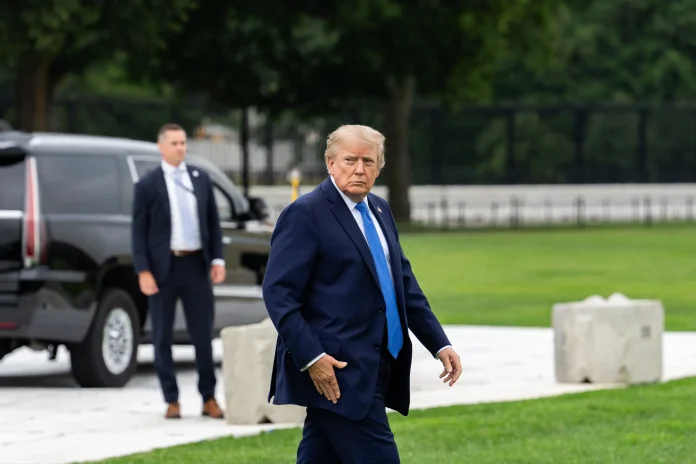
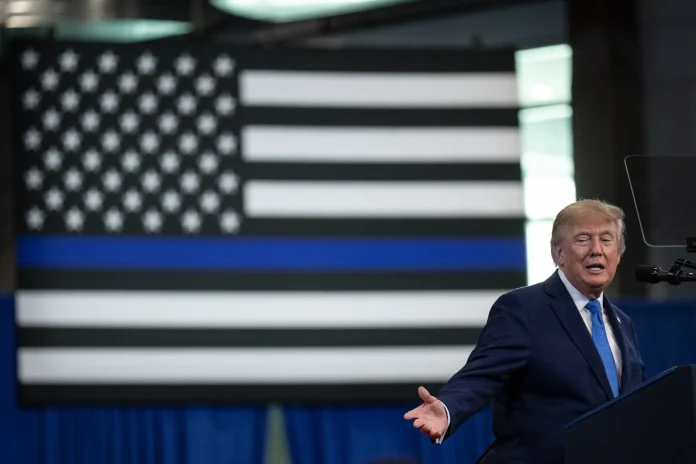
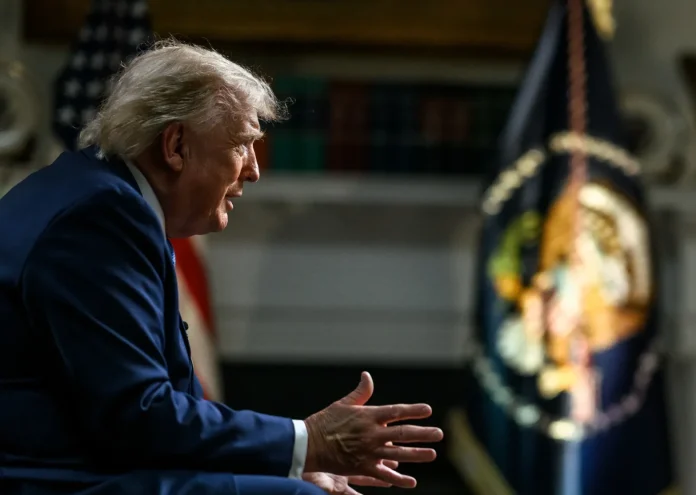
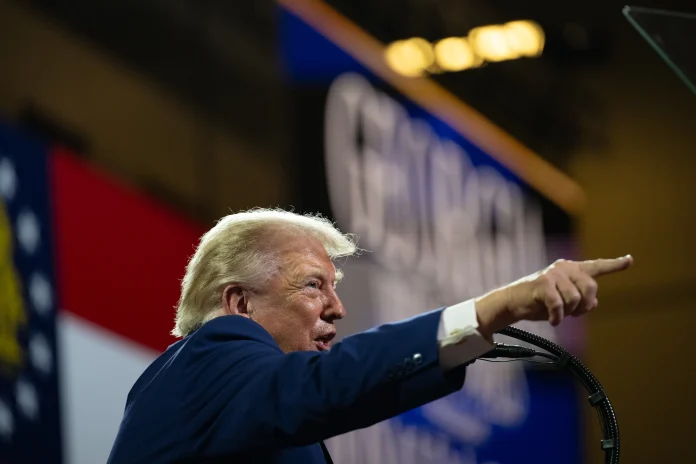
President Trump confirmed on Monday that Washington is not seeking an extension of the MoU. In a Fox News interview, he said Iran “should put up the white flag of surrender” and doubled down on his claim that the U.S. has “total control” of the Strait of Hormuz, despite Iranian denials.
Trump also threatened to bomb Oman if the Gulf nation “gets in the way” of reopening the strait, escalating rhetoric against a key US partner.
The president also confirmed reports of a direct backchannel with Iran’s Islamic Revolutionary Guard Corps (IRGC), bypassing mediators and Iranian political officials, though IRGC spokesperson Brigadier General Hossein Mohammadi denied there are any talks between IRGC officials and Americans.
Iranian stance: Violations rendered deal void
Iranian officials have rejected the significance of the expired deadline, arguing that the MoU was already void due to US violations. Baghaei said, “The negotiations never began, because the United States committed gross and widespread violations of the text of the MOU just a few weeks after signing it”.
Iran’s Persian Gulf Strait Authority said in a post on X that “claims and repeated posts by US officials that the Strait of Hormuz is no longer blocked do not change the reality: the Strait of Hormuz remains blocked and will not be reopened until Iran’s conditions are accepted”.
ادعاها و توییتهای پیاپی مسئولان آمریکایی درباره رفع انسداد تنگه هرمز، واقعیت را تغییر نمیدهد؛ تنگه هرمز همچنان مسدود است و تا پذیرش شروط ایران بازگشایی نخواهد شد. https://t.co/ihOBUkpFYo
— PGSA | نهاد مدیریت آبراه خلیج فارس (@PGSA_IRAN) August 12, 2026
At the end of last week, Iran’s Supreme National Security Council set out six new conditions for reopening the strait, including an end to US threats, permanent end to attacks against Iran and its allies, lifting of the naval blockade, compensation for damage, lifting of sanctions, and unconditional release of frozen Iranian assets.
Regional and market impact
The collapse has sent shockwaves through global energy markets, with oil prices treading water as Hormuz shipping slowed to a near standstill. Five commodity vessels transited the strait on one Saturday, with none registered for the following Sunday, versus 31 in the prior weekend.
The UK Maritime Trade Operations (UKMTO) centre reported that shipping traffic in the Strait of Hormuz was just 17% of the pre-conflict average in the past seven days, with only 151 ships making it in or out of the narrow waterway.
The US naval blockade remains in effect, barring ships from going to or from any Iranian port either inside or outside the strait, while Iranian forces prevent ships without express approval from navigating through the waterway. The standoff has strangled Iran’s cashflow and closed the strait to Iranian maritime trade, with global oil stockpiles rapidly diminishing as traffic remains effectively stalled.
What happens next
With the MoU expired and no negotiations underway, the risk of escalated hostilities across the Middle East has grown. Iran’s Foreign Ministry said Tehran would shift to a “fully offensive” military posture after repeated US violations, while Trump has signaled no rush to strike a “subpar deal” and remains focused on preventing Iran from obtaining a nuclear weapon.
For now, the only diplomatic lifeline remains the indirect message exchanges via Pakistan and Qatar, but both sides have signaled they are not ready to return to the negotiating table. The collapse of the MoU leaves the region in a precarious position, with the prospect of renewed large-scale conflict and continued disruption to one of the world’s most critical oil transit routes.