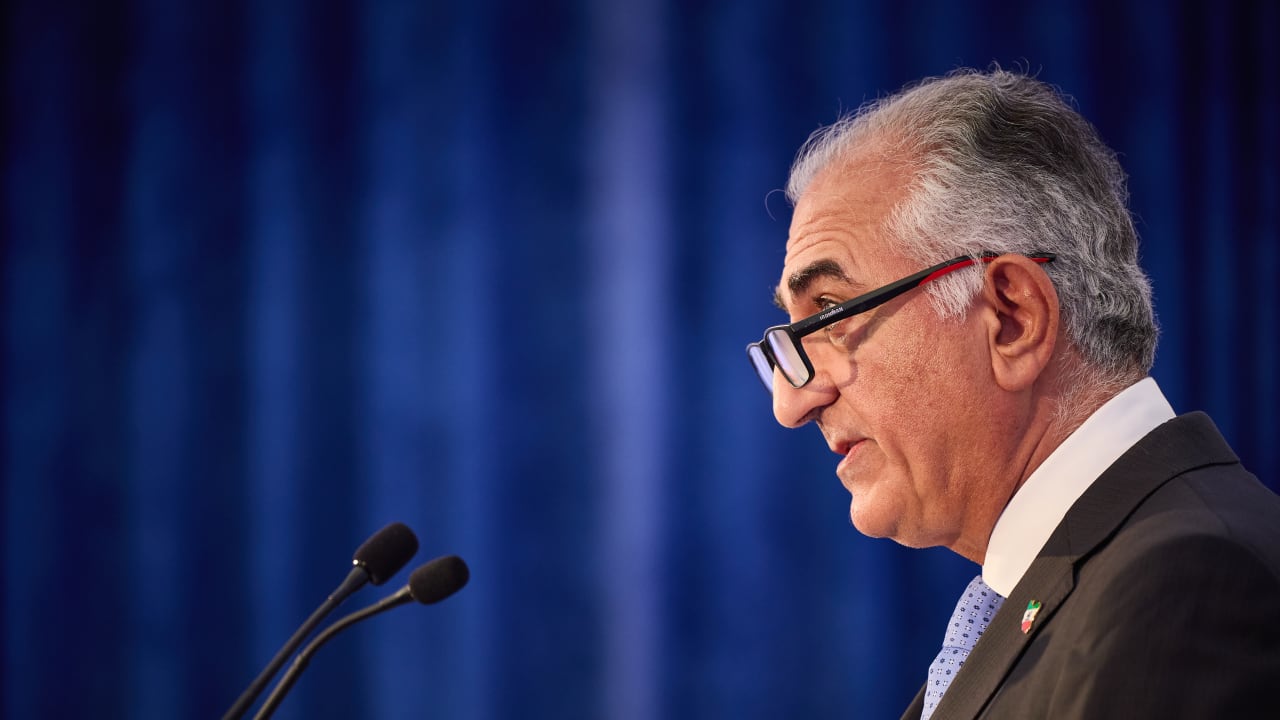
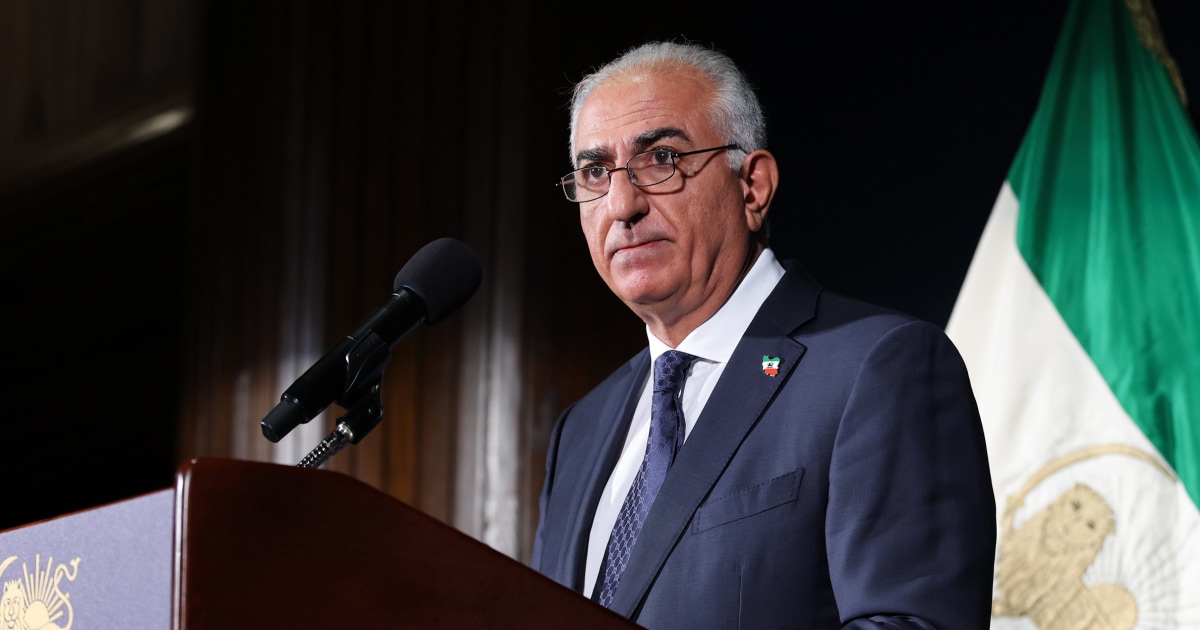
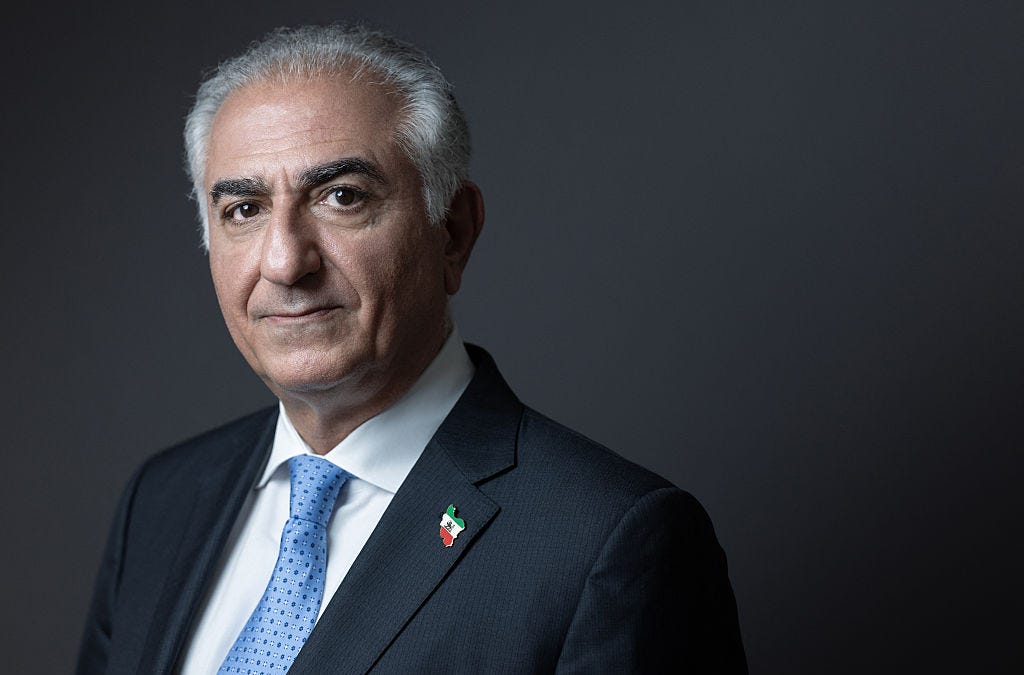
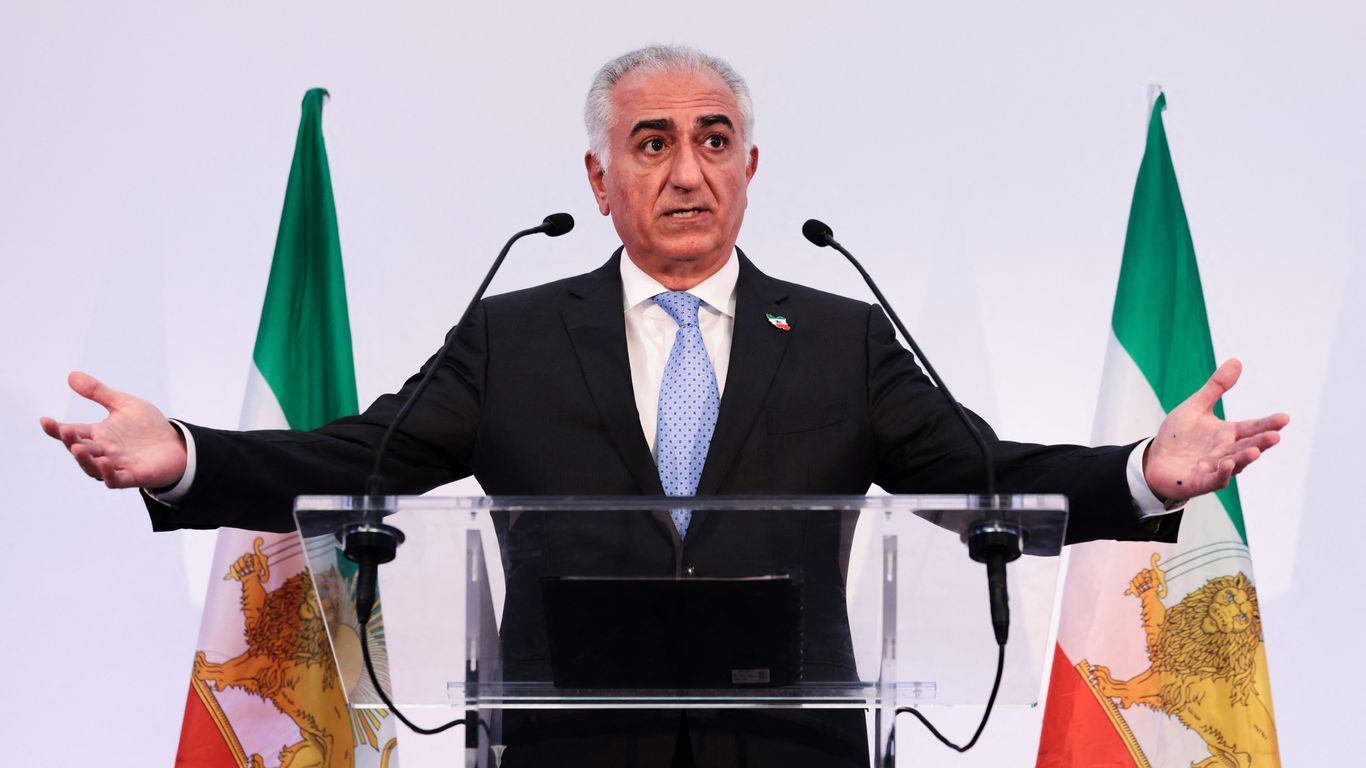
Reza Pahlavi is the exiled Crown Prince of Iran and the eldest son of Mohammad Reza Pahlavi, the last Shah of Iran. Since the 1979 Islamic Revolution, he has lived primarily in the United States, where he has established himself as a prominent leader of the Iranian democratic opposition.
Press conference calls for surgical strikes, maximum pressure
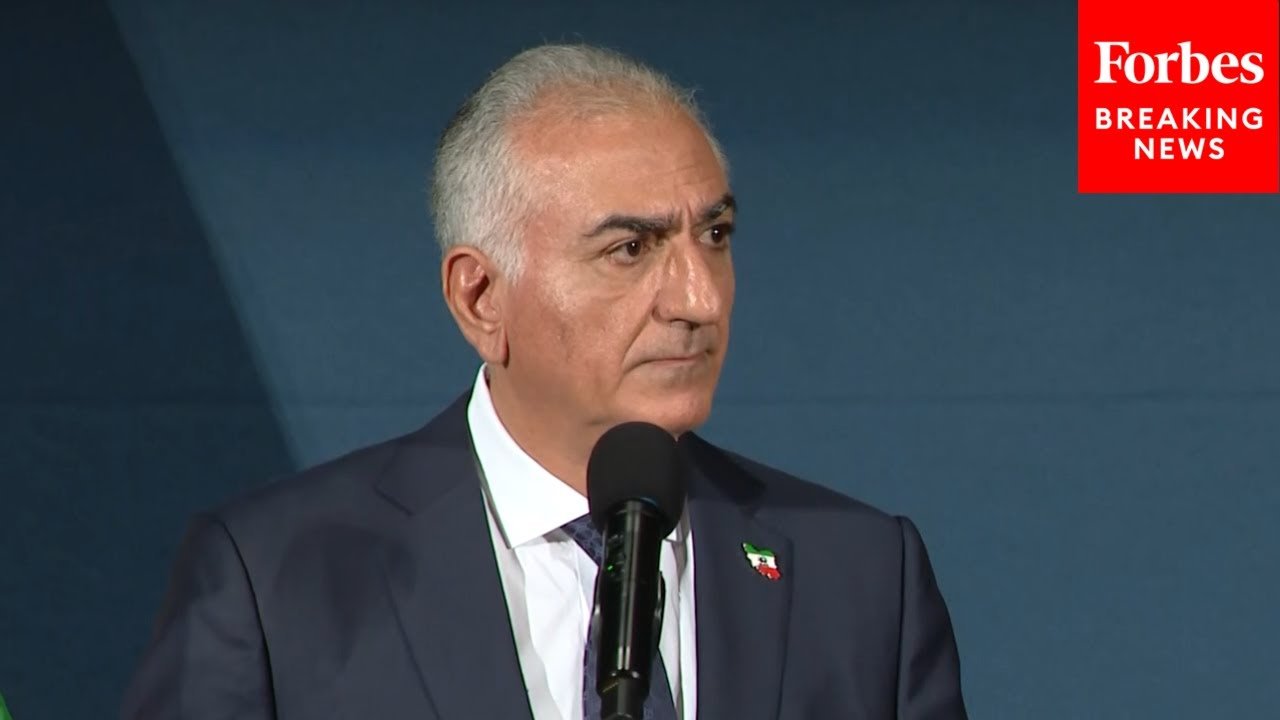
On January 16, 2026, Reza Pahlavi held a major press conference at the National Press Club in Washington, D.C., where he called for the international community to help topple the Iranian government. During this conference and other January addresses, he emphasized several key points. He urged world powers to conduct “surgical strikes” against the Revolutionary Guards’ leadership, command centers, and infrastructure to “degrade the regime’s coercive power.”
He requested that global powers expel Iranian diplomats, demand the immediate release of all political prisoners, and implement “maximum pressure” on the regime while providing “maximum support” to the people. He called for the deployment of Starlink and other secure satellite communications to bypass internet blackouts and allow Iranian protesters to organize.
Six actions for the West
He urged global leaders to: degrade the regime’s repressive capacity through surgical strikes on IRGC assets; maintain maximum economic pressure by blocking assets and “ghost tankers”; provide unrestricted internet access for Iranians; expel regime diplomats and pursue legal action for crimes against humanity; demand the immediate release of all political prisoners; and recognize a legitimate transitional government.
His transition plan involves a temporary transitional government, followed by a national assembly to draft a constitution and a national referendum to decide if the future state will be a republic or a constitutional monarchy. He envisions a free Iran that fosters peace and partnership in the Middle East, including a potential end to the nuclear program and renewed ties with countries like Israel.
“Global Day of Action” draws more than 1million
Pahlavi called for coordinated nationwide action on January 8 and 9, which reportedly led to millions taking to the streets during a period of high-intensity unrest. He also declared February 14, 2026, a “Global Day of Action” to increase international pressure on the Iranian government following a deadly crackdown on domestic dissent.
Over one million people participated across major cities. He urged citizens to no longer just protest but to “seize and hold” city centers and occupy state institutions. He has called on the Iranian military and police to break with the clerical establishment, promising that anyone without “blood on their hands” will be part of the future security force.
Ready to lead 180-day transition to secular democracy
Pahlavi stated he is “ready to lead the transition” to a secular democracy and oversee a temporary government for the first 180 days after the regime’s collapse.
He outlined a roadmap for national recovery involving a new constitution, followed by free and fair elections under international oversight. He emphasized that any new government must be based on three pillars: territorial integrity, secular democracy, and the people’s right to choose their political system.
Protesters wave monarchy flags
Protesters inside Iran have been seen waving “Lion and Sun” flags and chanting “Long Live the Shah,” though critics argue these slogans are sometimes a “calculated weapon of the regime” to create a false choice between the current theocracy and a return to monarchy.
Over one million people rallied worldwide on February 14, 2026, in a “Global Day of Action” called by Pahlavi, with massive turnouts in Los Angeles, Paris, and Toronto. Groups like the National Council of Resistance of Iran (NCRI) have rejected Pahlavi’s leadership, calling the idea of a restored monarchy “anachronistic” and promoting their own 10-point plan instead.
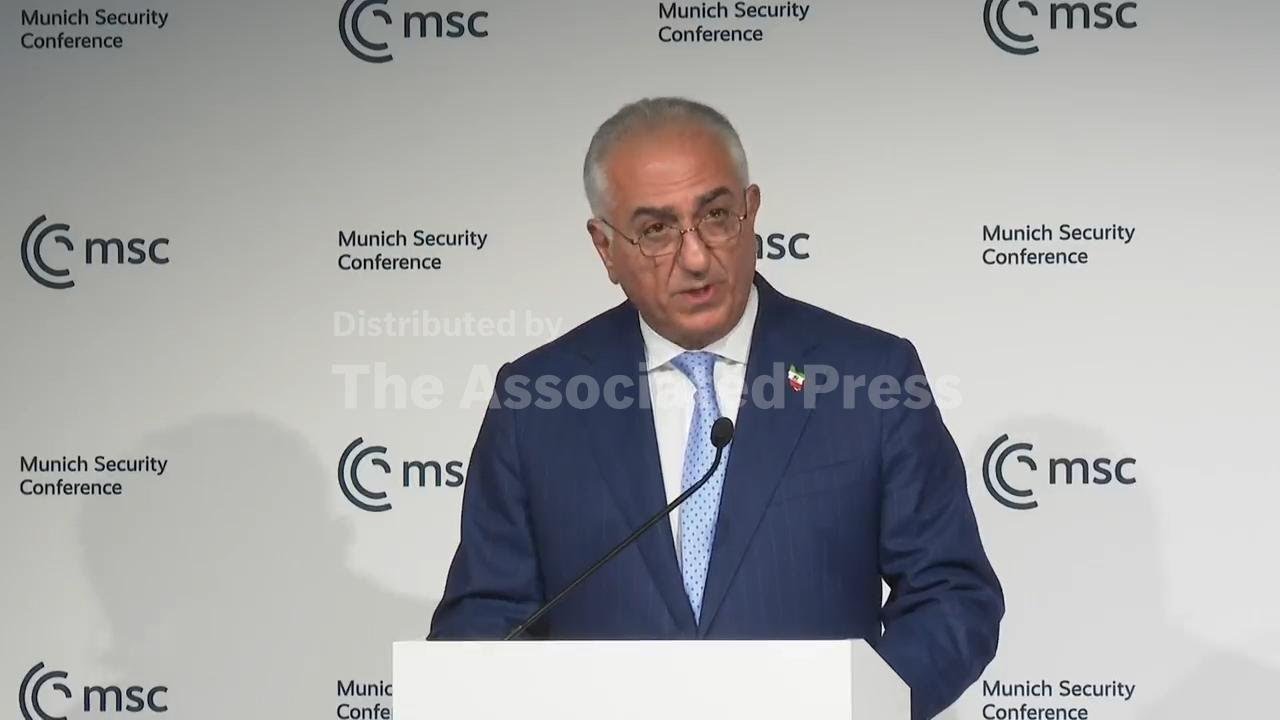
Pahlavi’s presence at the 2026 Munich Security Conference was a major flashpoint. While some attendees, including Senator Lindsey Graham, engaged with his vision, others remained skeptical of his ability to unify a fragmented opposition. The Islamic Republic has labeled Pahlavi a “foreign-backed” actor and intensified its crackdown, creating databases to track protesters and their families.
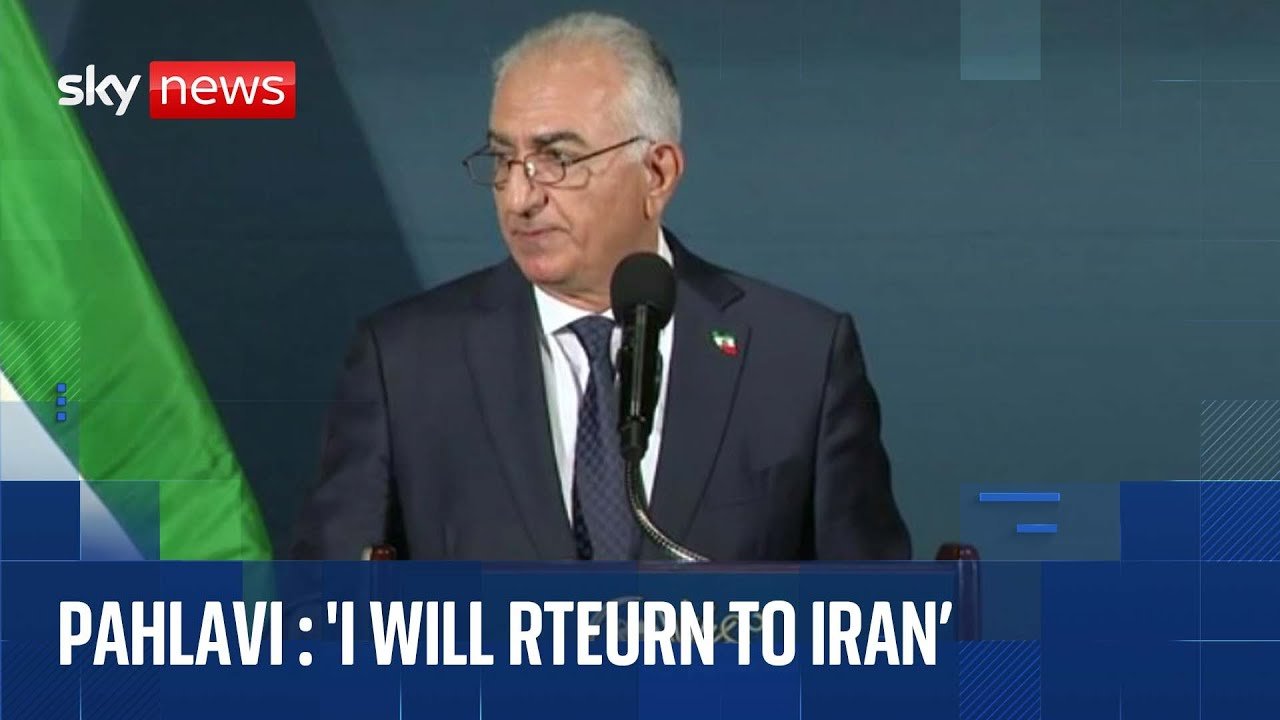
Read on: US–Israel launch coordinated strikes on Iran, killing supreme leader