Conducted under a transitional framework, the vote marked a significant shift from decades of dynastic rule, though it was characterized by an indirect voting system rather than a direct popular vote. Syria’s first parliamentary elections after the fall of the Bashar al-Assad regime were held on October 5, 2025.
The new People’s Assembly consists of 210 seats, down from 250 under the previous regime. Under the two-thirds and one-third rule, 140 seats, or two-thirds, were allocated to be filled via electoral colleges, while the remaining 70 seats, or one-third, are directly appointed by President Ahmed al-Sharaa.
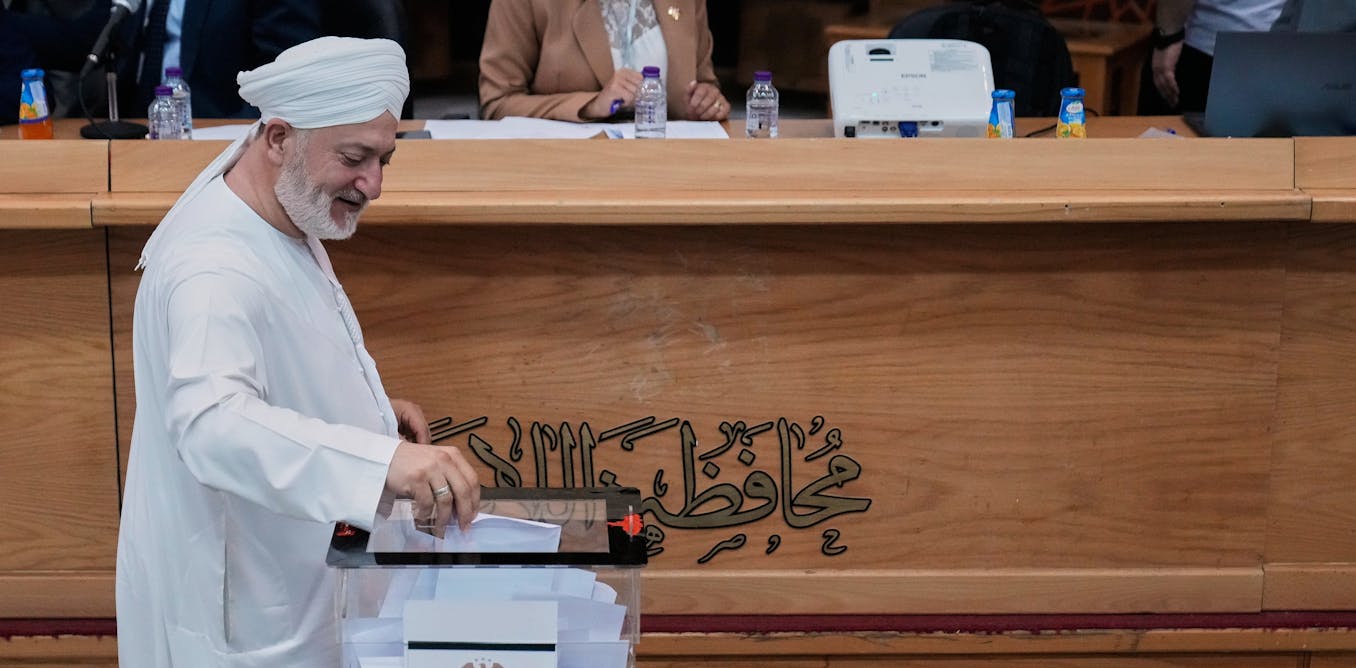
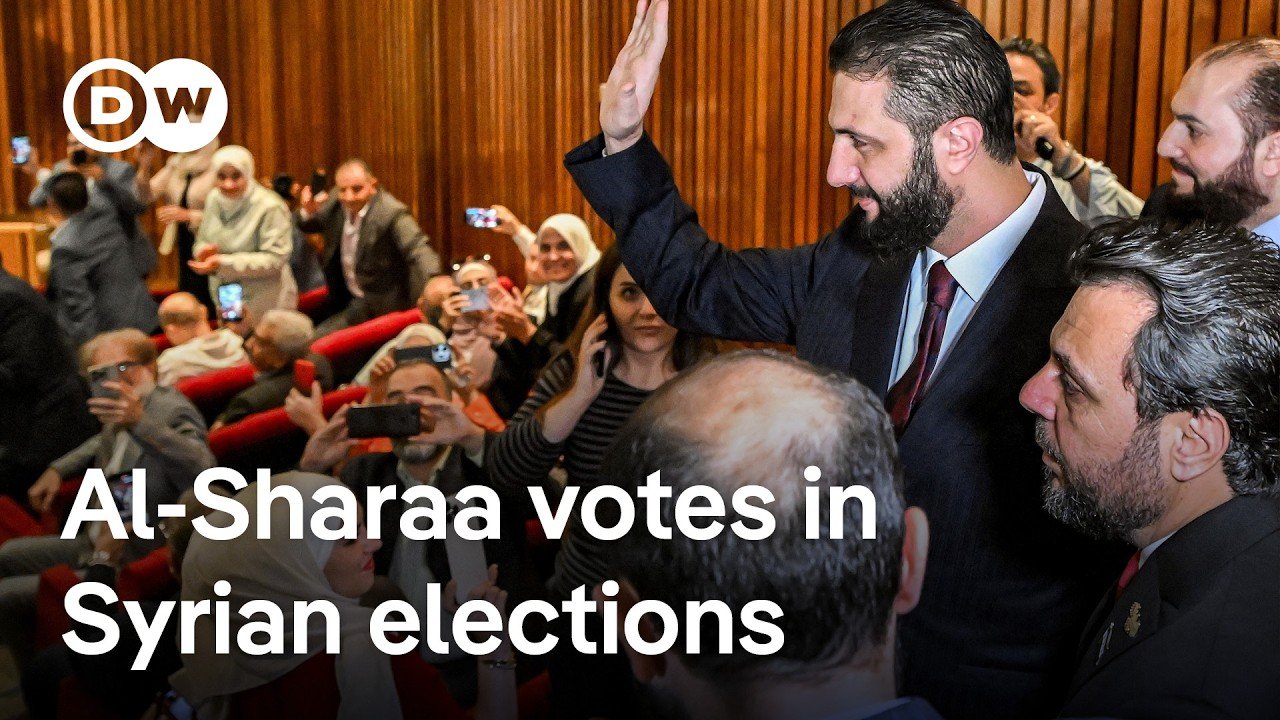
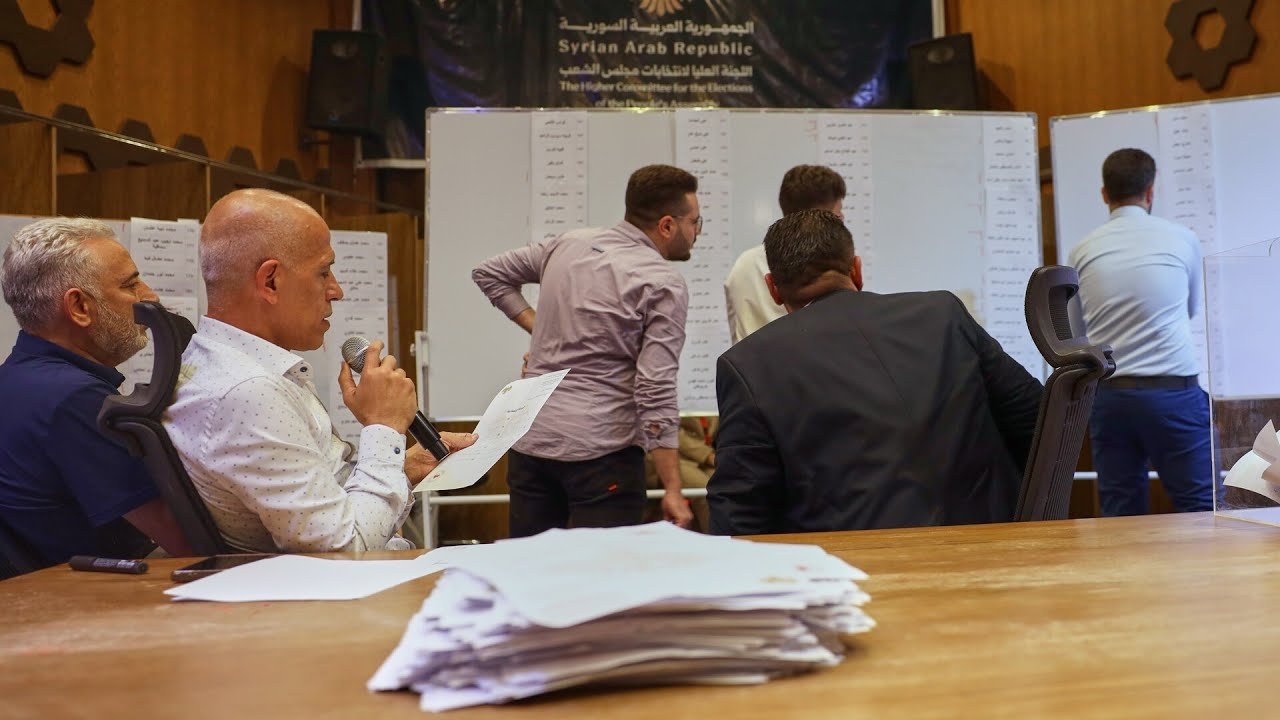
Instead of a general public vote, approximately 6,000 to 7,000 electors, composed of local committees, experts, and community figures, voted at designated regional centers. Authorities cited the lack of reliable census data, destroyed infrastructure, and the displacement of millions of Syrians as reasons why a direct vote was currently impossible.
No formal political parties participated
Of the 140 seats available for election, 119 were filled on the initial election day. Officials acknowledged shortcomings in inclusivity. Only six women, roughly 4 to 5%, and 10 representatives from religious and ethnic minorities, including Kurds and Christians, were among the winners in the indirect vote.
No formal political parties participated, as all prior parties were dissolved and a new registration system had not yet been established. All candidates ran as independents. At least 21 seats remained vacant because elections were postponed indefinitely in the Kurdish-controlled northeast and the Druze-majority province of Suwayda due to security concerns and administrative stand-offs.
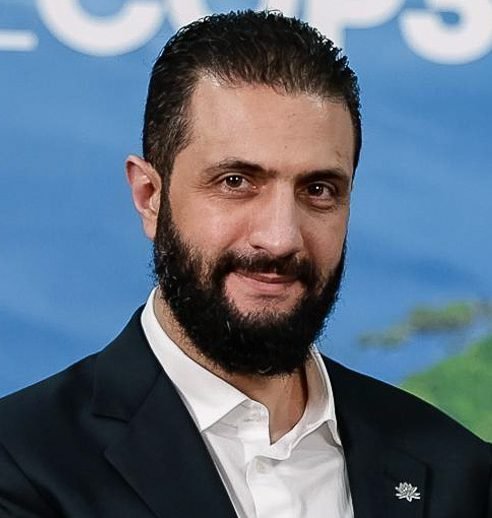
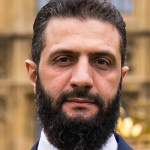
Syrian President Ahmed al-Sharaa said in his address, Syrians are proud today to move from war and chaos to elections.
Reactions
Critics and some analysts described the process as a political farce or a missed opportunity, arguing it consolidated executive power since the president appointed one-third of the members and the committee overseeing the other two-thirds.
The committee responsible for organizing Syria’s first parliamentary elections since the fall of Bashar al-Assad has admitted to significant shortcomings after results revealed that women and minority candidates secured only 13% of the contested seats.
Despite these critiques, the Council on Foreign Relations and other observers noted the election as a critical first step in building a post-Assad state and providing a 30-month term for a legislature to draft a permanent constitution. In November 2025, the new government began a major restoration of the Syrian parliament building in Damascus to reflect the symbols of the transitional government.
Why it matters
Syria’s first parliamentary election since the fall of Bashar al-Assad represents a symbolic turning point in the country’s transition from decades of authoritarian dynastic rule, even as the indirect voting system and lack of inclusivity raise questions about its democratic legitimacy.
With only 119 of 210 seats filled, minimal representation for women and minorities, and entire regions excluded due to security concerns, the election falls short of a comprehensive democratic breakthrough. However, it establishes a legislative framework for the transitional government to draft a permanent constitution over the next 30 months. President al-Sharaa’s appointment of one-third of the seats and control over the electoral committee for the remaining two-thirds consolidates executive power, leading critics to call it a political farce.
The restoration of the parliament building in Damascus signals the new government’s commitment to rebuilding state institutions, but the election’s limitations highlight the enormous challenges Syria faces in transitioning from war and dictatorship to inclusive democracy.
Syrians are proud today to move from war and chaos to elections.
Syrian President Ahmed al-Sharaa’s address
Read also:
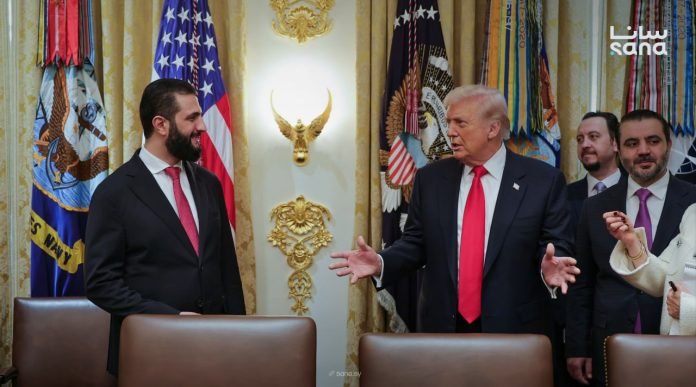
Syrian President Ahmed al-Sharaa’s historic White House visit
Ex-jihadist leader Ahmed al-Sharaa becomes Syria’s president