



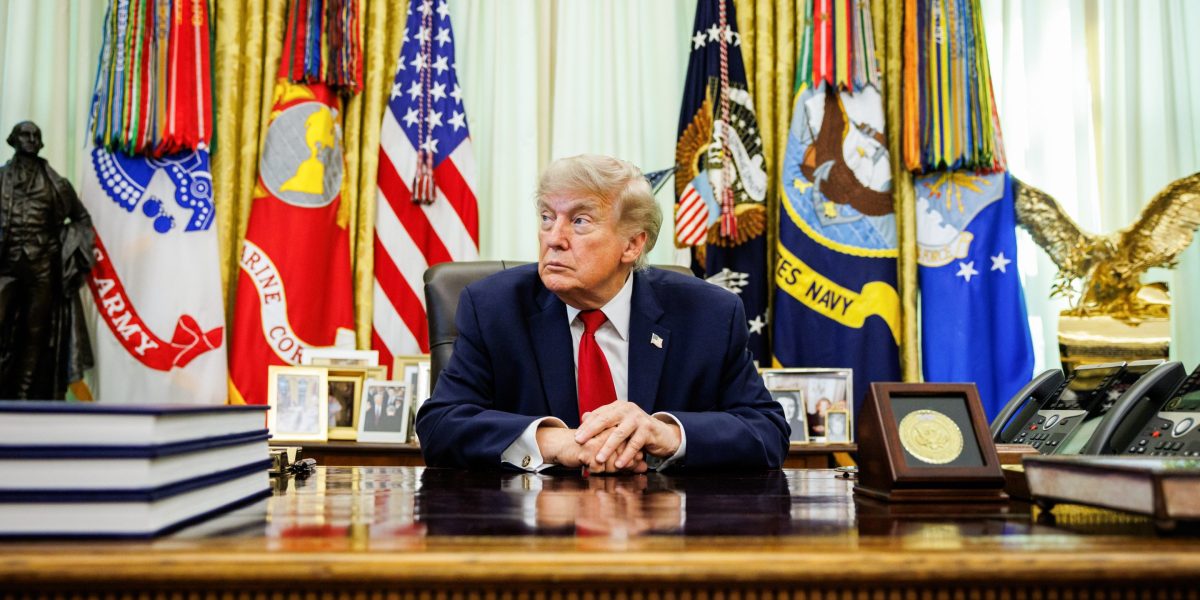
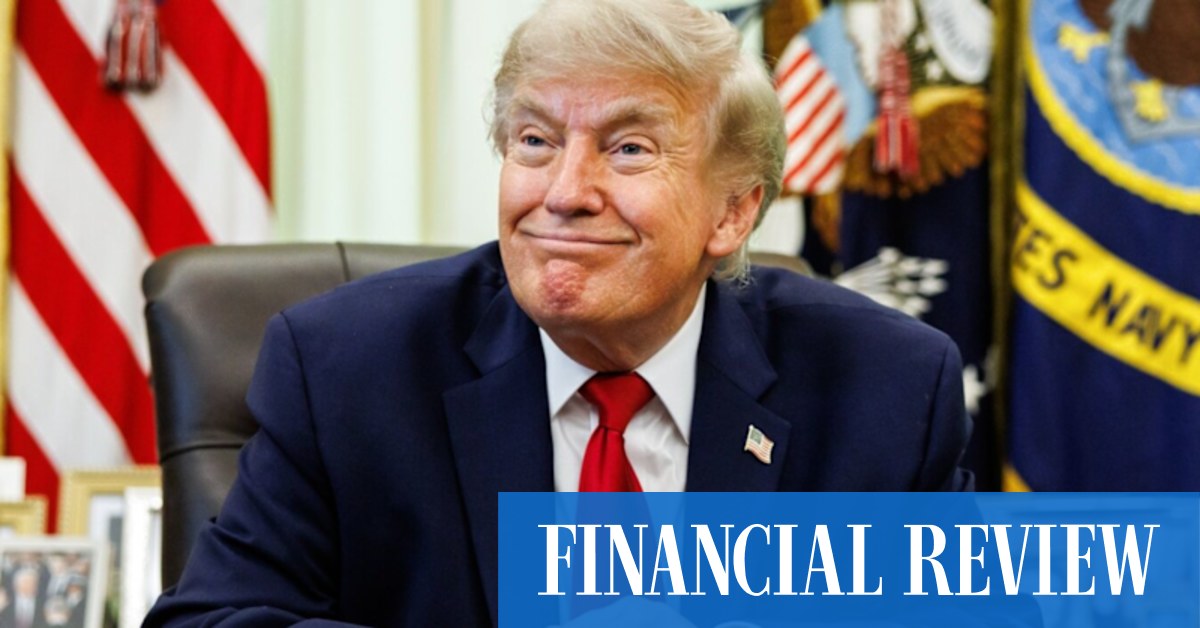


Donald Trump’s income surged to at least $2.2billion in his first full year back in office, according to a newly released 927-page financial disclosure, marking one of the most dramatic personal earnings expansions ever recorded by a sitting US president.
The figure represents nearly a fourfold increase from the roughly $622million reported in 2024, underscoring a sharp pivot in Trump’s revenue mix toward high-risk, high-reward digital asset ventures, while his traditional real estate empire continues to generate steady cash flow.
Crypto emerges as dominant revenue engine
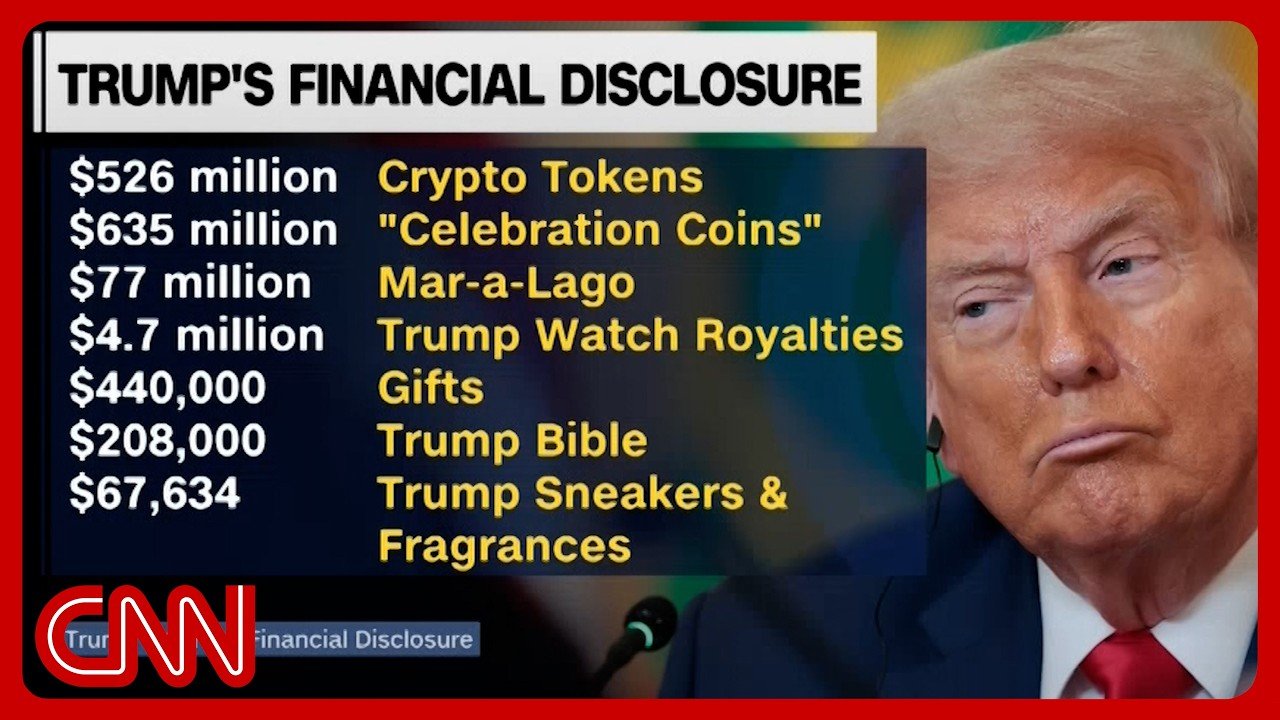
The most striking shift in Trump’s income profile is the scale of his cryptocurrency-related earnings, which exceeded $1.4billion and accounted for the majority of his total income.
Key contributors include:
- Approximately $635million in royalties tied to the “$TRUMP” meme token, launched shortly before his inauguration.
- More than $520million from direct token sales through World Liberty Financial, a decentralized finance platform linked to Trump and his family.
- Over $250million from the sale of ownership stakes in the same entity.
The scale of these returns highlights how political branding, combined with speculative digital assets, has opened a new monetization frontier rarely seen at this level of governance.
Real estate and resorts deliver stable growth
Despite the crypto windfall, Trump’s legacy assets in hospitality and real estate remained a significant income pillar, generating more than $500million collectively.
Among the top-performing properties:
- Trump National Doral in Miami brought in $122million.
- Mar-a-Lago generated $77million, a sharp increase from roughly $10million annually during his first presidency.
- Golf resorts in Bedminster, Jupiter, and Turnberry each contributed upwards of $30million.
These figures suggest that Trump’s political visibility continues to amplify demand for his branded properties, particularly among high-net-worth clientele and political supporters.
Brand monetization extends into media and retail
The Trump brand also expanded aggressively into media licensing and consumer products.
- First Lady Melania Trump received $10.7million from an Amazon licensing deal for a documentary project.
- She also generated roughly $6million from NFT sales tied to digital artwork.
- Additional revenue flowed from Trump-branded merchandise, including Bibles, watches, guitars, and fragrances.
This diversified brand strategy reflects a broader trend of political figures leveraging direct-to-consumer channels and digital collectibles to monetize audience loyalty.
Legal settlements add to cash reserves
Trump reported $86.5million in legal settlements from defamation and media-related lawsuits.
Breakdown includes:
- $24.5million from Meta.
- $22million from Alphabet’s YouTube.
- $16million each from ABC News and CBS.
According to White House representatives, most of these funds are earmarked for Trump’s future presidential library, though they still contribute to his overall financial position.
Public holdings under pressure
In contrast to the strong private income performance, Trump’s publicly traded media venture, Trump Media & Technology Group (NASDAQ: DJT), showed significant losses.
The company reported:
- A $405.9million net loss in Q1 2026.
- Revenue of just $871,200, down 13.3% from the previous quarter.
Much of the loss was attributed to non-cash write-downs on digital and equity investments, reflecting volatility in the same asset classes that boosted Trump’s personal income.
A new model of presidential wealth
Trump’s latest financial disclosure illustrates a fundamental shift in how political power, personal branding, and emerging financial technologies intersect.
While previous presidents have typically relied on book deals, speaking engagements, or legacy investments, Trump’s model integrates speculative digital markets, direct-to-consumer monetization, and global brand licensing at unprecedented scale.
He has forcefully defended his staggering personal income, dismissing criticism that he has used the presidency to enrich himself by stating “everybody’s profiting” because the stock market is up. He also asserted that his personal finances are managed completely independently by large external institutions.
The result is a hybrid income structure — part traditional real estate empire, part digital asset portfolio — that may signal a broader transformation in how political figures generate wealth in the digital era.