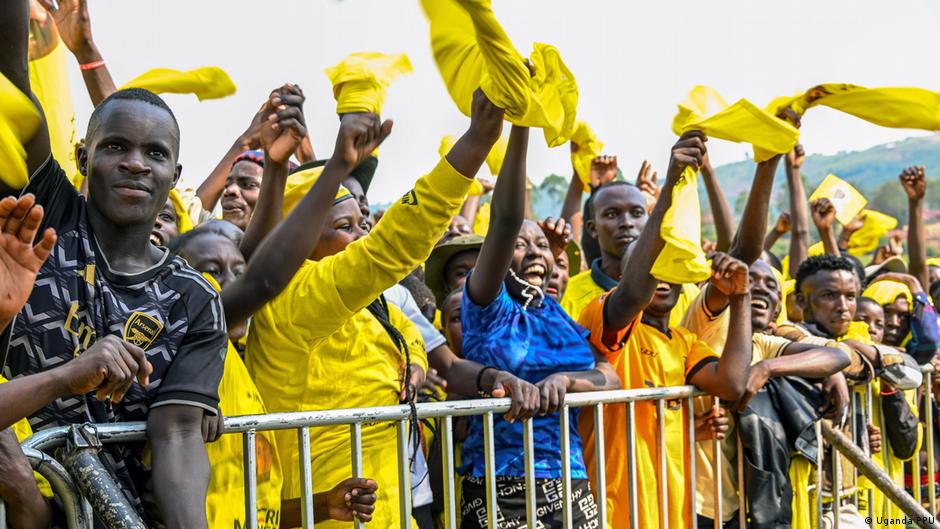
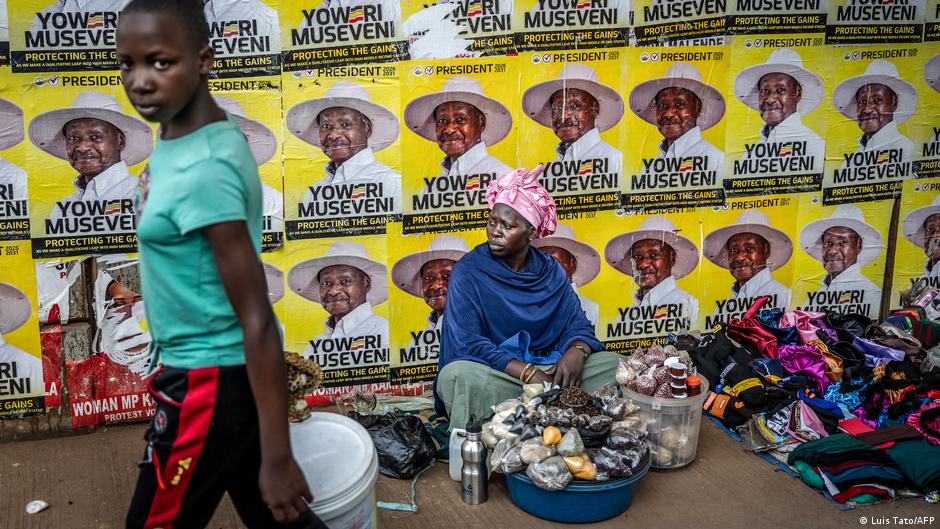
On January 15, 2026, incumbent President Yoweri Museveni won the 2026 Uganda General Elections, extending his 40-year rule into a seventh term. The 2026 Uganda General Elections took place on January 15, 2026, electing the president, parliament members, and local representatives.
Museveni wins by huge margin amid fraud allegations
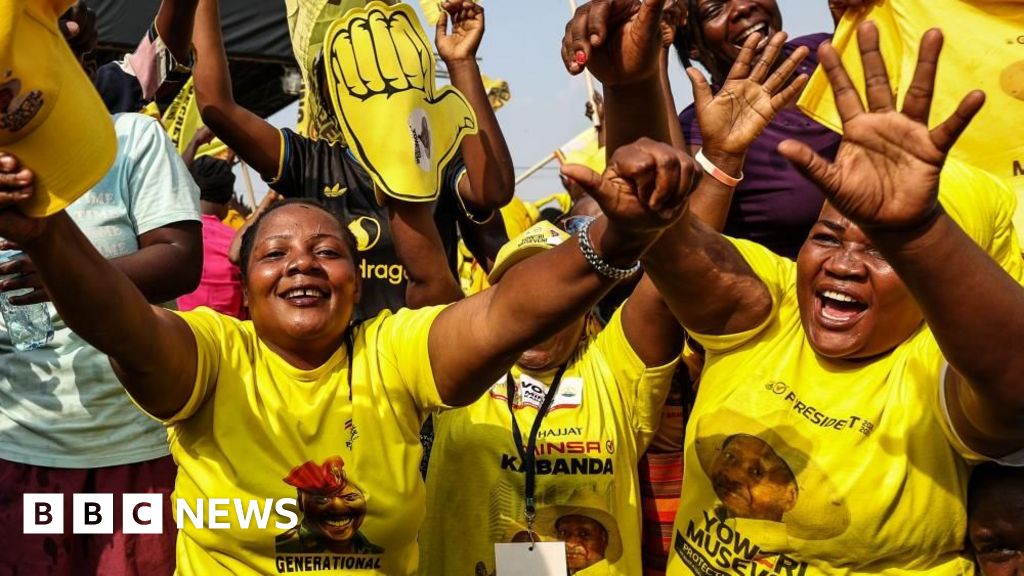
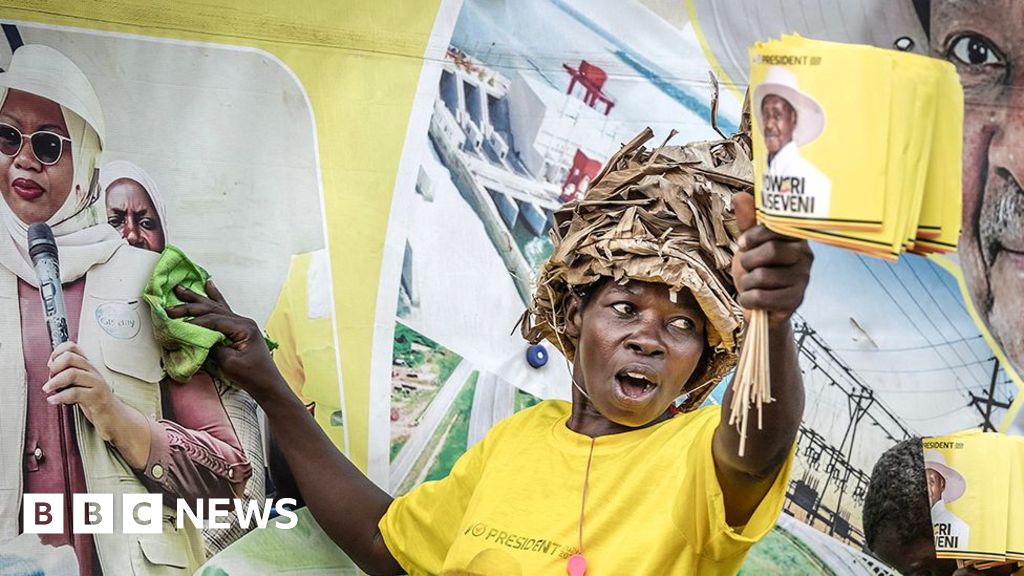
Incumbent President Yoweri Museveni won a seventh term with 71.65% of the vote, defeating main challenger Bobi Wine (24.72%) amid widespread allegations of fraud, violence, and irregularities. The ruling National Resistance Movement (NRM) secured a commanding lead in parliamentary seats.
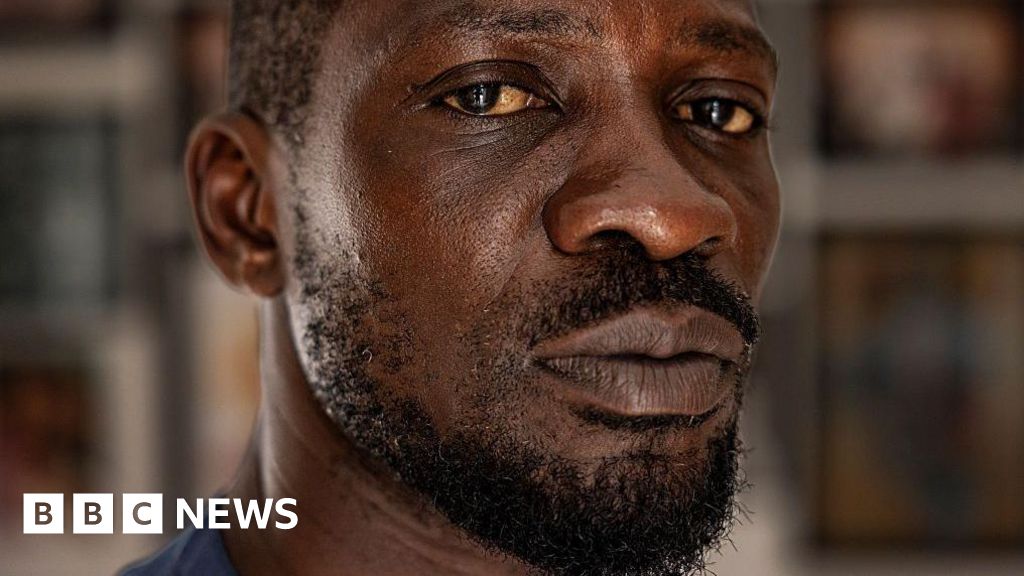
The election was depicted as a “generational clash” between the 81-year-old incumbent, Yoweri Museveni, and the 43-year-old musician-turned-politician Robert Kyagulanyi Ssentamu, better known as Bobi Wine. Campaigns focused on youth unemployment (over 50% under age 30), economic challenges, and governance reforms.
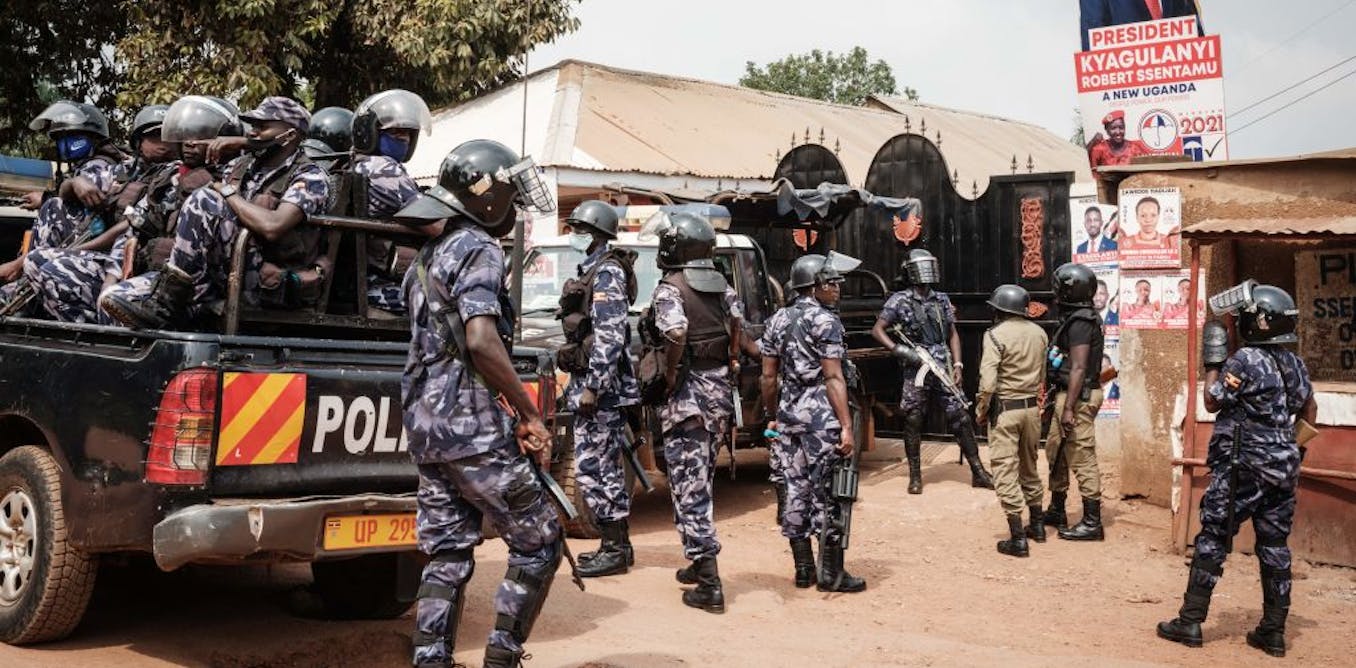
Opposition faced repression, including rally disruptions, arrests, internet blackouts, and at least one death during protests. International observers noted human rights abuses and a lack of transparent tallies. Bobi Wine rejected results and was briefly under house arrest.
“Ghetto President” Bobi Wine mobilized millions of young Ugandans
Bobi Wine rose to fame as a reggae and afrobeat star, often calling himself the “Ghetto President” due to his upbringing in Kampala’s slums. He leveraged his massive celebrity status to mobilize millions of young Ugandans.
His rallies were high-energy events where he often appeared in a bulletproof vest and red beret, symbolizing what he called a “militarized state.” His National Unity Platform (NUP) campaigned on youth empowerment, ending corruption, and dismantling what he described as “family rule.”
Key campaign concerns
With 73% of the population born after Museveni took power in 1986, the primary tension was between those seeking radical change and those fearing instability. Widespread unemployment and the high cost of living were central to opposition platforms, particularly Mafabi’s focus on “money in pockets.”
Concerns grew over the rising influence of Museveni’s family, notably his son Muhoozi Kainerugaba, who was appointed Chief of Defence Forces shortly before the election. The campaign was overshadowed by an internet blackout, the detention of over 300 opposition supporters, and allegations of state-sponsored abductions.
Bobi Wine rejects “fake” results
Bobi Wine and the National Unity Platform (NUP) immediately dismissed the results as “massive fraud” and “fake.” Wine urged supporters to reject the declaration but initially stated he would not use a “compromised” court system to challenge the win. Supporters celebrated what they called a “predictable victory” for stability. He has been in hiding since a military raid on his home on January 17, 2026.
Kenyan and Ugandan rights groups denounced the election as a “sham” and a “premeditated power grab,” reporting that the death toll since election day had reached at least 50. Chief of Defence Forces Muhoozi Kainerugaba threatened to “crush” Bobi Wine if he did not surrender.
Post-election violence, detentions, disappearances
Official and independent reports indicate at least 30 people were killed in post-election violence. While some sources initially reported 12 to 22 deaths, the military later confirmed 30 individuals, whom they labeled “NUP terrorists,” were killed by security forces. Over 2,000 opposition supporters have been detained across the country. Many face charges of “public nuisance,” “inciting violence,” and “terrorism.” Rights groups have documented numerous “enforced disappearances,” with supporters allegedly abducted in unmarked vehicles known as “drones” and held in unidentified “safe houses.”
Night raid at Bobi Wine’s compound
On the night of January 16, an army helicopter landed in Bobi Wine’s compound while security forces scaled his perimeter fence. Witnesses and party officials, unable to reach him after power and cameras were cut, believed he had been abducted.
Bobi Wine posted a message on social media (via a bypassed connection) a day alter confirming he had escaped during the night raid. He explained that the “commotion” at his house and the total blockade of the area led neighbors and his party to believe he had been seized. As of early February 2026, Bobi Wine remains in hiding at an undisclosed location in Uganda.
He has released occasional video messages from hiding, stating that he is being sheltered by “common people” while the military continues a “hunt” for him. While Bobi Wine escaped, his wife, Barbie Kyagulanyi, and other family members were placed under house arrest for several weeks.
Barbie Kyagulanyi was reportedly hospitalized on January 24 following a subsequent violent military raid on the home while soldiers were searching for her husband. The Uganda Police Force and military spokespeople consistently denied he was abducted, calling the reports “deceitful and inciteful.”
Although Information Minister Chris Baryomunsi claimed on February 9 that Bobi Wine is “free to return” and has committed no crime, the Chief of Defence Forces, Muhoozi Kainerugaba, has publicly labeled him a “wanted fugitive” and a “terrorist.”
International responses
In a controversial move, the African Union Commission Chairperson congratulated Museveni on his re-election. While the observer mission (led by Goodluck Jonathan) noted the voting day was largely “peaceful” in monitored areas, they also raised serious concerns about “intimidation, arrests, and abductions.”
The US Senate Foreign Relations Committee described the election as a “hollow exercise” staged to legitimize a seventh term. The US Embassy issued multiple Security Alerts due to the violent crackdown on gatherings.
The EU expressed stark criticism over the “uneven playing field,” arbitrary arrests, and the internet shutdown. While it “took note” of the results, it stopped short of outright congratulations, instead calling for an investigation into human rights abuses.
UN experts previously warned the environment was marked by “widespread repression.” Following the vote, they condemned the “enforced disappearances” of opposition figures.

Read also:
2026 Benin Parliamentary Elections
2025 Madagascar’s coup d’état
SAF appoints former UN official Kamil Idris as PM