Sudan’s civil war entered a more dangerous phase in mid-2025 after the Rapid Support Forces (RSF) announced the formation of a parallel government, raising fears of a permanent split in the country.
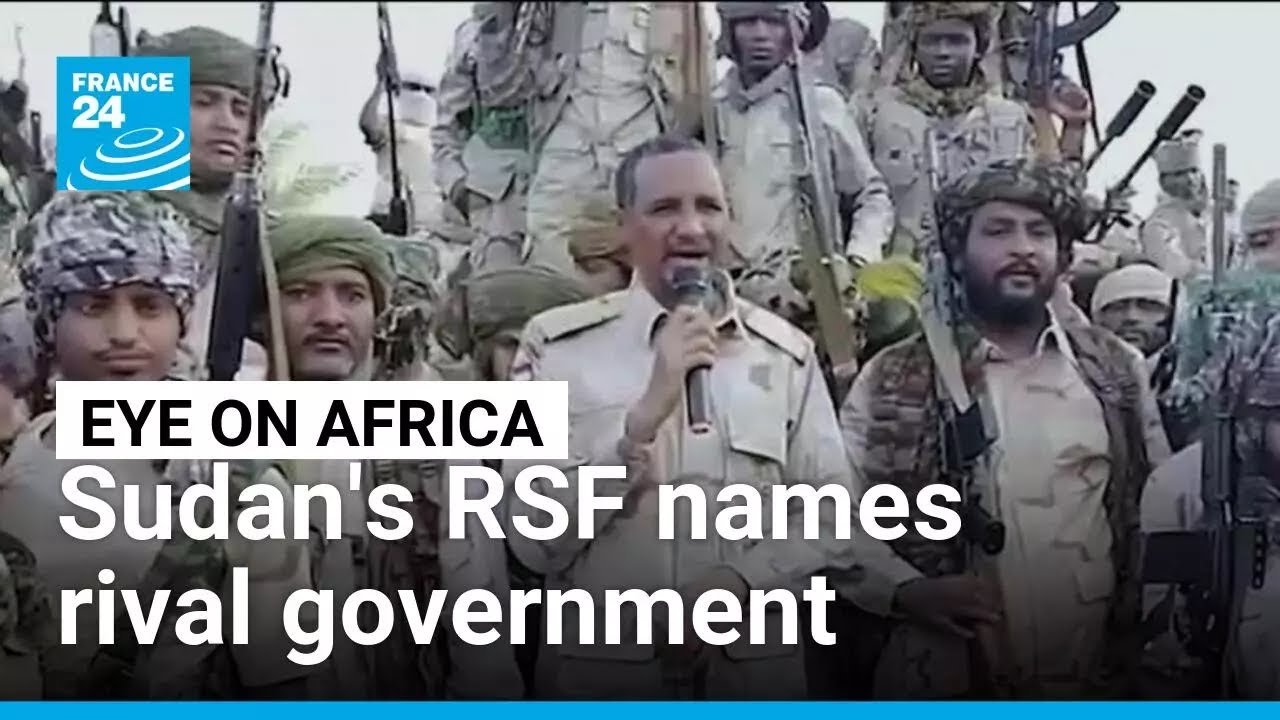
On 26 July 2025, a coalition led by the RSF formally declared a rival administration known as the Government of Peace and Unity, aimed at governing territories under its control.
The move was spearheaded by RSF leader Mohamed Hamdan “Hemedti” Dagalo, who is set to chair a 15-member presidential council under a proposed federal system. Former transitional official Mohamed Hassan al-Ta’aishi was named prime minister, while rebel leader Abdelaziz al-Hilu took a senior leadership role.
The RSF-led administration claims authority over large parts of western and southern Sudan, including Darfur and areas of Kordofan, together accounting for a substantial portion of the country’s territory. Its operational base is in Nyala, a key city in South Darfur.
The group has outlined ambitions to build parallel state structures, including issuing identification documents and potentially introducing its own currency.
Political and military response
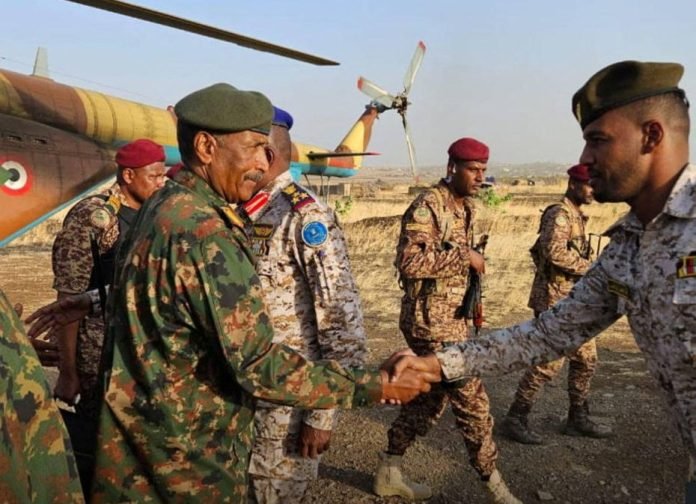
Sudan’s military-led government, based in Port Sudan and headed by General Abdel Fattah al-Burhan, rejected the move outright, describing it as illegitimate and vowing to continue military operations to reassert control over the country.
The announcement further entrenched the division between the two rival power centres, reducing prospects for a negotiated settlement.
International reaction
The formation of a parallel government was widely condemned by international and regional bodies.
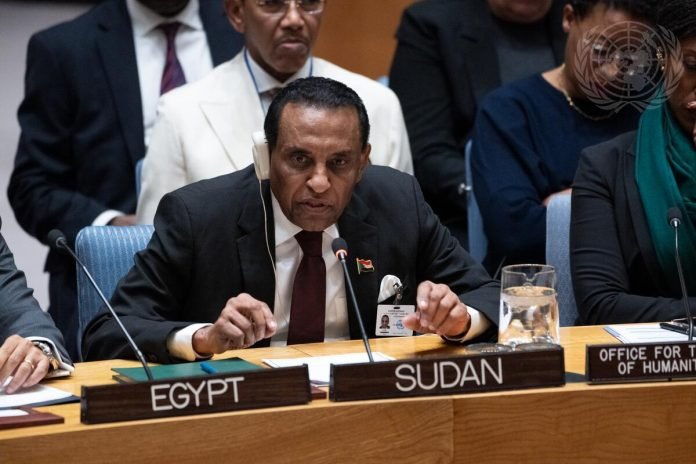
The African Union, United Nations, and Arab League all rejected the move, warning it undermines Sudan’s sovereignty and risks accelerating the country’s fragmentation into competing territories.
Humanitarian context
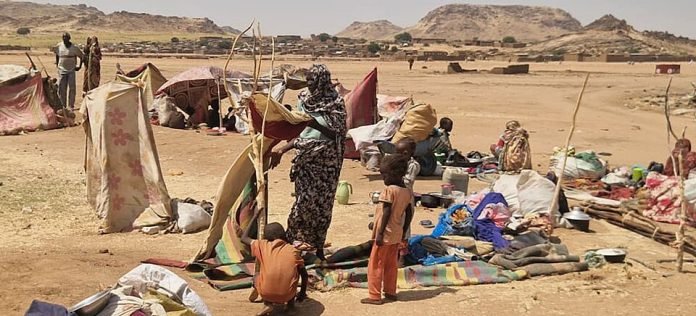
The political escalation comes amid an already severe humanitarian crisis. Millions have been displaced by the conflict, and large parts of the population face acute food insecurity.
Aid agencies have warned that further fragmentation of authority could complicate relief efforts and deepen the الأزمة.
Broader implications
The establishment of a rival administration marks a significant shift in Sudan’s conflict, signalling a transition from a power struggle to a potential de facto partition.
If sustained, the development could reshape the country’s political map and further destabilise an already volatile region.
Read also:
Sudanese Armed Forces (SAF) captures capital Khartoum
2025 RSF-led genocide in El Fasher