






Iran’s threats against President Donald Trump have escalated on two parallel tracks: a reported new intelligence warning relayed by Israel to the United States about an alleged assassination plot, and a broader wave of Khamenei-linked revenge rhetoric that has turned Trump into a central symbol of Iran’s response to war, sanctions, and targeted killings.
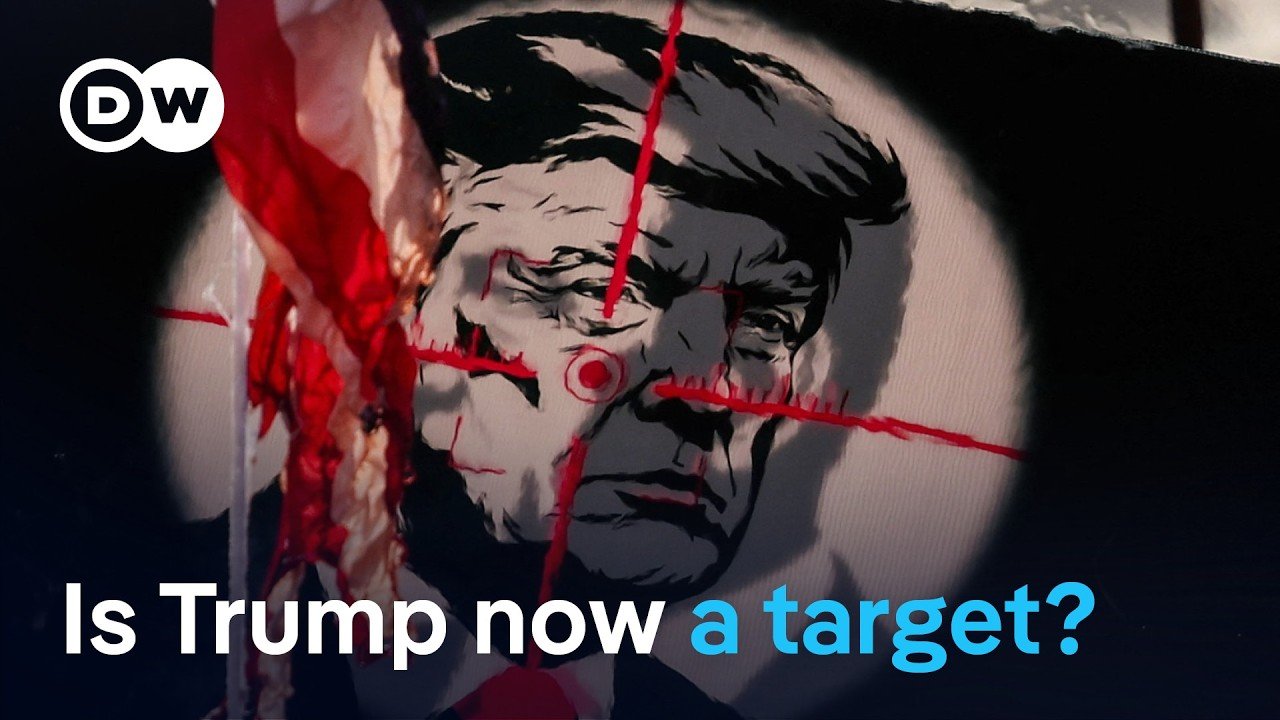
As first reported by the Wall Street Journal, Israel shared intelligence with Washington indicating Tehran had devised a fresh and specific plan to kill Trump, though US officials were reportedly divided over whether the warning reflected an actionable operation or a more generalized threat environment. That uncertainty matters because it places the story at the intersection of intelligence, diplomacy, and domestic political messaging rather than in the realm of a single confirmed plot.
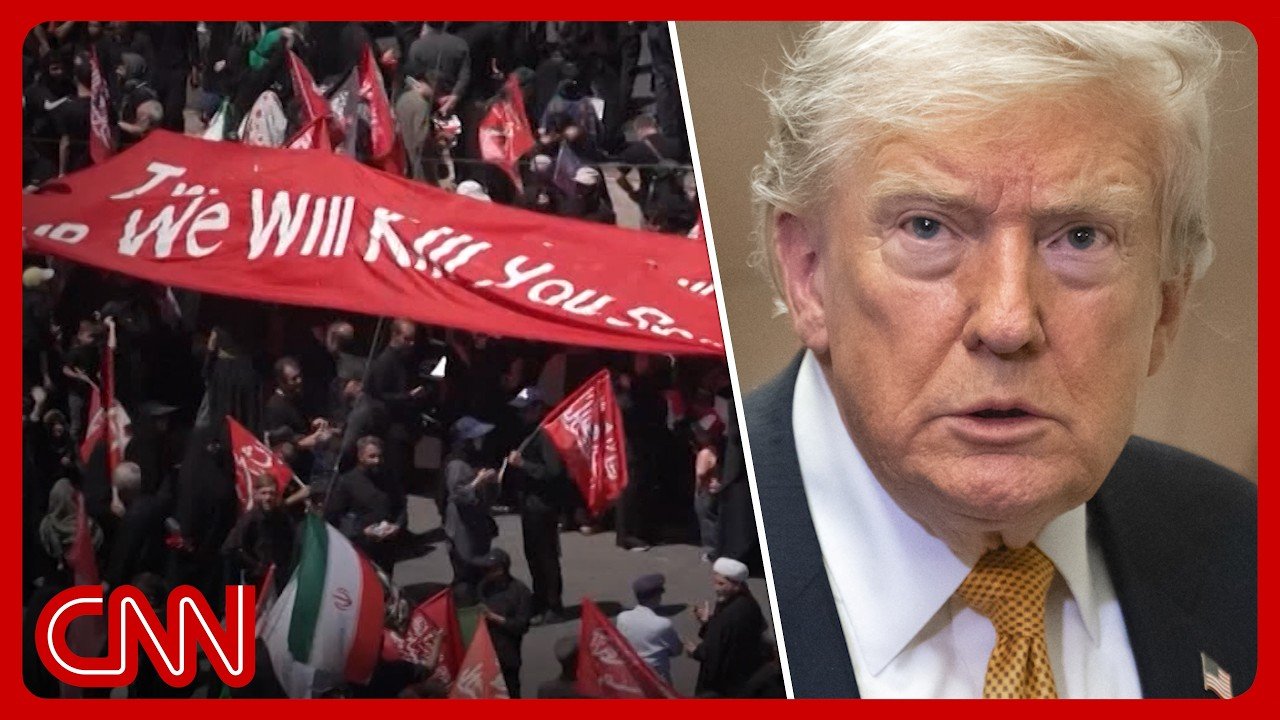
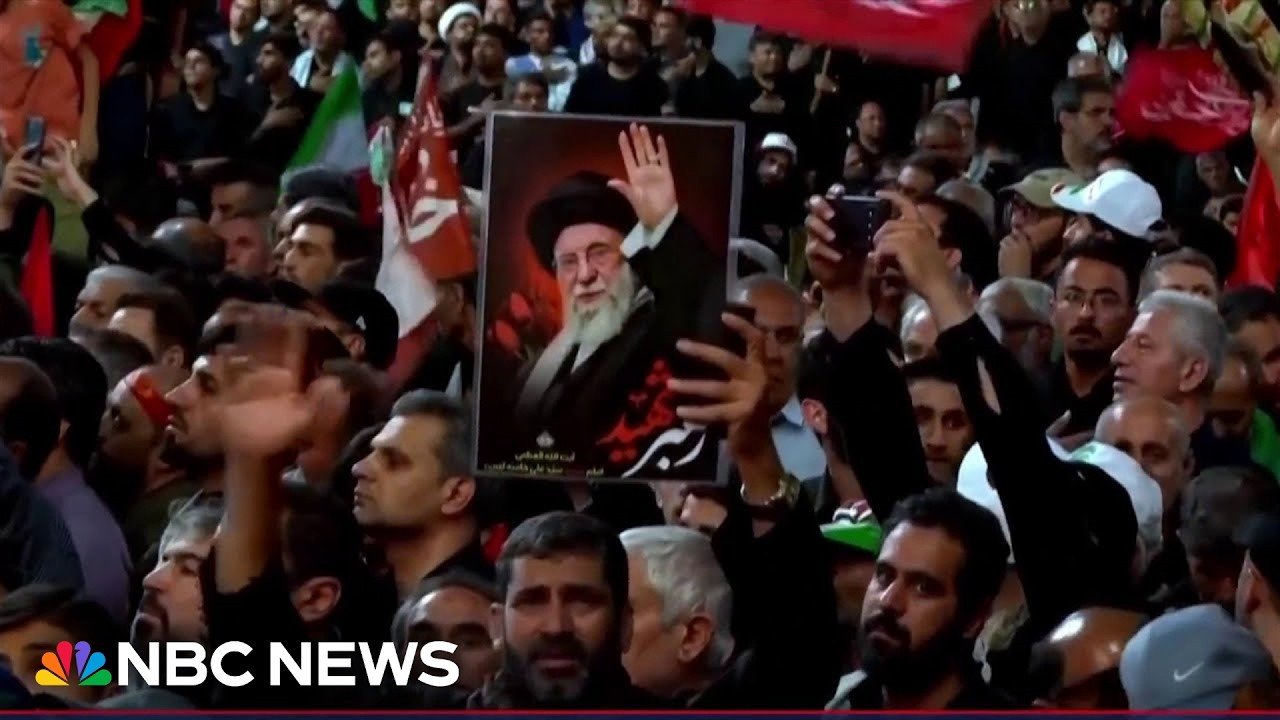
At the same time, Iranian officials and state-linked voices have been openly amplifying calls for revenge after the killing of Supreme Leader Ali Khamenei, with funeral gatherings, clerical statements, and official warnings all contributing to a climate in which Trump is portrayed as a legitimate target of retaliation.
Reuters reported that Iran warned the United States and Israel against further attacks and vowed an immediate and powerful response to threats against its leadership.
Trump’s response
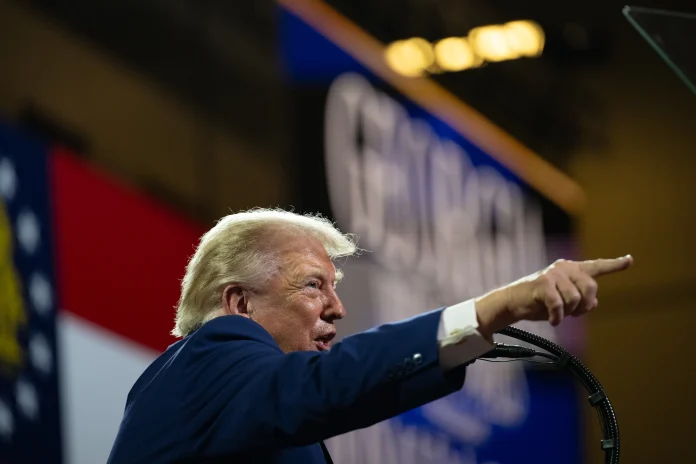
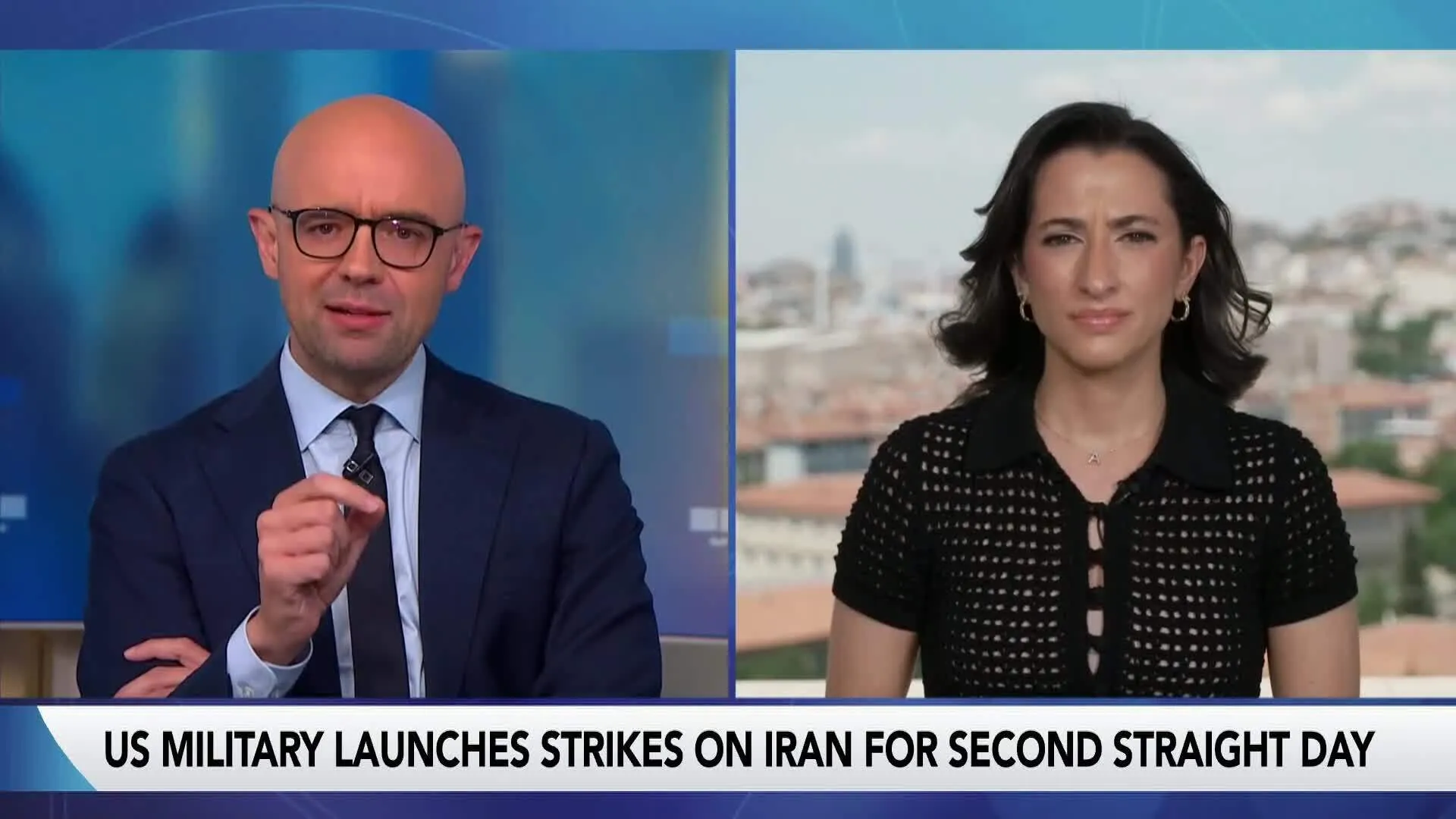
Trump has responded with his own escalating threats, saying he has left instructions for the US military to destroy Iran if he is assassinated and framing the crisis as a direct standoff with Tehran. He also said the US and Iran were either going to make a deal or “finish the job,” while declaring the ceasefire effectively over after the latest round of attacks.
His public remarks have alternated between warning that he is “on every single one of their lists” and downplaying the uniqueness of a “fresh” plot, suggesting he sees the threat as persistent even if the latest intelligence is disputed. That ambiguity has allowed the White House to treat the matter as both a security risk and a diplomatic pressure point.
Security and fallout
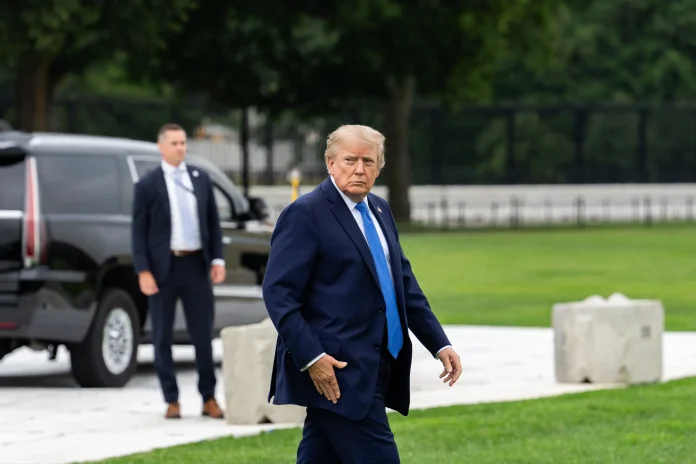
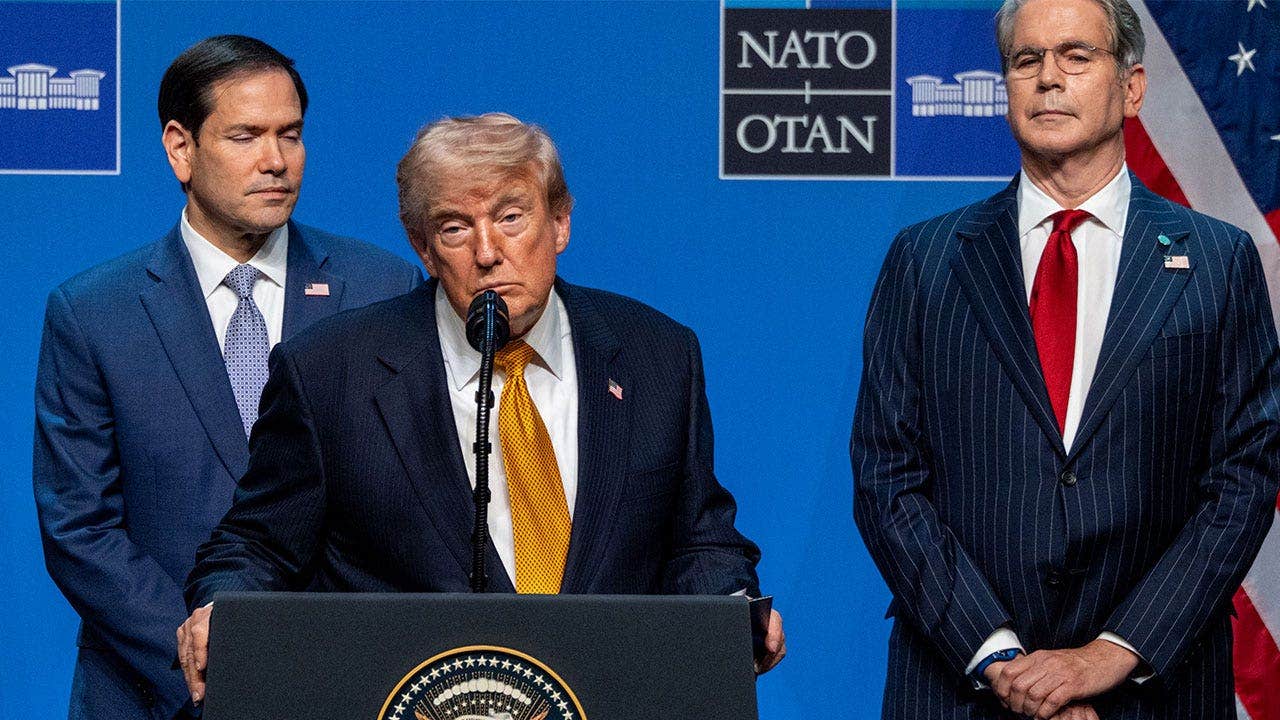
The security response has already been visible. Trump returned from the NATO summit in Türkiye aboard an older Air Force One rather than the newer Qatar-linked jet, a switch reported as a precaution amid the Iranian threat environment. While reports differed on whether the change was directly tied to the plot warning, the timing suggests the Secret Service treated the situation as serious enough to alter travel plans.
The broader backdrop is a rapid deterioration in US-Iran relations, with renewed strikes, failing ceasefire talks, and increasingly public threats from both sides. The NATO summit itself was overshadowed by the Iran conflict, reinforcing how quickly the crisis has spilled beyond the Middle East and into alliance politics.
What Khamenei’s threat adds
Khamenei-linked threats matter because they show this is not only an intelligence story but also a propaganda and mobilization campaign. Public funeral scenes, banners calling for Trump’s death, and clerical warnings have made revenge rhetoric part of Iran’s domestic political theater as well as its external signaling.
That rhetoric also complicates efforts to separate a symbolic threat from a concrete operational one. The alleged assassination plot warning gives the story a covert dimension, while the Khamenei-linked messaging gives it mass political cover and public legitimacy inside Iran.
In practical terms, Trump is now being cast both as a named target and as the embodiment of the wider conflict.
Backchannel talks said to continue in the background
Even as Iran-linked threats against President Donald Trump intensify, diplomatic contacts between the United States and Iran appear to be continuing through indirect backchannels, mostly via mediators in Qatar and Pakistan.
Reuters reported that US and Iranian officials concluded technical talks in Doha on July 1, with the discussions focused on maritime security in the Strait of Hormuz and financial incentives rather than the nuclear file itself. CNN also reported that lower-level indirect talks were continuing through Qatari and Pakistani intermediaries, with both sides keeping the channel open despite the fighting.
That line of communication matters because it suggests neither side has fully abandoned diplomacy, even as Trump says the ceasefire is over and threatens overwhelming retaliation if Iran tries to kill him. Al Jazeera reported that the US negotiating team remains committed to talks, while Iran has signaled it does not want to negotiate while US attacks continue.
The result is an unstable two-track conflict: public threats, military escalation, and assassination warnings on one side, and hidden diplomatic plumbing still trying to prevent a wider war on the other. That makes the backchannel the most important detail in the story, because it is the only visible sign that a political off-ramp still exists.
Ghalibaf declares “era of one-sided deals over”
Iran’s Revolutionary Guard Corps (IRGC) officially declared on July 12 that the Strait of Hormuz closed until further notice. Iranian Parliament Speaker Mohammad Bagher Ghalibaf has signaled that “the era of one-sided deals is over”, warning that Tehran will not proceed with further negotiations unless its conditions are met and previously agreed terms are implemented.
The era of one-sided deals is OVER. We told you: keep your word or pay the price. Reality is knocking. pic.twitter.com/B97ogCYGaj
— محمدباقر قالیباف | MB Ghalibaf (@mb_ghalibaf) July 12, 2026
Ghalibaf has repeatedly argued that talks with Washington are meaningless without guarantees, action, and respect for what Tehran views as its rights. In earlier remarks, he said Iran would not trust promises alone and framed negotiations as a process where concessions are only real if backed by force and verified implementation.
That tension is now central to the story. Ghalibaf’s message suggests Tehran wants to keep leverage on the table while rejecting any appearance of unilateral compromise, making the negotiations look less like a peace process and more like a pressure campaign conducted under fire.