


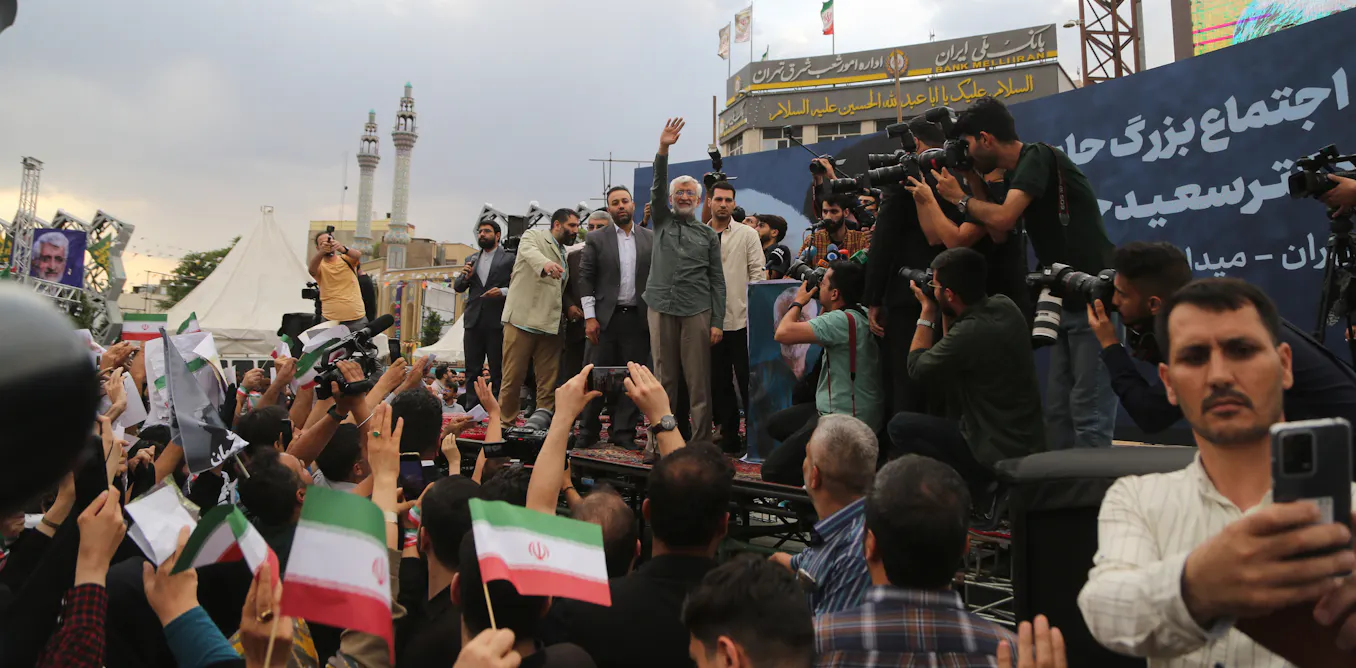

Iran’s parliament reconvened on July 13, 2026, after a 135-day recess and immediately reshuffled the leadership of its National Security and Foreign Policy Committee, removing two prominent hardline critics of ongoing US negotiations from key posts.
The move signals a strategic consolidation by the pragmatic coalition around Parliament Speaker Mohammad Bagher Ghalibaf and President Masoud Pezeshkian as high-stakes diplomacy continues amid intermittent military clashes over the Strait of Hormuz.
Leadership shake-up on security committee
In the committee’s annual leadership vote, lawmakers removed Mahmoud Nabavian as first deputy chairman and replaced Ebrahim Rezaei as the committee’s spokesperson. Both are aligned with the ultra-hardline Paydari Front (Jebheye Paydari), which has vocally opposed the US–Iran memorandum of understanding and warned it could turn Iran into a “colony of the United States”.
The new committee leadership is:
- Chairman: Ebrahim Azizi (representative for Shiraz and Zarqan)
- First deputy chairman: Abbas Moghtadaei
- Second deputy chairman: Amir Hayat-Moghaddam
- Spokesperson: Hassan Ghashghavi
- Secretaries: Behnam Saeedi and Yaghoub Rezazadeh
The vote was held during the first plenary session since early March, chaired by Deputy Speaker Hamidreza Hajibabaei.
Hormuz security bill tabled amid drone incidents
Coinciding with the leadership changes, hardline lawmakers formally introduced the “Strategic Action for the Security and Sustainable Progress of the Strait of Hormuz and the Persian Gulf” bill.
Ebrahim Azizi, the newly elected committee chair, announced on X that the bill was presented “last night, coinciding with the downing of US drones”, framing it as the “first step” with “subsequent measures forthcoming”.
Last night, coinciding with the downing of U.S. drones, the ‘Strategic Action for the Security and Sustainable Progress of the Strait of Hormuz and the Persian Gulf’ bill was formally introduced in Iran’s Parliament.
— ابراهیم عزیزی (@Ebrahimazizi33) July 14, 2026
We remain steadfast in defending our red lines, particularly…
While the full text has not been publicly released, an earlier draft circulating in May outlined several hardline provisions:
- Barring vessels flying US or Israeli flags, as well as military/intelligence ships of states deemed hostile to Iran’s “axis of resistance”.
- Requiring all transiting vessels to obtain permits, disclose cargo, and pay fees.
- Mandating use of the name “Persian Gulf”, with penalties including blocked passage and confiscation of up to 20% of cargo value, with revenues directed to the military and reconstruction efforts.
The bill’s timing follows a series of escalations in late June and early July, including US strikes on Iranian territory after attacks on commercial shipping in the strait, Iranian retaliatory missile and drone operations against US sites in Bahrain and Kuwait, and the revocation of an Iranian oil sales license by Washington.
Emergency procedural rules for crises
Alongside the Hormuz legislation, parliament approved an emergency amendment to its internal rules, amending Article 1 of the Rules of Procedure to allow plenary sessions to be held online or at alternative venues during “emergency conditions or extraordinary national circumstances”.
Key elements of the amendment:
- Trigger: The presiding board determines that convening at the permanent chamber is impossible due to security threats, natural disasters, or other extraordinary conditions.
- Modalities: Sessions may be held virtually or at an off-site location, with all standard procedures (debates, voting, results announcement) preserved and transmitted securely to the Guardian Council and executive branch.
- Vote tally: The amendment passed with 210 votes in favor, 30 against, and 4 abstentions out of 255 lawmakers present.
Iranian MP Mohammad Mehdi Mottahed described the change as ensuring parliament “is never removed from the country’s decision-making cycle”, even under severe disruption.
Factional context: pragmatists vs. Paydari hardliners
The leadership reshuffle strengthens the hand of Ghalibaf and Pezeshkian’s pragmatic conservative bloc, which has been steering the US negotiations and defending the MoU against hardline accusations of capitulation.
Ghalibaf, Iran’s chief negotiator in the Doha talks, has publicly argued that “negotiations at this point do not equate to surrender” and called for synchronizing military and diplomatic tools to protect national interests.
By contrast, the Paydari Front and allied hardliners have staged protests outside the foreign ministry, run “we will not accept” campaigns, and used parliamentary platforms to denounce the deal as a strategic mistake.
Nabavian’s removal is particularly symbolic: as vice chair of the security commission, he had been one of the most visible internal critics, warning the agreement could grant Israel influence over the Strait of Hormuz.
What’s still unclear or developing
- The exact, finalized text of the Hormuz bill and whether it will be fast-tracked or sent to the Guardian Council.
- How the new committee leadership will interact with the Supreme National Security Council and the IRGC on operational control of the strait.
- Whether the emergency session rules will be activated if US–Iran hostilities intensify around critical infrastructure or parliament premises