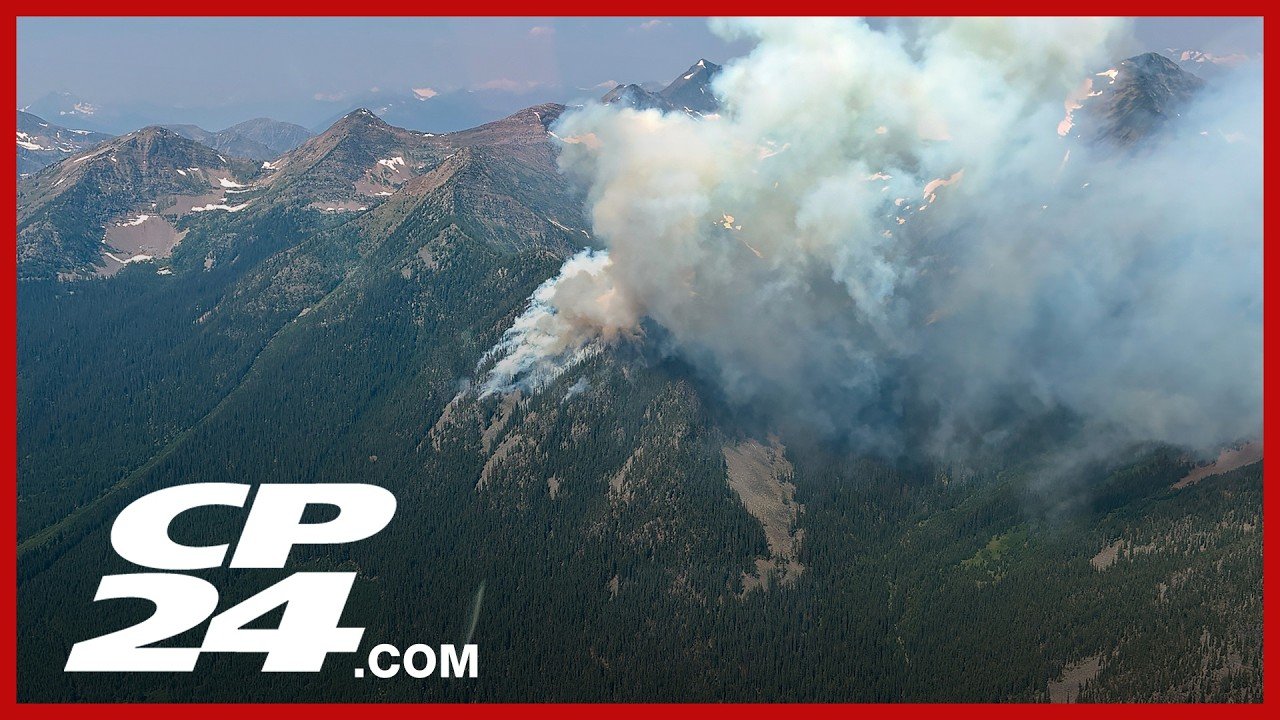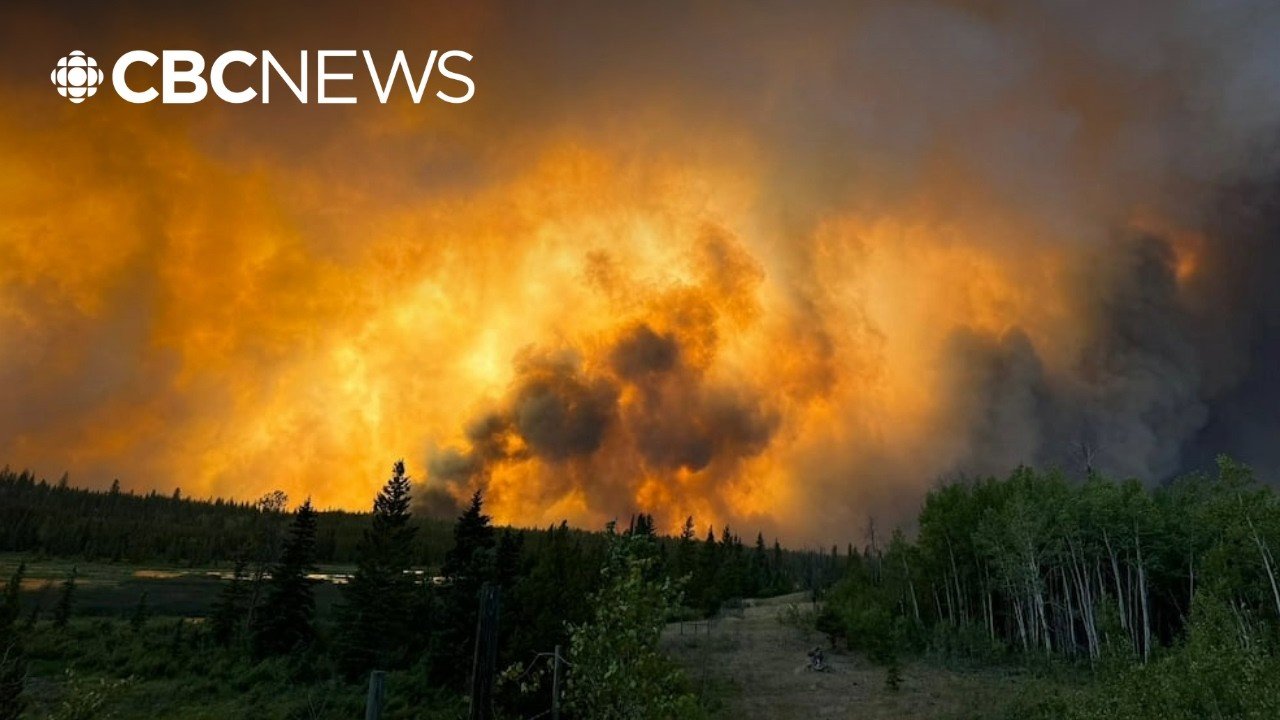





Canada is facing one of the most severe wildfire seasons in its history, with nearly 1,000 active fires burning across the country as of July 2026. Fueled by extreme heat, prolonged drought, and persistent lightning storms, the blazes have already scorched more than 3 million hectares, triggering mass evacuations, widespread air pollution, and rising geopolitical tensions with the United States.
A country under fire
The crisis is particularly acute in northwestern Ontario, where fast-moving fires have devastated multiple First Nations communities, destroying homes and forcing thousands to flee. In British Columbia, a surge in lightning strikes has ignited new fires at a rapid pace, placing several regions, including Kimberley, under evacuation alerts.
Much of the destruction is occurring in remote boreal forests, where limited road access and vast terrain complicate firefighting efforts. These regions, which make up a significant portion of Canada’s landmass, are often inaccessible to ground crews, forcing authorities to rely heavily on aerial suppression.
Prime Minister Mark Carney has mobilized thousands of firefighters and hundreds of aircraft in response, while provincial governments coordinate emergency evacuations and relief efforts.
What is driving the fires
Scientists and emergency officials point to a convergence of environmental factors behind the severity of this year’s wildfire season.
- Prolonged drought and recurring heatwaves have left forests exceptionally dry and highly flammable.
- Frequent dry lightning storms have become the primary ignition source, especially in remote regions.
- Vast forested areas with accumulated vegetation provide abundant fuel, allowing fires to spread rapidly.
- Climate change is intensifying fire conditions, extending wildfire seasons and increasing the likelihood of extreme weather patterns.
This combination has created conditions in which fires ignite easily, spread quickly, and are difficult to control once established.
Smoke sparks US political backlash
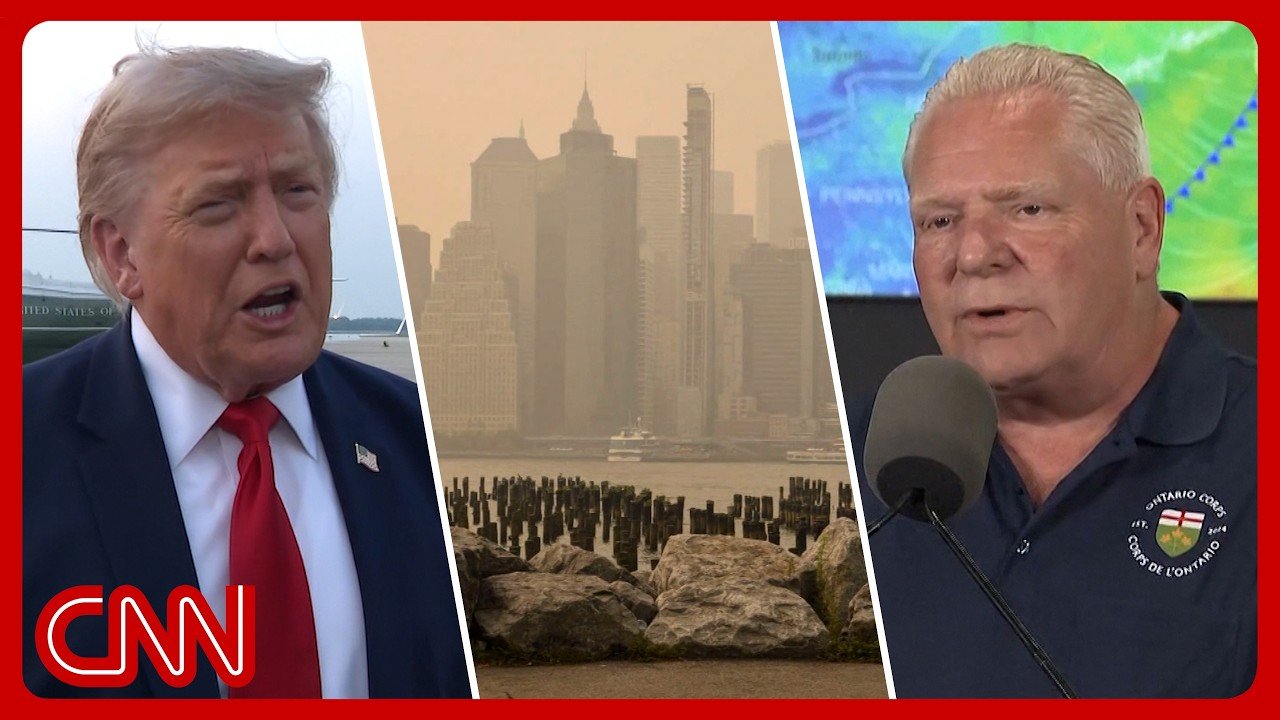
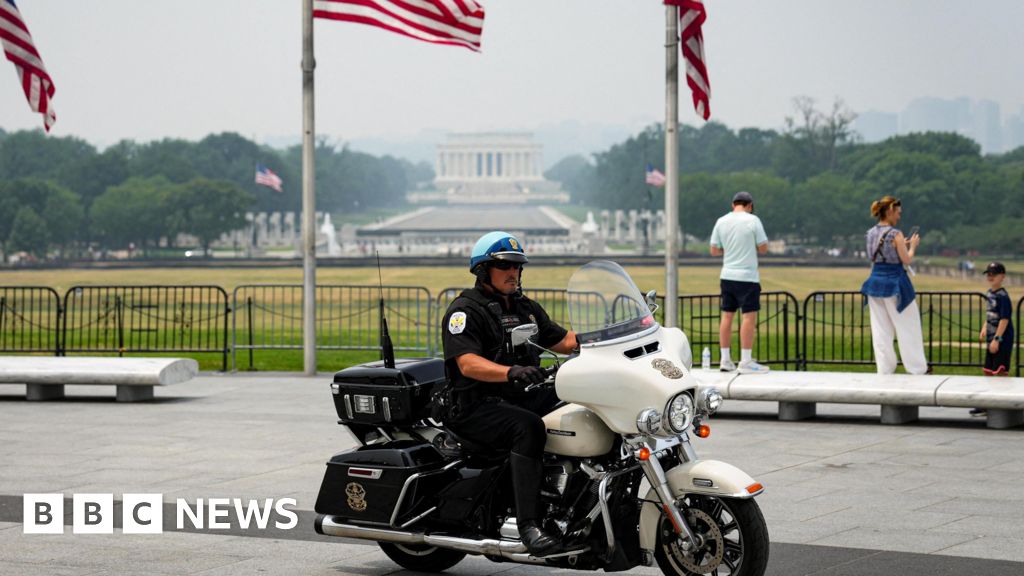
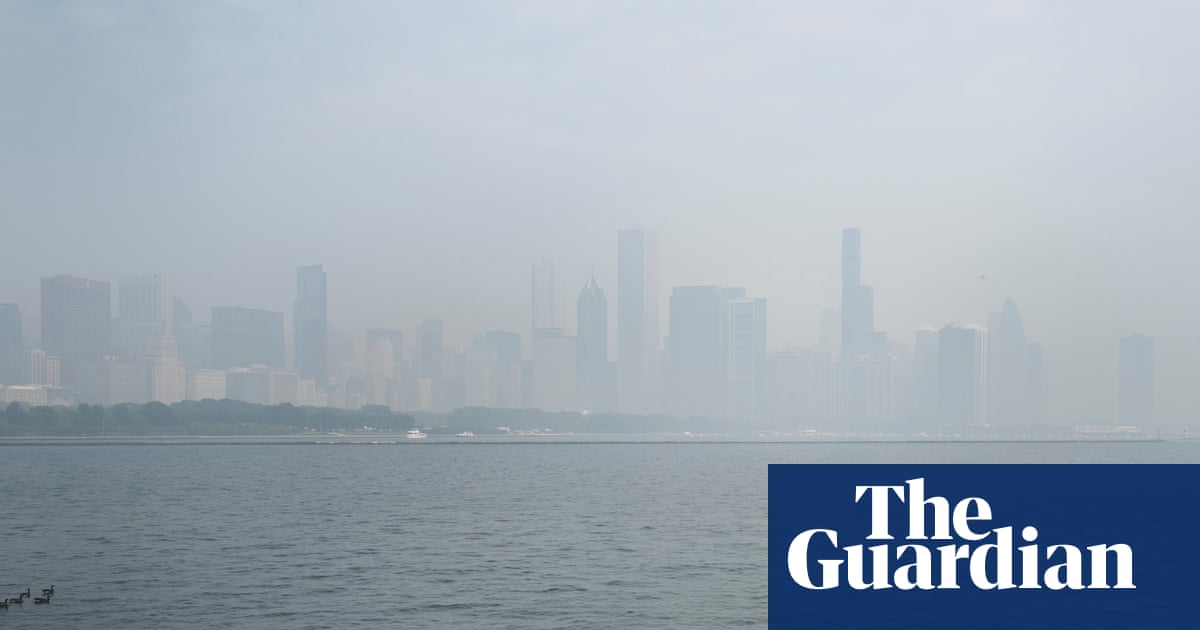
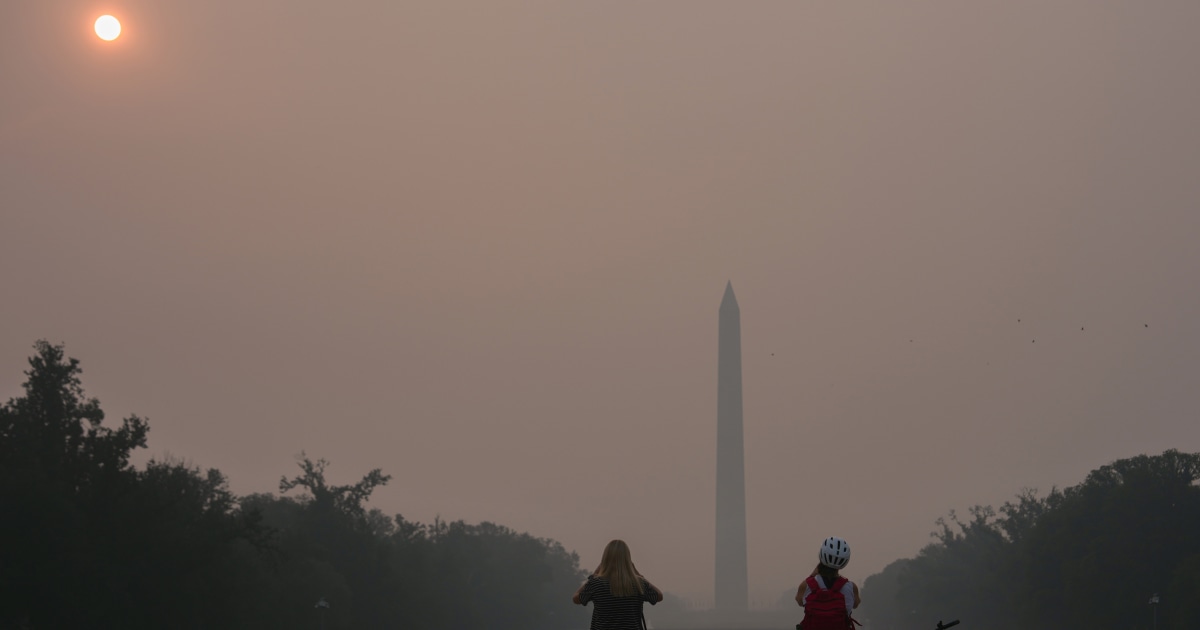
As thick smoke drifts south, major US cities across the Midwest and Northeast — including Chicago and parts of New York — have recorded hazardous air quality levels, in some cases reaching levels far above World Health Organization safety thresholds.
The cross-border impact has ignited political tensions in Washington.
US President Donald Trump has sharply criticized Canada’s forest management, calling the smoke an “unnecessary invasion” and threatening new trade tariffs if Ottawa fails to contain the fires. Some Republican lawmakers from border states have gone further, accusing Canada of long-standing negligence in forest maintenance.
The rhetoric marks a significant escalation from previous wildfire seasons, where cross-border smoke was typically treated as an environmental and humanitarian issue rather than a political dispute.
Canada pushes back
Canadian officials have rejected the criticism, emphasizing both the scale of the disaster and the long history of bilateral cooperation on wildfire response.
Prime Minister Carney pointed to climate change as a shared challenge, while Ontario Premier Doug Ford highlighted Canada’s repeated assistance to US firefighting efforts during past crises. Canadian leaders have also suggested that easing US tariffs on softwood lumber could help reduce wildfire risk by making forest thinning more economically viable.
The exchange underscores a broader policy divide: whether wildfires should be addressed primarily through forest management practices or through climate mitigation strategies.
Widespread health and economic impact
Beyond the flames, the most immediate and far-reaching consequence has been air pollution.
- Major cities including Toronto and Chicago have experienced severe air quality deterioration, with fine particulate levels soaring to dangerous levels.
- Hospitals have reported increases in respiratory issues, particularly among vulnerable populations such as children and the elderly.
- Public events, travel, and outdoor work have been disrupted across both Canada and the United States.
At least several fatalities have been reported, while thousands remain displaced as emergency shelters fill and infrastructure damage mounts.
A continental-scale emergency
The 2026 wildfire season is no longer a localized disaster but a continental crisis, exposing the interconnected nature of climate, public health, and politics in North America.
As fires continue to burn and smoke crosses borders, the situation is testing not only emergency response systems but also diplomatic relations — raising urgent questions about how countries cooperate in the face of increasingly transnational climate threats.