




Trump pauses 50% Canada tariffs after last-minute trade deal

In this story
Jump to Timeline

Key Reporting

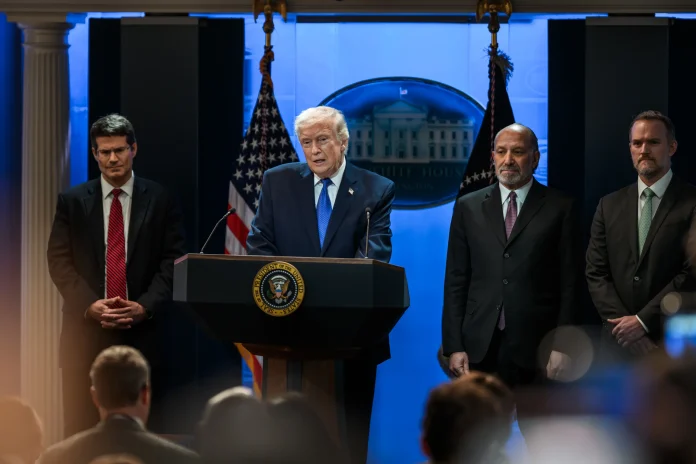
President Donald Trump announced a temporary three-day pause on scheduled 50% tariffs against Canada after declaring that the two countries have reached a tentative trade agreement, subject to final document signing. The last-minute delay was posted on Truth Social less than two hours before the crushing duties on roughly $20billion to $28billion worth of Canadian imports were set to take effect.

The tariffs were originally set to take effect at 12:01am ET on Wednesday, August 19, 2026. At 10:15pm ET Tuesday, Trump announced on Truth Social that he would pause the tariffs for three days.

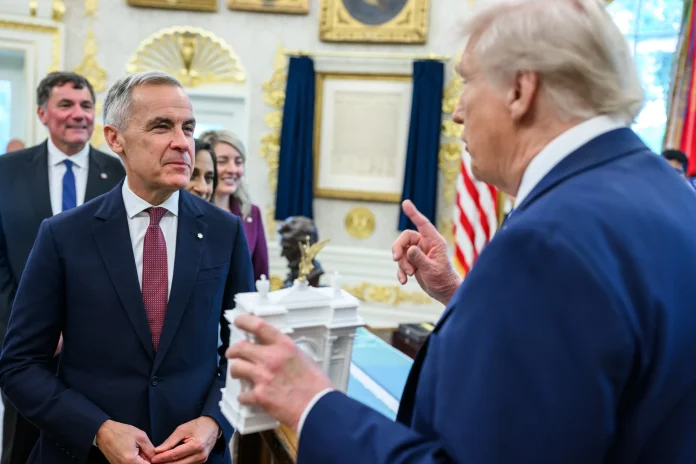
Canadian Prime Minister Mark Carney confirmed shortly afterwards that the US had agreed to suspend the tariffs until the end of day August 21, 2026. The new tariff deadline, if documents are not finalized, is 12:01am ET Saturday, August 22.

Key details of the tentative deal

While official text is still being finalized, early statements from the White House and US Trade Representative Jamieson Greer outline major focus areas:

Agricultural access

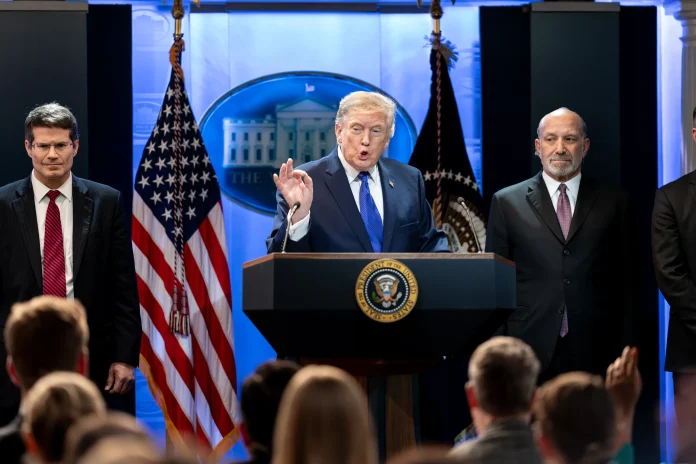
Trump stated repeatedly that Canadian tariffs on American agricultural goods will be “totally eviscerated down to zero,” providing a major boost to US farmers.

The tariffs will be non-existent for our farmers. Our farmers were paying tremendous tariffs into Canada, and those tariffs are going to be totally eviscerated. Down to zero.

President Trump told reporters on August 19.

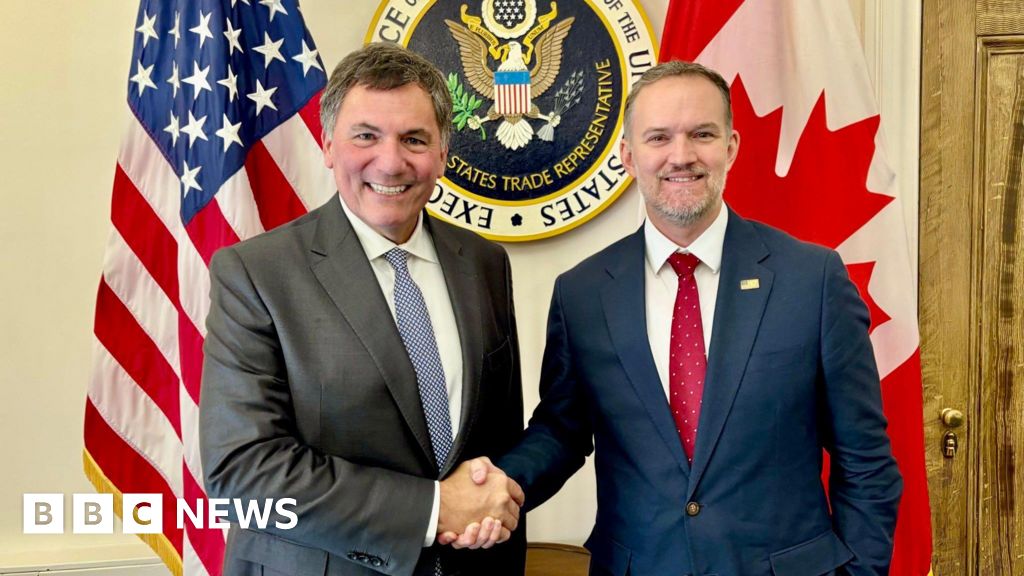
However, Canadian officials have pushed back on the scope of concessions. Canada’s minister responsible for trade, Dominic LeBlanc, told reporters that Canada’s “agriculture sector will be well protected and we have maintained our tough line,” while a senior Canadian official explicitly said supply management was “not on the table” and Canada’s dairy system would remain protected.

Steel, aluminum, and automobiles

Multiple reports indicate the US is prepared to cut existing steel and aluminum tariffs on Canadian goods from 50% to 25% as part of the deal. Trump also hinted at reductions on auto tariffs, telling reporters: “We’re doing certain things. We’re giving, going to give something.”

Earlier reporting suggested the US is considering reducing its existing 25% tariff on Canadian vehicles down to 15%, depending on the volume of American-made content used in production, though final levels are still being decided.

Alcohol and dairy

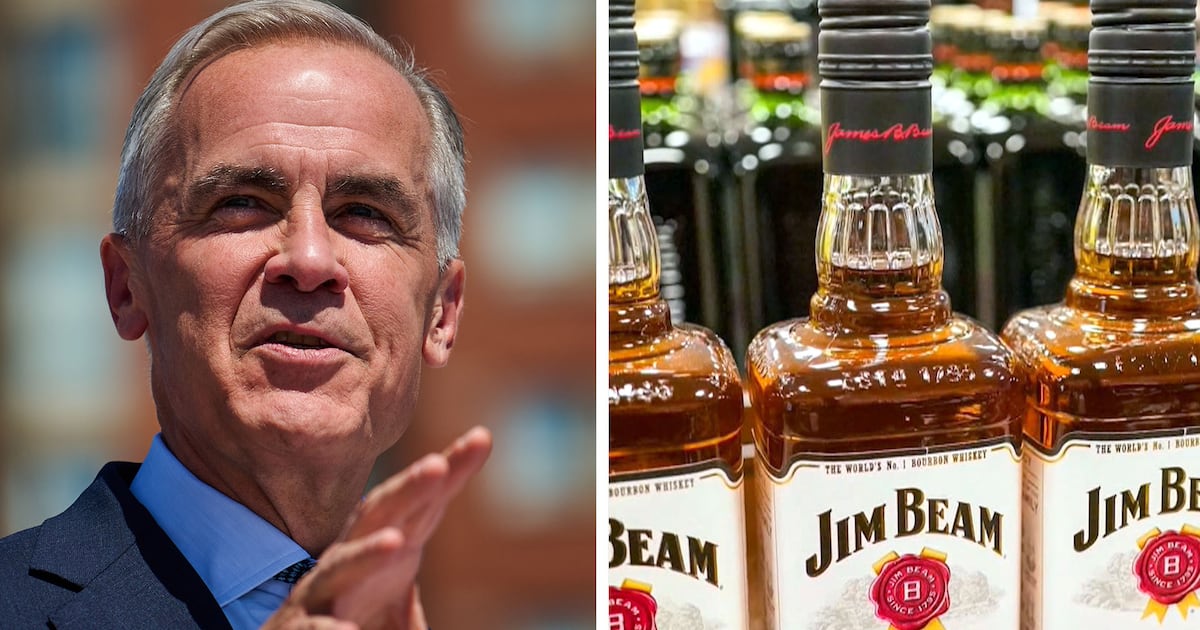
The agreement seeks to resolve long-standing irritants by expanding US cheese market access and ending provincial Canadian boycotts on American liquor. Prime Minister Carney has asked Canadian provinces to restock American alcohol on their shelves following the pause announcement.

On dairy, the White House publicly said Canada moved on three sectors, including dairy, with the US seeking changes to rules on the types of dairy products they could sell into Canada tariff-free.

Economic alignment and digital trade

US Trade Representative Jamieson Greer wrote in an X post that the deal “will include comprehensive market access for all American goods, economic security commitments, digital trade alignment, and many important provisions that will continue to protect our market and American workers, along with our Canadian partners”.

Keystone XL Pipeline

Trump hinted on Truth Social that the cross-border Keystone XL oil pipeline project, which was canceled in 2021, “may be awoken from the grave” as part of the broader economic alignment, though no formal commitment has been detailed in the emerging terms.

Canada’s response

Canadian Prime Minister Mark Carney confirmed that “substantial progress has been made” after intensive, last-minute phone calls with Trump. However, Carney cautioned in a public letter that “important work still remains to be done” before a final cross-border agreement is officially locked in.

A senior Canadian official called the emerging terms “a very good deal for Canada” while cautioning that negotiations were not complete.

Why the tariffs were looming

The Trump administration attempted to deploy Section 338 of the Tariff Act of 1930 — a Great Depression-era law never used before by any president — to levy the 50% taxes. The White House argued the aggressive measure was necessary to penalize Canada for what it deemed “discriminatory treatment” of American exports.

The postponed round of tariffs would have hit $20.2billion to $28billion of Canadian goods, ranging from hockey sticks and ice skates to honey, some dairy products, electronics, industrial machinery, furniture, and wine. Economists had warned that if the tariffs moved forward, they would severely disrupt integrated supply chains and drive up consumer prices in both nations.

What happens next

Negotiators now have until 12:01am ET Saturday, August 22, to finalize documents. If the paperwork is not completed by then, the 50% tariffs could snap back into effect. Both sides have signaled that talks remain “very sensitive and tense”, with Carney describing the negotiations in those terms while affirming progress.
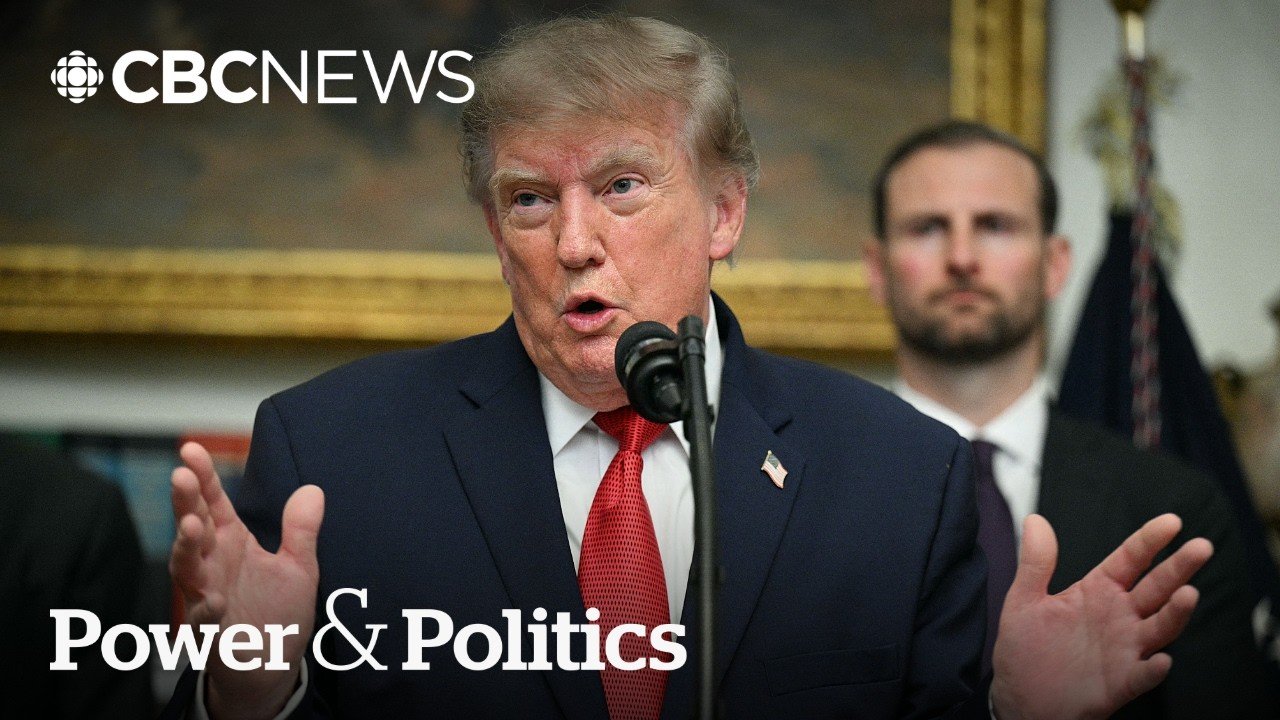
youtube placeholder image

Canada escalates trade war with dollar‑for‑dollar tariffs on US$19.9billion of American goods

Ottawa’s counter‑tariffs are designed to impose equivalent financial pain on US exporters while shielding Canadian consumers where possible.
Read more

Trump renames Lake Ontario “Lake America” in escalating US–Canada trade dispute

The renaming of Lake Ontario is the culmination of a rapidly intensifying trade war between the United States and Canada.
Read more

US-Canada trade war escalates after talks collapse over sovereignty clauses

US-Canada trade talks collapse over sovereignty clauses as Trump imposes 50% tariffs. Carney vows dollar-for-dollar retaliation. Trump claims Canada wants "state benefits without being one."
Read more

US returns $100billion in ‘Liberation Day’ tariffs after Supreme Court defeat

Most of the money collected under Donald Trump’s sweeping import-tax programme has been cleared for repayment, but billions more remain under review.
Read more

US to shutter five diplomatic posts in rare peacetime downsizing

The closures are projected to save about $4.4million per year, per reporting on the congressional notifications.
Read more

Trump hits Canada with 50% tariffs, setting stage for high-stakes trade talks

The outcome of these negotiations will set a precedent for how the Trump administration wields its tariff powers in the years ahead.
Read more

Canada wildfires spiral into continental crisis as climate extremes and political tensions collide

The blazes have already scorched more than 3million hectares, triggering mass evacuations and rising geopolitical tensions with the US.
Read more

Supreme Court rules Trump tariffs illegal, halting $1.4trillion in duties

The Supreme Court's ruling has profound constitutional, fiscal and operational implications beyond the cessation of certain duties.
Read more

US-China trade war reaches one-year truce

On Oct 30, Trump and Xi Jinping agreed to a one-year trade truce in a meeting in South Korea. Both sides agree to reduce their reciprocal tariffs.
Read more

2025 ASEAN Summit: China signs trade pact with ASEAN

The agreement would open the door to greater market access in agriculture, the digital economy, and pharmaceuticals between the two parties.
Read more
Timeline

Apr 2017: The U.S. imposes duties on Canadian softwood lumber, a long-running dispute that regularly flares up between the two nations.

May 2018: Trump uses Section 232 national security exceptions to hit Canada with 25% tariffs on steel and 10% on aluminum. Canada responds with $12.6billion in retaliatory tariffs.

May 2019: The U.S. lifts the steel and aluminum tariffs after both nations agree to ramp up enforcement against cheap Chinese metals routing through Canada.

Jul 2020: The United States-Mexico-Canada Agreement (USMCA) officially takes effect, replacing NAFTA. It adds stricter rules for regional car manufacturing and opens up a small sliver of Canada’s protected dairy market to U.S. farmers.

Jan 2021: On his first day in office, President Joe Biden cancels the presidential permit for the Keystone XL pipeline. The move kills the $9billion project intended to carry Canadian oil to Texas refineries, angering Canadian energy sectors.

Jan 2022: The U.S. wins a major USMCA dispute panel ruling against Canada, accusing Ottawa of unfairly restricting U.S. dairy access promised under the trade deal.

2023: Canada announces plans to push forward with a Digital Services Tax (DST). The tax targets large, mostly American tech companies (like Google and Amazon), triggering warnings of economic retaliation from both U.S. Democrats and Republicans.

Jun 2024: Canada officially enacts its Digital Services Tax despite intense lobbying from Washington.

Late 2024: During his presidential campaign, Donald Trump pledges to enact a universal baseline tariff of 10% to 20% on all foreign imports, explicitly warning that neighbors like Canada would not get a free pass unless border security and trade deficits were addressed.

Feb 1, 2025: President Trump signs an order invoking the International Emergency Economic Powers Act (IEEPA), scheduling blanket 25% tariffs on Canadian and Mexican imports over border security and fentanyl concerns.

Mar 4, 2025: The IEEPA tariffs officially take effect at 12:01 am. Canada immediately hits back with retaliatory tariffs on $30billion worth of U.S. goods, igniting a cross-border trade war.

Mar 9, 2025: Amid the escalating trade dispute, Canada selects Mark Carney as its new Prime Minister.

Apr to Dec 2025: The Trump administration ramps up pressure, raising the baseline tariff rate to 35% on non-compliant goods while adding sector-specific duties on steel, aluminum, and softwood lumber.

Feb 2026: The U.S. Supreme Court strikes down Trump’s sweeping emergency IEEPA tariffs (Learning Resources, Inc. v. Trump). The White House pivots to a temporary 10% tariff that exempts most compliance-certified goods.

Jul 20, 2026: Seeking a new legal route, Trump announces new 50% tariffs on $20 billion of Canadian imports using Section 338 of the Tariff Act of 1930, targeting motor vehicles, dairy, and alcohol.

Aug 14 to 17, 2026: With the August 19 midnight tariff deadline closing in, cross-border panic grows. Canadian officials and business leaders make desperate, last-ditch efforts to negotiate an exemption.

Aug 18, 2026: Less than two hours before the crushing taxes are set to launch, Trump announces a temporary 3-day pause. He posts on social media that the U.S. and Canada have reached a tentative trade agreement

Aug 19 to 20, 2026: Senior trade representatives hold urgent meetings in Washington to turn the handshake agreement into written law. Prime Minister Carney briefs provincial leaders, noting that while “substantial progress” has been made, intense drafting work remains before the Saturday deadline.

You may also be interested in

LEAVE A REPLY

Please enter your comment!
Please enter your name here