






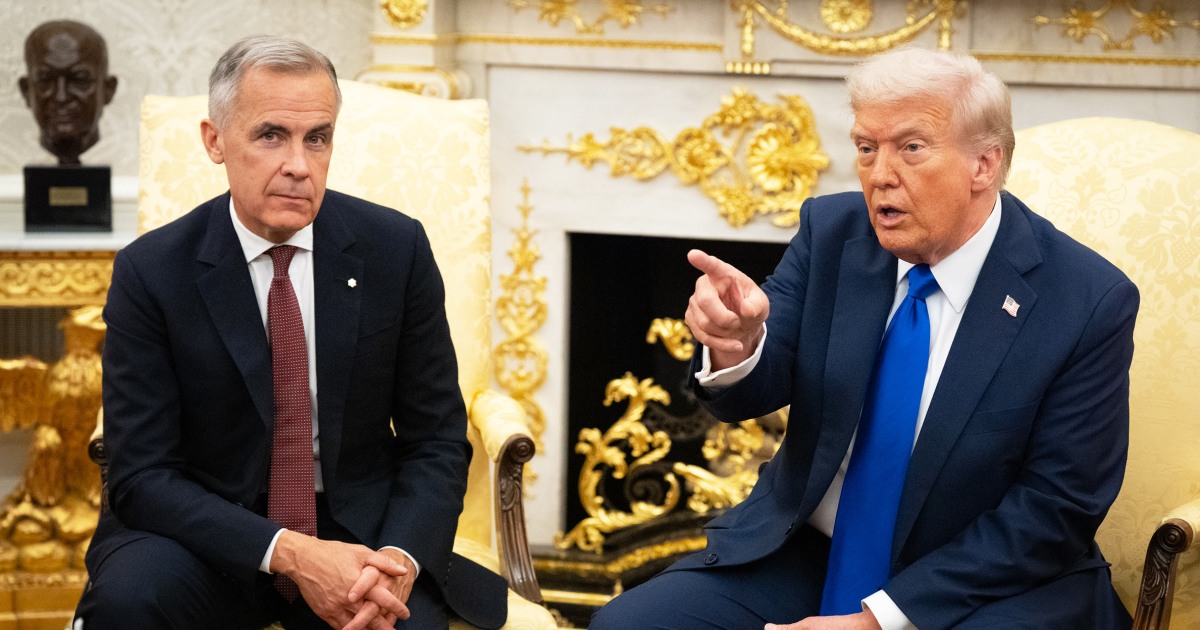


Canada and the United States have plunged into an escalating trade war after high-stakes negotiations collapsed in the early hours of Saturday, 22 August 2026, just minutes before a midnight deadline. The breakdown marks a dramatic deterioration in relations between the two longtime allies and trading partners.
Following the collapse, the Trump administration immediately imposed 50% tariffs on approximately US$20billion to US$28billion worth of Canadian goods, affecting products ranging from beer and whiskey to hockey equipment and cement. In response, Canadian Prime Minister Mark Carney announced dollar-for-dollar retaliatory tariffs set to take effect on 8 September 2026, targeting US steel, aluminum, dairy, appliances, and electronics.
“No further talks are planned,” confirmed US Trade Representative Jamieson Greer in a statement early Saturday, signaling that both sides are preparing for a prolonged economic confrontation.
Trump’s Provocative Claim: Canada Wants “Benefits of a State Without Being One”
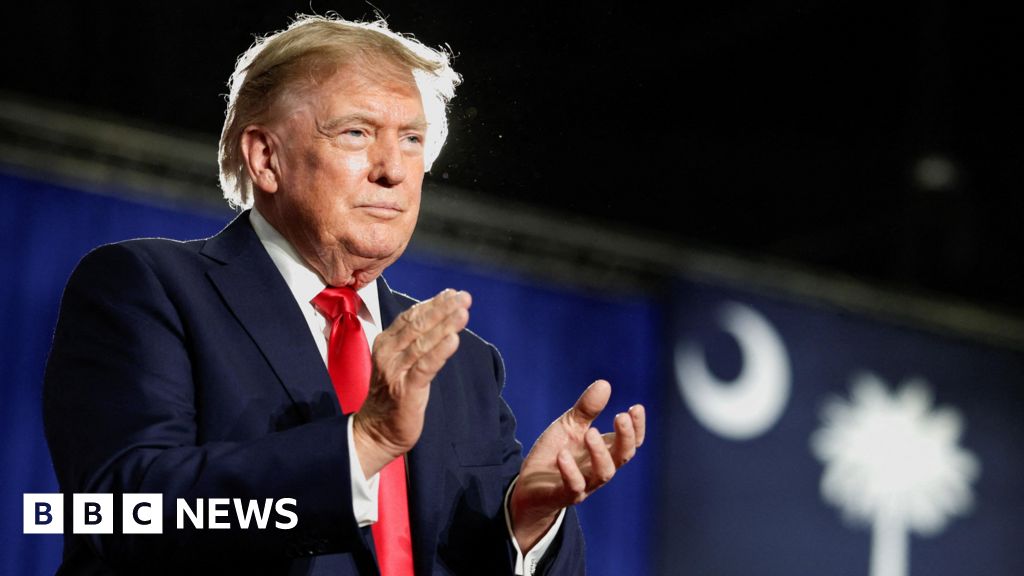
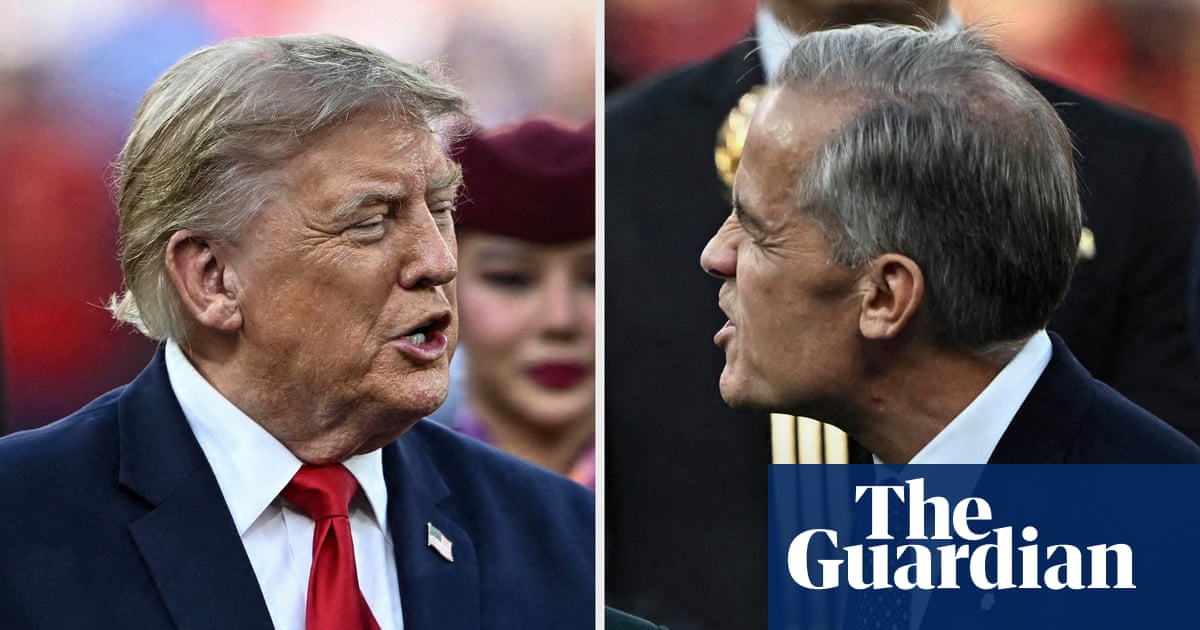
President Donald Trump weighed in on Sunday with a provocative characterization of Canada’s negotiating position, writing on Truth Social:
Canada wants the benefits of being a State, without being one!!!
The post marked Trump’s first public remarks since Carney suspended trade talks on Friday night. In the same message, Trump accused Canada of imposing “massive amounts of Tariffs” on American farmers “for many years”.
The comment echoes a recurring theme from Trump, who has repeatedly mused about making Canada the 51st US state and dismissed the allies’ border as artificial. In February 2025, the White House hit Canada with a 25% tariff, citing what it regarded as inadequate progress in curbing cross-border illegal immigration and drug trafficking.
Canadian Prime Minister Mark Carney labeled Trump’s new tariffs a “misjudgment” intended to “harm and divide us,” while characterizing the US demands as “uneconomic, unfair, and undermining the net benefits for Canada.”
The final 72 hours: How the deal unraveled
Friday’s Last-Minute Breakdown
According to multiple sources, Canadian and American negotiators held intensive talks over three days in Washington, appearing close to a framework agreement as recently as Friday afternoon. The deal would have lowered tariffs on steel, aluminum, and automobiles while suspending previously enacted duties on Canadian lumber.
However, the negotiations dissolved late Friday night after Canada’s Ambassador to the US, Mark Wiseman, discovered that the written text of the proposed deal conflicted with what Canadian officials believed they had verbally agreed to.
“The written text of a potential deal was at odds with what the Canadian side believed it had agreed to,” Wiseman told reporters on Sunday, adding that there was no single issue that caused the collapse but rather a range of disputes that accumulated over the final hours.
The sovereignty red line
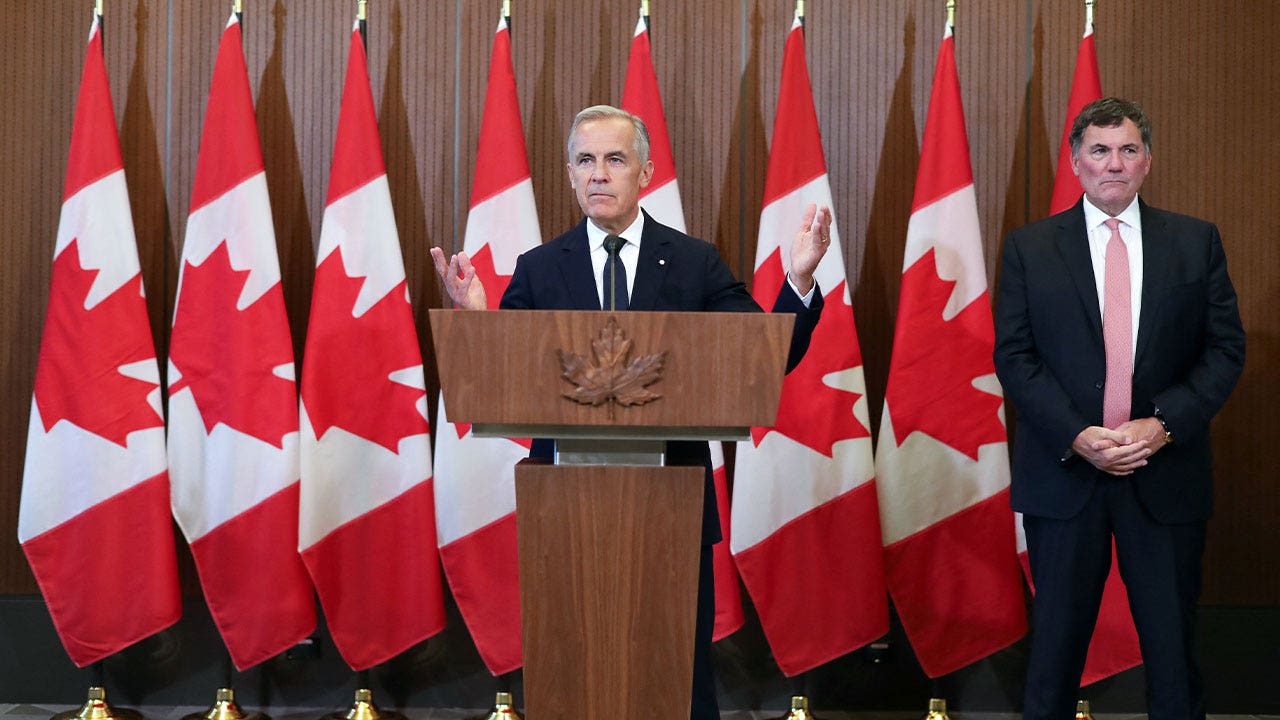
Prime Minister Carney, speaking at a press conference in Ottawa on Saturday morning, stated that he rejected the final terms due to last-minute American demands that would have undermined Canada’s sovereignty.
"They asked too much, and they offered too little."
— Sky News (@SkyNews) August 22, 2026
Canadian Prime Minister Mark Carney has announced the country will match 50 percent tariffs from Washington 'dollar for dollar' after trade negotiations with the U.S. broke down.https://t.co/1zh7ZtHgps
📺 Sky 501, Virgin 602 pic.twitter.com/b10uBLpBlf
We were not prepared to compromise Canada’s sovereignty or undermine our key industries…The United States asked for too much and offered too little.
Carney told reporters.
According to Carney’s office, the problematic US demands included:
- Restrictions on independent trade agreements: Last-minute clauses that would have limited Canada’s ability to independently sign trade agreements with other nations
- Reduced tariff relief for Canadian vehicles: Terms that would have cut the promised tariff reductions on Canadian-made automobiles
- Weakened cultural and language protections: Provisions that would have weakened existing protections for Canadian language, culture, and sovereignty
Carney’s statement released late Friday evening was blunt: “Canada is suspending trade negotiations with the US and has directed Canada’s negotiators to return to Ottawa.”
The Tariff Battlefield: What’s Being Hit
US Tariffs on Canadian Goods
The 50% tariffs that took effect at 12.01am Saturday cover approximately $20billion to $28billion in Canadian exports, representing roughly 5-5.5% of total Canadian goods exported to the United States last year.
Targeted sectors include:
- Alcohol: Beer, whiskey, wine, and other spirits
- Sports equipment: Hockey sticks and other hockey equipment
- Building materials: Cement, wood products, plastic flooring
- Manufactured goods: Furniture, textiles, electronic equipment
- Food products: Cheese and other dairy items
- Industrial materials: Paper and pulp products
Canadian retaliation
Prime Minister Carney announced that Canada’s dollar-for-dollar counter-tariffs will kick in the Tuesday after Labour Day (8 September), focusing on key US export sectors.
For over a year, Canada has worked intensively and in good faith with the United States to negotiate a new comprehensive trade deal. We have been pragmatic, patient, and persistent. Our goal has always been to get the best deal for Canadians, never a deal at any price or on any…
— Mark Carney (@MarkJCarney) August 22, 2026
Targeted sectors include:
- Metals: Steel and aluminum
- Agriculture: Dairy products and agricultural equipment
- Manufactured goods: Home appliances and electronics
- Industrial materials: Pulp and paper
These tariffs will be concentrated in sectors such as steel, dairy, appliances, agricultural equipment, pulp and paper, and electronics…
PM Carney announced.
This will also include products currently subject to the unjustified Section 232 and 338 tariffs.
Core disputes: What went wrong
1. Market Access and Discriminatory Rules
The Trump administration cited discriminatory Canadian rules against US alcohol, auto parts, and dairy products as justification for the tariffs. US officials have long complained that Canadian provincial liquor boards and dairy quota systems unfairly restrict American market access.
Canada had offered some concessions as part of the failed deal, including removing its retaliatory measures from last year and returning US alcohol to Canadian shops. However, these concessions were not matched by what Canadian officials considered “sensible economic terms” for core industries.
2. The Auto Industry Impasse
The automotive sector emerged as a critical sticking point. While the US offered to lower auto tariffs from 25% to 15%, Canadian industry analysts noted this rate would still leave local assembly plants entirely unprofitable.
US Trade Representative Greer told The New York Times that the deal would have cut the “majority” of Canadian steel exports to a 25% tariff up to a quota, with anything above that remaining at 50%. The US would have lowered the aluminum tariff to 25% without a quota and cut the tariff on passenger vehicles.
However, talks were particularly bogged down on a dispute over tariff treatment of medium and heavy vehicles, on which the US was resisting cutting tariffs, according to Ambassador Wiseman.
3. Internal Trump Administration turf wars
Canadian leaders, including Prime Minister Carney, pointed to turf wars within the Trump administration over who controlled key pieces of the deal. Politico reported that internal disagreements between different US agencies and officials contributed to the last-minute changes that scuttled the agreement.
Economic impact: What experts are saying
Limited scope, significant symbolic damage
While the tariffs cover only about 5% of total Canadian exports to the US, trade experts warn that the heavy penalties will severely test both economies and could lead to job losses and business closures in affected sectors.
“The tariffs, which do not qualify for preferential treatment under the US-Mexico-Canada free-trade agreement, open up some already vulnerable sectors to potential severe damage,” noted one trade analyst.
Political fallout greater than economic
The Guardian reported that while the collapse could lead to job losses, the biggest impact on traditional allies is expected to be political rather than purely economic.
The ongoing conflict casts a dark shadow over the future of the North American trade pact (USMCA). Donald Trump previously refused to renew the pact after Canada and Mexico requested a 16-year extension, raising questions about the long-term stability of North American trade relations.
What comes next
No off-ramp in sight
US Trade Representative Jamieson Greer confirmed that no additional negotiation sessions are scheduled, leaving both sides to prepare for an extended period of reciprocal tariffs.
When asked by reporters on Saturday whether there was any possibility of resuming talks, Carney’s answer was direct: “‘No,’ is the short answer. We clarified what was on offer and were continually disappointed by the answers.”
Regional implications
Mexico, which does significant business with both Canada and the United States, could be caught in the crosshairs of the escalating dispute. The breakdown raises broader questions about the future of North American economic integration and the stability of supply chains that span all three countries.
Timeline to watch
- Now: US 50% tariffs on $20billion to $28billion Canadian goods in effect
- 8 September 2026: Canadian retaliatory tariffs take effect
- Post-Labour Day: Canada to release full details of tariff measures
- Uncertain: US has pledged to escalate if Canada proceeds with retaliation
Background: How we got here
The current crisis follows a temporary reprieve granted on 19 August, when President Trump announced a three-day pause in the tariffs after the sides reached a deal “subject to finalization of documents.” That pause was set to expire on 22 August, creating the midnight Friday deadline that ultimately passed without agreement.
Prime Minister Carney had acknowledged from the beginning of negotiations that “America has changed, and that we will not return to our old relationship,” noting that the US is “altering all its trade relationships” and “putting tariffs on its closest allies and charging for access to its vast market.”
His government’s stated objectives throughout the negotiations were to:
- Preserve tariff-free access to the US for the vast majority of Canadian businesses
- Protect small and medium-sized businesses by removing the imminent threat of new tariffs
- Maintain Canada’s flexibility, independence, and sovereignty
With all three objectives now in jeopardy, Canada and the United States face an uncertain economic future as the world’s largest bilateral trading relationship enters a new phase of confrontation.