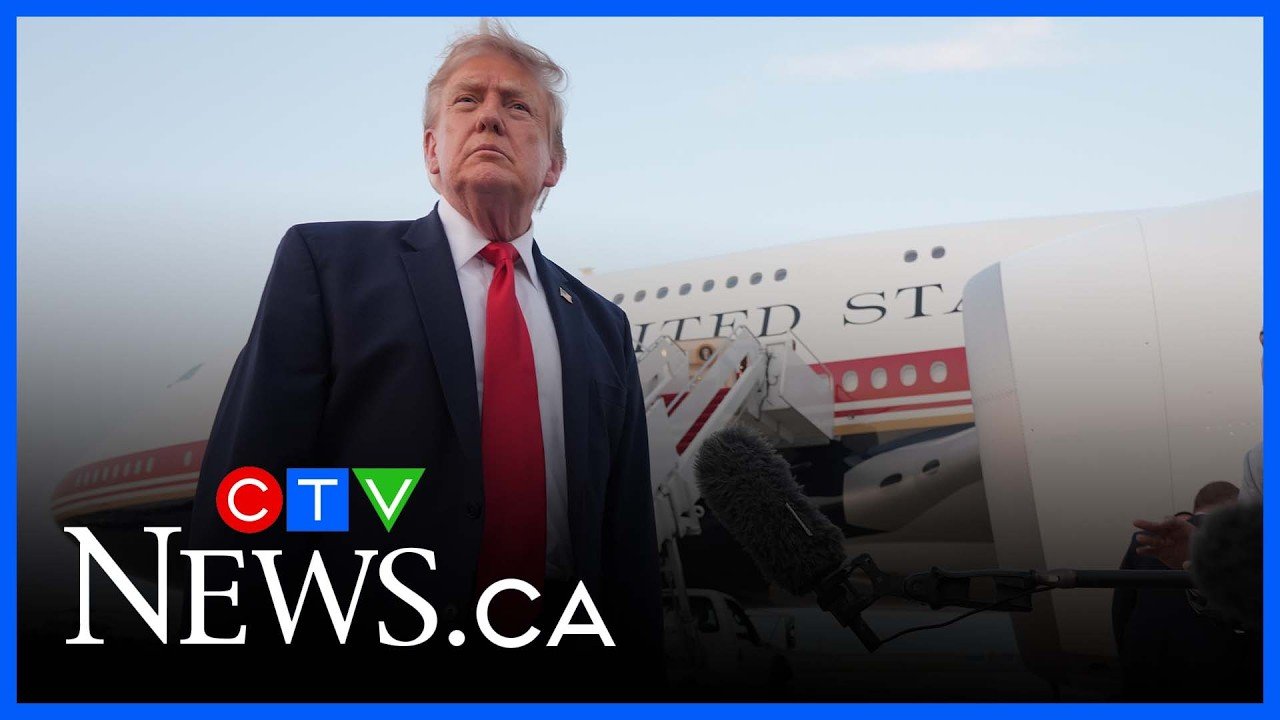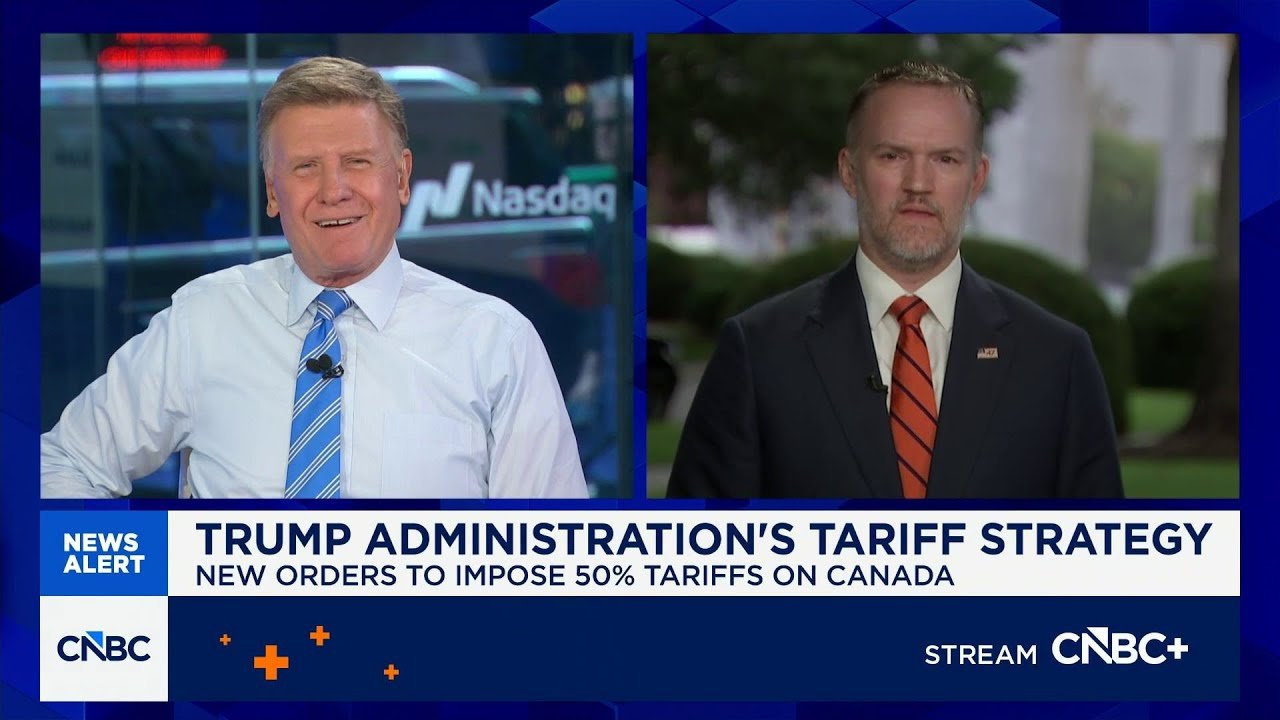






In a move that has sent shockwaves through North American trade relations, President Donald Trump on July 20, 2026, signed executive orders imposing 50% tariffs on a wide range of Canadian goods, citing what his administration calls “discriminatory treatment” of US products.
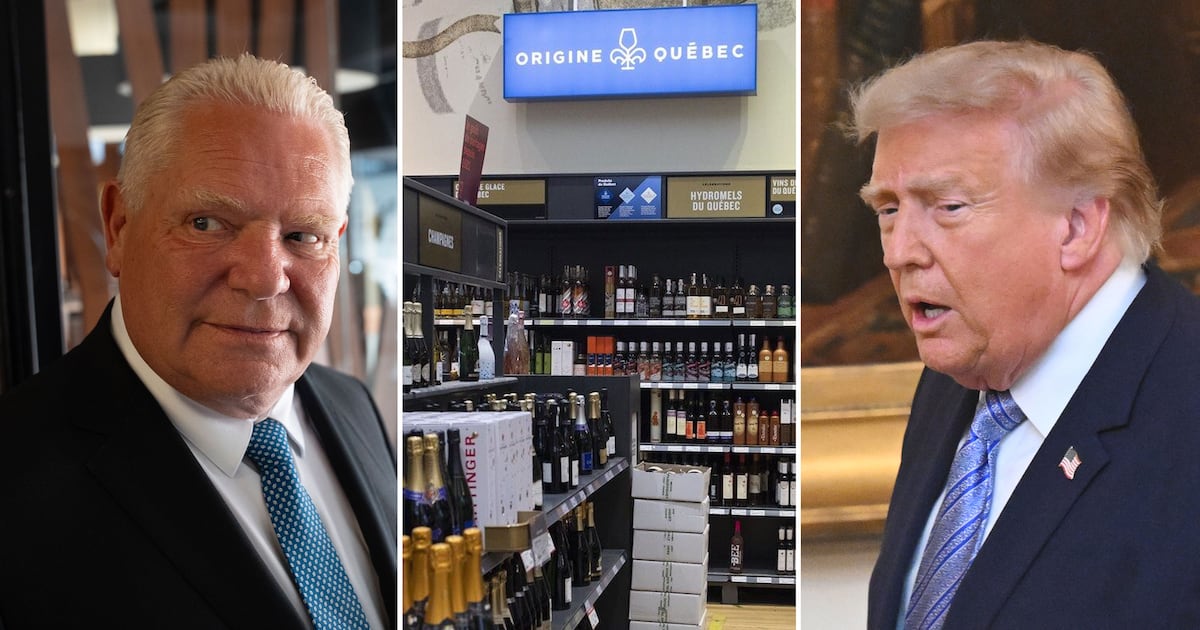
The tariffs, set to take effect on August 19, 2026, target roughly $20billion to $28billion worth of Canadian exports, including wine, hockey sticks, cement, dairy, clothing, and furniture, while exempting oil, gas, and critical minerals.
The legal gambit: Section 338 of the Tariff Act
Trump invoked Section 338 of the Tariff Act of 1930, an obscure and untested provision that allows the US president to impose punitive tariffs on countries deemed to be discriminating against American commerce.
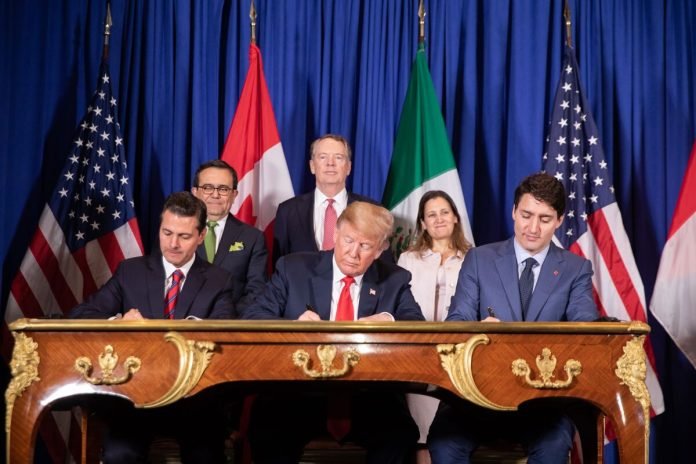
This legal mechanism bypasses the existing USMCA (formerly NAFTA) free trade protections, marking a significant escalation in trade tensions between the two closest economic partners.
What’s at stake for Canada
The tariffs directly target vital non-energy sectors, including agriculture, forestry, manufacturing, and consumer goods, representing about 5.2% of Canada’s total exports to the US.
Economists warn that the 30-day window before implementation has already triggered market uncertainty, with many Canadian firms and households freezing spending in anticipation of higher costs.
Ottawa’s response: Firm but open to diplomacy
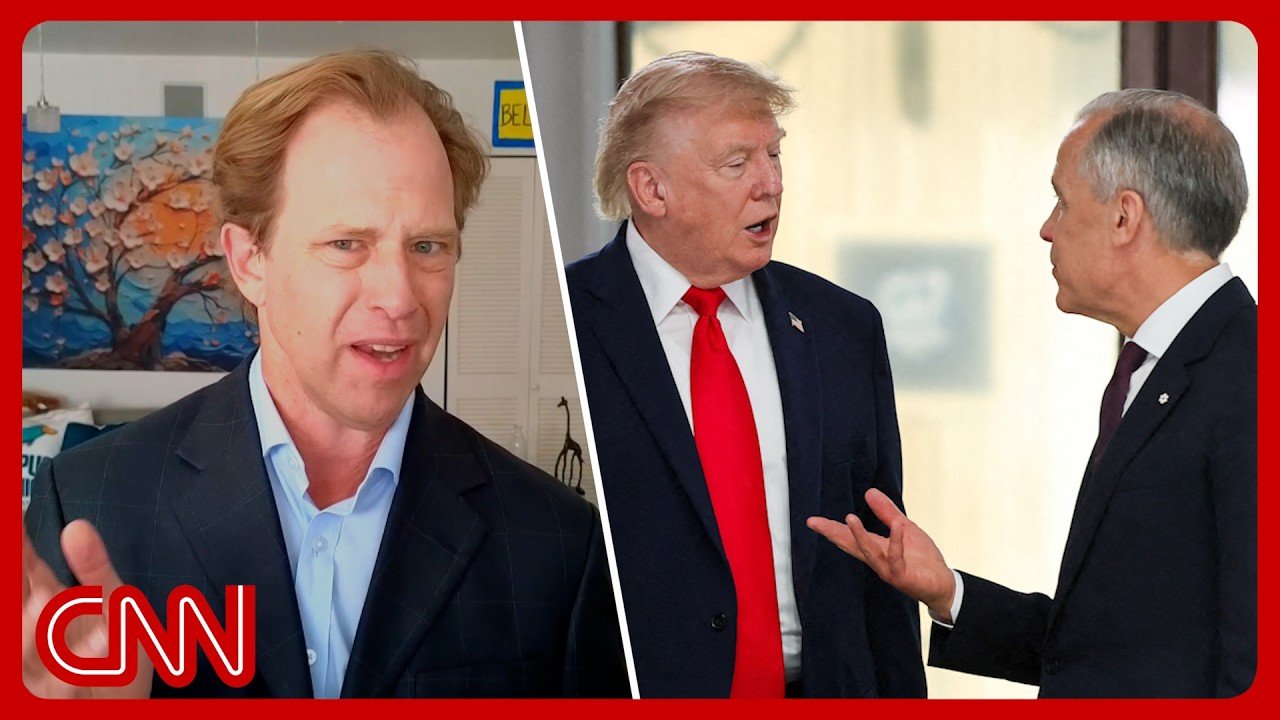
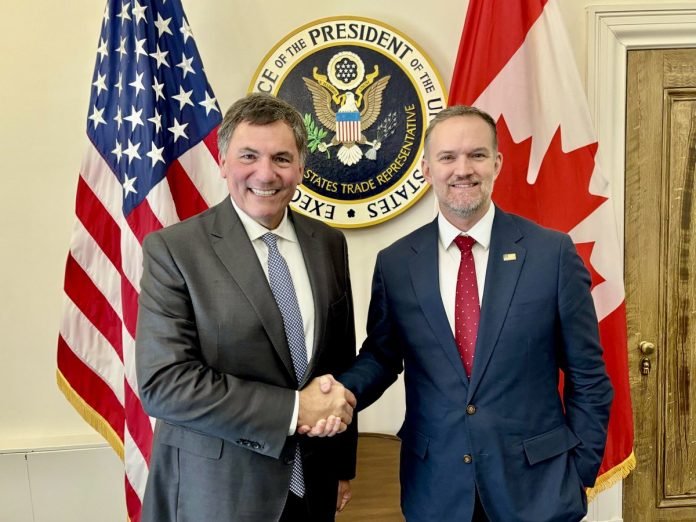
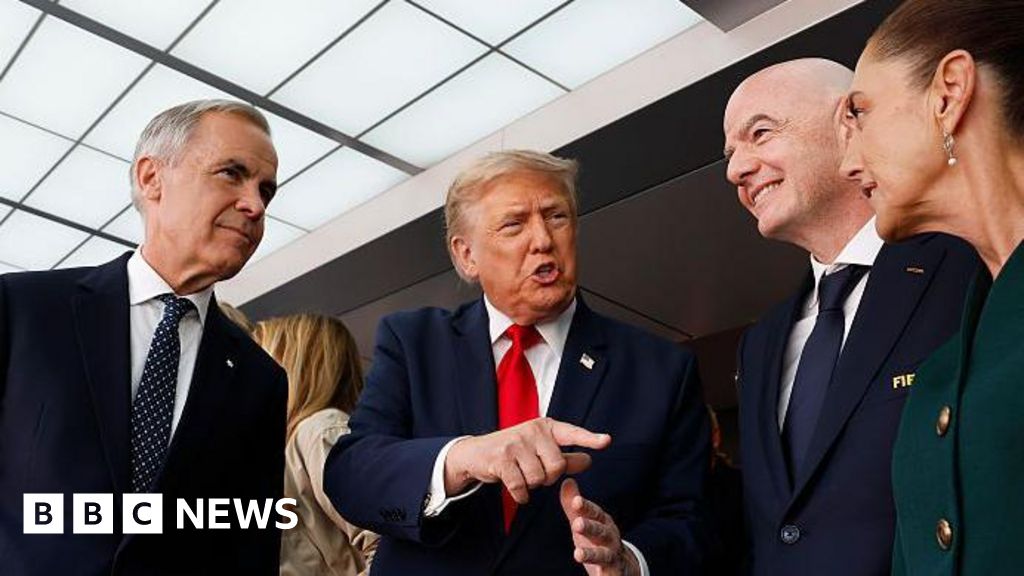
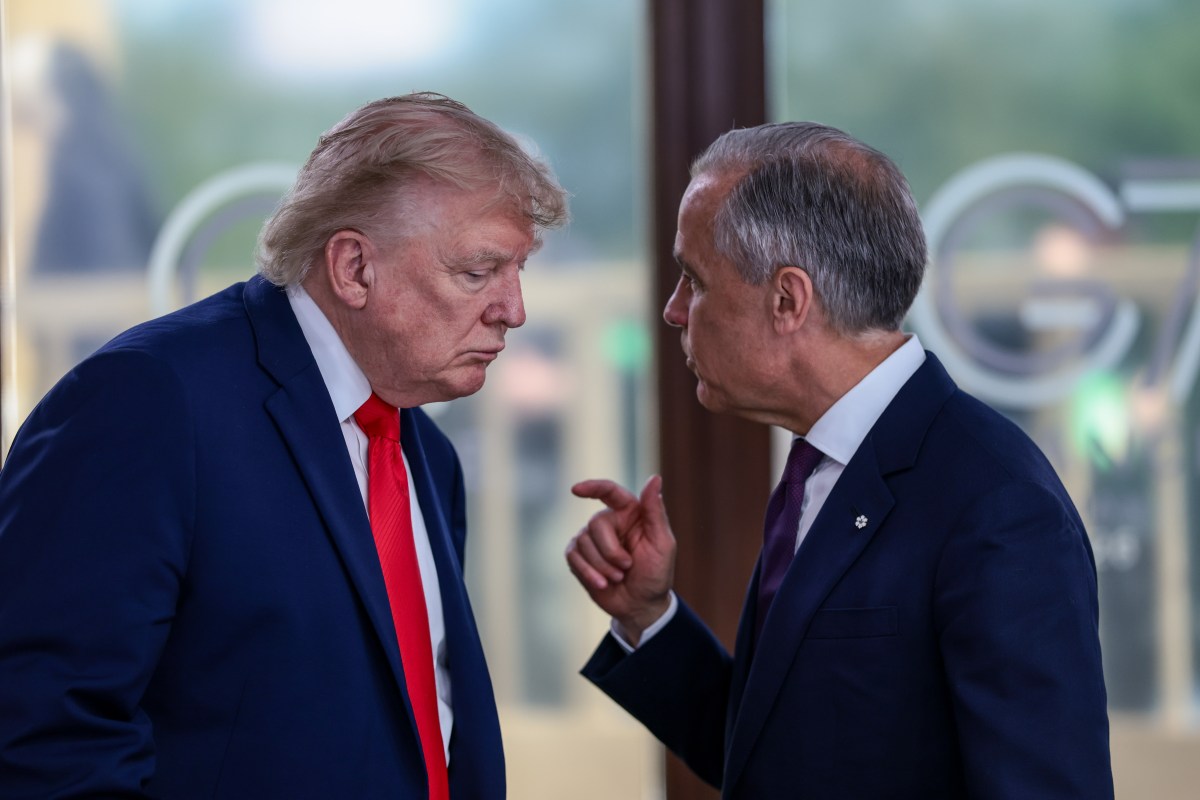
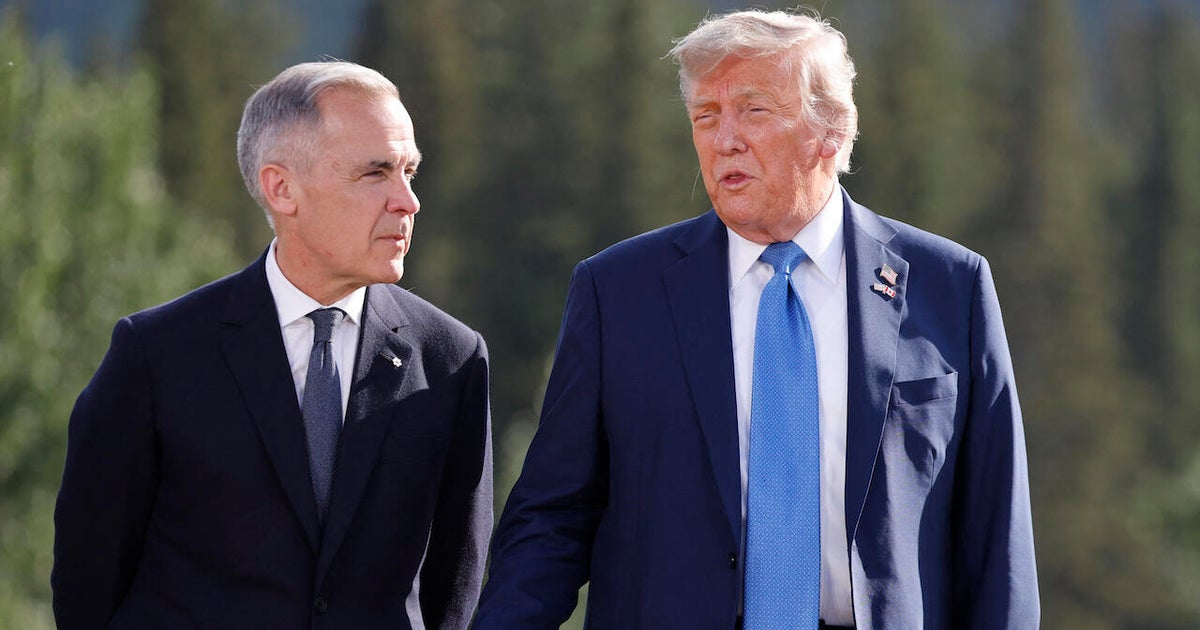
Canadian Prime Minister Mark Carney issued a measured but firm response, condemning the tariffs as a “direct violation” of the USMCA agreement and vowing that Canada would explore “all options” for retaliation if the duties go into effect. At the same time, Carney confirmed that he and Trump have agreed to “intensify” and accelerate trade negotiations over the coming weeks in hopes of reaching a resolution before the August deadline.
Carney pushed back against White House claims of Canadian discrimination, arguing that Ottawa had “merely matched” US measures to protect its own industries and that Trump’s trade disputes have “raised costs for families, particularly in the US”.
What’s exempt—and why it matters
Notably, the White House explicitly exempted oil, gas, critical minerals, potash, and fish from the new tariffs, shielding Canada’s most lucrative export sectors from immediate damage. This carve-out suggests the administration is aiming to pressure specific Canadian industries while avoiding outright economic warfare that could backfire on US consumers and energy markets.
What comes next
With the clock ticking toward August 19, all eyes are on the accelerated trade talks between Washington and Ottawa. Carney has signaled that Canada will not make concessions — such as ordering provinces to lift bans on US alcohol — unless the US eases its existing tariffs.
The outcome of these negotiations will not only determine the fate of billions in bilateral trade but also set a precedent for how the Trump administration wields its tariff powers in the years ahead.