




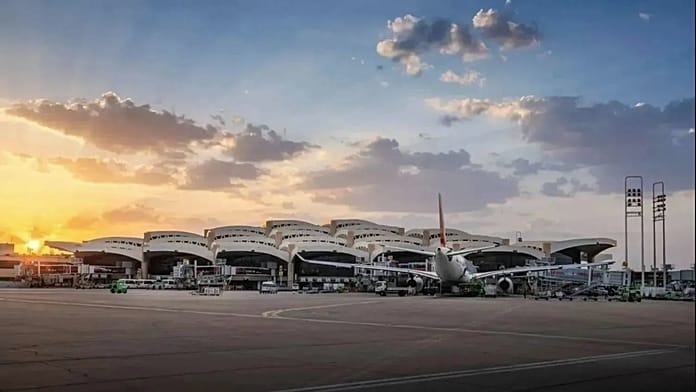



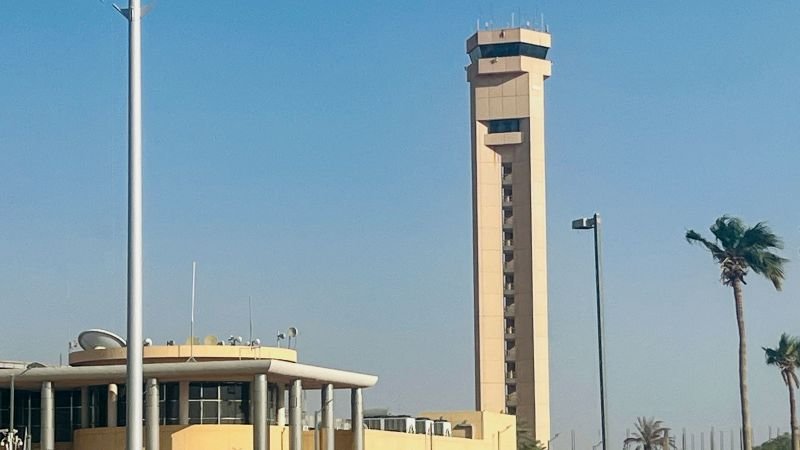
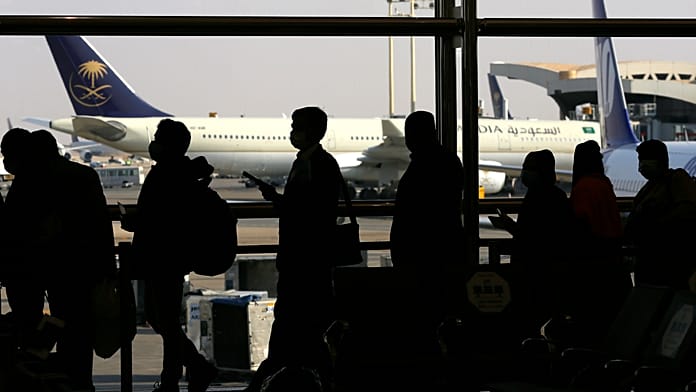
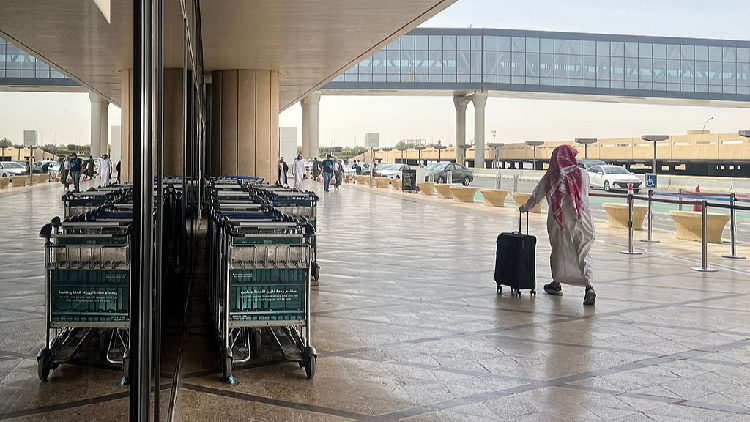



At least 14 people were killed in attacks on Riyadh’s King Khalid International Airport over October 10 to 11, Saudi authorities said, as Yemen’s Iran-aligned Houthis expanded a campaign against Saudi airports and infrastructure. More than 300 people were injured in Saturday’s attack, while a second strike on Sunday killed a Pakistani resident and wounded 11 others.
The attacks disrupted operations at one of Saudi Arabia’s main aviation gateways and prompted warnings to airlines and travellers. They also raised the prospect of deeper US involvement in the conflict, with President Donald Trump saying Washington was considering joining Saudi military operations against the Houthis.
Passenger terminal struck again
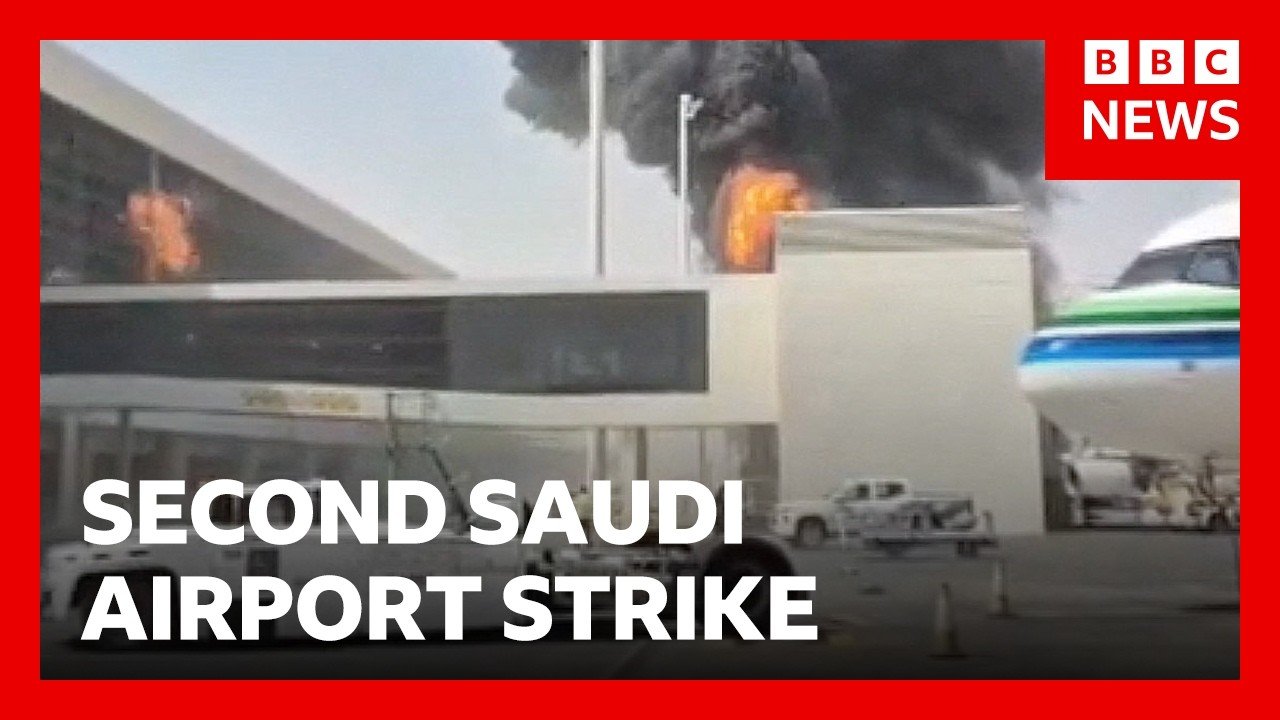
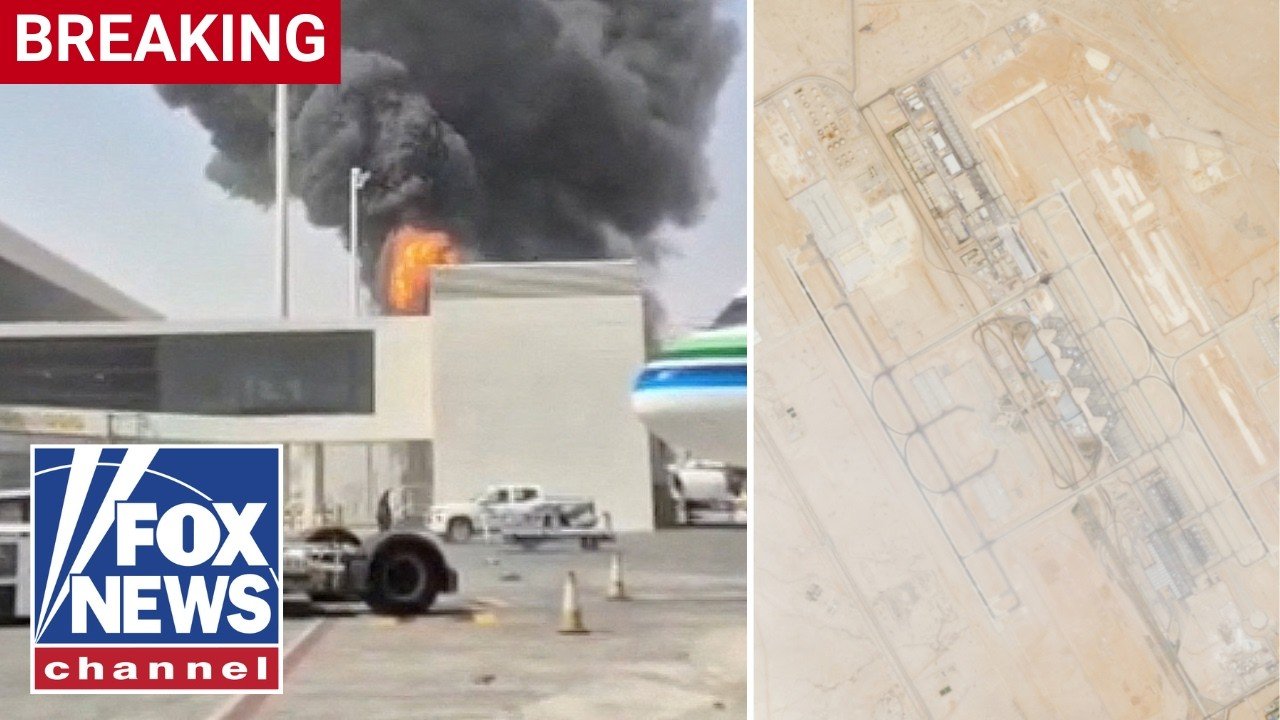
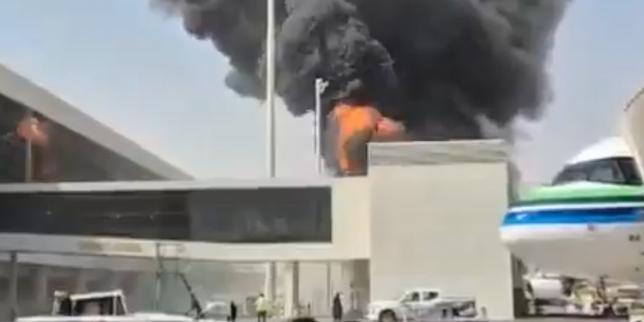
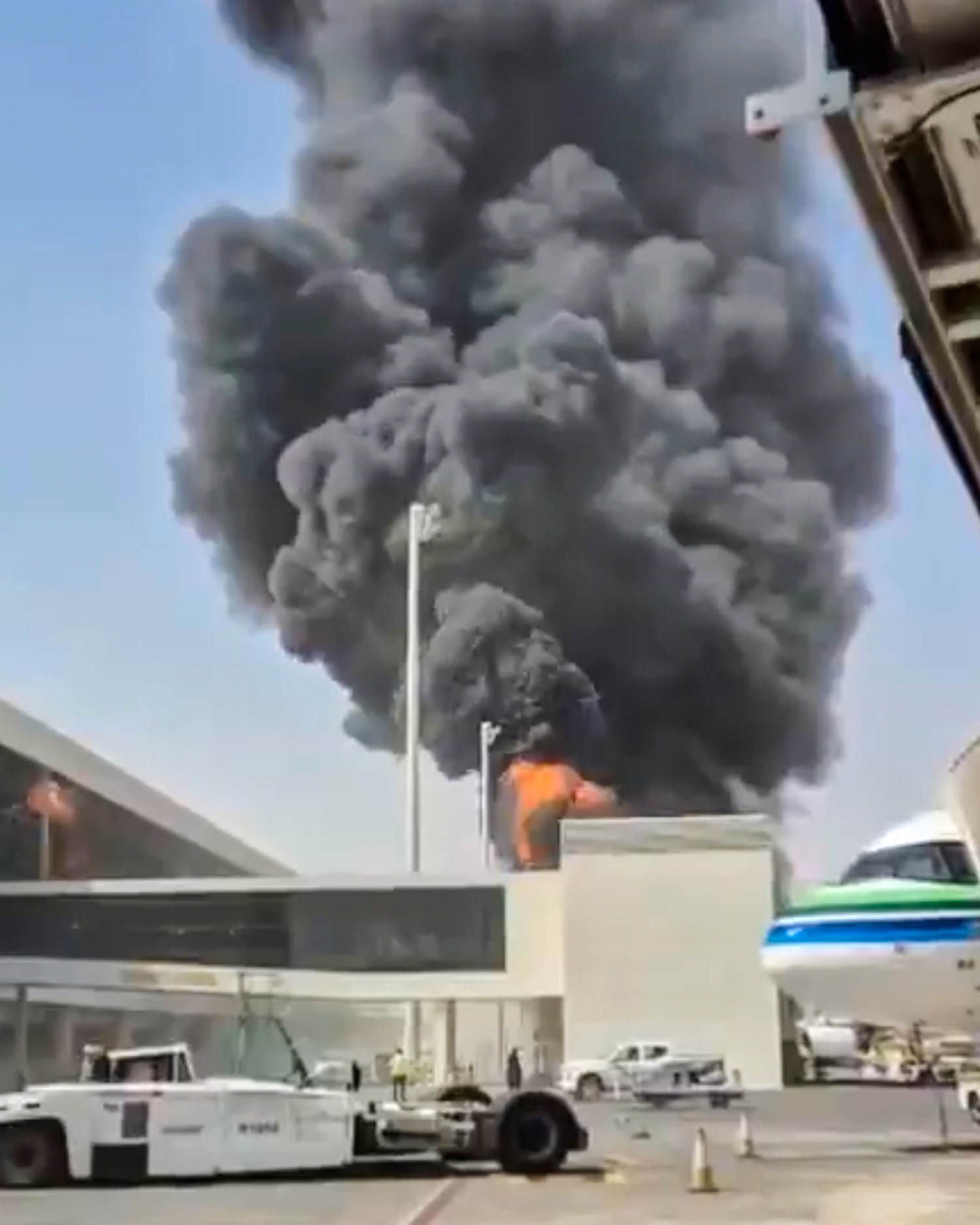
Saudi-led coalition spokesman Maj Gen Turki al-Maliki said an unidentified projectile struck Terminal 4 on Sunday, October 11, causing a fire in a passenger hall. Saudi Arabia’s General Authority of Civil Aviation confirmed one death and 11 injuries and said authorities were assessing damage and checking the safety of airport facilities.
The coalition separately reported intercepting a cruise missile near the airport. The reports did not establish whether the projectile that struck the terminal was connected to that interception. Airport operations remained suspended on Sunday, according to NBC News.
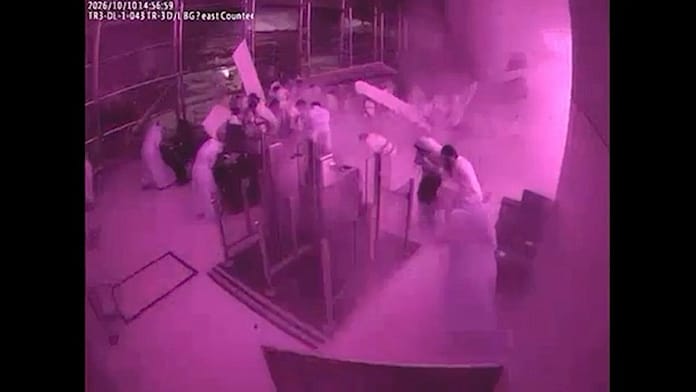
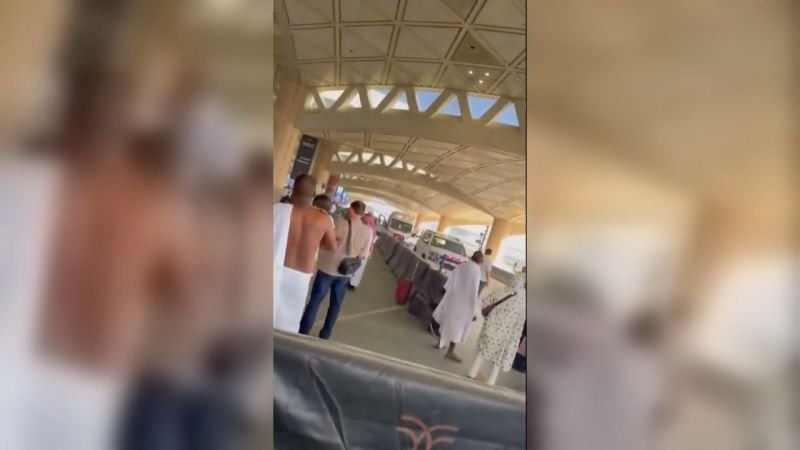
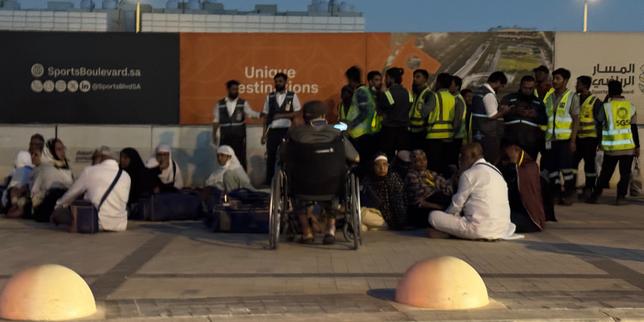
The latest strike came a day after an attack killed at least 13 people and injured more than 300. Saudi state television footage described by Reuters showed religious pilgrims waiting at a gate before a bright orange flash sent people fleeing. Parts of the roof appeared to collapse.
Those killed in Saturday’s attack included four Saudi citizens, two Bangladeshis and one person each from the United States, Egypt, Jordan, Palestine, Syria and Sudan. India’s embassy said on Sunday that an Indian national wounded in the attack had died, bringing the reported total for Saturday to 13.
Published injury figures differed slightly: the BBC reported 308 people wounded in Saturday’s strike, while NBC News cited 309. Both accounts put the number above 300, with some victims in critical condition.
Houthis warn against using Saudi airports
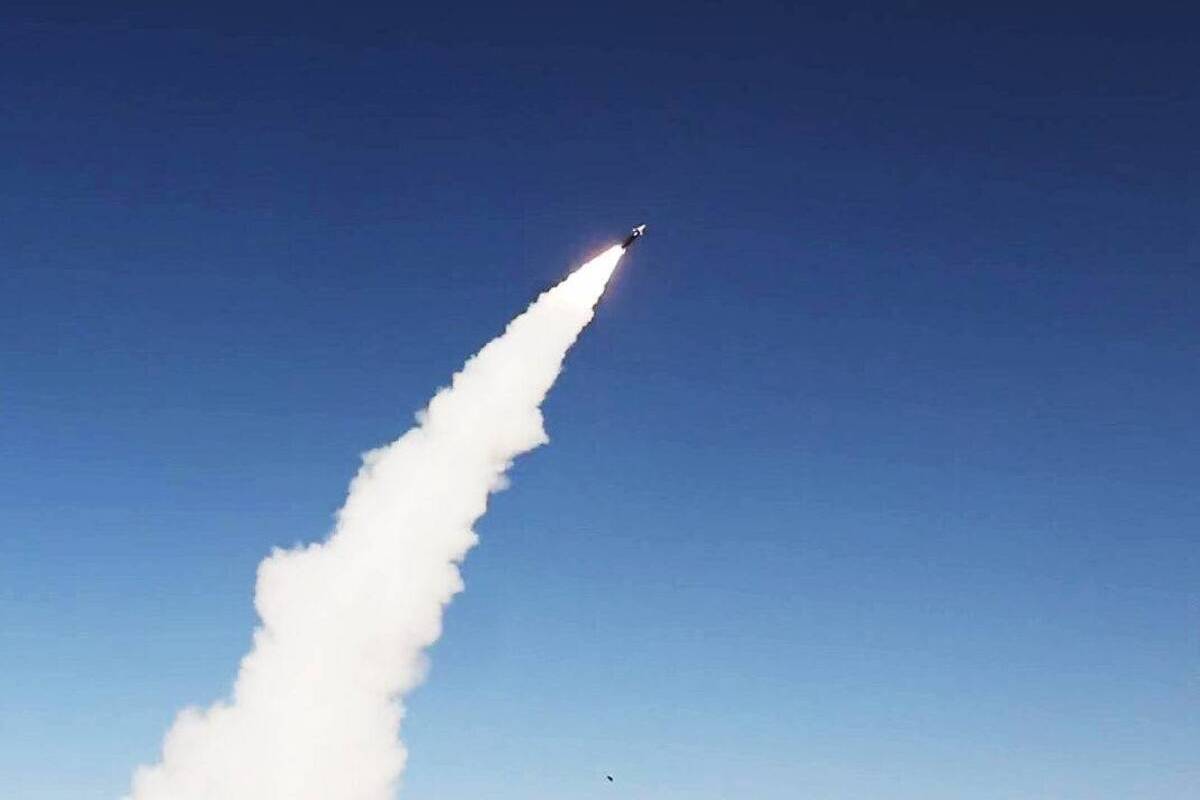
Houthi military spokesman Yahya Saree claimed responsibility for Saturday’s attack in a televised statement on Sunday. He said the group had also targeted Dammam’s King Fahd International Airport and two facilities belonging to Saudi oil company Aramco. The Houthis described their wider operations as involving ballistic missiles, cruise missiles and drones.
Responsibility for Sunday’s terminal strike was less clearly established in the initial reporting. NBC News said the Houthis had not immediately claimed that specific attack, although the group renewed its warning against using Saudi airports.
We urge everyone to take our warnings seriously, and Saudi Arabia bears responsibility for any failed interceptions.
The group said in a statement reported by Reuters
Saudi civil aviation authorities separately confirmed a strike on Dammam airport late on Sunday and said damage assessments and safety inspections were underway. A witness aboard a taxiing aircraft told Reuters that a projectile hit the tarmac near parked planes, starting a fire. The aircraft returned to its gate, and passengers were instructed to disembark and leave.
The claims concerning the two Aramco facilities were not independently confirmed in Reuters’ report. The company and the Saudi government’s media office had not responded to requests for comment.
Travel disruption and international condemnation
The attacks prompted aviation and diplomatic warnings. US aviation authorities advised American airlines to exercise caution when flying to or over Saudi Arabia. Britain’s embassy advised against all but essential travel to Jeddah, Dammam and all Saudi airports except Medina, according to Reuters’ October 11 report.
US Secretary of State Marco Rubio condemned the attacks and confirmed that an American citizen was among those killed. United Nations Secretary-General António Guterres also condemned Saturday’s attack, calling it a violation of international law. The Saudi-led coalition described it as a war crime and pledged a response.
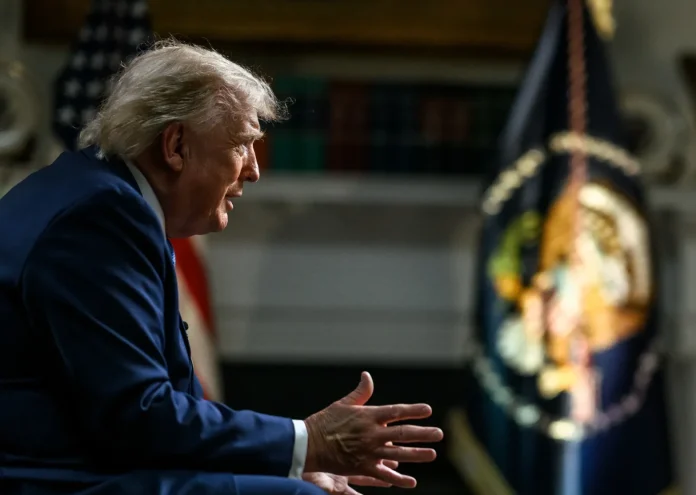
Asked on Saturday whether the United States could join Saudi operations against the Houthis, Trump told reporters: “We may. We’re gonna look at it.” He said a decision would be made quickly, but the reports did not announce a US commitment to intervene.
Iran’s foreign minister, Abbas Araghchi, meanwhile told his Saudi counterpart that Tehran was ready to help facilitate dialogue between Saudi Arabia and Yemen, according to statements reported by the BBC and Reuters.
Renewed fighting in Yemen drives escalation
The airport attacks followed renewed fighting between the Houthis and Yemen’s internationally recognised government, which Saudi Arabia supports. A truce dating to 2022 collapsed in July, and Saudi Arabia subsequently intensified military operations after Houthi forces seized strategic territory along Yemen’s Red Sea coast.
The Houthis said their attacks were a response to Saudi support for Yemeni government forces and Saudi strikes in Yemen, including an attack on Sanaa’s airport. Houthi-run Al Masirah television also reported that a strike on a residential home in Sanaa killed a child and injured six people. The BBC said Saudi Arabia had not confirmed those strikes and that it could not independently verify the report.
Riyadh’s airport had already come under attack earlier in the week, including a Thursday strike that killed three Saudi nationals. Reuters reported that Sunday’s fatality brought the week’s death toll from attacks on the airport to 18, underscoring the widening threat to civilian aviation as the conflict intensified.