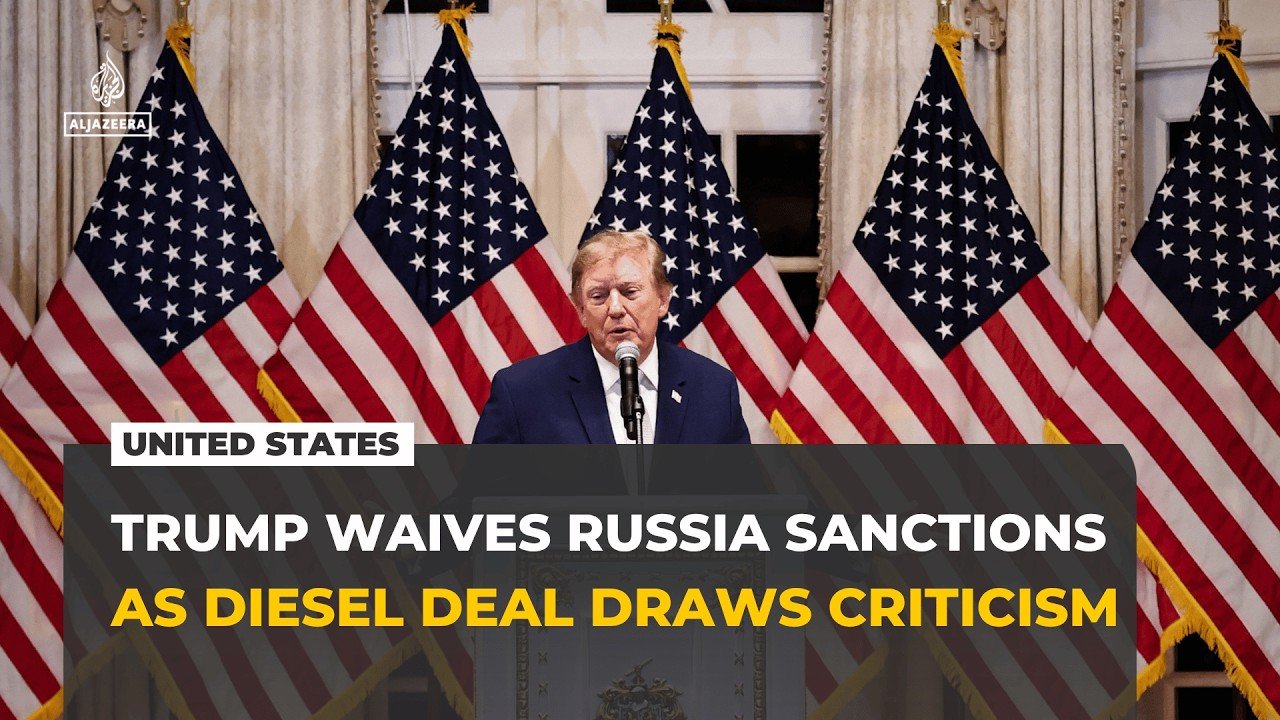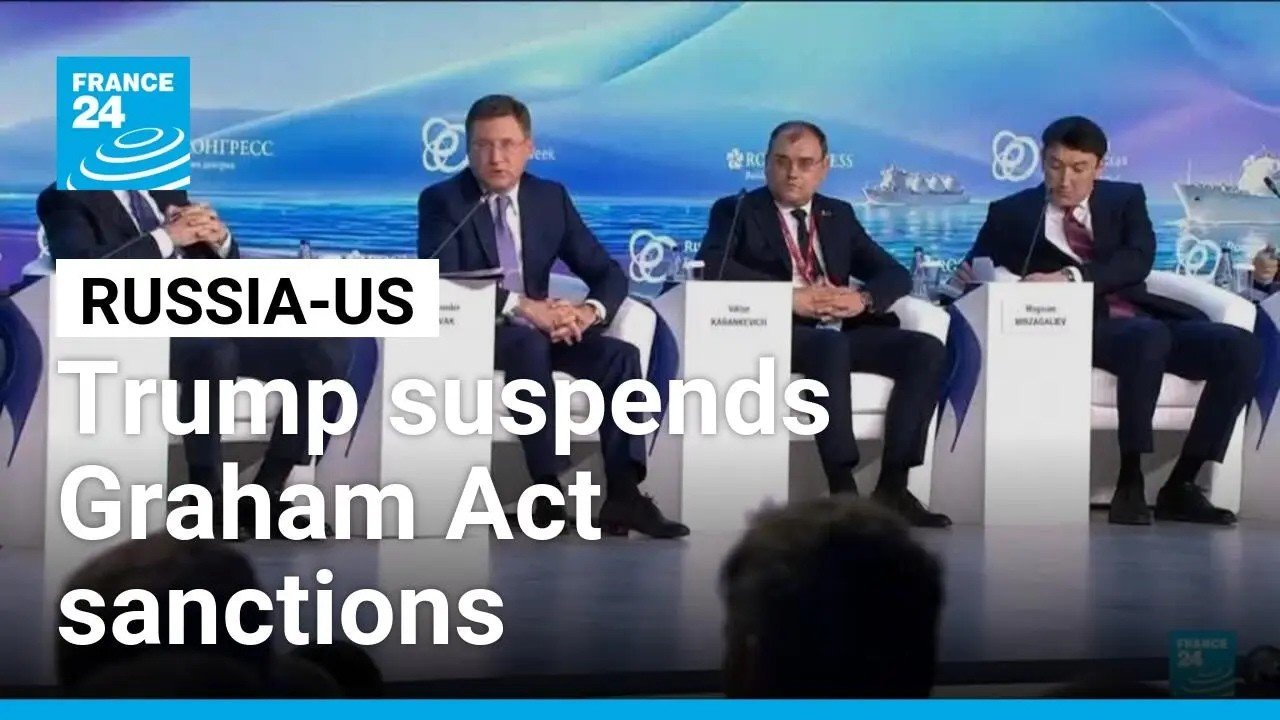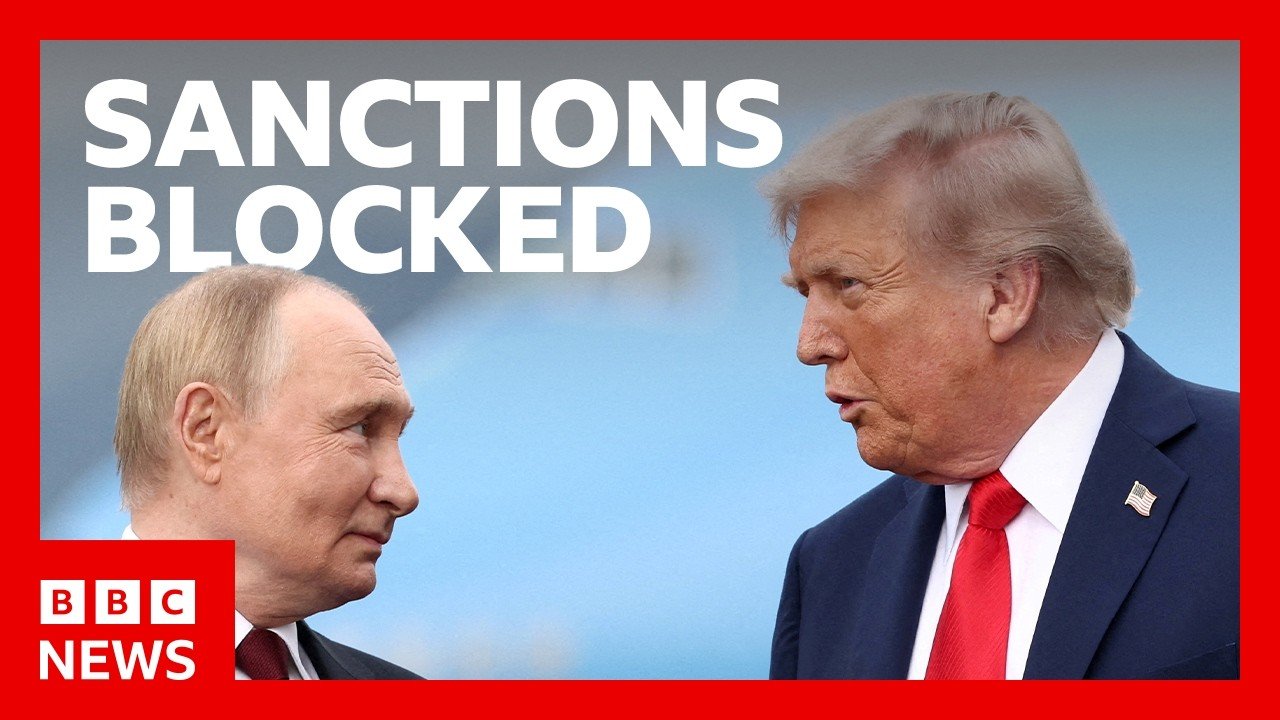









President Donald Trump signed an executive order on October 16 waiving major provisions of a newly enacted Russia sanctions law, drawing criticism from lawmakers in both parties and raising concerns in Kyiv that Washington was easing pressure on Moscow without securing concessions in return.
The decision came two days before new measures under the Lindsey O. Graham Sanctioning Russia and Iran Act of 2026 were scheduled to take effect. The administration defended the move as a way to preserve diplomatic flexibility and assess the sanctions’ economic consequences.
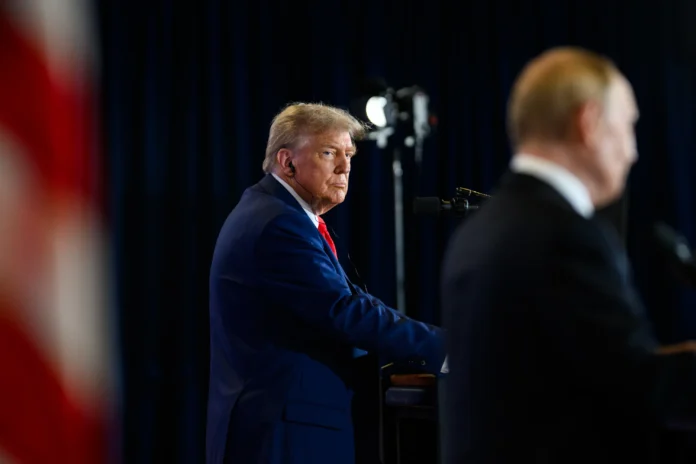
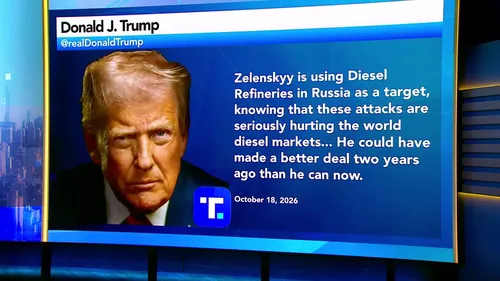
The waiver followed Trump’s separate October 9 diesel agreement with Russian President Vladimir Putin. Although both decisions eased restrictions affecting Russia, they were distinct actions: the earlier arrangement concerned diesel trade, while the October 16 order suspended a broader set of sanctions and trade measures under the new law.
What the new law targeted
Trump signed the Lindsey O. Graham Sanctioning Russia and Iran Act into law on September 18. Its new measures were scheduled to take effect on October 18.
The legislation targeted Russian officials, financial institutions and other entities, including vessels associated with the sanctions-evading “shadow fleet.” It also sought to increase pressure on countries purchasing Russian energy.
Trump’s implementing order, Executive Order 14436, specifies a 500% increase in duties on Russian goods and 100% increases affecting certain major purchasers of Russian oil and gas and facilitators of sanctions evasion. The order then waives those duties alongside numerous sanctions provisions.
What Trump waived—and what remains
Trump invoked the legislation’s national-interest waiver authority after submitting a certification and explanatory report to Congress, according to the executive order.
The decision does not repeal the law or eliminate every existing US sanction against Russia. The order explicitly preserves sanctions imposed under earlier executive orders addressing specified harmful Russian activities.
That distinction matters: the administration suspended major measures associated with the newly enacted legislation, rather than dismantling the entire American sanctions framework.
Is the waiver limited to 60 days?
Secretary of State Marco Rubio described a 60-day period for evaluating the measures’ effects on the American and global economy, the BBC reported.
However, the executive order itself contains no automatic 60-day expiration. It states that the waivers remain in force until the president or designated officials determine that further action is appropriate. The publicly described review period is therefore not the same as a binding deadline for sanctions to resume.
This is a central distinction between the administration’s political explanation and the order’s legal effect: a review can lead to a change in policy, but the passage of 60 days does not itself restore the waived measures.
The administration’s argument
The White House said immediate enforcement could interfere with negotiations to end Russia’s war against Ukraine. A spokesperson told TIME that implementing the new sanctions would impede US efforts to negotiate a durable peace.
The administration also cited economic considerations. Rubio said officials would assess the sanctions’ potential impact on the US and global economy before deciding how to proceed.
Energy specialist Tatiana Mitrova told TIME that avoiding further restrictions on Russia’s energy trade could prevent additional disruption. But she cautioned that a broader sanctions waiver “does not itself create new supply,” distinguishing the suspension of penalties from the delivery of additional fuel.
Bipartisan criticism and Ukraine’s response
The waiver drew criticism from Republican senators as well as Democrats. Texas Senator Ted Cruz called it a mistake, Senator John Cornyn described it as “reckless,” and North Carolina Senator Thom Tillis called it “beyond irresponsible,” according to the BBC.
Zelenskyy argued that the new sanctions could have imposed meaningful pressure on Russia to end the war. The concern in Kyiv is that suspending them reduces the economic costs facing Moscow while Russian attacks continue.
Russia welcomed the decision. Envoy Kirill Dmitriev called the suspension “an important and truly historic moment,” arguing that the measures would have damaged American and global markets.
What the decision means for negotiations
The waiver leaves Washington with the option of changing course, but without an automatic date for the suspended measures to return. Whether that flexibility strengthens US leverage remains the central dispute between the administration and its critics.
For the White House, sanctions relief creates room for negotiations. For Ukraine and lawmakers opposing the move, it grants Russia an immediate benefit before a settlement—or a sustained halt to attacks—has been secured.