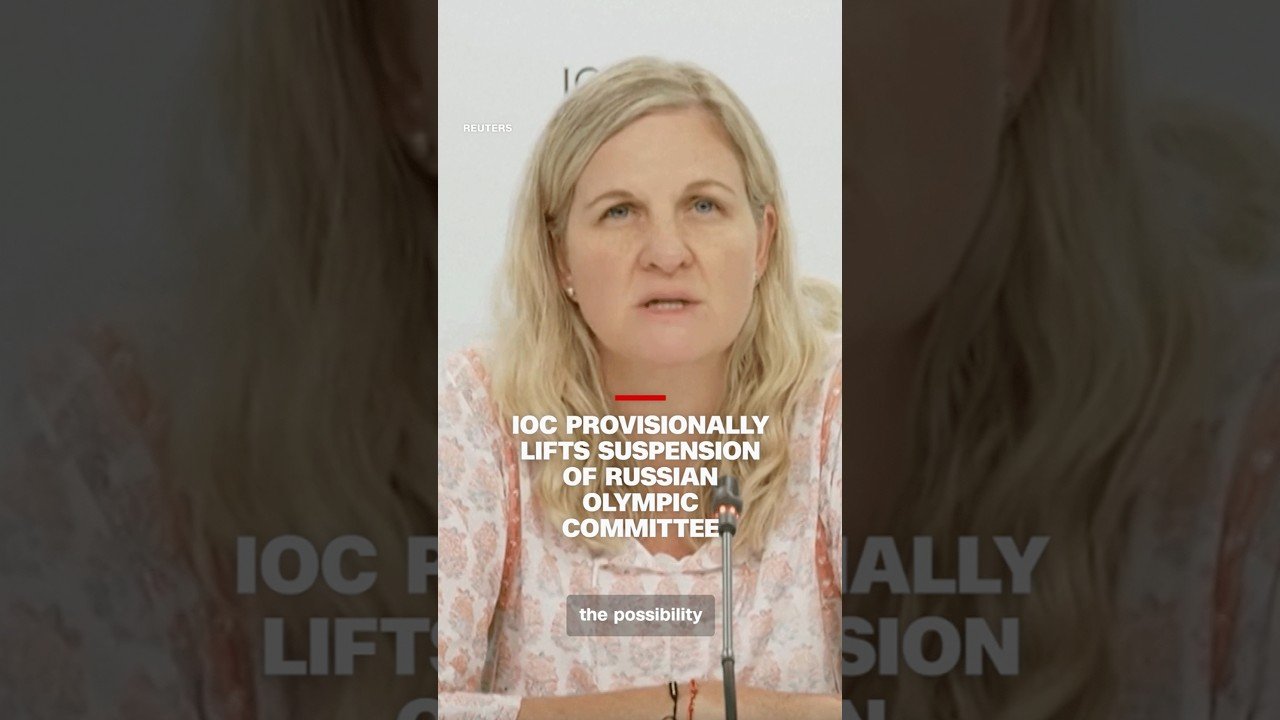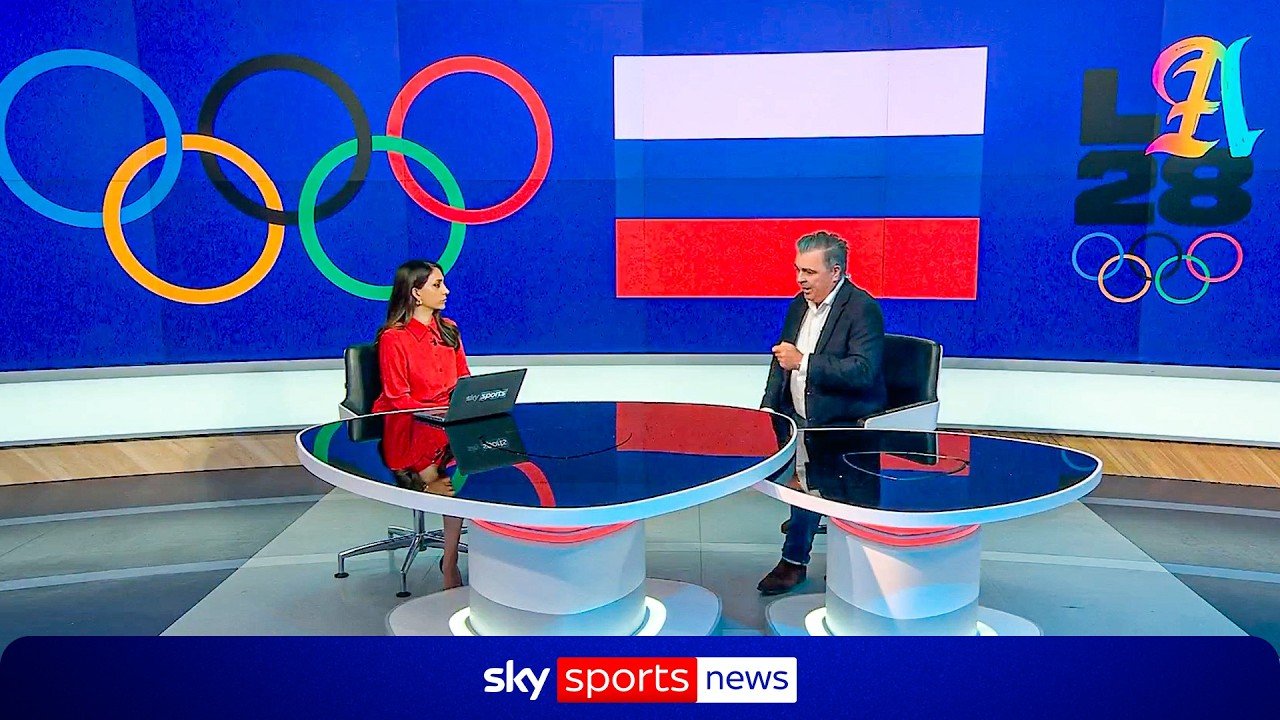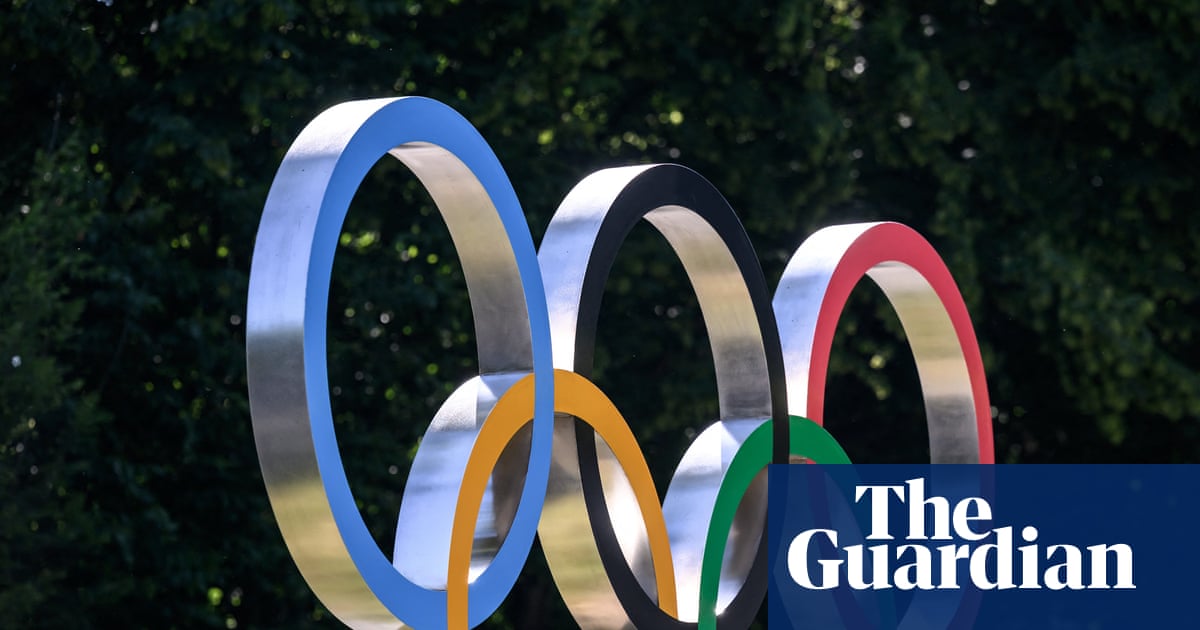



The International Olympic Committee has provisionally lifted its suspension of the Russian Olympic Committee, clearing a potential route for Russian athletes to return to international competition and qualify for the Los Angeles 2028 Olympic Games. As reported by the New York Times, the IOC said the decision is provisional and does not amount to an endorsement of Russia’s war in Ukraine.
The move marks a significant shift in the Olympic body’s approach after the ROC was suspended in October 2023 for incorporating sports organizations from occupied Ukrainian territories into its membership, a step the IOC said violated the territorial integrity of Ukraine’s National Olympic Committee.
The IOC said its Legal Affairs Commission determined that the ROC has since removed those regional organizations from its membership and pledged not to carry out activities in those territories.
What changed
The IOC said its previous recommendations restricting Russian athletes are no longer applicable, which means federations and event organizers now have more room to decide whether Russian athletes can compete in their events. But the IOC stopped short of restoring the full privileges of national participation: it has not yet decided whether Russian athletes can use the flag, anthem, colors, or other national identifiers at the Los Angeles Games.
The committee also said it will not organize events in Russia or invite Russian government or state officials to IOC events. On the anti-doping side, Russian athletes who return will face strict requirements, including multiple tests and oversight under an anti-doping program managed independently through the International Testing Agency.
Federation discretion
The IOC’s decision does not automatically force every sport to readmit Russian athletes. Individual international federations still retain final authority over qualification and participation, which means the practical impact will vary sharply from one sport to another.
That leaves open a fragmented path to Los Angeles 2028. Some federations have already moved toward reinstatement, while others, including World Athletics, have kept their separate bans in place. In practice, Russian athletes may find themselves eligible in some disciplines but excluded in others, depending on each federation’s rules and timing.
Backlash abroad
Ukraine quickly condemned the move, calling it a troubling signal and urging sports bodies and host countries to maintain restrictions on Russian participation and the use of state symbols. Ukrainian officials argued that the IOC was normalizing aggression and ignoring the continued war.
The decision also drew criticism from European officials and clean-sport advocates, who warned that the IOC risks weakening its own standards and sending the wrong message about accountability.
Anti-doping concerns remain a major part of the debate because Russia’s sporting reputation is still shaped by the state-backed doping scandal that triggered years of sanctions.
What to watch next
The biggest unresolved issue is whether Russian athletes will be allowed to compete under national symbols at Los Angeles 2028, or remain limited to neutral status. The IOC has said that decision will come later, meaning the current ruling is best understood as an administrative reopening rather than a full sporting normalization.
A second question is how individual federations respond, especially in sports with strong sanctions already in place. For now, the IOC has opened the door, but it has not fully determined who gets to walk through it.