
Zelenskyy reshuffles government to turn battlefield momentum into political leverage

In this story
Jump to Timeline

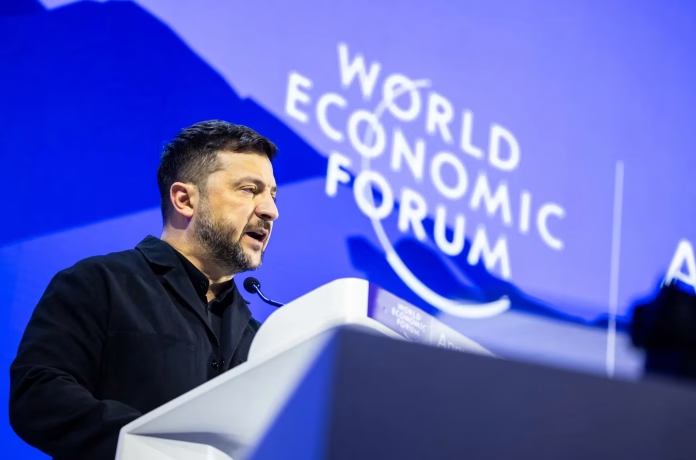
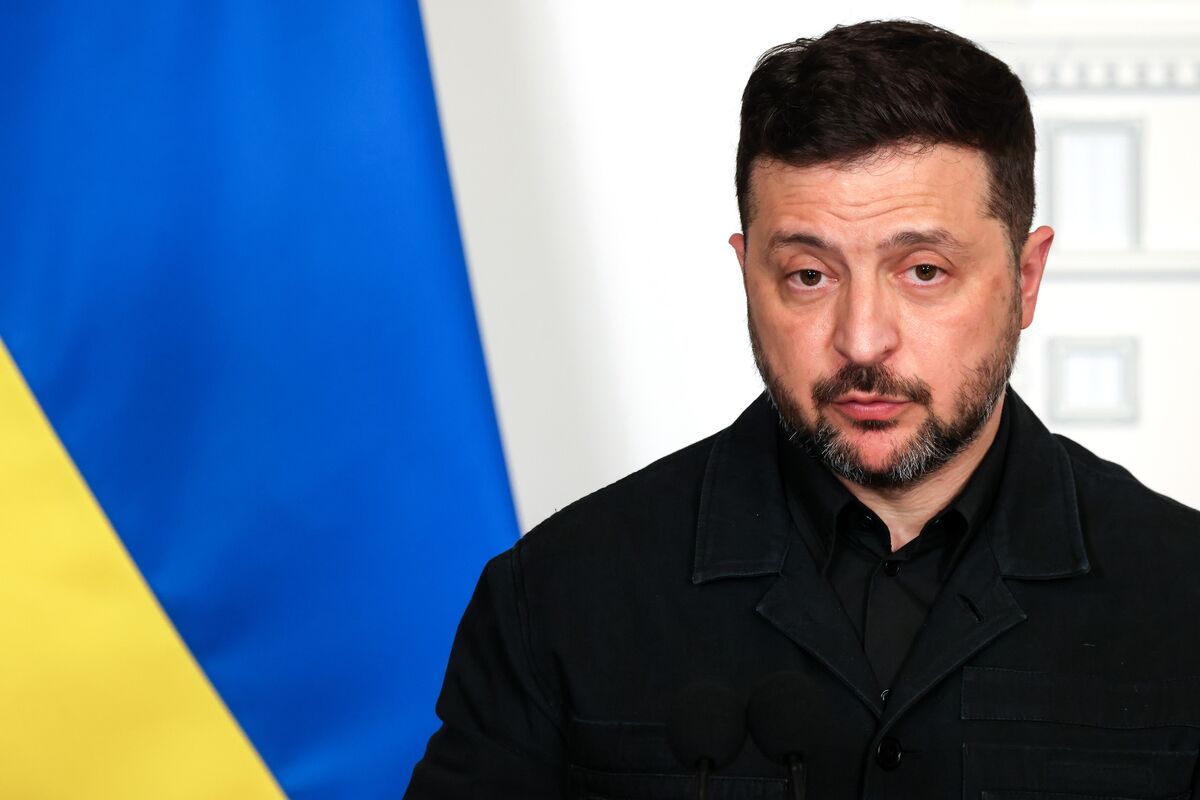
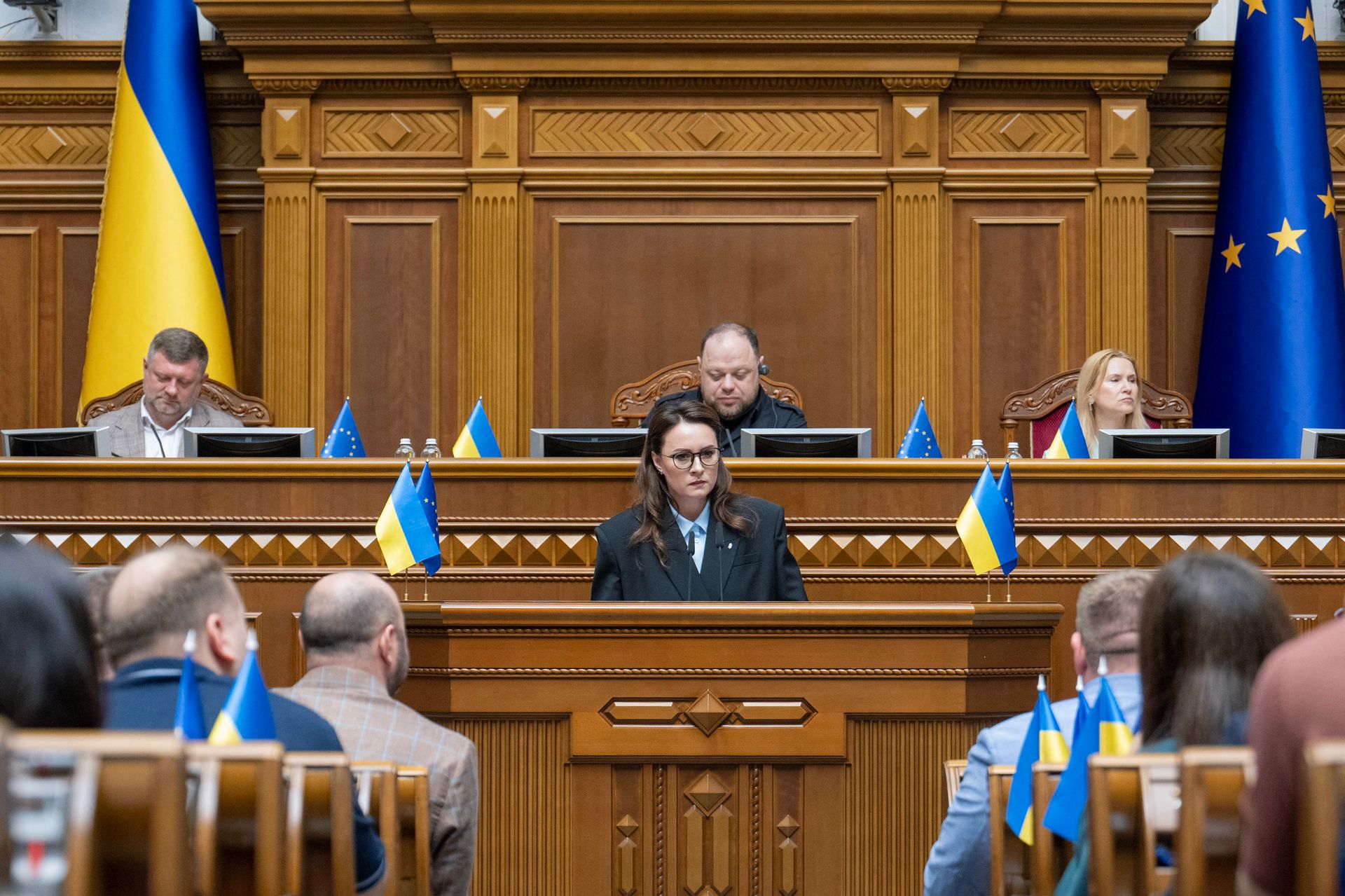
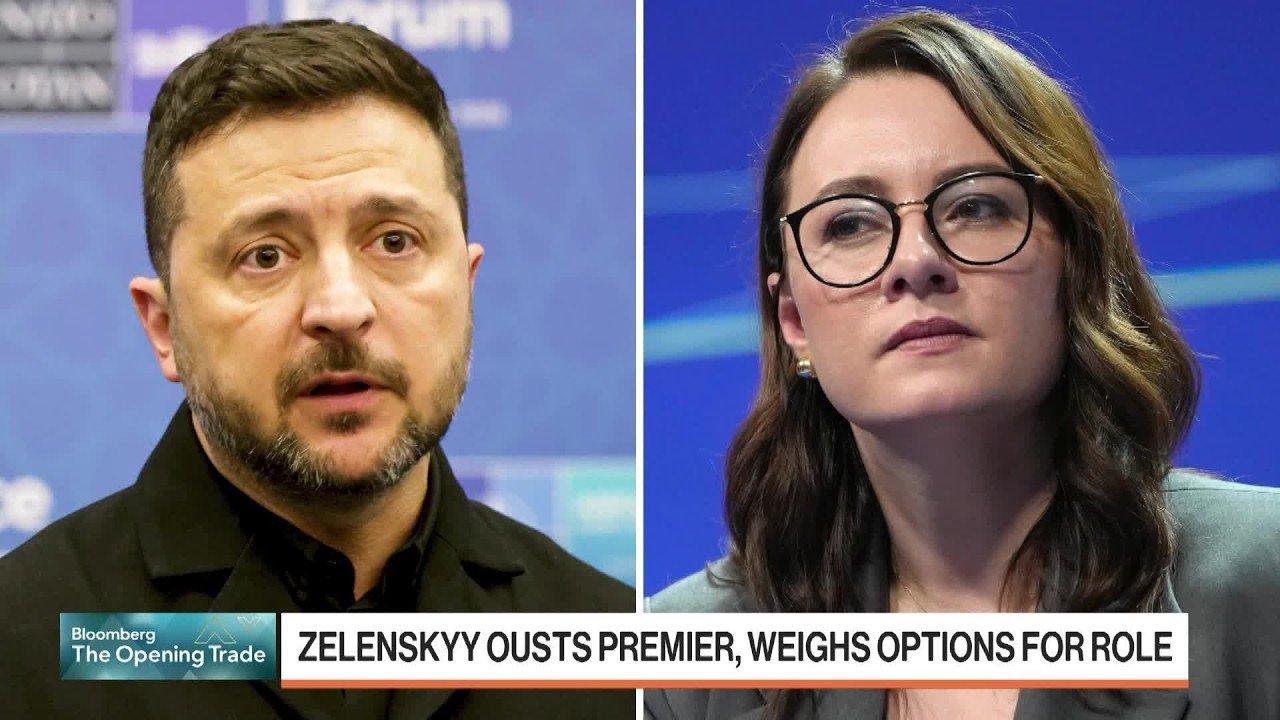
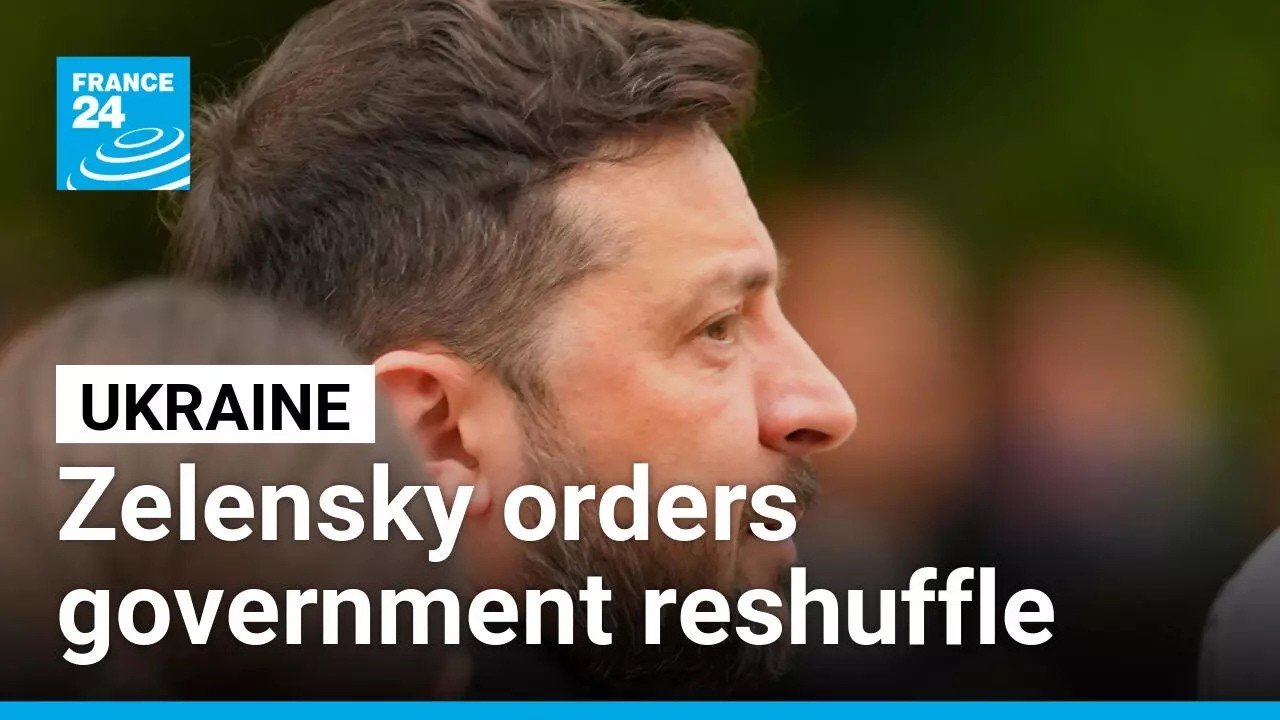
Ukrainian President Volodymyr Zelenskyy has announced a government reshuffle, saying the changes are meant to support an “updated political strategy” as Ukraine adapts to shifting wartime and diplomatic conditions.

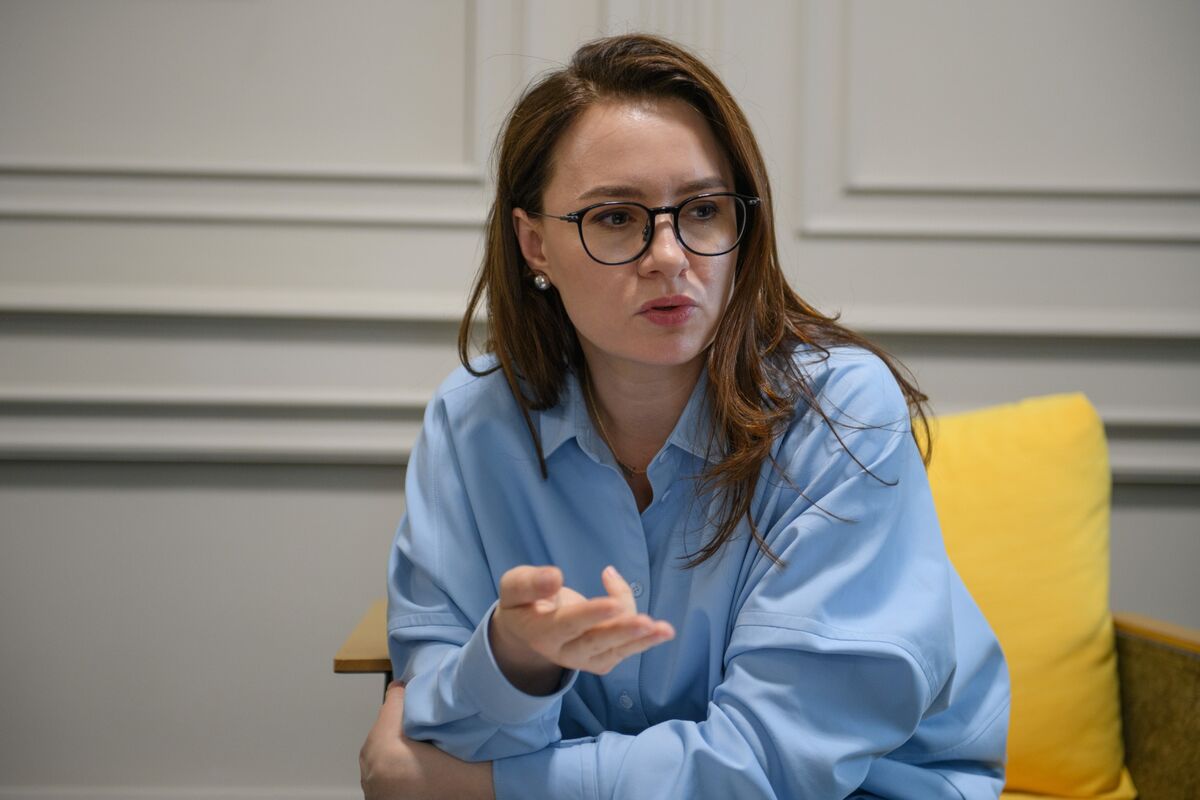
Prime Minister Yuliia Svyrydenko is stepping down after about a year in office, and Zelenskyy has indicated she could take on a new role focused on relations with a key international partner.

As reported by platforms like Euractiv and Radio Free Europe, the reorganization focuses heavily on fine-tuning foreign policy portfolios and addressing domestic pressure points. Zelenskyy has said the overhaul will bring in officials with experience in specific areas such as foreign policy, EU integration, security cooperation, arms procurement and domestic resilience. Reports also say leadership changes are planned for several law-enforcement bodies, underscoring that this is a broader administrative and security reset rather than a single cabinet appointment.

An “updated political strategy”

Zelenskyy described the overhaul as part of an “updated political strategy” and said each foreign-policy priority would be assigned to an official with relevant experience.

Reported priorities include security cooperation, EU accession work, ties with the US and China, and efforts linked to weapons supplies, border stability, state-owned enterprise reform and winter preparedness.

The timing suggests an attempt to tighten executive control while also responding to pressure from the war and from key external partners.

Reporting in The New York Times and other outlets suggests Zelenskyy is using a period of relative battlefield resilience to retool his leadership team, improve coordination across ministries, and position Kyiv more strongly for the next phase of the war and possible negotiations.

Analysts have also said the reshuffle is meant to strengthen Ukraine’s negotiating position and preserve momentum as the conflict enters a more politically sensitive phase.

Previous reshuffles

This is not Zelenskyy’s first cabinet reset. He oversaw a major wartime reshuffle in September 2024, which Reuters described as the biggest government shake-up since Russia’s 2022 invasion, and another overhaul followed in July 2025.

In that 2025 reshuffle, parliament approved Yuliia Svyrydenko as prime minister after Denys Shmyhal resigned, with the new government focused on wartime economic management, domestic weapons production and diplomacy. Reuters also reported that the 2024 shake-up had been in the works for some time before it was carried out.

A wartime reset

Supporters in Zelenskyy’s camp say the latest reshuffle is a wartime reset designed to improve coordination, refresh the government’s image and sharpen its work on diplomacy, security and economic management.

Critics argue the changes may amount to little more than a rotation of familiar figures, and some opposition voices say the move could concentrate more authority in the president’s office while distracting from wartime priorities.

As of now, the reshuffle still needs parliamentary approval. Under Ukraine’s system, the prime minister’s resignation triggers the resignation of the full cabinet, after which the Verkhovna Rada must confirm the new lineup.
youtube placeholder image

Trump and Putin agree to direct US–Russia talks after envoy shuttle diplomacy

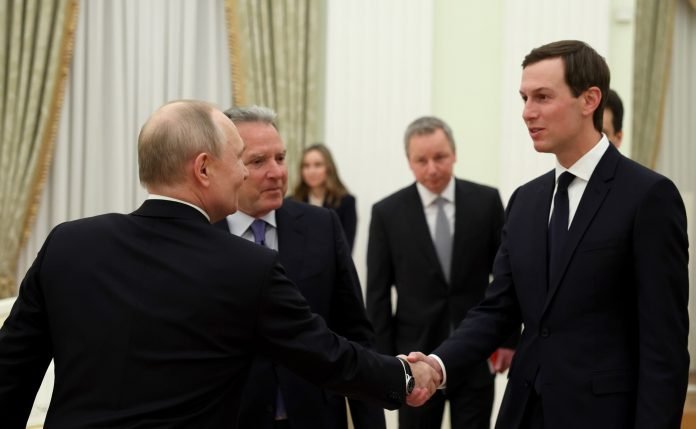
Trump and Putin agree to direct US–Russia talks after envoys shuttle between Moscow and Kyiv; peace plan stalls on territory and security guarantees.
Read more

Trump meets Zelenskyy and Netanyahu before Lindsey Graham funeral

The overlap highlighted Graham’s standing as a longtime foreign-policy hawk, bringing together leaders tied to two of the world’s most consequential conflicts.
Read more

Zelenskyy meets Burnham in Portsmouth as UK doubles down on Ukraine support

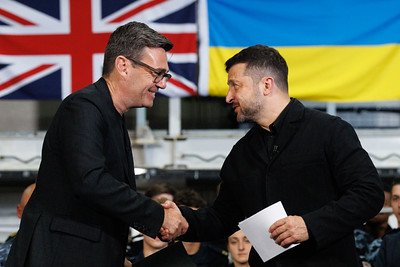
PM Burnham used his first meeting with President Zelenskyy to reaffirm what Downing Street called “unwavering” support for Ukraine.
Read more

NATO’s Ankara Declaration signals shift to wartime readiness, massive spending, and AI-driven defense

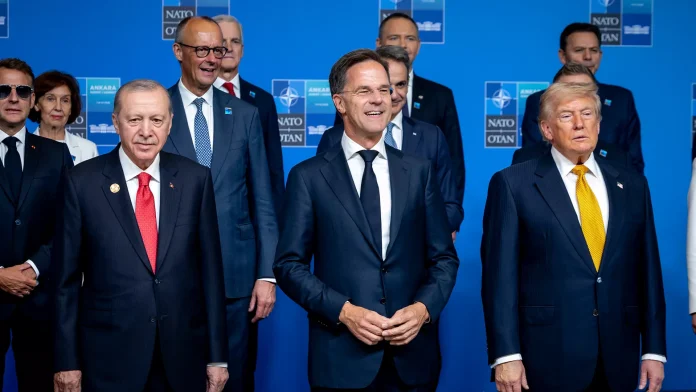
At the center of the declaration is a clear shift toward what officials increasingly describe as a "wartime industrial base".
Read more

IOC eases Russian suspension, but key Olympic restrictions remain

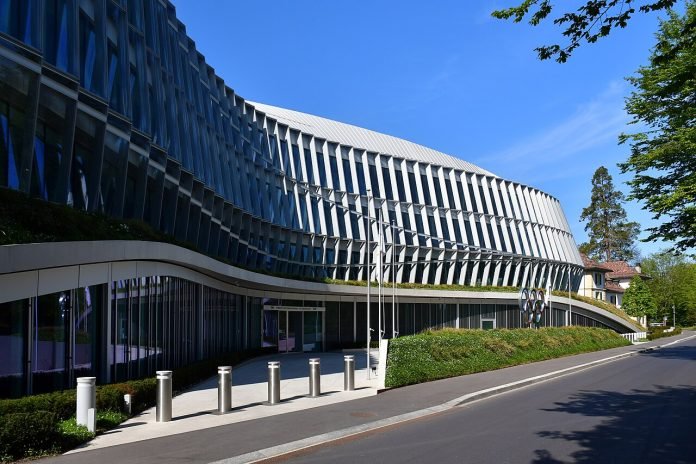
The decision clears a potential route for Russian athletes to return to international competition and qualify for the Los Angeles 2028 Olympic Games.
Read more

Russia turns to fuel imports as wartime strikes trigger nationwide gasoline shortage

Russia is facing its most severe fuel disruption in years, with the Kremlin now confirming it is in active discussions to import gasoline.
Read more

European Parliament approves landmark €90b Ukraine loan

The funding aims to cover roughly two-thirds of Ukraine's estimated financial needs as the conflict enters its fifth year.
Read more

Russia launches brutal strikes amid peace talks

While trilateral negotiations were underway in Abu Dhabi, Russia launched a "barbaric" and "cynical" wave of attacks across the country.
Read more

Russia, Ukraine, and US hold first trilateral peace talks since 2022

Officials from Russia, Ukraine, and the United States held their first trilateral summit since the 2022 invasion on Jan 23 to 24, 2026, in Abu Dhabi, UAE.
Read more

Ukraine and US agreed on post-war security guarantees at Davos

US President Donald Trump and Ukrainian President Volodymyr Zelenskyy met in Davos to firm up details for the peace plan resolution.
Read more
Timeline

May 2019: Comedian Volodymyr Zelenskyy is sworn in as the 6th president of Ukraine after winning a landslide victory on an anti-corruption and peace platform.

Jul 2019: Zelenskyy’s newly formed party, Servant of the People, wins an absolute majority in snap parliamentary elections.

Late 2019: Zelenskyy becomes entangled in a U.S. political scandal following allegations that U.S. President Donald Trump withheld military aid to pressure Kyiv into investigating political rivals.

Mar 2020: In his first major peacetime reshuffle, Denys Shmyhal is appointed Prime Minister, replacing Oleksiy Honcharuk amid economic stagnation.

Feb 2022: Russia launches its full-scale invasion of Ukraine. Zelenskyy defies orders to flee, consolidating power as martial law suspends standard elections and opposition dynamics.

Sep 2023: Defense Minister Oleksii Reznikov is dismissed following corruption scandals surrounding military procurement. He is replaced by Rustem Umerov to restore public and donor trust.

Feb 2024: Zelenskyy replaces top military commander General Valerii Zaluzhnyi with Oleksandr Syrskyi after a counteroffensive stall.

May 2024: Zelenskyy’s official five-year term ends. He remains in office legitimately under wartime martial law, though under growing political pressure.

Jul 2025: The first massive structural consolidation takes place. Longest-serving Prime Minister Denys Shmyhal resigns to become Defense Minister. Yulia Svyrydenko is confirmed by parliament as Ukraine’s first female Prime Minister.

Late 2025: A massive corruption scandal erupts within the presidential inner circle, sparking domestic protests over the perceived erosion of anti-corruption body independence.

Jan 2026: Prompted by the late-2025 corruption probe, Zelenskyy executes a sweeping national security purge.

Defense Intelligence chief Kyrylo Budanov replaces the influential head of the Presidential Office. SBU Chief Vasyl Malyuk and numerous top border and defense commanders are dismissed.

Feb 2026: Amid mounting geopolitical pressure from a returned Trump administration, tense televised standoffs occur on February 28 between Zelenskyy, Trump, and Vice President JD Vance over the trajectory of the war.

Jul 12, 2026: Zelenskyy announces a complete overhaul of Ukraine’s political strategy.

Prime Minister Yulia Svyrydenko steps down after just one year to take an external role managing relations with a key ally (speculated to be the U.S. ambassadorship).

The entire cabinet is dissolved pending parliamentary approval of a new Prime Minister and localized foreign policy czars.

You may also be interested in

LEAVE A REPLY

Please enter your comment!
Please enter your name here