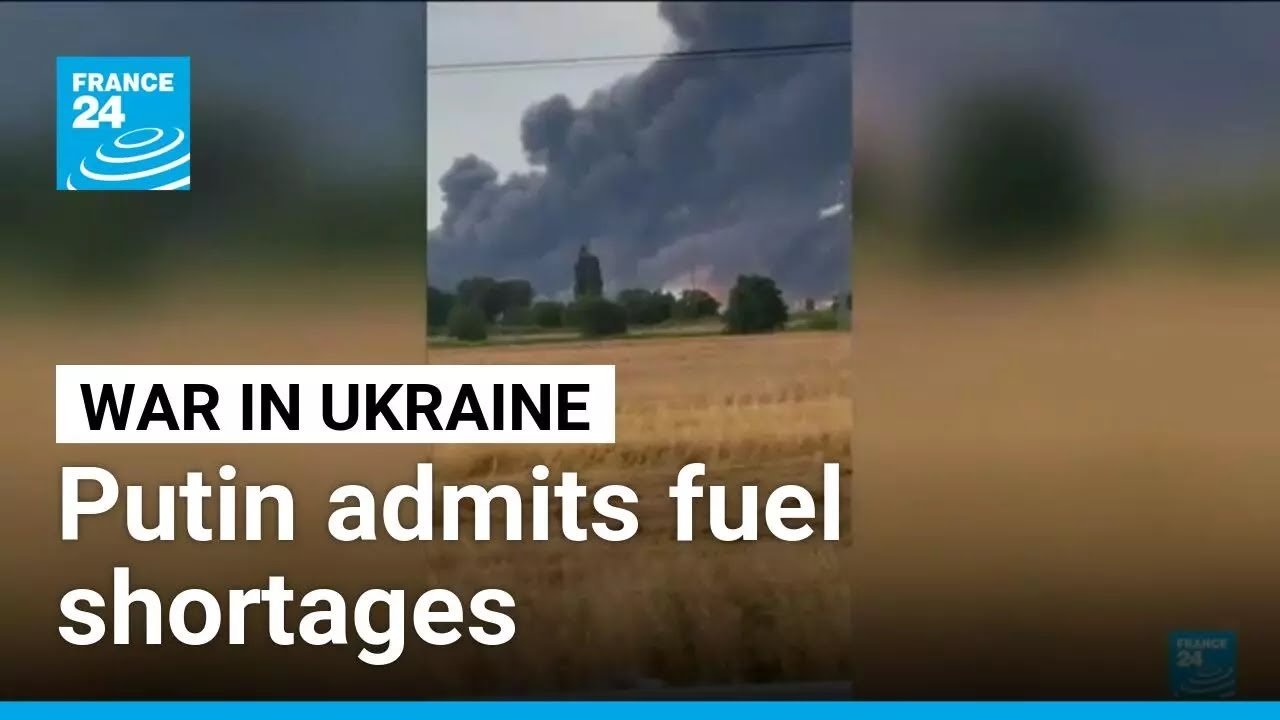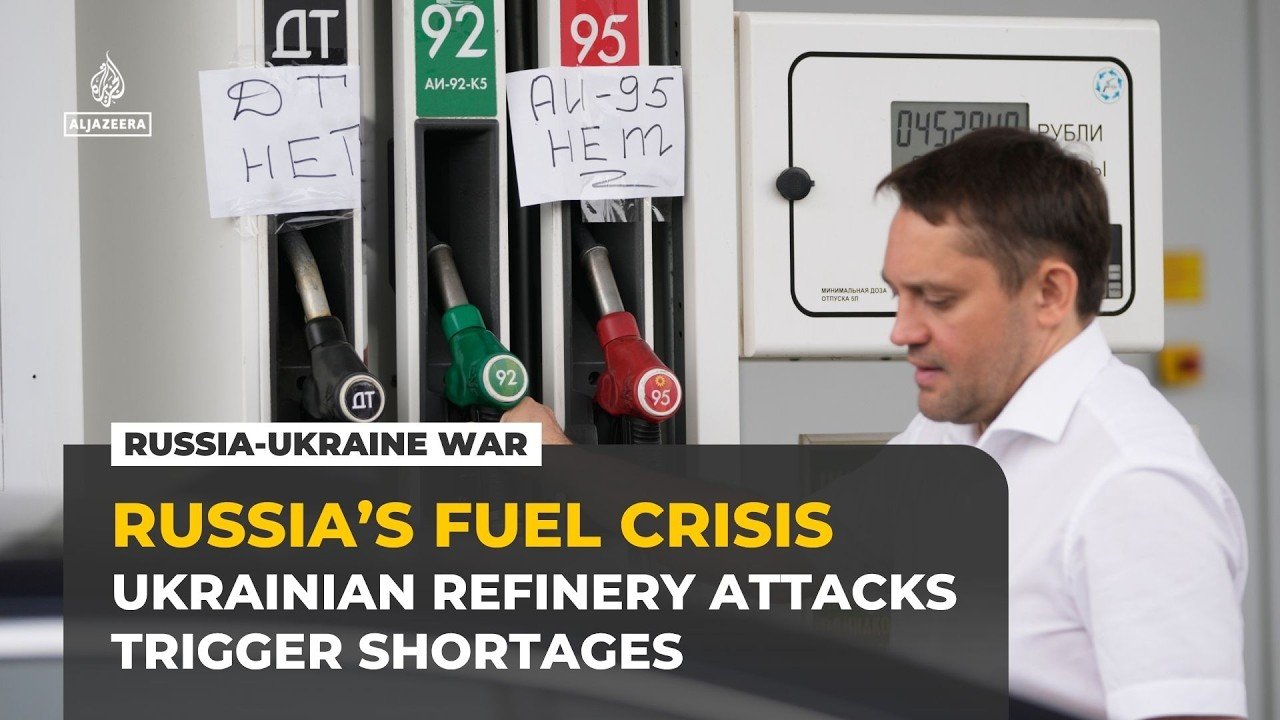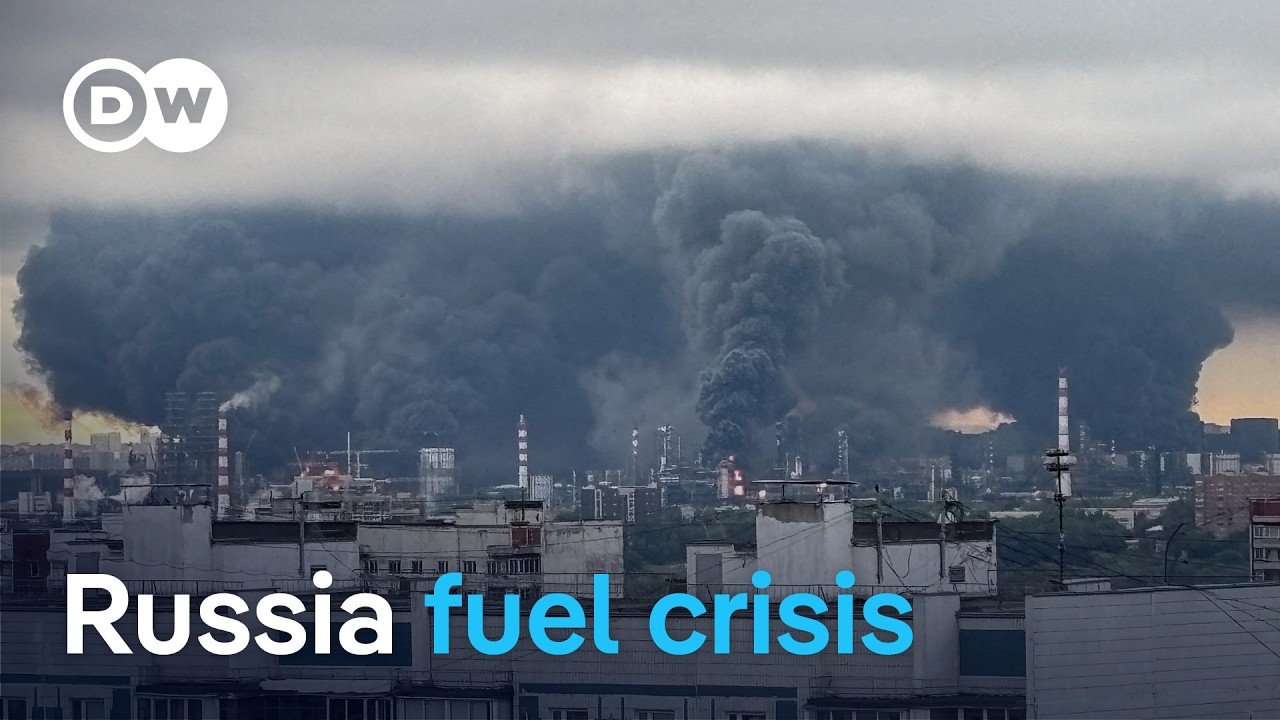

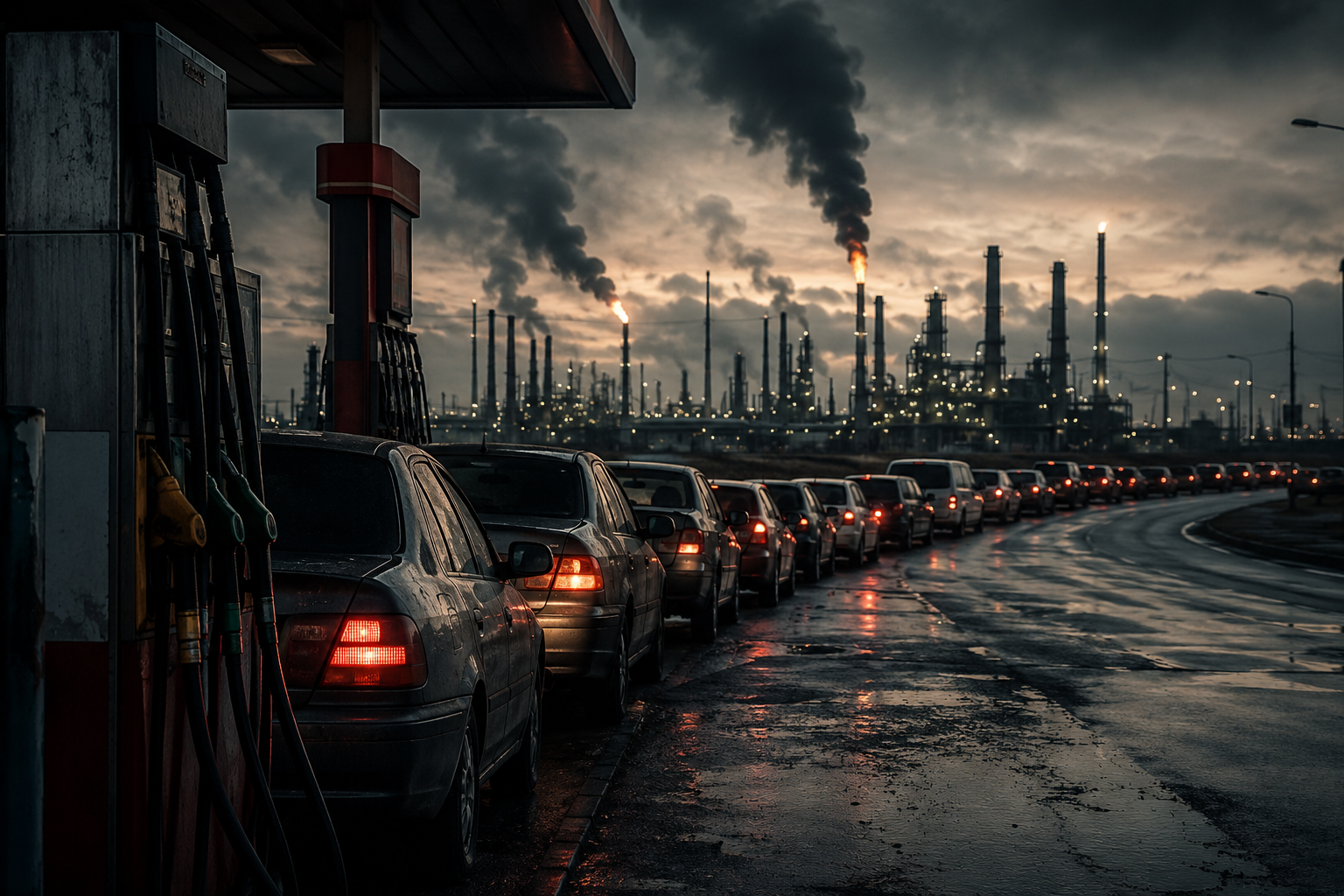
Russia is facing its most severe fuel disruption in years, with the Kremlin now confirming it is in active discussions to import gasoline, an unusual step for one of the world’s largest oil producers. The development underscores the growing impact of sustained Ukrainian drone strikes on Russia’s refining infrastructure and the strain on domestic energy supply chains.
Kremlin spokesperson Dmitry Peskov acknowledged on June 30 that authorities are exploring gasoline imports to stabilize the domestic market, describing the measure as part of ongoing efforts to “ensure uninterrupted fuel supply.” While officials maintain that the situation remains under control, the move signals a significant escalation in the government’s response to deepening shortages.
A spreading fuel crunch
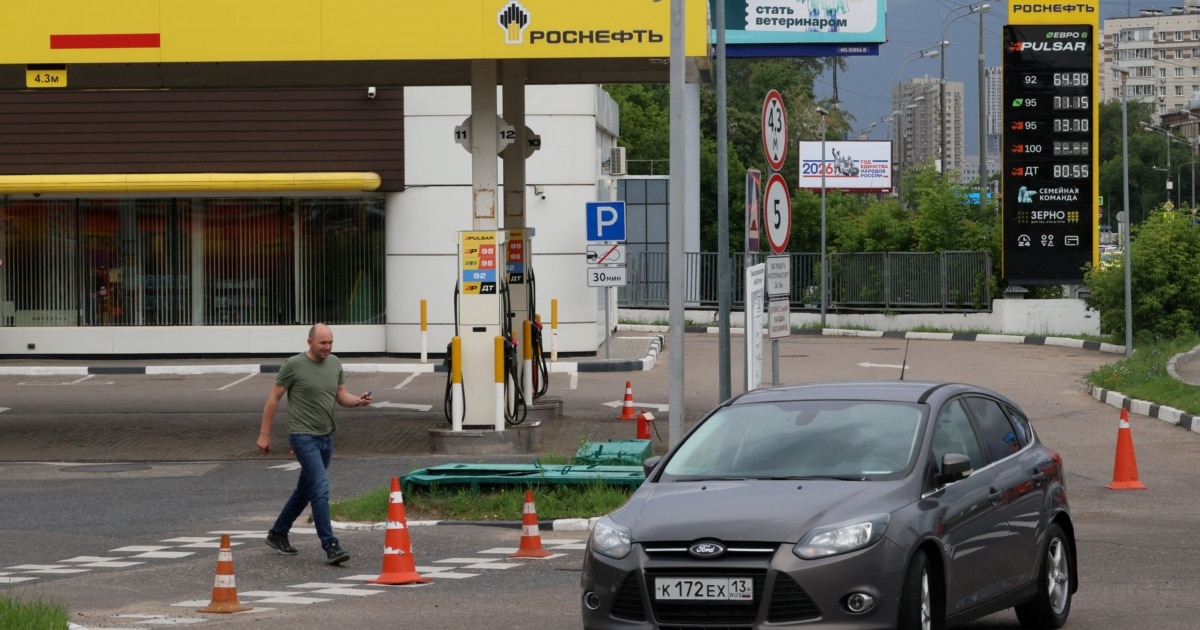
Fuel shortages have been reported across at least 17 regions, stretching from western Russia to Siberia and the Far East. In major cities including Moscow and St. Petersburg, motorists are facing long queues at petrol stations, while in more severely affected regions, fuel rationing has become routine.
State-linked energy companies such as Rosneft, Lukoil, and Gazprom have imposed purchase limits. In relatively stable areas, caps hover around 100 liters per vehicle, but in harder-hit regions — including parts of eastern Russia and annexed Crimea — limits have dropped as low as 15–20 liters. In some cases, stations have run dry entirely.
The shortages are beginning to ripple through the broader economy. Russia’s central bank has warned that reduced refinery output could weigh on GDP growth in 2026, particularly as fuel constraints disrupt logistics, agriculture, and industrial activity.
Drone strikes reshape the energy map
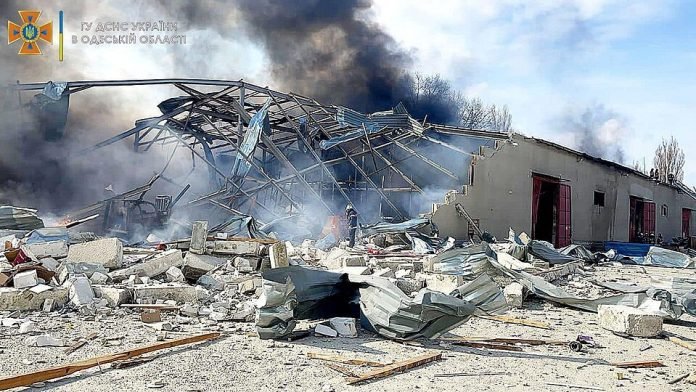
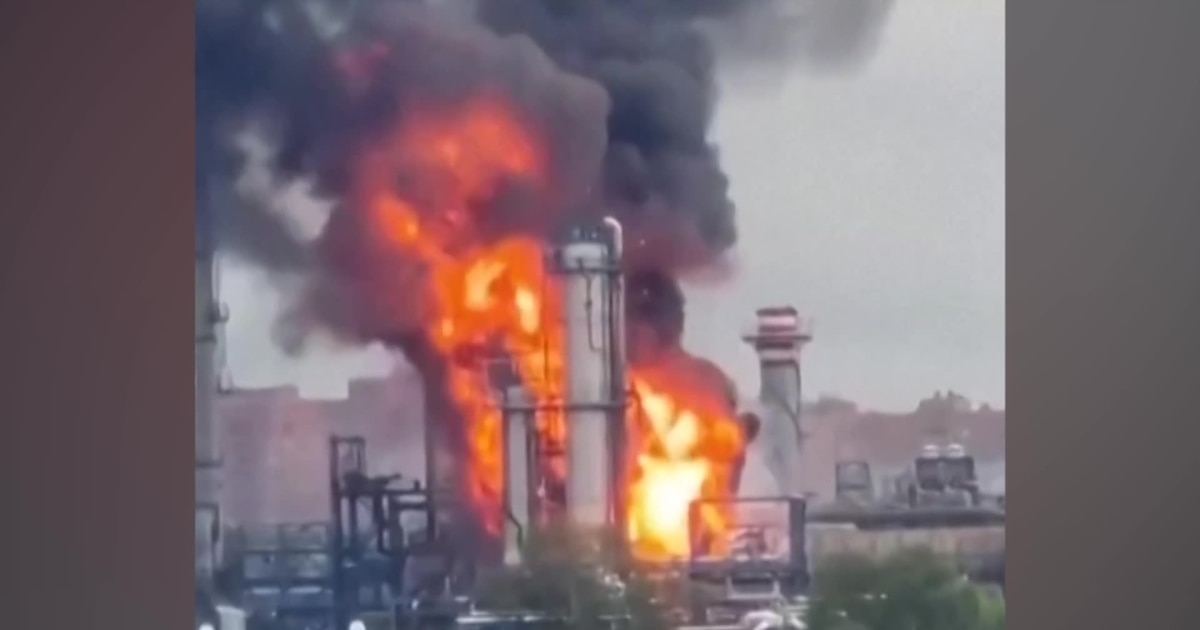
At the core of the crisis is a sustained Ukrainian campaign targeting Russia’s oil refining sector. Long-range drone strikes have damaged or disrupted operations at an estimated quarter of the country’s refining capacity.
Notably affected facilities include major plants supplying key population centers, such as the Kapotnya refinery near Moscow. Many of the targeted refineries rely on advanced Western equipment that has become difficult to repair or replace under sanctions, amplifying the long-term impact of each strike.
Ukraine’s strategy appears increasingly focused on degrading downstream processing rather than crude production itself, an approach that directly constrains Russia’s ability to convert oil into usable fuels like gasoline and diesel.
Crimea and strategic prioritization
Occupied Crimea has emerged as one of the most severely affected areas. Repeated attacks on supply routes and storage facilities have forced local authorities to prioritize fuel allocation for military use. Civilian fuel sales in parts of the peninsula have been heavily restricted or temporarily halted, effectively placing the region under emergency fuel management.
This prioritization reflects a broader wartime shift in Russia’s domestic energy policy, where military and critical infrastructure needs are taking precedence over civilian consumption.
Government countermeasures
Moscow has moved quickly to contain the fallout through a series of interventions:
- Export bans: Russia has already suspended gasoline exports and is considering extending restrictions to diesel.
- Emergency task force: Authorities have established a coordination body to manage fuel distribution, with a particular focus on ensuring supply for agriculture during the critical summer harvest season.
- Rationing systems: Regional governments and fuel providers are enforcing caps to prevent panic buying and hoarding.
- Import planning: Discussions are underway to secure gasoline shipments from foreign suppliers, likely in Asia or the Middle East, marking a rare reversal for a country that is typically a net exporter of refined fuels.
The prospect of imports highlights a structural vulnerability: while Russia remains a top global crude oil producer, its refining sector is more exposed to targeted disruption.
A strategic inflection point
President Vladimir Putin has publicly acknowledged the shortages, describing them as “not critical” but conceding that there is a “certain deficit.” The admission is notable, as the Kremlin has generally downplayed domestic economic strains linked to the war.
The fuel crisis illustrates how modern warfare is increasingly targeting economic infrastructure with precision, producing cascading effects far from the battlefield. In Russia’s case, the pressure on refineries is translating into visible, everyday disruptions — from empty pumps to ration cards — while forcing policymakers into decisions that would have been unthinkable before the war.
If the strikes persist and repair constraints remain in place, Russia may face a prolonged period of tight fuel supply, with broader implications for its economy and wartime logistics.