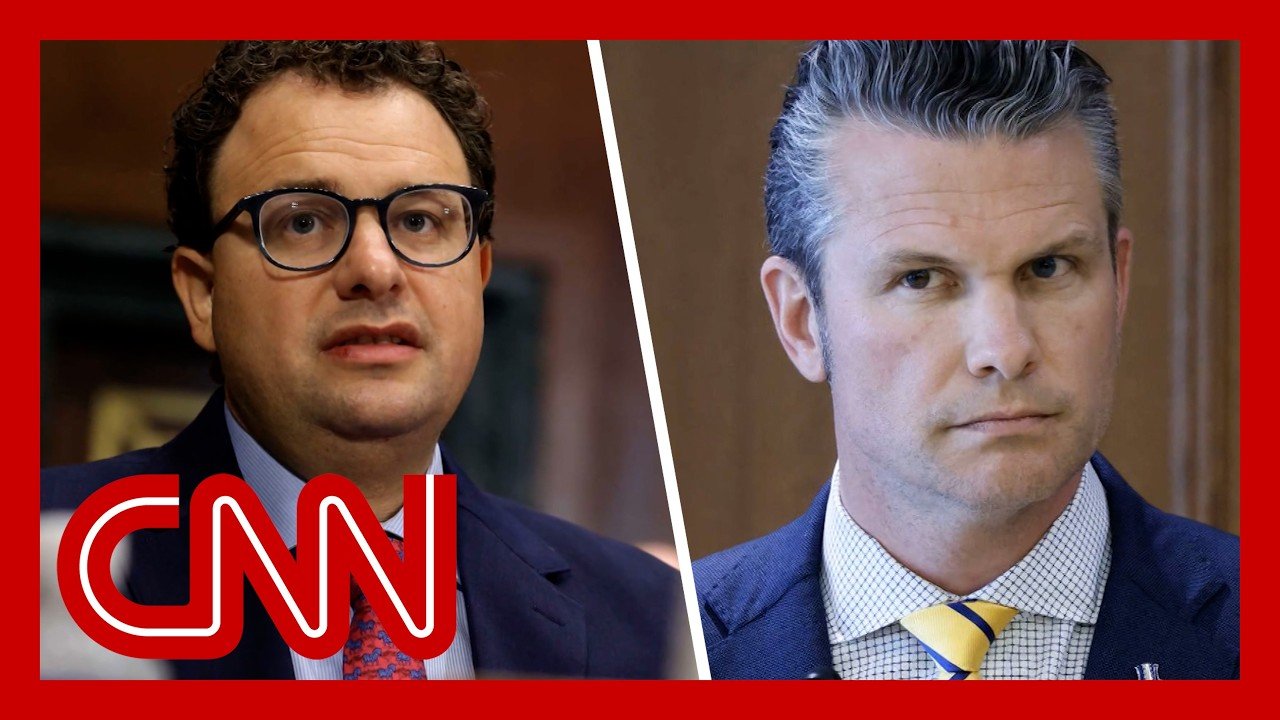
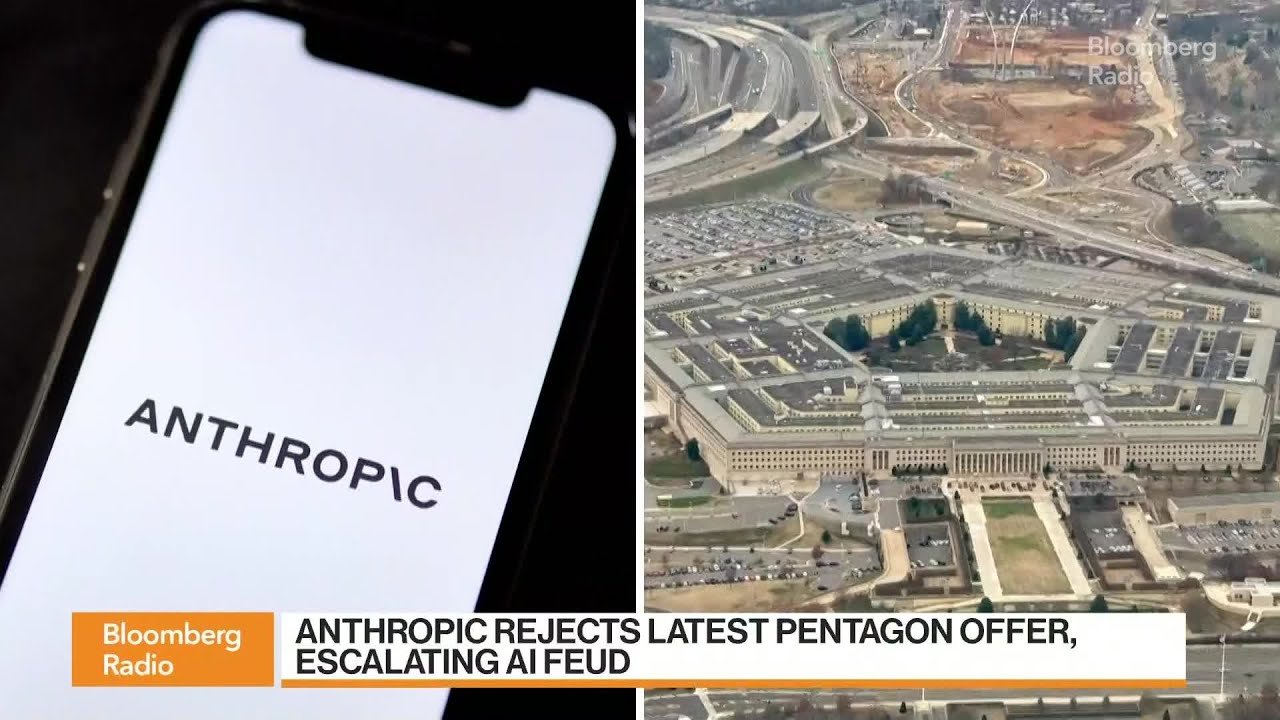
The dispute centered on the Pentagon’s requirement that Anthropic’s AI model, Claude, be available for “all lawful purposes” without contractual restrictions.
Anthropic CEO Dario Amodei refused to allow Claude’s use for domestic mass surveillance or fully autonomous lethal weapons, stating the company “cannot in good conscience” accede to demands that would undermine democratic values.
Defense Secretary Pete Hegseth and other officials characterized Anthropic’s safeguards as an attempt to “personally control the US Military” and labeled the company a “supply chain risk.”
Following the rejection of a final offer on February 27, 2026, President Trump ordered a government-wide ban on Anthropic products, including a six-month phase-out period for existing military operations.
OpenAI reaches agreement with Pentagon
Hours after Anthropic was blacklisted, OpenAI reached an agreement to deploy its models within the Defense Department’s classified network.
OpenAI CEO Sam Altman claimed their agreement reflects the same “red lines” regarding surveillance and autonomous weapons, but uses a “multi-layered approach” with technical safeguards and cleared personnel that satisfied the Pentagon.
The deal coincided with OpenAI raising $110billion in funding and forming a new $50billion partnership with Amazon to provide the necessary cloud infrastructure for classified government work.
Employees urge unified ethical stance
Over 60 OpenAI employees and 300 Google employees signed an open letter urging their leadership to “stand together” with Anthropic and reject the Pentagon’s demands for unrestricted AI use.
The letter stated the government is attempting to “divide each company with fear” and called for a joint refusal to allow AI for domestic surveillance or autonomous killing.
Criticism mounts against OpenAI deal
A quick agreement between OpenAI and the Pentagon, announced shortly after Anthropic’s blacklisting, received significant criticism.
A social media campaign using the hashtag #CancelChatGPT gained traction. Users accused OpenAI of prioritizing military contracts over ethical considerations.
Critics questioned OpenAI’s ability to maintain the same ethical standards as Anthropic, such as prohibiting mass surveillance and autonomous weapons, while entering a deal that Anthropic rejected.
CEO Sam Altman acknowledged that the deal was “rushed” and “optics don’t look good.” He defended it as crucial for “de-escalation” and national security.
Claude becomes top free app following ban
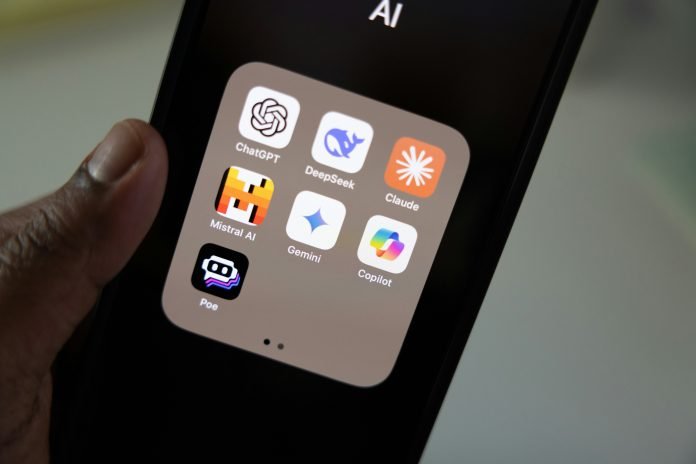
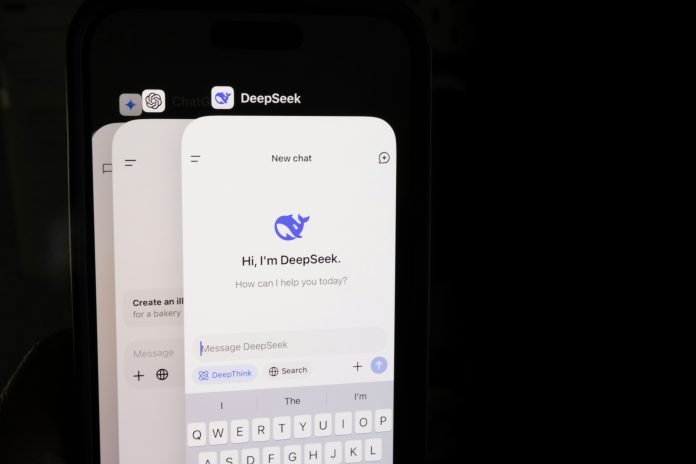
On March 1, 2026, Claude from Anthropic became the top free app on Apple’s US App Store, exceeding ChatGPT and Google Gemini.
The app moved from outside the top 100 in January to the top position within a single weekend following a public dispute with the Trump administration.
Claude also achieved the #1 spot in Canada and ranked in the top 5 in France, Germany and the UK.
Market and industry impact
Alongside OpenAI, Elon Musk’s xAI was also approved for classified operations.
Despite the Pentagon loss, Anthropic’s revenue has been growing at 10 times per year, though the loss of the $200million military contract and potential Fortune 500 fallout remains a significant risk.
Anthropic has stated it intends to challenge the “supply chain risk” designation in court.
Read also:
OpenAI releases AI agent platform Frontier
Claude Cowork release sparks SaaSpocalypse