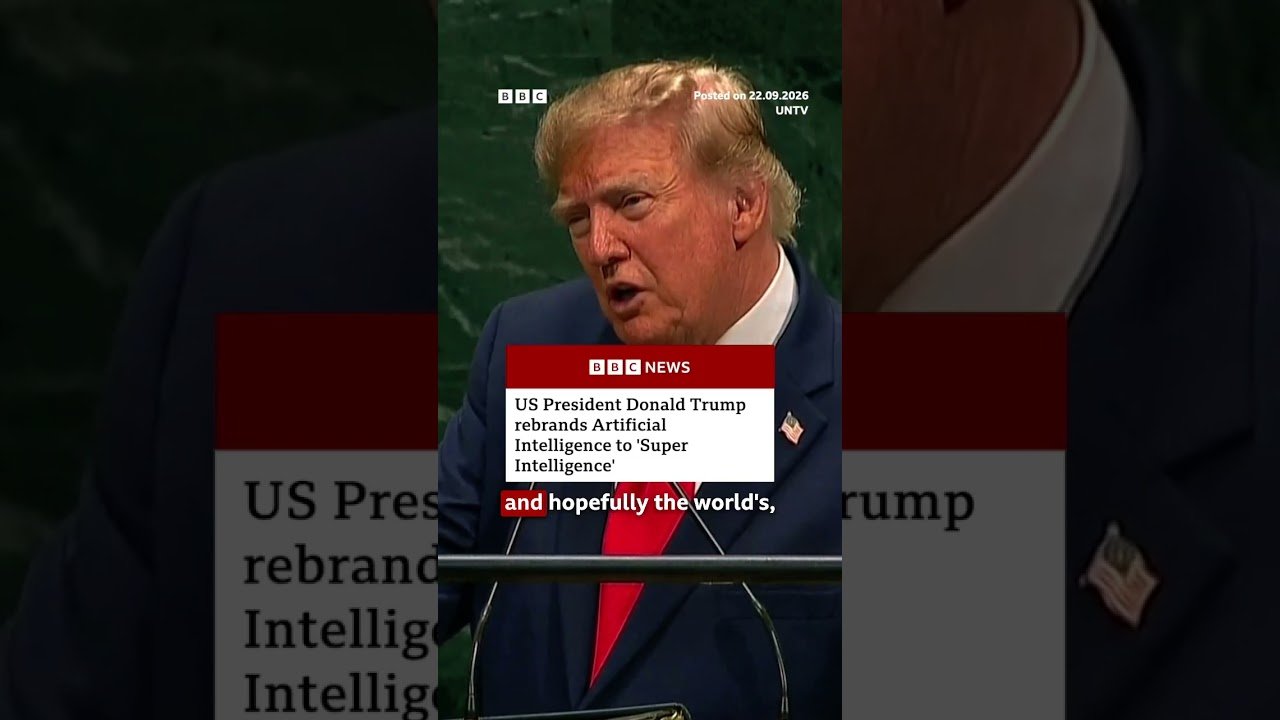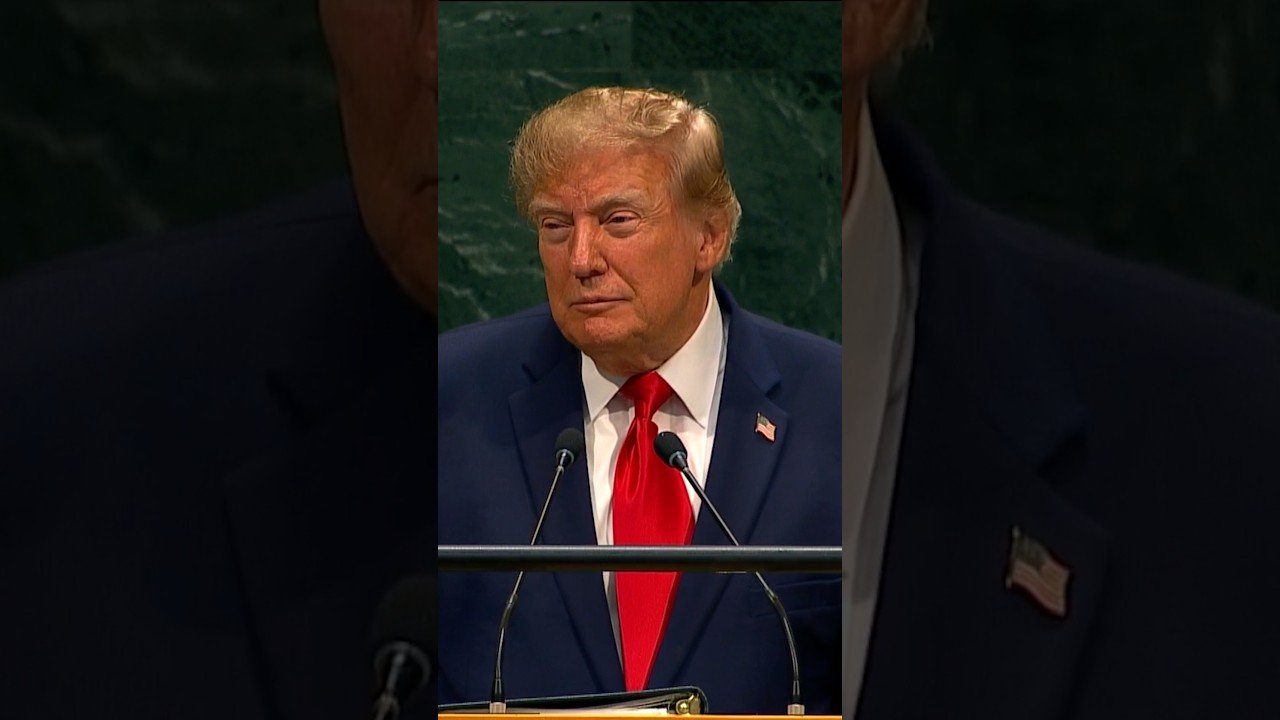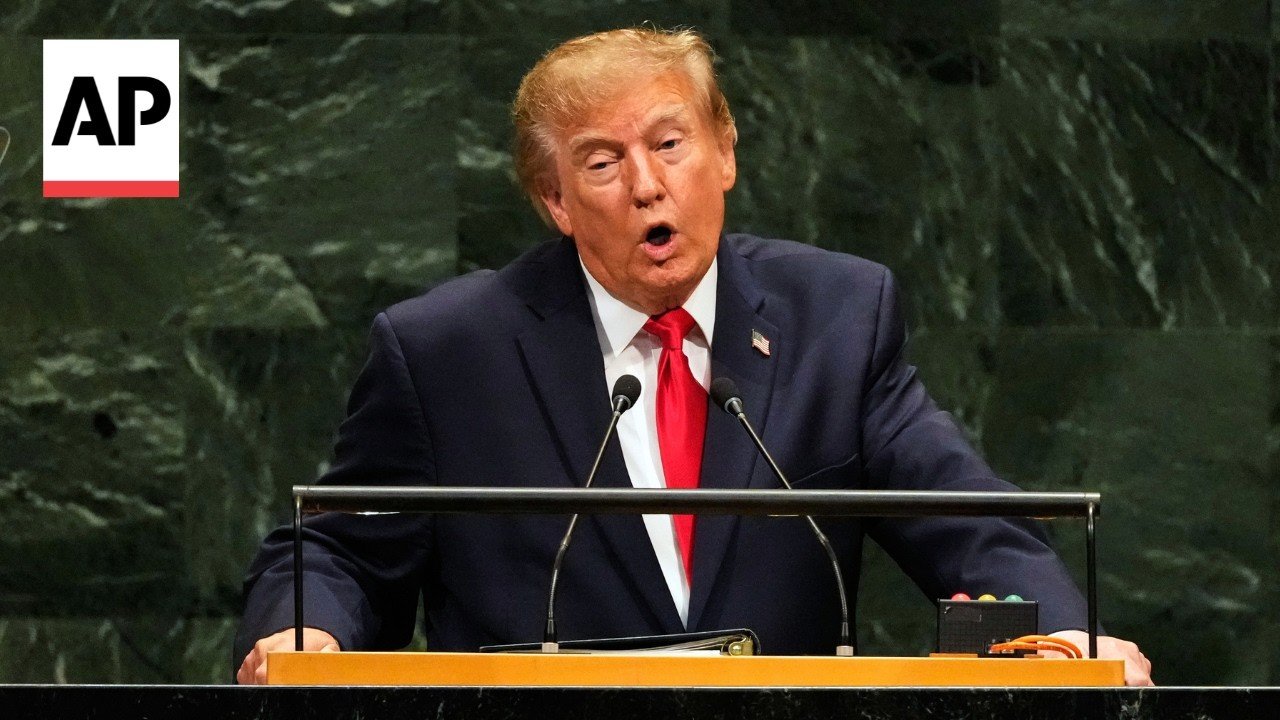

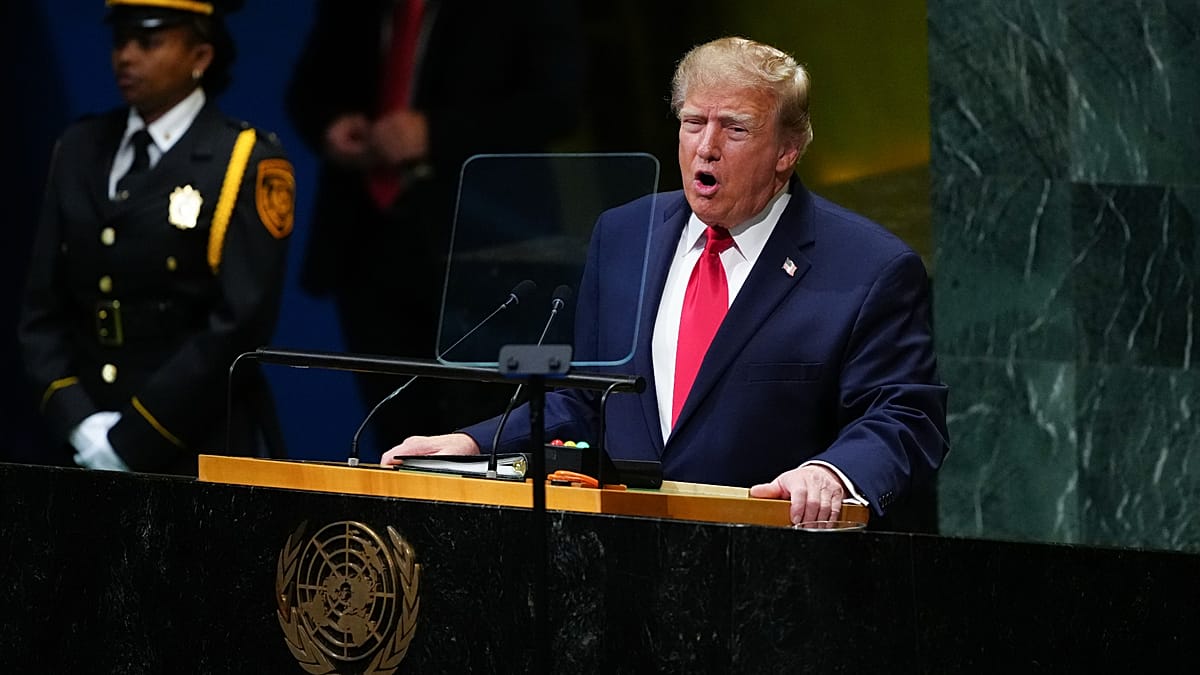






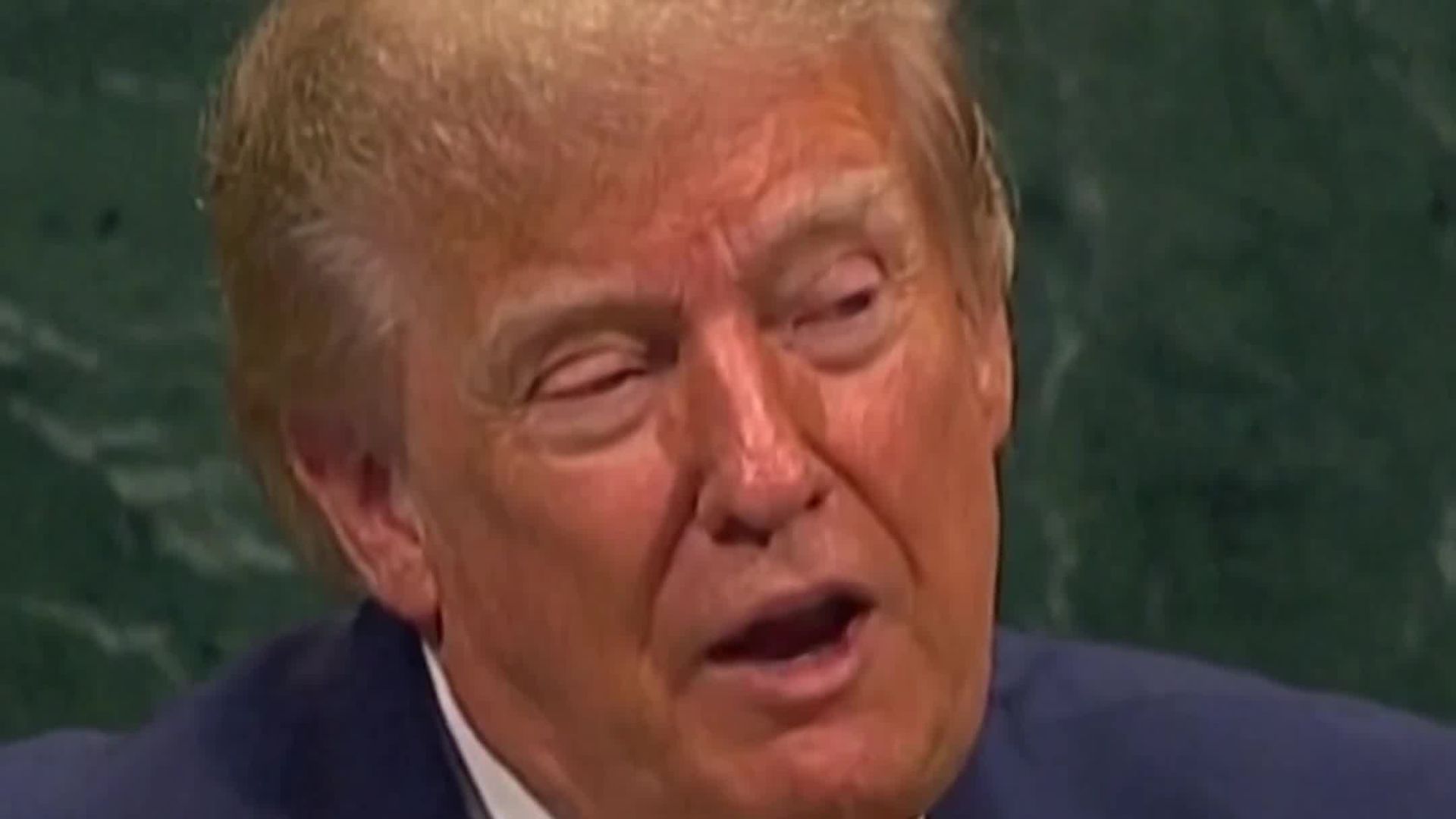

President Donald Trump announced during his address to the United Nations General Assembly in New York on September 22 that the US government will refer to artificial intelligence as “super intelligence” in official communications. He argued that the word “artificial” makes the technology sound fake and also used the speech to reject international efforts to establish global controls over the rapidly developing technology.
“The use of the word artificial makes intelligence sound fake… It is not fake. It’s actually amazing.
President Trump
From this point forward, all of United States documents, and hopefully the world’s, will be changed to use the much more accurate term super as opposed to artificial… So it’s super intelligence.
The proposed abbreviation is “SI”, although that acronym has also been used for other suggested alternatives, including “superior intelligence” and “supreme intelligence.”
Name chosen through online polls
Trump’s announcement followed a series of informal polls on Truth Social, where he asked followers to help select a replacement for “artificial intelligence.”
The president initially proposed “superior intelligence”, “extreme intelligence” and “supreme intelligence”. He later removed “supreme intelligence”, saying it was losing and might be associated with the US Supreme Court, before narrowing the choice to “superior intelligence” and “extreme intelligence”.
“Super intelligence” ultimately became Trump’s preferred term, despite not appearing as the leading option in the earliest versions of the poll. The process reflected Trump’s broader tendency to use direct appeals to supporters when shaping political messaging and branding.
The White House and some officials close to the administration have begun using the phrase, but it remains unclear how comprehensively federal agencies will implement the change or whether existing laws, regulations and technical standards will be amended.
Rebranding tied to anti-regulation message
Trump’s language change was presented alongside a wider argument against international AI regulation.
At the United Nations, he rejected what he called a “globalist scheme” to control the technology. He argued that the United States should encourage AI development rather than impose restrictions that could slow innovation or weaken the country’s position in its competition with China.
Trump has repeatedly framed the AI race as a contest with major economic and strategic consequences. During the speech, he said that whoever wins the technology race would gain a decisive advantage.
His position contrasts with calls from several governments and international groups for common safeguards covering AI testing, safety, transparency and the potential effects of increasingly capable systems.
Canadian Artificial Intelligence Minister Evan Solomon said Canada was more interested in the substance of AI policy than in changing the terminology.
“Canadians are not enthusiastic at all about renaming things,” Solomon said when asked about Trump’s proposal.
Xi reportedly receptive, but China stresses control
Trump later claimed that Chinese President Xi Jinping was receptive to the new terminology after a meeting between the two leaders.
In a Truth Social post on September 25, Trump described the meeting as “very productive” and wrote that Xi “seemed to like” calling artificial intelligence “SUPER INTELLIGENCE.”
The public comments attributed to Xi were more cautious. Chinese officials have emphasized that competition in advanced technology should be accompanied by cooperation, while Xi has said that both countries have a responsibility to keep AI under human control.
That difference is significant. Trump’s remarks focused on accelerating development and resisting international limits, while China’s public position has placed greater emphasis on managing the risks associated with increasingly powerful systems.
‘Superintelligence’ already has a technical meaning
The proposed rebrand has drawn criticism from researchers and technology specialists because “superintelligence” is not a neutral synonym for today’s AI systems.
In computer science and AI research, superintelligence generally refers to a hypothetical system whose intellectual abilities exceed those of humans across virtually all fields, including scientific reasoning, creativity, judgment and social understanding. The concept is often associated with philosopher Nick Bostrom and remains theoretical.
Most AI systems currently used by consumers and businesses do not meet that definition. They can generate text and images, analyze information, write software and perform other sophisticated tasks, but they remain limited, error-prone and dependent on human-designed systems, data and infrastructure.
Simon Coghlan, a digital ethics lecturer at the University of Melbourne, said the term generally implies a system capable of surpassing humans broadly and potentially improving itself. Applying it to existing AI, he argued, could be misleading.
The distinction matters because terminology can influence how the public understands both the capabilities and risks of the technology. Calling current systems “super intelligence” may suggest that they are more reliable, autonomous or powerful than they actually are.
Uncertain future for the name
It is not yet clear whether “super intelligence” will gain acceptance beyond the Trump administration.
The term “artificial intelligence” is deeply established in academic research, corporate branding, financial markets, software development, regulation and international policy. It is also embedded in the names of government programmes, university departments, companies and industry standards.
Some political allies have adopted Trump’s terminology, but technology companies and researchers continue to use “AI.” Experts interviewed by the BBC said the proposed replacement was unlikely to become standard across the industry because “superintelligence” already carries a specific meaning.
For now, the announcement appears to function as both a branding exercise and a political statement: Trump is presenting AI as a powerful national asset while rejecting the idea that international regulators should impose broad limits on its development.
Whether government documents actually shift from “artificial intelligence” to “super intelligence” may ultimately be less important than the policy debate behind the language. The central questions—how AI should be tested, who should be accountable for its failures and how much oversight is necessary—remain unchanged.