Sudan’s transitional PM presents peace plan to UNSC

Jump to Timeline

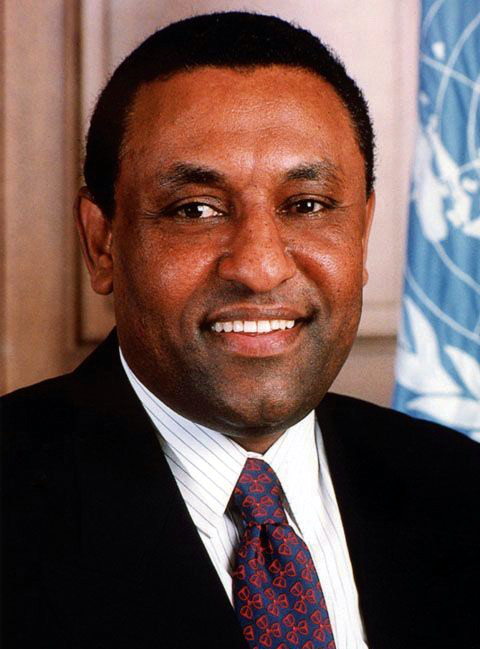
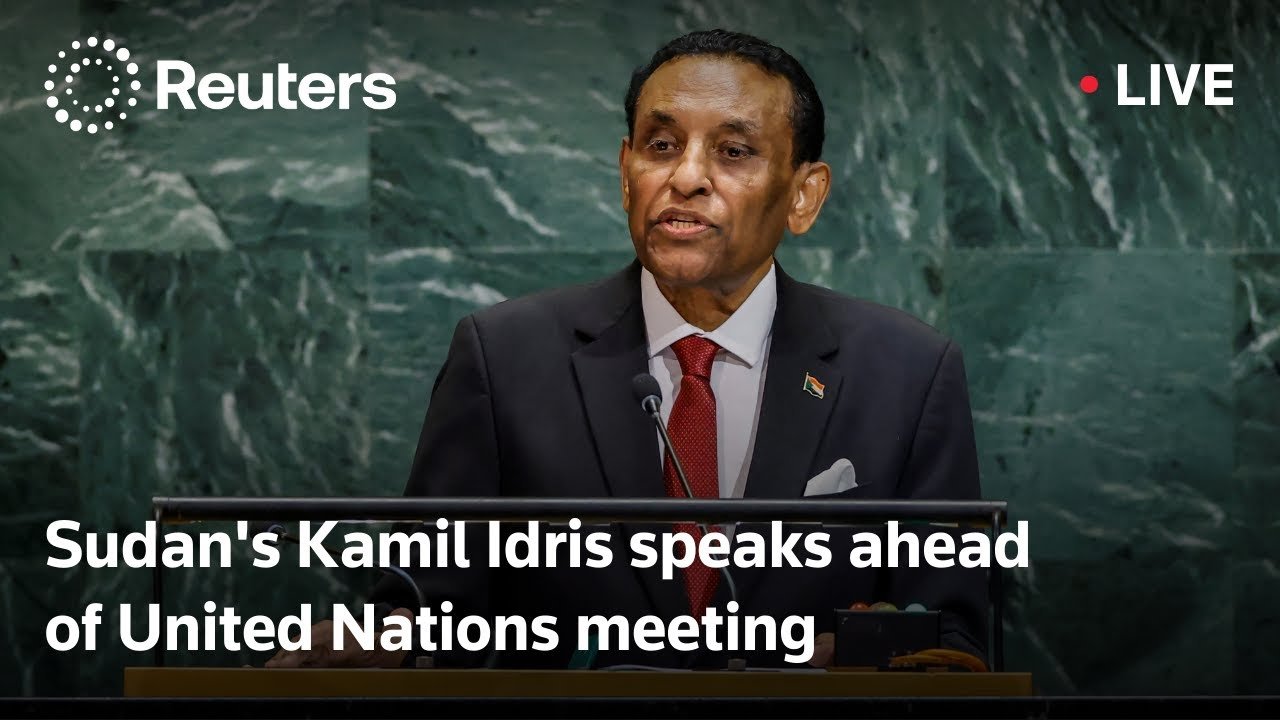
Sudan’s transitional Prime Minister Kamil Idris presented a new peace initiative to the UN Security Council on December 22, 2025, outlining what he described as a Sudanese-led roadmap to end the country’s prolonged civil war.

The proposal is positioned as an alternative to externally driven efforts, including those backed by the so-called “Quad” of the United States, Saudi Arabia, Egypt and the United Arab Emirates. It outlines a transitional phase built around “inter-Sudanese dialogue,” with the aim of leading to internationally supervised elections.

Idris has framed 2026 as the country’s “Year of Peace”, arguing that a domestically driven solution is the only viable path to ending the conflict.

Core proposals

Idris’s plan centers on an immediate ceasefire, to be monitored jointly by the United Nations, African Union and League of Arab States.

It also calls for the Rapid Support Forces (RSF) to withdraw from cities and contested مناطق and relocate to designated, supervised camps, alongside a broader disarmament process.

The framework includes provisions for humanitarian access, including the safe return of displaced civilians and the uninterrupted delivery of aid.

On accountability, the plan pledges “non-selective justice” for war crimes, coupled with reconciliation measures and the reintegration of RSF fighters not implicated in atrocities.

Mixed reactions

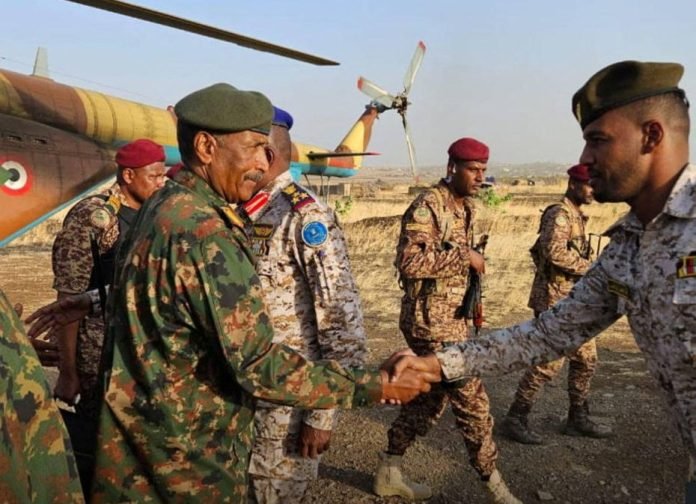
The initiative has faced immediate resistance from the RSF, whose leadership dismissed it as unrealistic and reflective of the army’s position.

International responses have been divided. The Arab League has backed the proposal, while the United States and other Quad members have continued to prioritize an immediate humanitarian ceasefire, expressing skepticism about plans put forward unilaterally by either side.

Questions of legitimacy

The plan also faces challenges at home. Some civilian groups, including the Somoud coalition led by former prime minister Abdalla Hamdok, do not recognize Idris’s army-aligned government and have proposed alternative peace tracks.

That fragmentation, combined with resistance from the RSF, underscores the difficulty of turning the proposal into a workable settlement despite renewed diplomatic momentum.
youtube placeholder image

Read more:
RSF forms parallel government in Sudan
2025 RSF-led genocide in El Fasher
Sudanese Armed Forces (SAF) captures capital Khartoum
Key widely reported facts from verified sources including Al Jazeera, Sudan Tribune, Darfur24, France 24, Anadolu Ajansi, Daily Sabah

10 Major Events That Shaped Geopolitics in 2025

2025 marked a turbulent shift in global power dynamics, driven by US President Donald Trump's "America First" policies, escalating conflicts across multiple regions, and unexpected diplomatic breakthroughs.
Read more

2025 RSF-led genocide in El Fasher

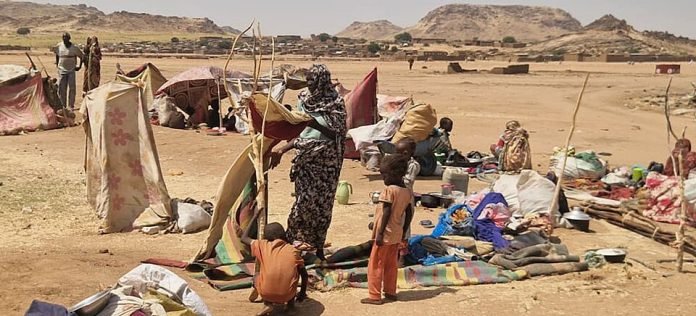
RSF seized full control of El Fasher, North Darfur’s capital, in late Oct 2025 and has been accused of carrying out genocidal attacks.
Read more

RSF forms parallel government in Sudan

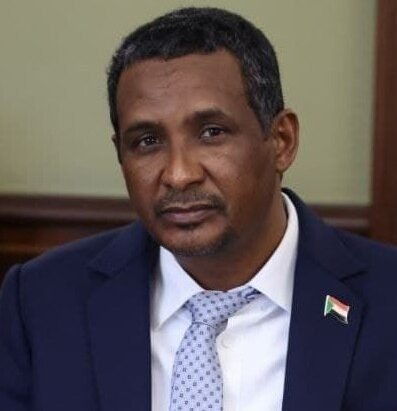
The Dagalo-led RSF formally established a parallel government in Sudan, which was ultimately rejected by The African Union, UN Security Council, and Arab League.
Read more

SAF appoints former UN official Kamil Idris as PM

In May 2025, the SAF appointed former UN official Kamil Idris as the country's first prime minister since the 2021 coup.
Read more

Sudanese Armed Forces (SAF) captures capital Khartoum
In Mar 2025, the SAF declared a significant turning point in the civil war by reclaiming the majority of Khartoum and central Sudan from the RSF.
Read more
Timeline

2003–2020: The Darfur Conflict saw the rise of the “Janjaweed” militias (the predecessor to the RSF), leading to allegations of genocide against non-Arab communities.

Oct 2021: Generals Burhan and Hemedti staged a joint military coup to dissolve the transitional civilian-led government that followed the ousting of Omar al-Bashir.

Apr 2019: Following months of mass protests, the military overthrew President Omar al-Bashir after 30 years of rule.

Apr 15, 2023: Full-scale fighting erupted in Khartoum after tensions boiled over regarding the integration of the RSF into the national army.

May 20, 2023: The Jeddah Declaration was signed in Saudi Arabia, calling for a short-term ceasefire to allow humanitarian aid; however, the truce was quickly violated.

Jun 2023: The RSF captured El Geneina, the capital of West Darfur, sparking a new wave of ethnic violence in the region.

Dec 19, 2023: The RSF seized Wad Madani, Sudan’s second-largest city and a critical humanitarian hub.

Jun–Jul 2024: The RSF took control of Singa (Sinnar State), but SAF counter-offensives began gaining momentum on multiple fronts by late 2024.

Jan 2025: The U.S. imposed direct sanctions on the top commanders, Gen. Abdel Fattah al-Burhan (SAF) and Mohamed Hamdan “Hemedti” Dagalo (RSF).

Feb 2025: The SAF broke the long-standing RSF siege of Al-Obeid in North Kordofan.

Mar 2025: The SAF achieved a major symbolic victory by recapturing the Presidential Palace in Khartoum, forcing RSF fighters to retreat across the Nile.

Sudan filed a case at the International Court of Justice (ICJ) against the UAE, alleging complicity in genocide by providing weapons to the RSF.

Jul: The RSF-led coalition counters by announcing a parallel government with a 15-member presidential council.

Oct 26: RSF claims full control of El Fasher, though this is initially disputed by the SAF.

Nov 3: A formal famine declaration is made for parts of Sudan as the humanitarian crisis worsens.

Dec 22: PM Kamil Idris presents a peace proposal to the UN Security Council based on RSF disarmament and a nationwide ceasefire.

Opinion & Analysis

You may also be interested in

LEAVE A REPLY

Please enter your comment!
Please enter your name here