On March 2, 2026, Hezbollah officially entered the Iran conflict triggered by coordinated joint attacks by Israel and the United States on Iran.
This escalation transformed the US-Israel strikes on Iran into a full-scale regional war involving multiple fronts. Hezbollah launched its first major rocket and drone attacks on Israel since the 2024 ceasefire.
The primary catalyst for Hezbollah’s intervention was the killing of Iranian Supreme Leader Ali Khamenei during the initial joint US-Israeli strikes on February 28.
Hezbollah had previously signaled that while it might not intervene in “limited” strikes, any attack targeting Khamenei was a “red line.”
Following confirmation of the death, Hezbollah Secretary-General Naim Qassem declared the group would fulfill its “duty of confronting the aggression.”
Hezbollah also cited “15 months of Israeli aggression” and violations of the 2024 ceasefire as justification for what it termed a “legitimate defensive response.”
Hezbollah launches major strikes on Israel
Additional sources: BBC, NYTimes, The Times of Israel
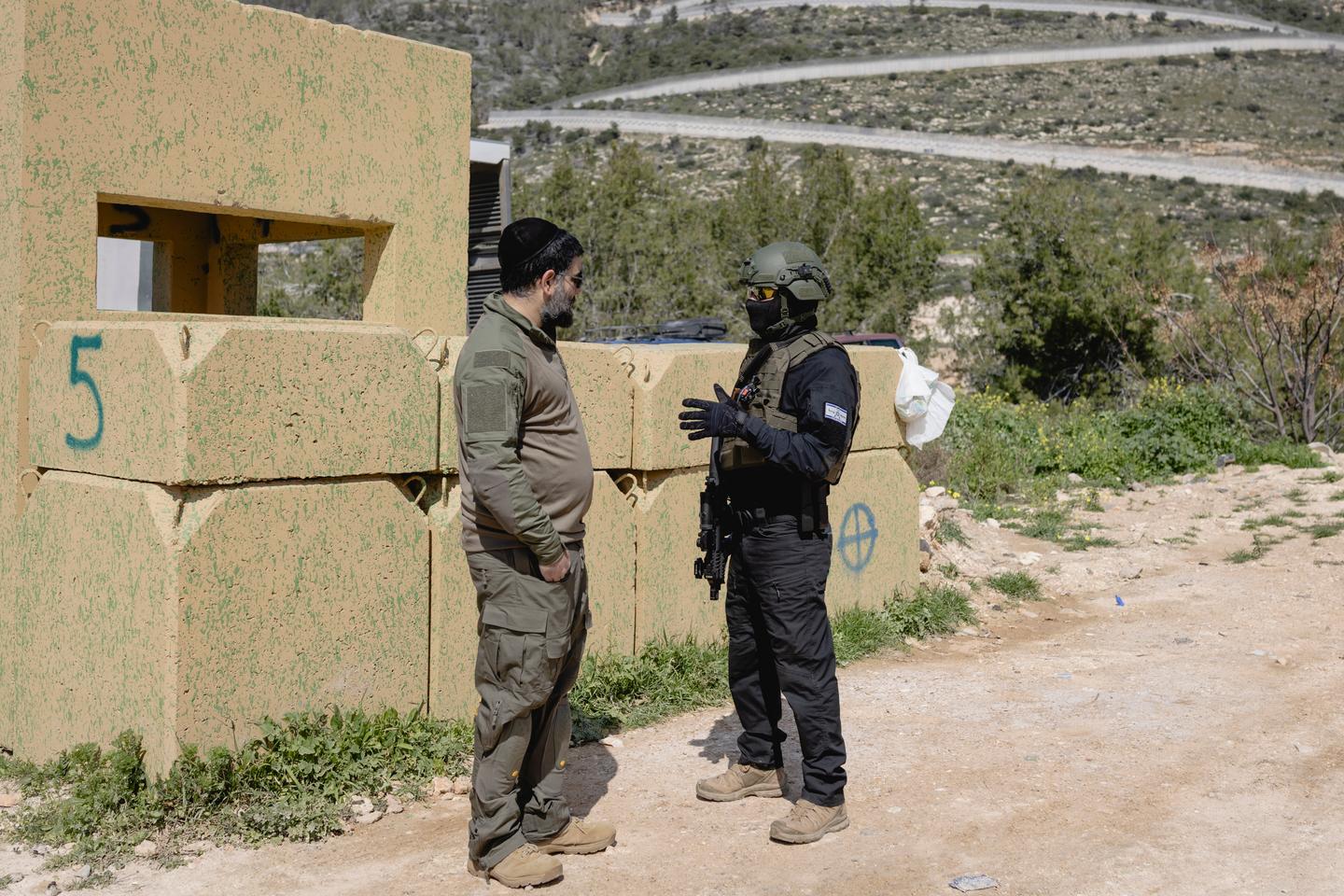
Hezbollah launched multiple waves of strikes targeting military infrastructure in northern Israel and the Golan Heights.
A barrage of advanced rockets and a swarm of drones were launched toward the Mishmar HaCarmel missile defense site, located south of Haifa. The attack also targeted three major military installations — Ramat David Air Base, with focus on radar sites and control rooms, the Meron Monitoring Base, and the Nafah Base in the Golan Heights.
The strike campaign later expanded to include oil and gas infrastructure as well as additional military bases.
Sirens were triggered across Haifa and the Galilee. Most projectiles were intercepted or landed in open areas, with no initial reports of Israeli fatalities, though some minor injuries occurred.
Several civilians and security personnel were injured. On March 2, a missile impact in Jerusalem injured seven people, one moderately, and another impact in Be’er Sheva resulted in 15 injuries.
There have been no confirmed deaths in Israel specifically attributed to Hezbollah’s recent rocket and drone barrages as of today.
Israel launches Operation Roaring Lion in Lebanon
Additional sources: BBC, Reuters, WSJ, The Guardian, The Times of Israel, Arab News, NYTimes, France 24
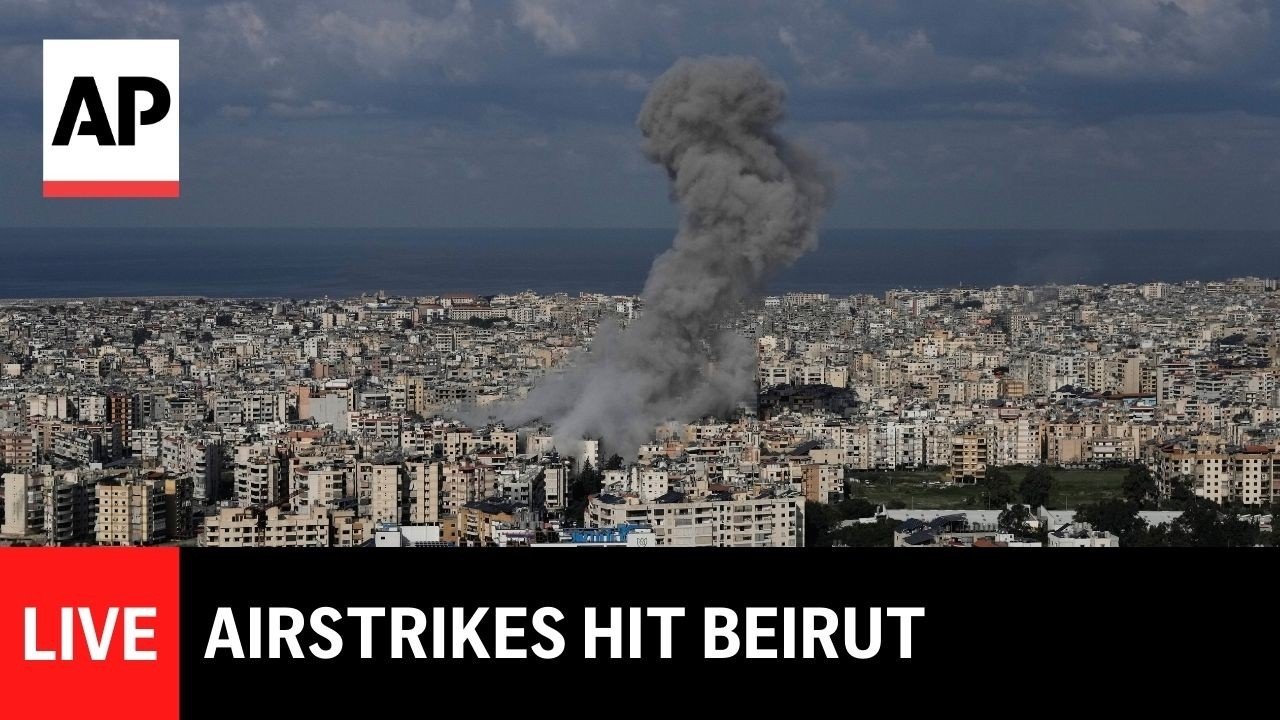
Israel responded with Operation Roaring Lion, conducting heavy air and naval strikes followed by a ground incursion.
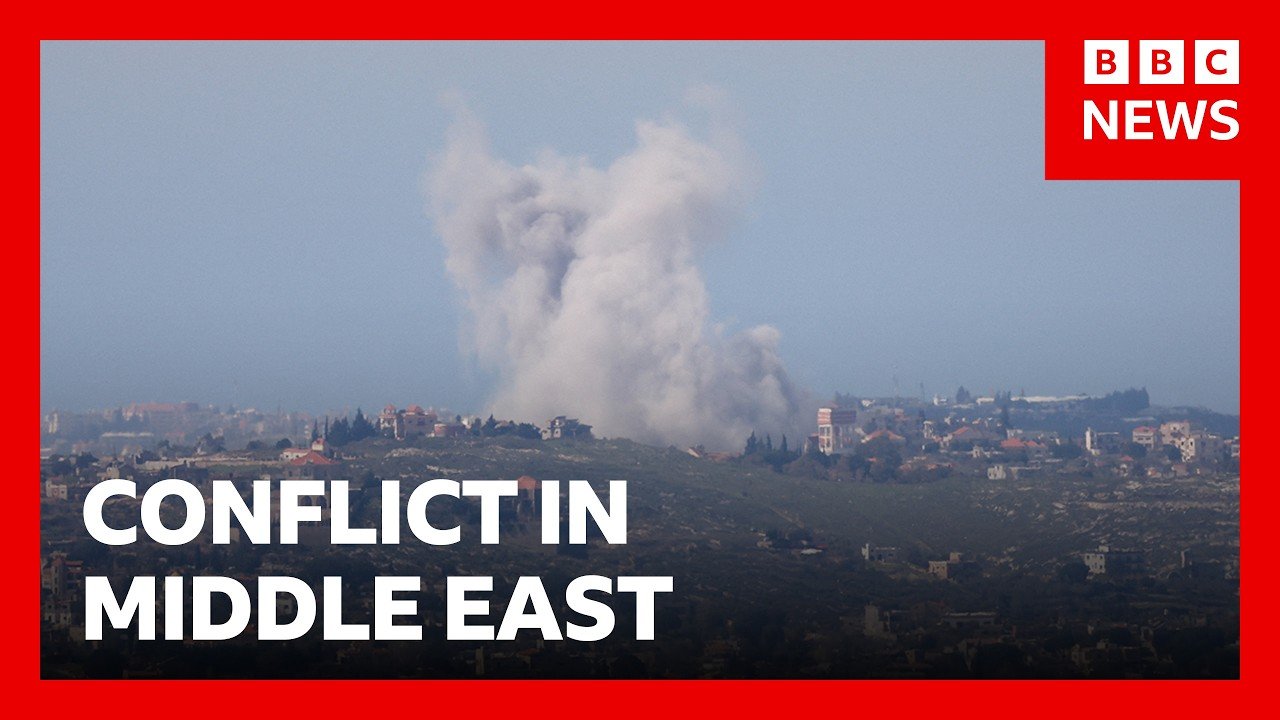
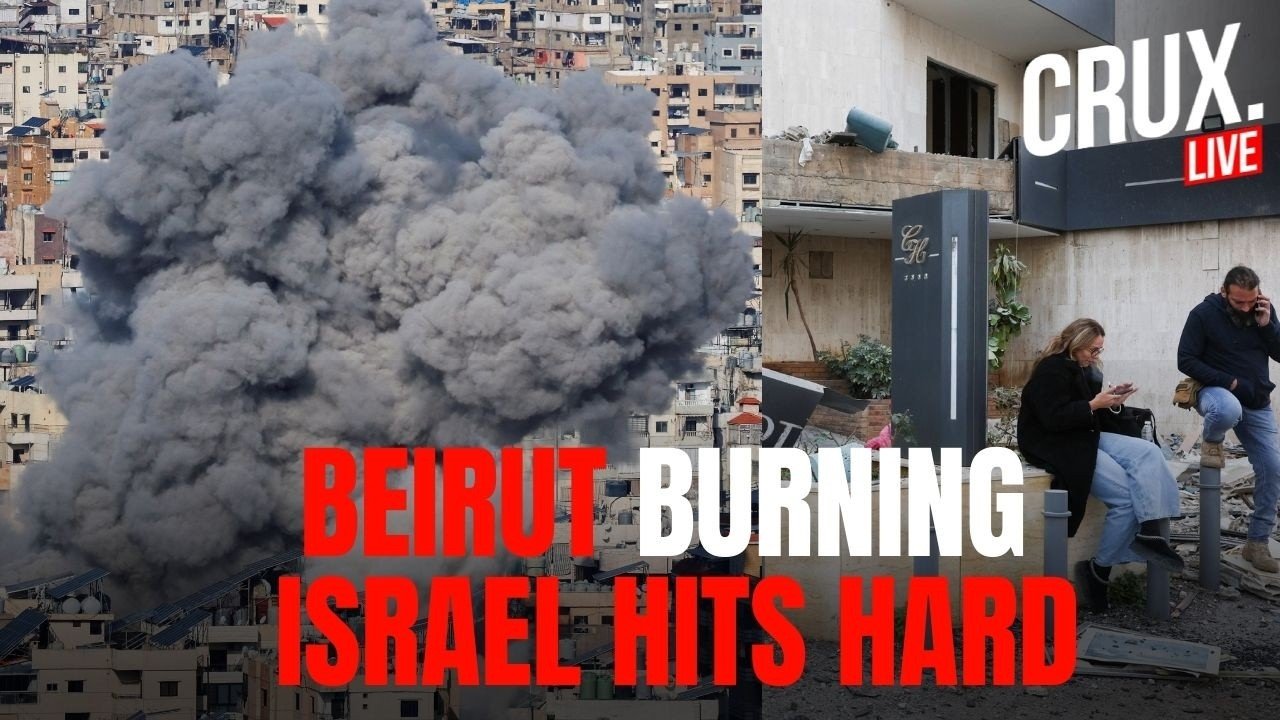
Between March 2 and 4, Israeli airstrikes hit more than 220 targets across Lebanon, including Beirut’s Dahieh suburb, the Bekaa Valley and several southern villages.
Key targets included the headquarters of al-Manar TV and al-Nour Radio, along with multiple branches of the al-Qard al-Hassan financial network.
The IDF claimed to have killed Hussein Makled, head of Hezbollah’s intelligence headquarters.
Israeli forces were ordered to seize “strategic areas” in southern Lebanon, with troops crossing the Blue Line at four different points to seize new “strategic high ground” and establish an expanded buffer zone in southern Lebanon.
Fifty-two people were killed and at least 154 injured in Lebanon as of March 3.
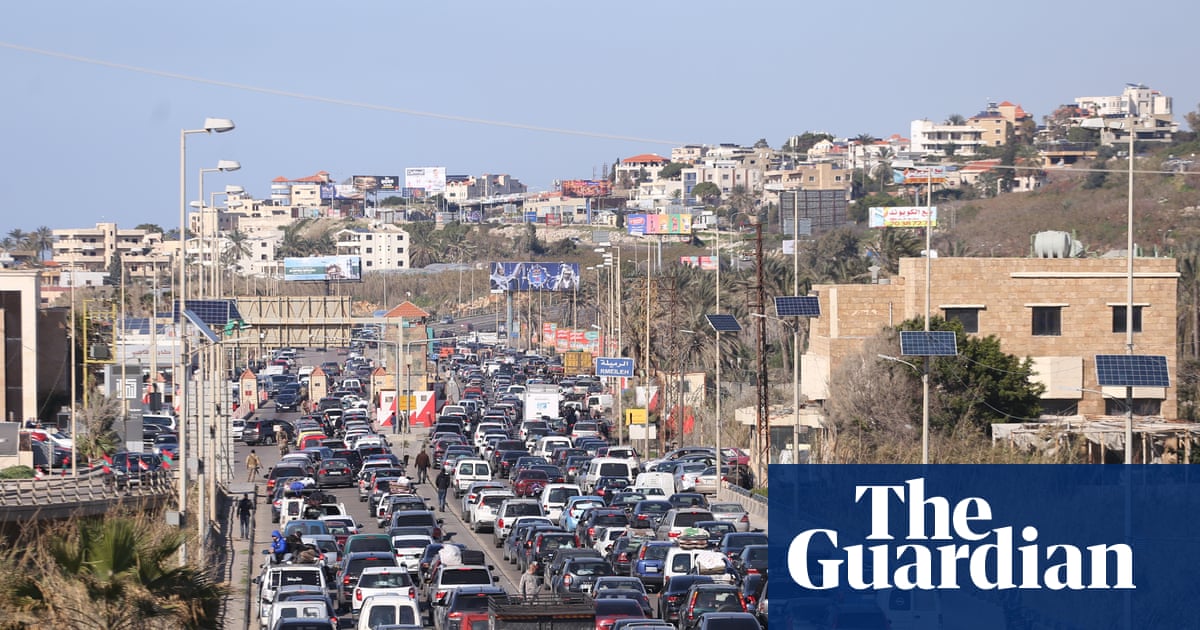
Israel issued orders for residents in 50 southern and eastern villages to move north of the Litani River. Thousands of civilians have fled southern areas toward Sidon and northern Beirut.
Political crisis erupts in Lebanon
Additional sources: Reuters, Al Jazeera, The Times of Israel, AL Monitor, The Arab Weekly
The strikes triggered a major political crisis within Lebanon.
Lebanese Prime Minister Nawaf Salam condemned Hezbollah’s “irresponsible acts” and announced a total ban on all Hezbollah military activities, demanding they surrender their weapons to the state.
Over 58,000 people have been displaced from southern Lebanon as of March 4, with at least 52 people killed in initial Israeli retaliatory strikes.
Read also:
US–Israel launch coordinated strikes on Iran, killing supreme leader
Iran forms transition government with three-member interim council