
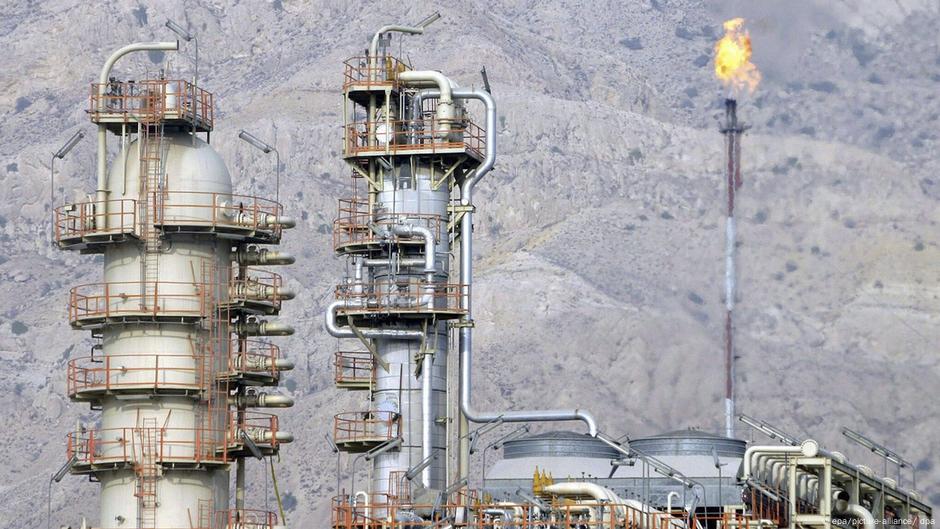
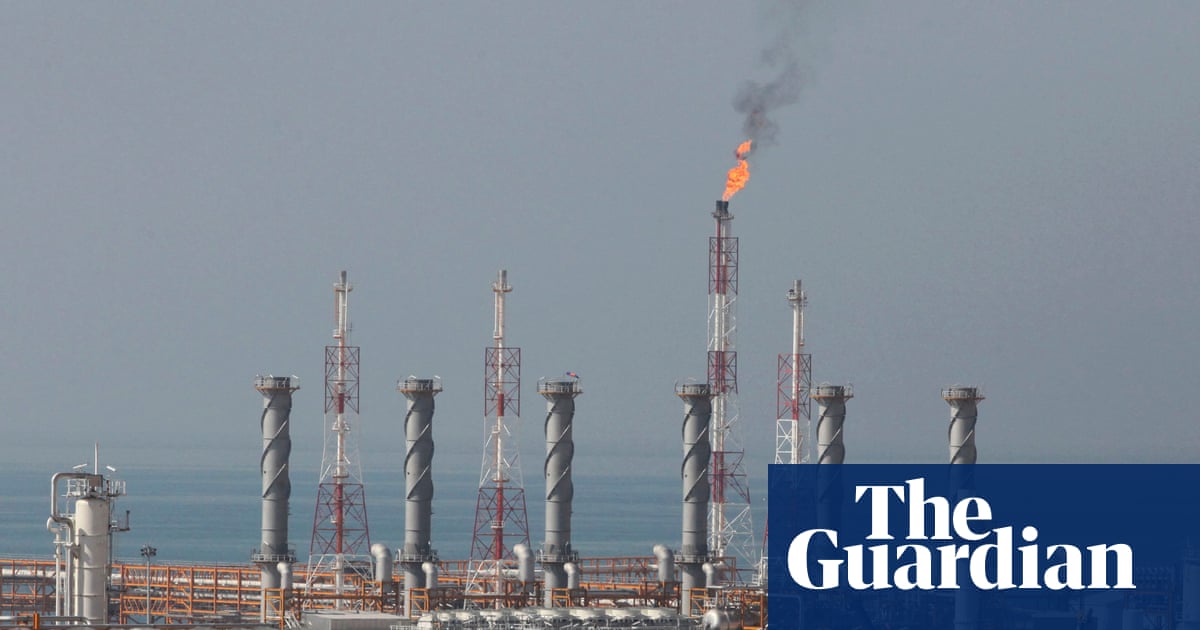
On March 18, Israeli strikes damaged Iran’s South Pars gas field and the Asaluyeh processing hub, vital for its domestic energy.
South Pars provides roughly 70 to 80% of Iran’s domestic gas supply, leading to expected widespread heating and electricity shortages. Jointly operated by Iran and Qatar, it is the world’s largest natural gas field. The Qatari portion of the field is known as “North Dome”.
The strikes crippled approximately 12% of Iran’s total gas production. At least two refineries at the Asaluyeh hub, with a combined capacity of 100 million cubic metres per day, were taken offline.
The attack, intended to eliminate a significant revenue source for the Islamic Revolutionary Guard Corps (IRGC), is viewed as a major escalation, aggravating worldwide energy supply disruptions.
Iran’s retaliation
Iran retaliated by attacking the energy infrastructures of Israel and several Gulf Arab states.
It launched missile and drone attacks against regional energy facilities, including Qatar’s Ras Laffan LNG facility and the UAE’s Habshan gas facility, leading to operational suspensions.
The damage to Ras Laffan is estimated to cost $20billion annually in lost revenue and may take up to five years to repair.
Authorities suspended operations at the Habshan gas facility and the Bab oil field after debris from intercepted Iranian missiles caused fires. Habshan is a critical processing hub for the UAE’s domestic power and industrial needs.
Operations were also suspended at Kuwait’s Mina Al-Ahmadi refinery following missile-induced fires, cutting ~346,000 barrels per day of refining capacity.
In Saudi Arabia, ballistic missiles targeted refineries in Riyadh and reportedly the port of Yanbu, leading to significant fires despite reported interceptions.
US response
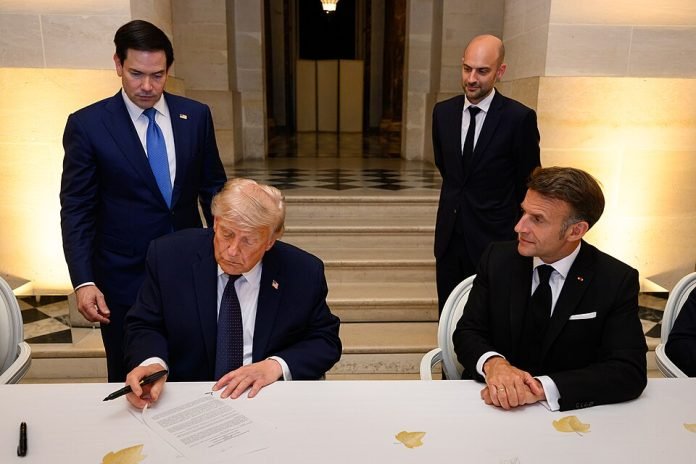
The US reaction to the March 18 strikes was a mix of distancing from Israel’s initial actions and a severe escalation of threats against Iran to protect regional energy assets.
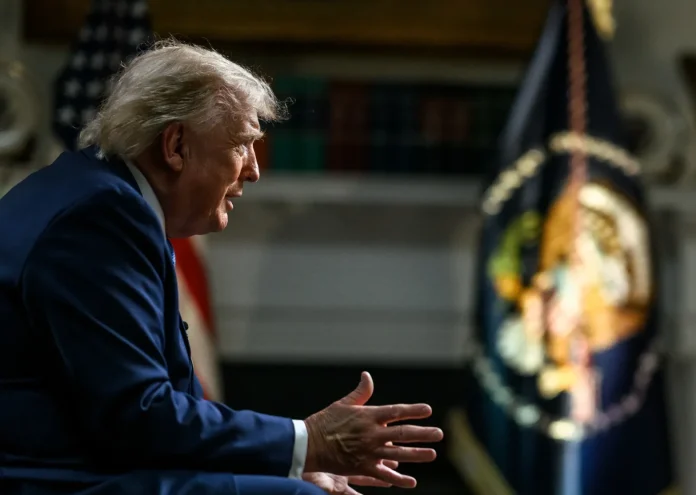
The White House claimed the US “knew nothing” about the South Pars strike in advance. Trump stated he instructed Prime Minister Netanyahu to cease attacks on Iranian energy infrastructure, describing Israel’s strike on South Pars as having “violently lashed out” in anger.
Israeli PM Netanyahu explicitly confirmed that Israel was solely responsible for the strike on the South Pars gas field, clarifying that it was an independent operation conducted without direct US involvement.
He acknowledged that President Trump had since requested that Israel refrain from further attacks on energy infrastructure and confirmed that Israel is currently “holding off” on such targets in response to that request.
Netanyahu downplayed any perceived tension with the White House, stating that no two leaders have been as “coordinated as President Trump and I” and rejecting the idea that he had “dragged” the US into the war.
President Donald Trump warned that if Iran continues to strike Qatar’s Ras Laffan LNG facility, the US will “massively blow up” the entire South Pars gas field.
On March 21, Trump issued a 48-hour deadline for Iran to reopen the Strait of Hormuz or face the destruction of its largest power plants.
Gulf Cooperation Council (GCC) reactions
Saudi Arabia expelled the Iranian military attaché and four embassy staff on March 21 following an attack on the port of Yanbu.
Qatar asserted its right to self-defense under Article 51 of the UN Charter and called for international action to deter further violations.
Saudi Arabia officials were enraged when four Iranian missiles were intercepted over Riyadh during a gathering of foreign ministers on March 18. While condemning the attacks, Saudi Arabia continues to advocate for dialogue and diplomacy as the only way to avoid “catastrophic consequences”.
Market reactions
Brent crude surged past $118 per barrel, while European natural gas prices jumped by 35% following the strikes.
The US Treasury Department emphasized the need to “escalate to de-escalate” as energy price shocks, with Brent crude reaching $118 per barrel, threaten domestic inflation.
Read more:
NATO rules out sending warships to Strait; Iran denies ceasefire request