Direct negotiations between the United States and Iran have broken down without a deal, leaving a fragile two-week ceasefire in jeopardy. The 21-hour marathon talks, held in Islamabad, Pakistan, collapsed on April 11, 2026 amid a fragile two-week ceasefire in their ongoing seven-week conflict.
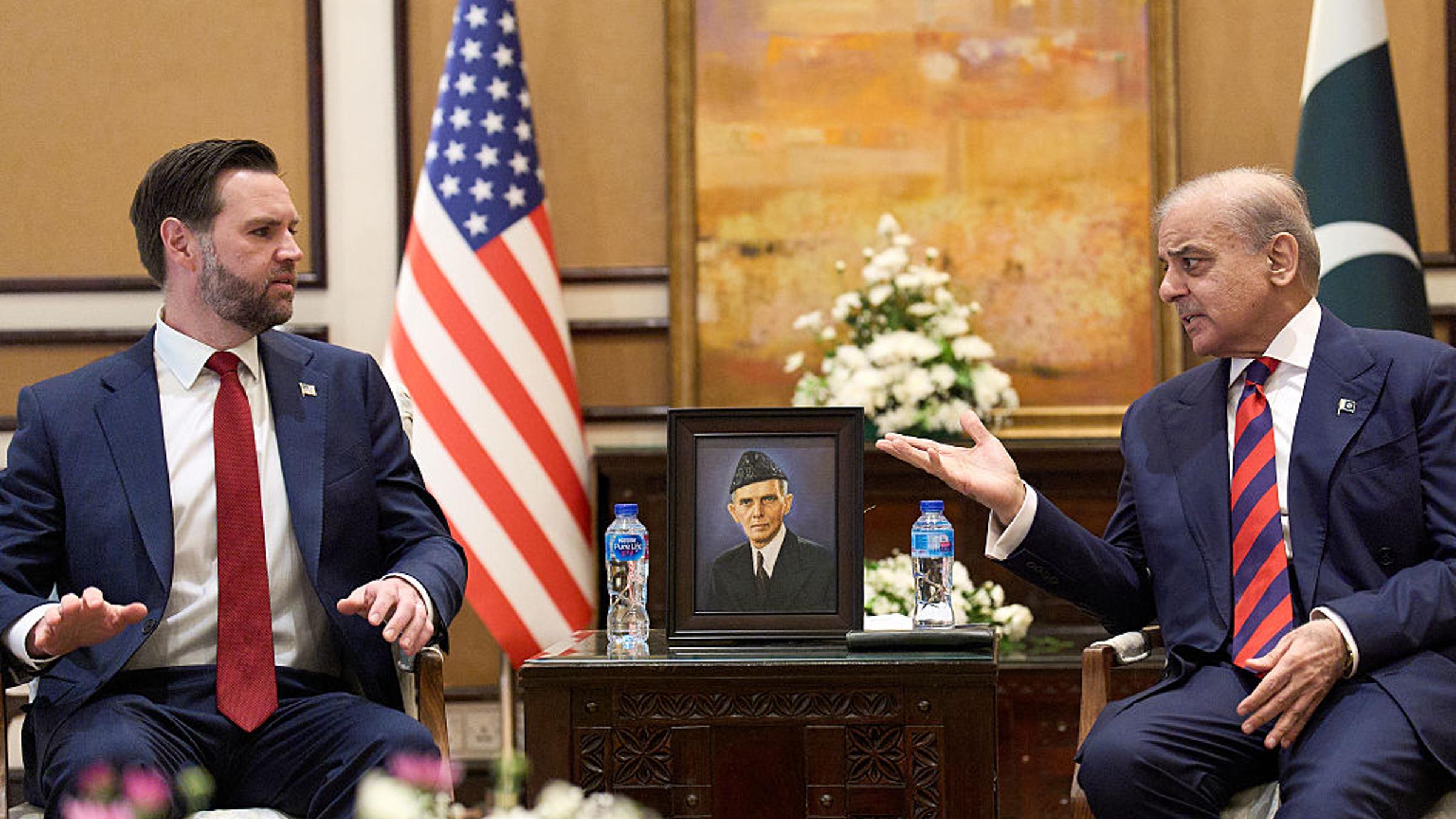
The US delegation, led by Vice President JD Vance with envoys Steve Witkoff and Jared Kushner, demanded Iran commit to abandoning nuclear weapons development and grant access to facilities, plus reopen the Strait of Hormuz.
Iran rejected these as excessive without prior sanctions relief. Led by Parliament Speaker Mohammad Bagher Qalibaf and Foreign Minister Abbas Araghchi, Iranian negotiators accused the US of “maximalism” and moving the goalposts. They argued that the US failed to build trust or offer adequate guarantees.
The American delegation walked away after presenting what they termed a “final and best offer”. US officials stated that the talks failed because Iran refused to commit to giving up its nuclear ambitions.
The peace talks marked the first direct, face-to-face engagement between high-level officials from the two nations in over a decade.
Pakistan acted as the neutral broker, with Foreign Minister Ishaq Dar urging both sides to maintain the ceasefire despite the diplomatic stalemate.
What were the red lines?
The two sides were operating on competing frameworks with a 15-point US proposal and a 10-point Iranian proposal.
The US demanded that Iran end all uranium enrichment, dismantle major enrichment facilities, and surrender its highly enriched uranium. Iran defended its right to a civilian nuclear program.
As previously reported by BBC, the International Atomic Energy Agency stated as of May 2025 that Iran had in its possession over 400kg of uranium at 60% purity.
Iran demanded continued control over the strategic waterway and the right to charge tolls. The US demanded it be fully opened with free passage for all.
The US mandated that Iran cease funding proxy groups like Hezbollah, Hamas, and the Houthis, while Iran demanded sweeping sanctions relief and war reparations for the damages incurred during the recent conflict.
VP JD Vance gave a blunt debrief
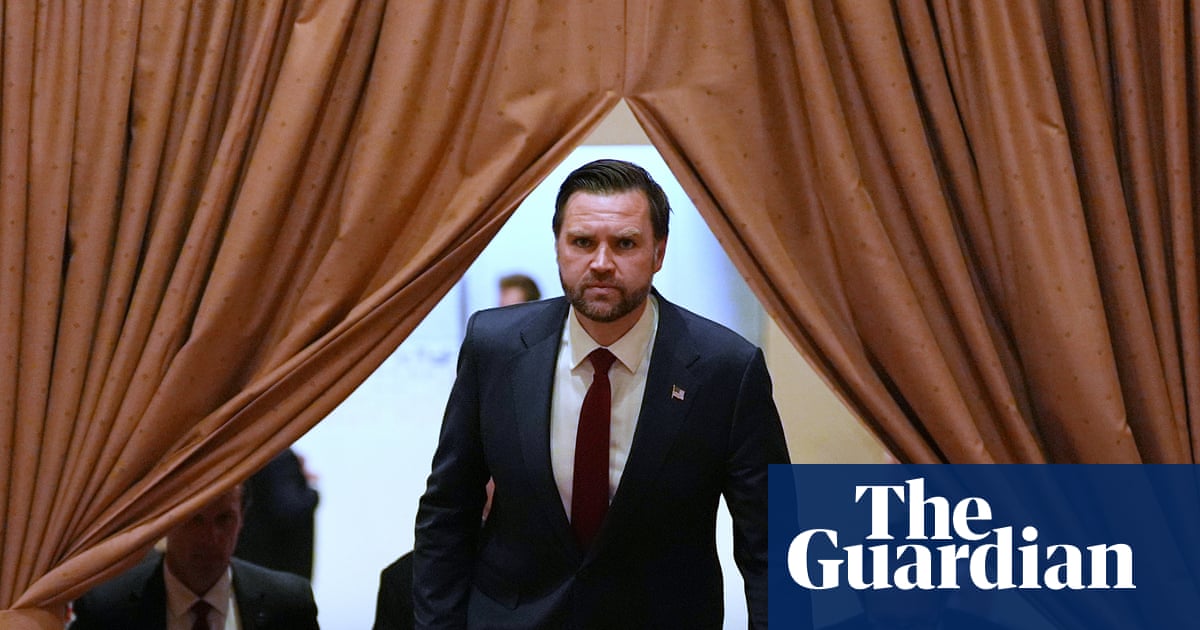
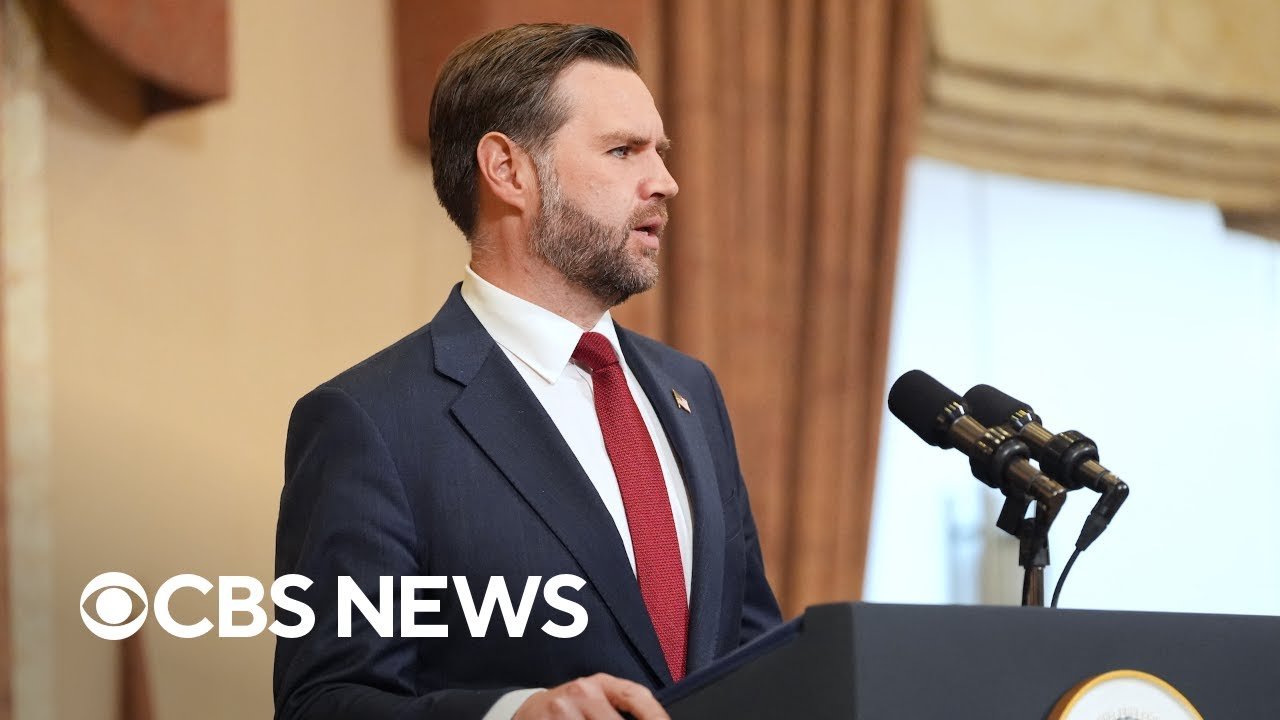
Immediately following the collapse of the 21-hour marathon negotiations, Vance delivered a brief press conference at the Serena Hotel in Islamabad, Pakistan, before boarding Air Force Two to return to Washington. Flanked by US Special Envoy Steve Witkoff and Presidential Advisor Jared Kushner, Vance delivered a blunt assessment of the failed diplomacy.
He cited Iran’s refusal to permanently and verifiably abandon its nuclear weapons pursuit, stating the US required an “affirmative commitment” that they would not seek such weapons. Vance maintained that the US was “flexible” and “accommodating”, but Iran chose not to accept the proposed terms.
He indicated the US had reached its limit, presenting the failed proposal as the “final and best offer”. He confirmed he was in consistent contact with President Donald Trump throughout the 21-hour negotiations.
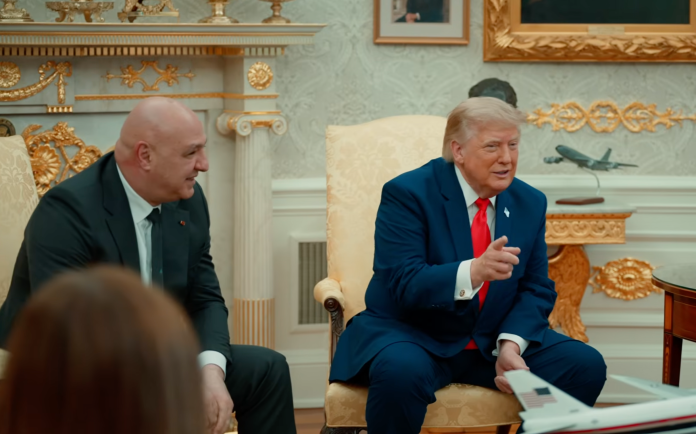
President Donald Trump has said to reporters on the same day that he was indifferent to the outcome. He asserted, “Whether we make a deal or not makes no difference to me. The reason is because we’ve won.”
Vance stated that while no agreement was reached, the failure to secure a deal was more detrimental to Iran than to the United States.
He expressed gratitude to the Pakistani hosts for their efforts.
Iranian Foreign Minister Abbas Araghchi later posted that the two sides were “just inches away” from a memorandum of understanding, but blamed the failure on what he called US “maximalism” and moving goalposts, referencing Trump’s public posture and subsequent threats.
In intensive talks at highest level in 47 years, Iran engaged with U.S in good faith to end war.
— Seyed Abbas Araghchi (@araghchi) April 12, 2026
But when just inches away from "Islamabad MoU", we encountered maximalism, shifting goalposts, and blockade.
Zero lessons earned
Good will begets good will.
Enmity begets enmity.
Trump orders naval blockade
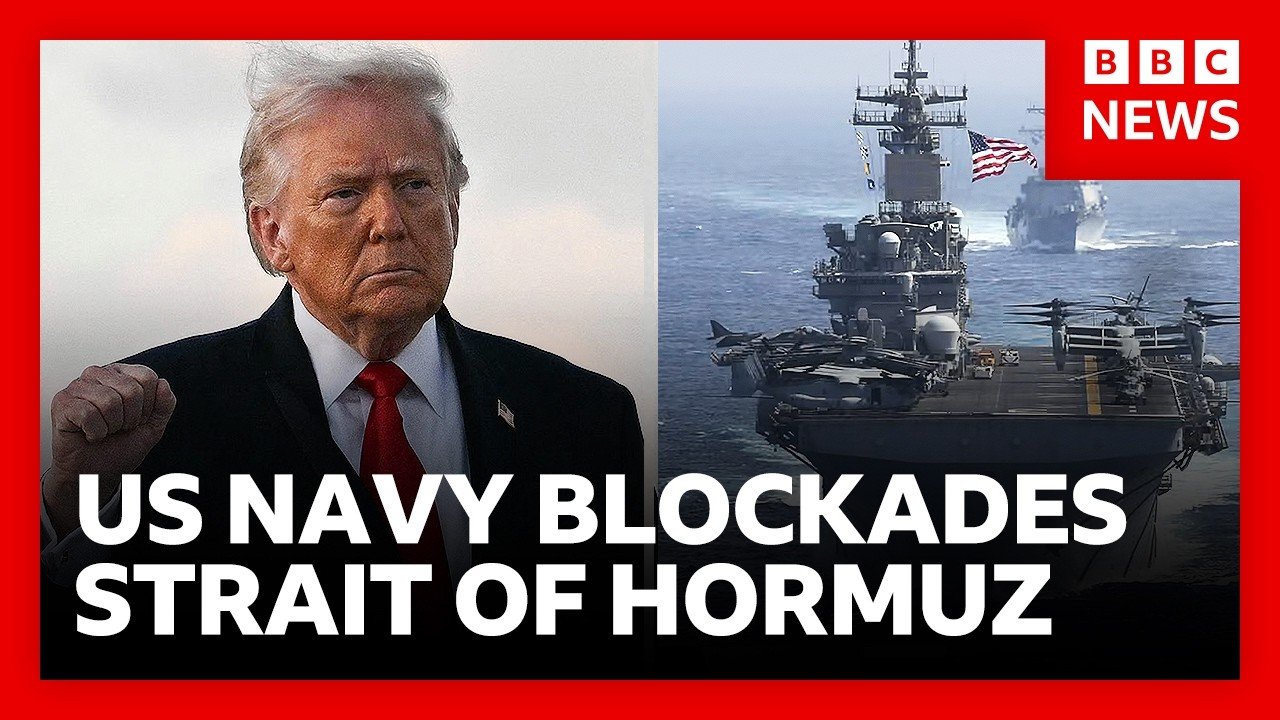
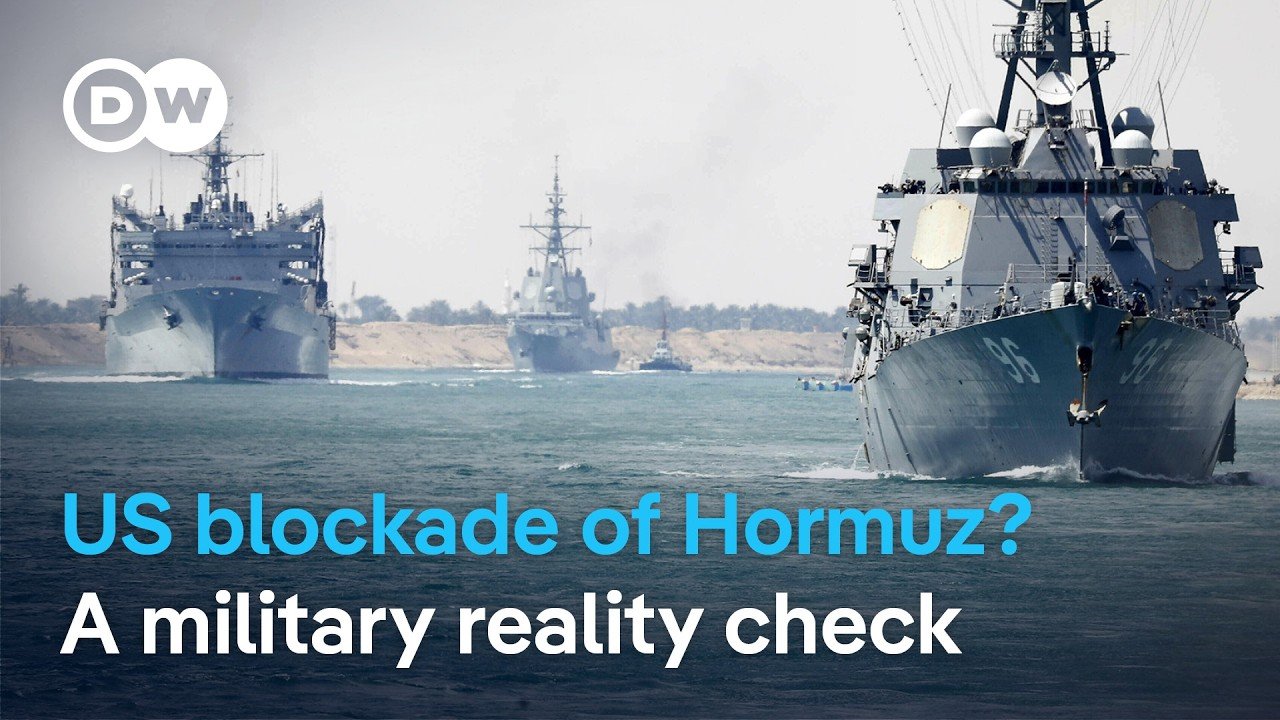
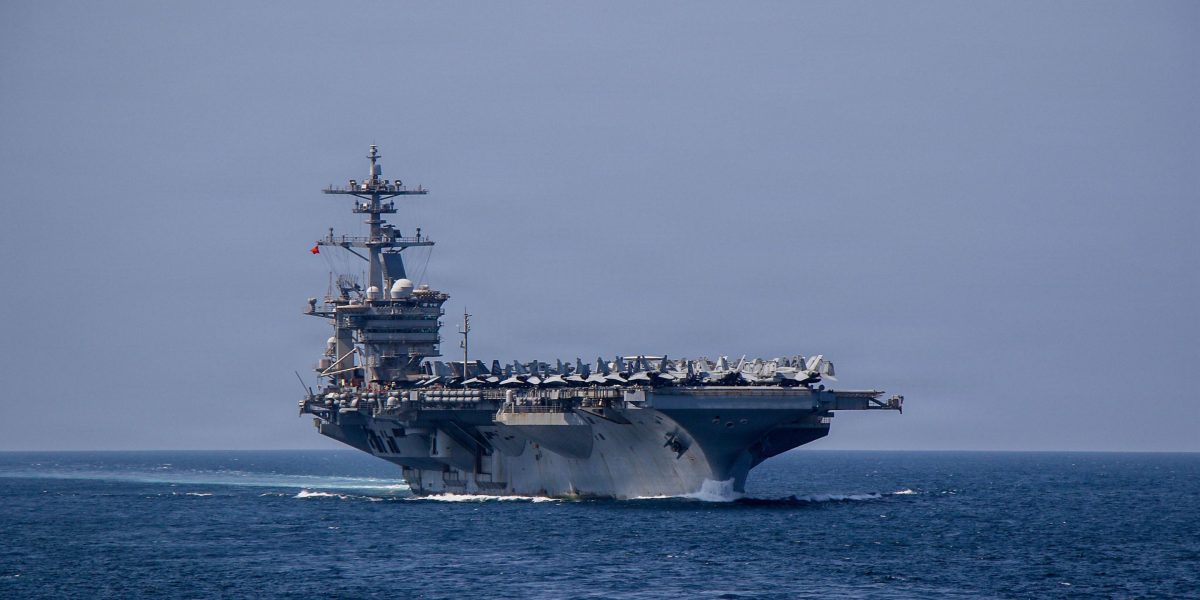
Following the collapse of the 21-hour marathon peace talks in Islamabad, President Donald Trump announced that the United States military would begin a naval blockade of Iranian ports. The directive was issued via his Truth Social account and later formalized with operational specifics by US Central Command.
Citing Iranian “extortion” regarding tolls in the Strait of Hormuz, Trump ordered the US Navy to interdict vessels that paid such tolls, stating, “No one who pays an illegal toll will have safe passage on the high seas”.
The Wall Street Journal also reported that the Trump administration is considering limited military strikes against Iran to force a diplomatic breakthrough. This strategy aims to apply targeted pressure in conjunction with an ongoing naval blockade, specifically avoiding a full-scale war while demanding a return to negotiations.
Iran’s Revolutionary Guard Corps (IRGC) warned that any military ships approaching the Strait of Hormuz would be viewed as a ceasefire violation and dealt with “harshly and decisively”.
CNBC reported that the failure of the talks and the implementation of the naval blockade pushed global oil prices back above $100 a barrel, sparking renewed inflation fears in global markets.